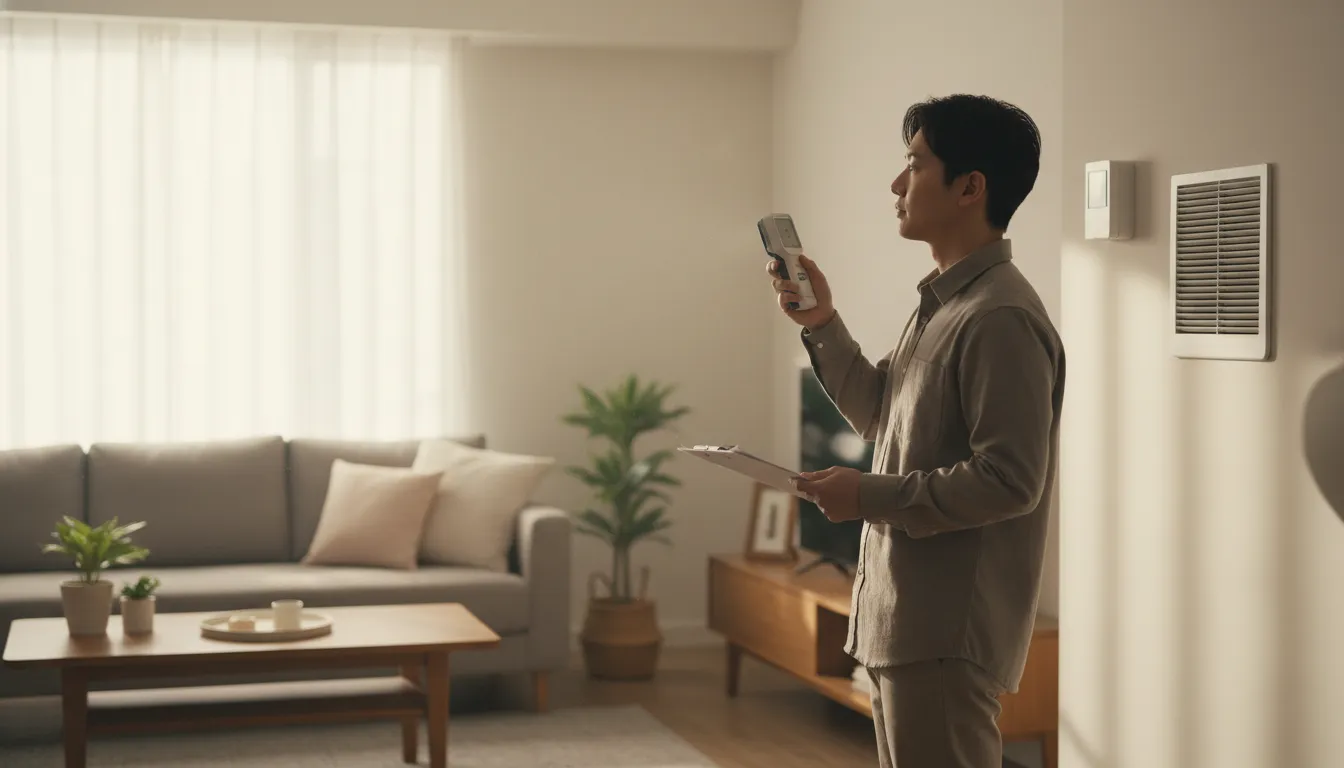
Find the Best Indoor Air Quality Service Providers for Your Business
No obligation • Fast responses • Nationwide coverage

Why you can trust HVAC Firms
HVAC Firms is a leading United States resource for evaluating HVAC service providers. Our team researches companies, checks credentials, and reviews customer feedback to present clear, unbiased information. Listings and rankings are based on merit, and companies cannot pay to change our editorial content.
Search providers near you
Top Indoor Air Quality Service Providers in Cambridge, Massachusetts Ranked
The air you breathe inside your Cambridge home or business directly impacts your health, comfort, and productivity. Indoor air quality (IAQ) refers to the condition of the air within and around buildings, particularly as it relates to the health and well-being of occupants. In a city known for its historic architecture and dense urban environment, managing IAQ is crucial due to factors like older building materials, seasonal humidity, and urban pollutants. This guide helps you understand the unique air quality challenges in Cambridge and outlines practical steps, from professional assessment to targeted improvements, to ensure your indoor environment is safe and healthy.
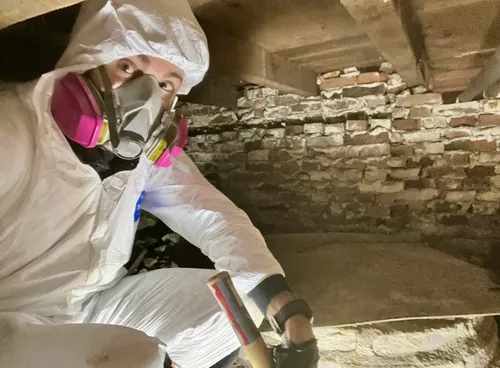
Elite Home & Mold Inspections
620 Lynn Fells Pkwy, Melrose, MA 02176
Elite Home & Mold Inspections provides mold inspections, indoor air quality testing, asbestos surveys, VOC and formaldehyde testing, duct cleaning, and comprehensive home and commercial property inspections in Boston, MA. Their team includes certified professionals with extensive building construction knowledge who deliver detailed reports and expert recommendations to help clients understand and address environmental concerns. Serving both Massachusetts and New Hampshire, they focus on health and safety with advanced testing methods and thorough evaluations.
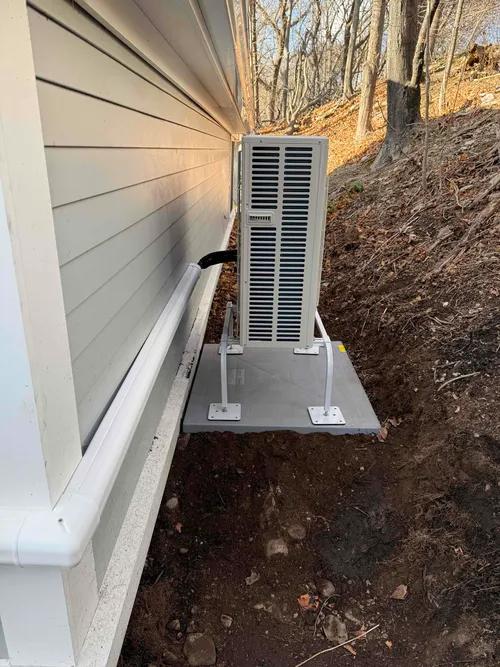
Yellow Dog Plumbing, Heating & Cooling
19 Kearney Rd, Needham, MA 02494
Yellow Dog Plumbing, Heating & Cooling is a plumbing and HVAC company serving Boston, MA, and nearby areas. They offer a wide range of services including air conditioning, furnace, heat pump, and boiler repair and installation, as well as HVAC tune-ups and indoor air quality solutions. Their technicians are equipped to handle both residential and light commercial HVAC needs, with well-stocked trucks to complete most repairs on the first visit. Yellow Dog emphasizes clear communication and customer care, providing same-day service and 24/7 live answering to support their clients' comfort and safety.
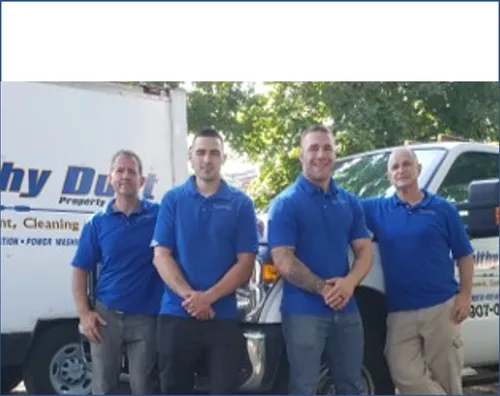
Healthy Duct Property Services
17 Prospect St Ave, Waltham, MA 02453
Healthy Duct Property Services is a certified air duct cleaning company based in Boston, MA. They specialize in HVAC air duct cleaning and indoor air quality services, serving customers across Eastern Massachusetts. The company is NADCA certified as an Air Systems Cleaning Specialist and Ventilation Systems Mold Remediator, providing expert cleaning and restoration to improve home environments. Healthy Duct offers detailed assessments to help customers make informed decisions about their air duct maintenance. Their services focus on removing contaminants like bacteria and mold that can affect indoor air quality.
EML Mechanical
28 Pine St, Stoneham, MA 02180
EML Mechanical is an HVAC company serving Boston, MA, and the Greater Northshore Community. They provide residential and commercial heating, ventilation, and air conditioning services, including installation, repair, and tune-ups for systems like furnaces, heat pumps, and air conditioners. EML Mechanical is a MassSave-approved contractor, offering access to energy efficiency rebates and financing options. Their services also include indoor air quality solutions and thermostat installation. The company emphasizes integrity, expertise, and customer-focused service, with 24/7 emergency support available through their service membership plans.

Delta Clean Air
529 Main St STE p222, Boston, MA 02129
Delta Clean Air is a duct cleaning company based in Boston, MA, specializing in air duct cleaning, dryer vent cleaning, and chimney sweeping for both residential and commercial properties. They use eco-friendly, non-toxic cleaning agents and modern tools to remove dust, allergens, mold, and other contaminants, improving indoor air quality and HVAC efficiency. The company follows certified industry standards and sustainable practices, including the use of biodegradable materials and reduced emissions. Delta Clean Air offers 24/7 air duct cleaning solutions to meet customer needs at any time.
Why Indoor Air Quality is a Critical Concern in Cambridge
Cambridge's unique architectural and environmental landscape presents specific challenges for maintaining clean indoor air. The city is filled with older homes, many of which have been renovated and tightly sealed for energy efficiency. While this saves on heating costs, it can trap pollutants inside, leading to a phenomenon known as "sick building syndrome." 1 Furthermore, the local climate contributes significantly; high summer humidity promotes mold growth in basements, while winter conditions lead residents to seal up their homes, potentially concentrating combustion byproducts and other contaminants. Understanding these local factors is the first step toward creating a healthier indoor space.
Common Indoor Air Pollutants in Cambridge Homes
Identifying the specific contaminants in your environment is essential. Here are the most prevalent indoor air quality issues faced by Cambridge residents:
- Mold and Moisture: The humid summers and often-damp basements of Cambridge's older homes create an ideal breeding ground for mold and mildew. This is not just an aesthetic issue; mold spores can trigger allergies, asthma attacks, and other respiratory problems.
- Radon Gas: This naturally occurring, radioactive gas seeps from the soil and is a serious health hazard, being the second leading cause of lung cancer in the United States. Radon levels can vary greatly from one Cambridge neighborhood to another, making testing imperative.
- Volatile Organic Compounds (VOCs): These chemicals are emitted as gases from a wide array of household products, including paints, varnishes, cleaning supplies, adhesives, and even new furniture. In tightly sealed homes, VOC concentrations can build up to levels that cause headaches, nausea, and long-term health effects. 2
- Particulate Matter (PM2.5): Fine particles from dust, pet dander, pollen, and even cooking can remain suspended in the air. These particles are small enough to penetrate deep into the lungs and are a major irritant for allergy and asthma sufferers.
- Combustion Pollutants: Sources like gas stoves, fireplaces, and furnaces can release carbon monoxide (CO) and nitrogen dioxide if they are not properly vented or maintained. Carbon monoxide is a deadly, odorless gas, while nitrogen dioxide can irritate the airways. 3
- Renovation Hazards: In a city with many historic properties, renovations can disturb hazardous materials like asbestos and lead-based paint, releasing dangerous dust into the air. Proper containment and air filtration during remodeling projects are critical. 4
Professional IAQ Testing and Assessment
For a comprehensive understanding of your air quality, professional testing is often recommended. An IAQ audit goes beyond what you can see or smell, identifying invisible threats.
- What a Professional Audit Involves: A thorough assessment typically includes a visual inspection of the property, interviews with occupants about symptoms and habits, and the use of specialized equipment to sample the air. Professionals test for levels of carbon dioxide (an indicator of poor ventilation), carbon monoxide, VOCs, humidity, and temperature. 5
- Targeted Testing for Specific Pollutants:
- Radon Testing: Requires specialized devices placed in the lowest livable area of the home for a period of time (short-term or long-term). The Massachusetts Department of Public Health provides resources and recommendations for this critical test. 6
- Mold Inspection: If visible mold is not present but a musty odor or moisture issue exists, professionals may take air samples or surface swabs to identify and quantify mold spore types. 7
- Cost of Professional Testing: Basic indoor air quality testing can range from $200-$300 for a smaller home (under 1,000 sq ft) to $500-$1,000 or more for larger properties (above 2,500 sq ft). Specific tests like radon or mold assessments have separate costs, often ranging from $150-$800+ for radon and $300-$1,000+ for mold investigation. 8 9
Find the perfect indoor air quality service providers for your needs
Get personalized recommendations and expert advice
Strategies for Improving Your Indoor Air
Once you understand your home's specific issues, you can implement effective solutions. A layered approach-combining source control, ventilation, and filtration-is most effective.
1. Source Control
The most effective way to improve air quality is to prevent pollutants from entering the air in the first place.
- Choose low-VOC or VOC-free paints, sealants, and cleaning products.
- Address water leaks and moisture issues promptly to prevent mold. Use dehumidifiers in basements to maintain relative humidity between 40-60%. 10
- Ensure gas-burning appliances are properly vented and serviced annually. Avoid burning wood or scented candles indoors.
2. Ventilation
Diluting stale indoor air with fresh outdoor air is crucial, especially in tightly sealed homes.
- Use exhaust fans in bathrooms and kitchens during and after use.
- Open windows when weather and outdoor air quality permit.
- For a more advanced solution, consider installing an Energy Recovery Ventilator (ERV) or Heat Recovery Ventilator (HRV). These systems efficiently exchange indoor and outdoor air while preserving heating or cooling energy, providing constant, filtered fresh air. 11
3. Air Filtration and Purification
Filtration captures particles that are already circulating in your air.
- HVAC System Upgrades: The simplest step is to upgrade the filter in your central heating and cooling system. Use a filter with a Minimum Efficiency Reporting Value (MERV) of 13 or higher, and replace it every 1-3 months. For added protection against biological contaminants, UV-C lights can be installed inside the air handler to neutralize mold, bacteria, and viruses.
- Portable Air Purifiers: Standalone High-Efficiency Particulate Air (HEPA) purifiers are highly effective for targeting specific rooms, such as bedrooms or home offices, especially for those with allergies.
4. Radon Mitigation
If testing reveals elevated radon levels (at or above 4 pCi/L), a mitigation system is essential. A typical system involves installing a vent pipe and fan to draw radon gas from beneath the house and exhaust it safely above the roofline. The cost for a radon mitigation system installation in the Cambridge area typically ranges from $700 to $1,200+. 12 13
Local Resources and Monitoring
Cambridge residents have access to valuable public health resources. The Cambridge Public Health Department offers guidance on environmental health hazards, including air quality concerns. 14 15 For ongoing awareness, low-cost air quality sensors are available for monitoring trends in particulate matter (PM2.5) and CO2 levels in your home. While not a substitute for professional-grade equipment for health diagnostics, these devices are excellent tools for long-term monitoring and understanding daily patterns. 16
Frequently asked questions
Sources
Footnotes
-
Indoor Air Quality Testing in Massachusetts - Endless Energy - https://goendlessenergy.com/indoor-air-quality/ ↩
-
Indoor Air Quality - MEPHT - https://matracking.ehs.state.ma.us/Environmental-Data/indoor-air-quality/index.html ↩
-
Clean Air in Boston - https://www.boston.gov/departments/environment/clean-air-boston ↩
-
How to Measure and Manage Indoor Air Quality in Rentals - https://masslandlords.net/how-to-measure-and-manage-indoor-air-quality-in-rentals/ ↩
-
Indoor Air Quality Services | Marlborough MA Experts - https://arcticelementsllc.com/hvac-service ↩
-
Indoor Air Quality - MEPHT - https://matracking.ehs.state.ma.us/Environmental-Data/indoor-air-quality/index.html ↩
-
Indoor Air Quality Testing | Mold - PHASE Associates - https://phaseassociate.com/services/indoor-air-quality-testing/ ↩
-
How Much Does a Home Indoor Air Quality Testing Cost? - https://www.airpf.com/how-much-does-a-home-indoor-air-quality-testing-cost/ ↩
-
Indoor Air Quality Test Cost | Schedule Your Appointment - Ambient Edge - https://www.ambientedge.com/faqs/differences-between-commercial-and-residential-hvac-12-3-14/ ↩
-
Signs of Poor Indoor Air Quality in Massachusetts - https://www.sumzeroenergysystems.com/blog/how-to-tell-if-your-home-has-poor-indoor-air-quality ↩
-
MEPHT | Indoor Air Quality - Ventilation - https://matracking.ehs.state.ma.us/Environmental-Data/indoor-air-quality/ventilation.html ↩
-
Improve Indoor Air Quality in Boston Homes - https://www.sumzeroenergysystems.com/hvac-location/iaq-boston-ma ↩
-
Is Your Indoor Air Making You Sick? How to Improve Air ... - https://eliteinspectionsma.com/improve-air-quality-at-home-massachusetts/ ↩
-
A Public Health Hazard or Concern - https://www.cambridgepublichealth.org/a-public-health-hazard-or-concern/ ↩
-
Air Quality and Health - Cambridge Public Health Department - https://www.cambridgepublichealth.org/services/air-quality-and-health/ ↩
-
Verification and Usability of Indoor Air Quality Monitoring ... - https://www.mdpi.com/2813-4168/3/1/3 ↩