Find the Best Indoor Air Quality Service Providers for Your Business
No obligation • Fast responses • Nationwide coverage

Why you can trust HVAC Firms
HVAC Firms is a leading United States resource for evaluating HVAC service providers. Our team researches companies, checks credentials, and reviews customer feedback to present clear, unbiased information. Listings and rankings are based on merit, and companies cannot pay to change our editorial content.
Search providers near you
Top Indoor Air Quality Service Providers in Tinley Park, Illinois Ranked
The air you breathe inside your Tinley Park home or office has a direct impact on your comfort, health, and productivity. Indoor air quality (IAQ) refers to the condition of the air within and around buildings, particularly as it relates to the health and well-being of occupants. In our climate, with its seasonal humidity and temperature swings, managing indoor environmental quality is crucial. This resource connects you with local expertise to identify common pollutants, understand testing options, and explore solutions for cleaner, healthier indoor air.
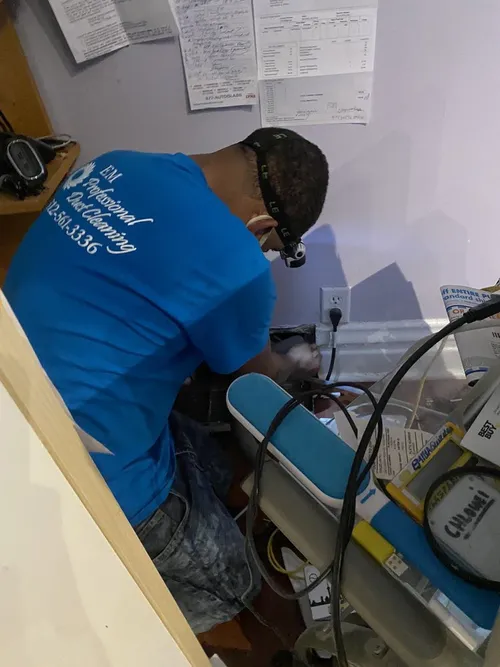
EM Duct Cleaning Chicago
6124 N Milwaukee Ave #3, Chicago, IL 60646
EM Duct Cleaning Chicago is a local company providing professional air duct cleaning and indoor air quality services in Chicago, IL. They serve homes and small to medium-sized commercial properties, focusing on removing dust, dirt, mold, and allergens from HVAC systems and ductwork to improve air quality and system efficiency. Their services include air duct cleaning, dryer vent cleaning, chimney cleaning, UV light installation, mold removal, odor elimination, and filter replacement. With over eight years in the cleaning industry, EM Duct Cleaning uses EPA-approved, environmentally friendly solutions and state-of-the-art equipment to ensure thorough cleaning and sanitization. The company is fully licensed and insured and offers free HVAC inspections with every job.
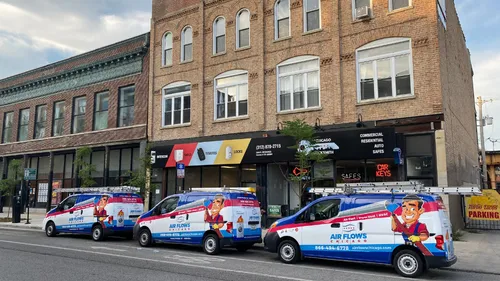
Air Flows Chicago - Belmont
3019 W Belmont Ave, Chicago, IL 60618
Air Flows Chicago - Belmont provides comprehensive HVAC, chimney, and indoor air quality services in Chicago, IL. They offer heating and cooling system installation, repair, and maintenance, including furnaces, boilers, air conditioners, ductless systems, and heat pumps. The company also specializes in chimney sweeping, inspection, and liner services, as well as dryer vent cleaning and repair. Their air duct cleaning and installation services help improve indoor air quality, supported by UV germicidal light installations, humidifiers, and air cleaners. Air Flows Chicago serves both residential and commercial clients and offers 24/7 emergency repair services to minimize downtime.
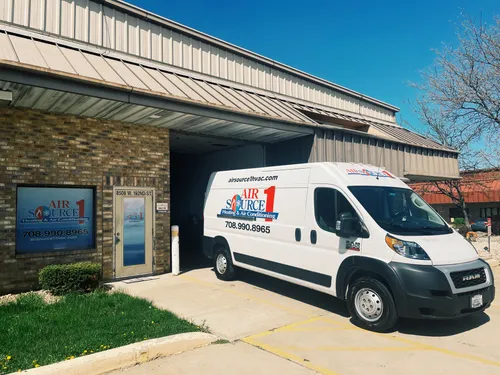
Air Source 1 Heating & Air Conditioning
8508 W 192nd St, Mokena, IL 60448
Air Source 1 Heating & Air Conditioning is a family-owned HVAC contractor based near Chicago, IL, serving Mokena and the surrounding South Chicagoland and Northwest Indiana areas. Since 2014, they have specialized in heating and cooling installation, repair, maintenance, indoor air quality services, and sheet metal fabrication. The company offers 24/7 emergency repair services and works with reputable brands like RUUD to provide quality HVAC systems tailored to customer needs. Owner Tim brings over 15 years of hands-on experience, ensuring skilled and dedicated service on every job.
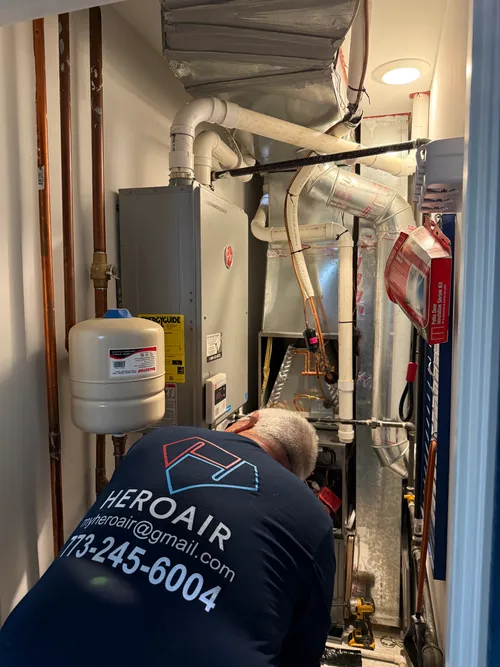
Hero Air
4823 W Patterson Ave, Chicago, IL 60641
Hero Air is a family-owned HVAC company serving Chicago, IL, with over 10 years of experience. They provide a wide range of heating and air conditioning services including installation, repair, and maintenance for air conditioners, furnaces, boilers, and ductless mini splits. Hero Air also specializes in indoor air quality solutions such as UV germicidal treatments and dehumidifiers to maintain healthy and comfortable indoor environments. Their certified and insured technicians work with both residential and commercial clients to ensure efficient system performance throughout the year.
Quality Home Air LLC
1755 Park St Suite 241, Naperville, IL 60563
Quality Home Air LLC is a duct cleaning and indoor air quality service provider based in Chicago, IL. They offer services including air duct cleaning, home sanitization, dryer vent cleaning, and indoor air quality assessments to improve the air quality in residential and light commercial properties. Their team uses advanced technology to remove dust, allergens, and contaminants from duct systems and dryer vents, helping to reduce fire hazards and enhance air circulation. Serving Naperville and nearby areas, Quality Home Air LLC focuses on creating healthier indoor environments through comprehensive air quality solutions.
Why Indoor Air Quality Matters in Tinley Park
We spend up to 90% of our time indoors, where pollutant levels can be two to five times higher than outdoor levels 1. For Tinley Park residents, specific local factors make IAQ a priority. The region's humidity promotes mold growth, while tightly sealed homes for energy efficiency can trap pollutants and reduce fresh air exchange 2 3. Furthermore, Illinois is a known radon-prone state, making testing for this invisible gas essential for any property 4. Addressing indoor air concerns isn't just about eliminating odors or dust; it's about creating a safer, more comfortable living and working environment that supports long-term health.
Common Indoor Air Pollutants in Our Area
Professional assessments in Tinley Park frequently identify a consistent set of core issues. Understanding these is the first step toward improvement.
Moisture and Mold Growth
High humidity, basement dampness, plumbing leaks, or past flooding create ideal conditions for mold. Mold spores can trigger allergic reactions, asthma attacks, and other respiratory issues. A musty odor is often the first sign of a hidden mold problem.
Radon Gas
Radon is a colorless, odorless radioactive gas that seeps from the soil into buildings through cracks in foundations and slabs. It is the second leading cause of lung cancer and is a significant concern across Illinois, including the Tinley Park area.
Poor Ventilation and Stale Air
Modern, energy-efficient homes are excellent at keeping conditioned air in, but this can also prevent adequate fresh air from entering. Without proper ventilation, carbon dioxide from occupants builds up, and pollutants from indoor sources accumulate. The Illinois Department of Public Health notes that CO2 levels above 1,000 parts per million (ppm) indicate a need for improved ventilation 5.
Volatile Organic Compounds (VOCs)
These are gases emitted from a wide array of common products, including paints, varnishes, cleaning supplies, air fresheners, new furniture, and carpets. In a closed environment, these chemicals can cause headaches, eye and throat irritation, and long-term health effects.
Combustion Pollutants and Particulates
Sources like gas stoves, fireplaces, furnaces, and attached garages can release carbon monoxide, nitrogen dioxide, and fine particles into the air. Dust, pollen, and pet dander are also pervasive allergens that degrade air cleanliness 6.
How Professional Indoor Air Quality Assessment Works
A systematic, professional evaluation is the most reliable way to diagnose your home's specific air quality profile. Many experts recommend hiring a certified, third-party consultant who provides testing only, as this avoids any conflict of interest with companies that also sell remediation services.
1. Initial Consultation and Visual Inspection: The process typically begins with a walk-through of your property and a discussion about any concerns, such as persistent odors, visible water damage, or health symptoms. The inspector looks for signs of moisture, mold, ventilation issues, and potential pollutant sources.
2. Targeted Sampling and Testing: Based on the inspection, the professional will recommend specific tests. This is not a one-size-fits-all process. Common tests include:
- Mold Testing: Air or surface samples sent to a lab to identify spore types and concentrations.
- Radon Testing: Deploying a continuous radon monitor for a minimum of 48 hours to determine average gas levels.
- VOC and Formaldehyde Testing: Using specialized equipment to measure levels of specific chemical pollutants.
- Combustion Gas and CO2 Monitoring: Checking for dangerous gases and assessing ventilation effectiveness.
3. Detailed Report and Action Plan: A reputable inspector provides a clear, written report detailing the findings, often comparing them to health guidelines or standards. This report should serve as an unbiased roadmap for any necessary remediation or improvements 7.
Find the perfect indoor air quality service providers for your needs
Get personalized recommendations and expert advice
Solutions and Improvement Strategies for Your Home
Once an assessment identifies issues, a range of solutions is available. Costs vary significantly based on the problem's scope and the chosen remediation method.
Source Control and Remediation
The most effective way to improve air quality is to remove or reduce the source of the pollution.
- Mold Remediation: Professionally removing mold growth and fixing the underlying moisture problem. Costs are highly variable, depending entirely on the extent of the contamination.
- Radon Mitigation: Installing a sub-slab depressurization system, which vents radon gas from beneath the foundation to the outside. This is a specialized service typically costing between $700 and $1,200 or more, following a confirmed test 8 9.
- Duct Cleaning: Removing accumulated dust, debris, and potential mold from your HVAC ductwork. Special offers for basic services may start around $90, but whole-system cleaning is more comprehensive 10.
Ventilation Improvements
Increasing the amount of outdoor air coming indoors dilutes indoor pollutants.
- Energy Recovery Ventilators (ERVs) or Heat Recovery Ventilators (HRVs): These systems bring in fresh outdoor air while recovering energy from the exhausted stale air, improving ventilation without drastically increasing heating or cooling costs.
- Local Exhaust: Using exhaust fans in kitchens and bathrooms to remove moisture and pollutants directly at the source.
Air Cleaning and Filtration
When source control and ventilation are insufficient, air cleaners can help.
- High-Efficiency HVAC Filters: Upgrading to a MERV 13 or higher filter in your forced-air system can capture finer particles.
- Stand-Alone Air Purifiers: Portable units with HEPA filters are effective for single rooms. Some local providers offer installation services for whole-house air purifiers or humidification/dehumidification systems, with costs varying by equipment and complexity 11.
HVAC System Upgrades
Your heating and cooling system is the lungs of your home. Ensuring it is properly sized, maintained, and configured is fundamental to good IAQ. In some cases, significant system improvements or replacements may be recommended, which represent a larger investment 12.
Maintaining Healthy Air Long-Term
Good indoor air quality is an ongoing process. After implementing solutions, consider these maintenance habits:
- Control Humidity: Use dehumidifiers in basements during summer to keep relative humidity below 60% to discourage mold.
- Regular HVAC Maintenance: Change filters quarterly, and have your system professionally serviced annually.
- Use Low-VOC Products: Choose paints, cleaners, and furnishings labeled as low-VOC.
- Test for Radon: Re-test for radon every two years or after any major renovation to the foundation or slab.
- Consider a Monitor: Home air quality monitors can provide ongoing data on particulate levels, humidity, and VOCs, helping you track conditions 13.
Frequently asked questions
Sources
Footnotes
-
The Inside Story: A Guide to Indoor Air Quality | CPSC.gov - https://www.cpsc.gov/Safety-Education/Safety-Guides/Home/The-Inside-Story-A-Guide-to-Indoor-Air-Quality ↩
-
IDPH Guidelines for Indoor Air Quality - Illinois.gov - https://dph.illinois.gov/topics-services/environmental-health-protection/toxicology/indoor-air-quality-healthy-homes/idph-guidelines-indoor-air-quality.html ↩
-
Indoor Air Quality | Priority Energy | Chicago & Elmhurst IL - https://www.priorityenergy.com/service-category/indoor-air-quality-homes-buildings/ ↩
-
Tinley Park IL Mold Testing 60477 - Radon Testing | Chicago IL - https://precisionenviroservices.com/tinley-park-il-mold-testing-60477/ ↩
-
Indoor Air Quality - Frequently Asked Questions - OSHA - https://www.osha.gov/indoor-air-quality/faqs ↩
-
Indoor Air Quality and Your Health: Why It Matters in Chicago - https://www.myheroair.com/indoor-air-quality-and-your-health-why-it-matters-in-chicago/ ↩
-
Mold Inspection & Testing Tinley Park Illinois - https://moldinspectionandtest.com/tinley-park-il ↩
-
How Much Does Professional Home Indoor Air Quality Testing Cost? - https://www.airpf.com/how-much-does-a-home-indoor-air-quality-testing-cost/ ↩
-
Indoor Air Quality Services Orland Park IL | GMI Mechanical - https://www.gogmimechanical.com/indoor-air-quality ↩
-
Tinley Park Air Duct Cleaning | Tinley Park Indoor Air Quality - https://www.fourseasonsheatingcooling.com/tinley-park-il/air-quality/ ↩
-
Indoor Air Quality Services In Chicagoland, IL | Free Estimates - https://greenaircare.com/air-quality/ ↩
-
Regular Village Board Meeting Agenda-September 19, 2023 - https://cms6.revize.com/revize/tinleypark/document_center/Agendas%20and%20Minutes/Village%20Board/Agendas/2023/091923%20VBM%20Packet.pdf ↩
-
Mold Inspection Tinley Park, IL - https://knowmold.com/mold-inspection-tinley-park.html ↩