Find the Best Indoor Air Quality Service Providers for Your Business
No obligation • Fast responses • Nationwide coverage

Why you can trust HVAC Firms
HVAC Firms is a leading United States resource for evaluating HVAC service providers. Our team researches companies, checks credentials, and reviews customer feedback to present clear, unbiased information. Listings and rankings are based on merit, and companies cannot pay to change our editorial content.
Search providers near you
Top Indoor Air Quality Service Providers in Chicago, Illinois Ranked
The air you breathe inside your Chicago home or office can have a profound impact on your health, comfort, and well-being. Indoor air quality (IAQ) refers to the condition of the air within and around buildings, particularly as it relates to the presence of pollutants and the overall comfort of occupants. In a city with Chicago's climate-bitterly cold winters and humid summers-homes are sealed tight for energy efficiency, which can inadvertently trap contaminants and degrade your indoor environment. Addressing IAQ matters because we spend up to 90% of our time indoors, and poor air can lead to allergies, asthma, headaches, and long-term health issues. This guide will help you understand the common air quality concerns specific to Chicago, the solutions available, and how to connect with local professionals who can assess and improve your indoor air.
EM Duct Cleaning Chicago
6124 N Milwaukee Ave #3, Chicago, IL 60646
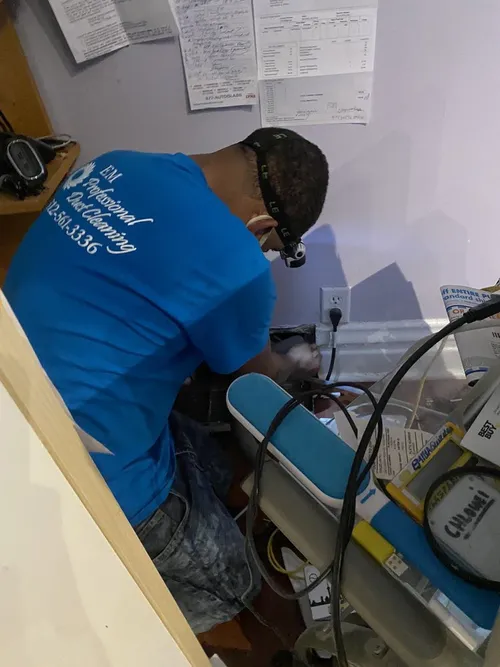
EM Duct Cleaning Chicago is a local company providing professional air duct cleaning and indoor air quality services in Chicago, IL. They serve homes and small to medium-sized commercial properties, focusing on removing dust, dirt, mold, and allergens from HVAC systems and ductwork to improve air quality and system efficiency. Their services include air duct cleaning, dryer vent cleaning, chimney cleaning, UV light installation, mold removal, odor elimination, and filter replacement. With over eight years in the cleaning industry, EM Duct Cleaning uses EPA-approved, environmentally friendly solutions and state-of-the-art equipment to ensure thorough cleaning and sanitization. The company is fully licensed and insured and offers free HVAC inspections with every job.
Air Flows Chicago - Belmont
3019 W Belmont Ave, Chicago, IL 60618
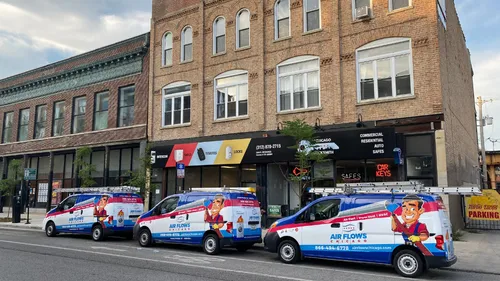
Air Flows Chicago - Belmont provides comprehensive HVAC, chimney, and indoor air quality services in Chicago, IL. They offer heating and cooling system installation, repair, and maintenance, including furnaces, boilers, air conditioners, ductless systems, and heat pumps. The company also specializes in chimney sweeping, inspection, and liner services, as well as dryer vent cleaning and repair. Their air duct cleaning and installation services help improve indoor air quality, supported by UV germicidal light installations, humidifiers, and air cleaners. Air Flows Chicago serves both residential and commercial clients and offers 24/7 emergency repair services to minimize downtime.
Air Source 1 Heating & Air Conditioning
8508 W 192nd St, Mokena, IL 60448
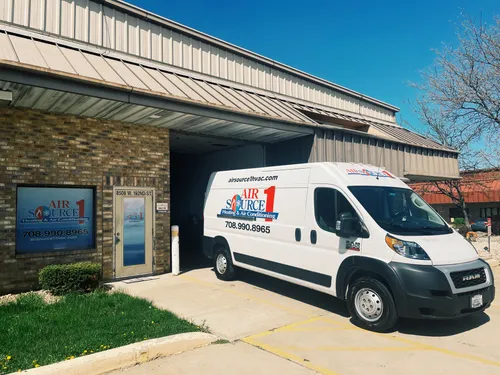
Air Source 1 Heating & Air Conditioning is a family-owned HVAC contractor based near Chicago, IL, serving Mokena and the surrounding South Chicagoland and Northwest Indiana areas. Since 2014, they have specialized in heating and cooling installation, repair, maintenance, indoor air quality services, and sheet metal fabrication. The company offers 24/7 emergency repair services and works with reputable brands like RUUD to provide quality HVAC systems tailored to customer needs. Owner Tim brings over 15 years of hands-on experience, ensuring skilled and dedicated service on every job.
Allied Air Conditioning & Heating Corp.
203 Peterson Rd, Libertyville, IL 60048
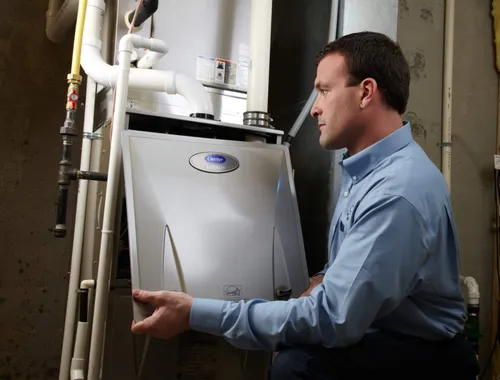
Allied Air Conditioning & Heating Corp. is a heating and cooling company serving Chicago, IL, and the surrounding Northwest Chicagoland area. With over 55 years of experience, they provide HVAC installation, repair, and maintenance services, including air conditioning, furnace, indoor air quality, and pool dehumidifier systems. Allied is an authorized Carrier dealer and offers 24/7 emergency service to address heating and cooling issues promptly. Their NATE-certified technicians focus on delivering reliable home comfort solutions and advanced HVAC products.

AAA Cleaning Services INC
1004 Westchester Cir, Schaumburg, IL 60193
AAA Cleaning Services INC provides residential and commercial air duct and dryer vent cleaning in Chicago, IL. The company focuses on improving indoor air quality by removing pollutants such as dust mites, pollen, mildew, and pet dander that can affect health and HVAC system performance. Their services help enhance air quality, prepare HVAC systems for seasonal changes, and improve system efficiency and lifespan. The team is knowledgeable and pet-friendly, offering support and information about indoor air quality and HVAC maintenance.
Why Chicago Homes Face Unique Air Quality Challenges
Chicago's distinct seasons and urban landscape create a perfect storm for indoor air pollution. The drive for energy efficiency has led to homes and buildings that are more tightly sealed than ever. While this saves on heating and cooling bills, it also prevents the natural exchange of indoor and outdoor air, allowing pollutants to accumulate to levels that can be two to five times higher than outdoor levels. In winter, furnaces run constantly and windows stay shut, concentrating contaminants. In summer, high humidity encourages biological growth. Furthermore, the city's industrial history, proximity to Lake Michigan, and dense network of highways contribute to a complex mix of outdoor pollutants that inevitably find their way inside.
Common Indoor Air Pollutants in Chicago
Understanding the specific threats is the first step toward cleaner air. Here are the most prevalent indoor air quality concerns for Chicago residents.
Mold and Moisture
Chicago's humidity, especially during the muggy summer months, provides an ideal breeding ground for mold and mildew. These fungi thrive in damp, poorly ventilated areas like basements (common in many Chicago-area homes), bathrooms, and around plumbing leaks. Mold releases spores and microbial volatile organic compounds (mVOCs) into the air, which can trigger allergic reactions, asthma attacks, and respiratory irritation. Controlling moisture through proper ventilation, dehumidification, and prompt repair of leaks is the cornerstone of mold prevention.
Radon Gas
Radon is an odorless, colorless, radioactive gas that seeps into homes from the underlying soil. It is the second leading cause of lung cancer in the United States and a significant concern in Illinois. The gas can enter any type of home-old or new-through cracks in the foundation, floor drains, sump pits, and gaps around utility lines. Testing for radon is crucial, as it is undetectable without specialized equipment 1.
Carbon Monoxide (CO)
Known as the "silent killer," carbon monoxide is produced whenever any fuel such as gas, oil, kerosene, wood, or charcoal is burned. In Chicago winters, when furnaces, water heaters, and stoves are in heavy use and homes are sealed, the risk of CO buildup increases. Proper maintenance of fuel-burning appliances and the mandatory installation of UL-approved carbon monoxide detectors on every level of your home are vital safety measures.
Dust, Allergens, and Particulate Matter
Chicago is famously windy, and those winds carry pollen, dust, and other allergens indoors, where they settle into carpets, upholstery, and your HVAC system. Furthermore, fine particulate matter (PM2.5) from vehicle exhaust on major highways like the Dan Ryan or Kennedy, as well as from industrial areas, can infiltrate homes. These tiny particles can penetrate deep into the lungs and exacerbate heart and lung conditions 2 3 4.
Volatile Organic Compounds (VOCs)
These are gases emitted from a wide array of household products and materials. In Chicago homes, common sources include paints and solvents, new furniture and cabinetry (especially pressed wood), cleaning and disinfecting supplies, air fresheners, and even dry-cleaned clothing. VOCs can cause short-term effects like headaches and nausea, and some are linked to long-term health risks 5.
How to Test Your Indoor Air Quality
You can't manage what you don't measure. Determining the specific pollutants in your home involves assessment, which ranges from DIY approaches to professional evaluation.
Professional IAQ Assessment
For a comprehensive analysis, especially if occupants are experiencing unexplained health symptoms or as part of a real estate transaction, hiring a certified indoor air quality professional is recommended. Companies like Indoor Science or Clean Air Sciences, Inc. use advanced equipment to take air and surface samples for specific contaminants like mold spores, VOCs, or formaldehyde, which are then analyzed in a laboratory. This provides the most accurate picture of your air quality issues 6.
DIY Test Kits
For a more affordable, targeted check, single-contaminant test kits are available at hardware stores or online. These are popular for radon or mold testing. You typically collect a sample and mail it to a lab for analysis. While convenient, their accuracy can be lower than professional testing, and they only provide a snapshot of a single pollutant 7 8.
Continuous Monitoring Devices
Homeowners can install various monitors for ongoing awareness. These include standalone radon monitors, carbon monoxide detectors (which are required by law in Illinois), and newer smart air quality monitors that track PM2.5, VOCs, humidity, and temperature. These devices provide real-time data and alerts but usually do not offer the diagnostic depth of a professional assessment 9.
Find the perfect indoor air quality service providers for your needs
Get personalized recommendations and expert advice
Solutions for Cleaner Indoor Air in Chicago
Once you've identified the problems, a range of solutions can significantly improve your home's environment. Costs vary based on the home's size, the severity of the issue, and the technology chosen 10.
Source Control and Ventilation
The most effective strategy is to remove or reduce the sources of pollution. This includes using low-VOC paints, ensuring gas appliances are properly vented and maintained, and fixing water leaks promptly. Complementing this is mechanical ventilation. Installing a fresh air intake system, such as an Energy Recovery Ventilator (ERV) or Heat Recovery Ventilator (HRV), systematically exchanges stale indoor air with filtered outdoor air while conserving energy. Installation of such systems can range from $2,000 to $5,000.
Air Cleaning and Filtration
For pollutants that are airborne, filtration is key.
- HVAC Air Filters: Upgrading the filter in your central furnace to a higher MERV rating (like MERV 13) can capture more dust, pollen, and particles.
- Whole-Home Air Purifiers: These systems, such as those from Aprilaire, are integrated directly into your ductwork and use electronic or media filtration to clean all the air that passes through your HVAC system. Installation for a whole-home air cleaner can be around $1,500 or more.
- Portable Air Purifiers: Effective for single rooms, these are a good solution for bedrooms or home offices.
Humidity Control
Managing moisture is critical in Chicago.
- Dehumidifiers: For damp basements and general summer humidity, a whole-home dehumidifier integrated with your HVAC system can provide comprehensive control, with installation costs typically between $3,000 and $4,300.
- Humidifiers: Conversely, Chicago's dry winter air can cause discomfort and damage to wood furnishings. A whole-home humidifier adds necessary moisture to the air and can cost around $595 installed 11.
Specialized Mitigation Systems
- Radon Mitigation: If high radon levels are detected, a professional will install a radon mitigation system, which uses a vent pipe and fan to draw the gas from beneath the home and exhaust it safely above the roofline. This professional installation typically costs between $800 and $1,300.
- Mold Remediation: For active mold growth, professional remediation is necessary. Specialists will contain the area, remove contaminated materials, and clean surfaces. The average cost for professional mold removal in Chicago ranges from $1,200 to $3,800, depending on the extent.
Maintenance Services
Regular HVAC and home maintenance supports good IAQ.
- Air Duct Cleaning: Over time, dust, debris, and even mold can accumulate in your home's ductwork. Professional duct cleaning services are available, with some local providers offering maintenance cleaning for around $90 12.
- HVAC Tune-Ups: Annual servicing of your furnace and air conditioner ensures they are operating efficiently and not contributing to pollution through combustion issues or moisture problems.
Frequently asked questions
Sources
Footnotes
-
IDPH Guidelines for Indoor Air Quality - Illinois.gov - https://dph.illinois.gov/topics-services/environmental-health-protection/toxicology/indoor-air-quality-healthy-homes/idph-guidelines-indoor-air-quality.html ↩
-
Environmental Health Issues - https://www.thecha.org/resident-services/resources-families-and-seniors/healthy-homes/environmental-health-issues ↩
-
Air Quality Chicago - ELPC - https://elpc.org/wp-content/uploads/2023/03/Air-Quality-Monitoring-Report_4-2024.pdf ↩
-
Air Quality and Health - City of Chicago - https://www.chicago.gov/city/en/depts/cdph/provdrs/environmental_health/svcs/air-quality-and-health.html ↩
-
Indoor Air Quality and Your Health: Why It Matters in Chicago - https://www.myheroair.com/indoor-air-quality-and-your-health-why-it-matters-in-chicago/ ↩
-
How Much Does Indoor Air Quality Testing Cost? [2026 Data] - https://www.angi.com/articles/how-much-does-indoor-air-quality-testing-cost.htm ↩
-
How To Test Your Indoor Air Quality: Tips, Kits & Costs - How To Test Your Indoor Air Quality: Tips, Kits & Costs - https://filterbuy.com/resources/health-and-wellness/how-to-test-your-indoor-air-quality-tips-kits-costs/ ↩
-
How to Test for Indoor Air Quality - https://www.grainger.com/know-how/operations/facility/kh-how-to-test-for-iaq ↩
-
Indoor Air Quality Services Chicago IL - Safe Heating & Cooling, Inc. - https://www.safeheatingandcooling.com/indoor-air-quality ↩
-
How Much Does Professional Home Indoor Air Quality Testing Cost? - https://www.airpf.com/how-much-does-a-home-indoor-air-quality-testing-cost/ ↩
-
Aprilaire Indoor Air Quality Products | Air Purifiers | Humidifiers - https://polarheatingandair.com/index.php/indoor-air-quality-humidifiers-air-purifiers-chicago/ ↩
-
How Much Do Indoor Air Quality Systems Cost? - https://www.callmattioni.com/blog/t-indoor-air-quality-systems-cost/ ↩