Find the Best Indoor Air Quality Service Providers for Your Business
No obligation • Fast responses • Nationwide coverage

Why you can trust HVAC Firms
HVAC Firms is a leading United States resource for evaluating HVAC service providers. Our team researches companies, checks credentials, and reviews customer feedback to present clear, unbiased information. Listings and rankings are based on merit, and companies cannot pay to change our editorial content.
Search providers near you
Top Indoor Air Quality Service Providers in Palatine, Illinois Ranked
The air you breathe inside your Palatine home or business has a direct impact on your health, comfort, and productivity. Indoor air quality (IAQ) refers to the condition of the air within and around buildings, particularly as it relates to the health and well-being of occupants. In our region, common pollutants like radon, mold, and seasonal allergens can accumulate, especially when ventilation is inadequate. This resource connects you with local expertise to identify, test for, and resolve the specific air quality challenges you face, helping you create a cleaner, healthier indoor environment.
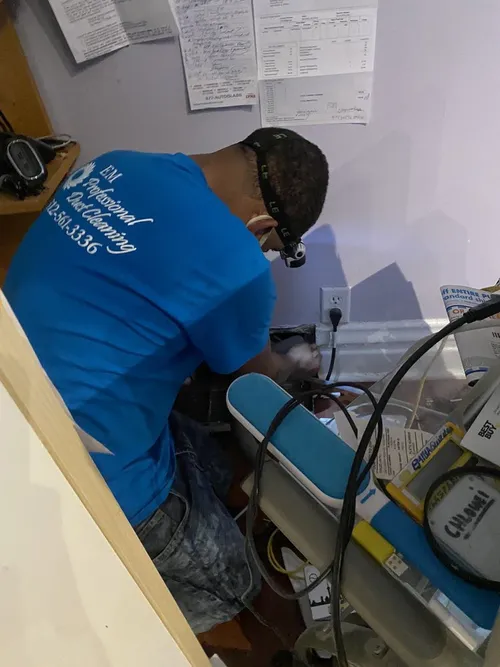
EM Duct Cleaning Chicago
6124 N Milwaukee Ave #3, Chicago, IL 60646
EM Duct Cleaning Chicago is a local company providing professional air duct cleaning and indoor air quality services in Chicago, IL. They serve homes and small to medium-sized commercial properties, focusing on removing dust, dirt, mold, and allergens from HVAC systems and ductwork to improve air quality and system efficiency. Their services include air duct cleaning, dryer vent cleaning, chimney cleaning, UV light installation, mold removal, odor elimination, and filter replacement. With over eight years in the cleaning industry, EM Duct Cleaning uses EPA-approved, environmentally friendly solutions and state-of-the-art equipment to ensure thorough cleaning and sanitization. The company is fully licensed and insured and offers free HVAC inspections with every job.
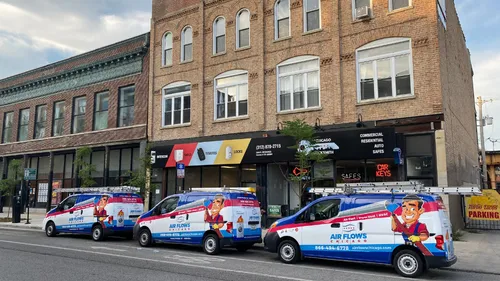
Air Flows Chicago - Belmont
3019 W Belmont Ave, Chicago, IL 60618
Air Flows Chicago - Belmont provides comprehensive HVAC, chimney, and indoor air quality services in Chicago, IL. They offer heating and cooling system installation, repair, and maintenance, including furnaces, boilers, air conditioners, ductless systems, and heat pumps. The company also specializes in chimney sweeping, inspection, and liner services, as well as dryer vent cleaning and repair. Their air duct cleaning and installation services help improve indoor air quality, supported by UV germicidal light installations, humidifiers, and air cleaners. Air Flows Chicago serves both residential and commercial clients and offers 24/7 emergency repair services to minimize downtime.
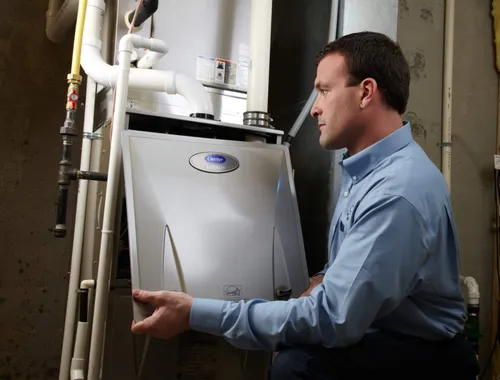
Allied Air Conditioning & Heating Corp.
203 Peterson Rd, Libertyville, IL 60048
Allied Air Conditioning & Heating Corp. is a heating and cooling company serving Chicago, IL, and the surrounding Northwest Chicagoland area. With over 55 years of experience, they provide HVAC installation, repair, and maintenance services, including air conditioning, furnace, indoor air quality, and pool dehumidifier systems. Allied is an authorized Carrier dealer and offers 24/7 emergency service to address heating and cooling issues promptly. Their NATE-certified technicians focus on delivering reliable home comfort solutions and advanced HVAC products.

AAA Cleaning Services INC
1004 Westchester Cir, Schaumburg, IL 60193
AAA Cleaning Services INC provides residential and commercial air duct and dryer vent cleaning in Chicago, IL. The company focuses on improving indoor air quality by removing pollutants such as dust mites, pollen, mildew, and pet dander that can affect health and HVAC system performance. Their services help enhance air quality, prepare HVAC systems for seasonal changes, and improve system efficiency and lifespan. The team is knowledgeable and pet-friendly, offering support and information about indoor air quality and HVAC maintenance.
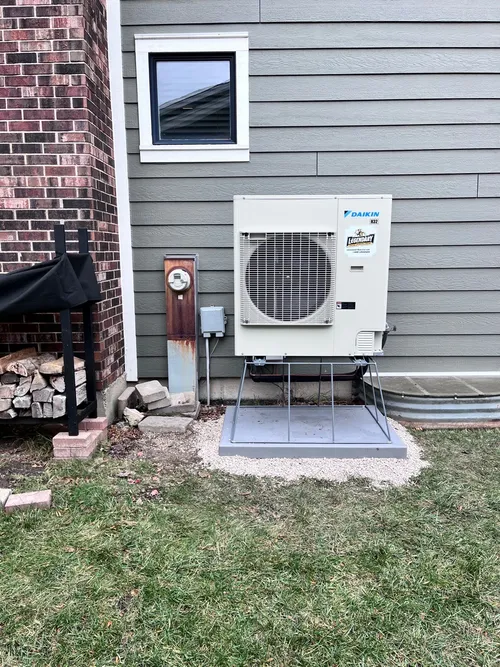
Legendary Service
960 Rand Rd Suite 200F, Des Plaines, IL 60016
Legendary Service is a home comfort provider based in Chicago, IL, offering heating, cooling, plumbing, and indoor air quality services. They handle AC and furnace installation, repair, and maintenance, along with plumbing and drain cleaning. With over 40 years of combined experience, Legendary Service provides comprehensive HVAC and plumbing solutions including indoor air quality improvements to help maintain a healthy home environment. Their team is skilled in diagnosing and resolving issues efficiently, supported by a maintenance agreement program for ongoing care.
Understanding Palatine's Indoor Air Quality Challenges
Living in Illinois presents unique environmental factors that affect the air inside our structures. The state's geology, climate, and seasonal shifts all contribute to specific indoor air pollution concerns. The primary culprits often stem from inadequate ventilation, which allows contaminants to build up to problematic levels 1 2 3. Being aware of these common issues is the first step toward addressing them.
Radon: A Silent, Local Threat
The soil and bedrock beneath Illinois naturally contain uranium, which decays and releases colorless, odorless radon gas. This radioactive gas is the second leading cause of lung cancer in the United States and is a significant concern for every home and office in the state. Because it seeps through foundation cracks and gaps, no building is immune, making testing a critical safety step for Palatine residents.
Mold and Moisture
Illinois' climate, with its humid summers and fluctuating temperatures, creates ideal conditions for moisture problems. Damp basements, condensation around windows, and past water damage in bathrooms or kitchens can lead to mold growth. Mold spores degrade indoor air and can trigger allergic reactions, asthma attacks, and other respiratory issues 4.
Volatile Organic Compounds (VOCs)
Many everyday products release organic vapors into your air. Paints, varnishes, cleaning supplies, air fresheners, and even new furniture or carpeting can "off-gas" VOCs. Exposure can lead to immediate symptoms like headaches, dizziness, and irritation of the eyes, nose, and throat 5 6.
Particulate Matter and Allergens
Fine particles (PM2.5) come from cooking, burning candles, using fireplaces, and outdoor pollution that infiltrates indoors. Combined with perennial allergens like dust mites, pet dander, and pollen, these particles are a major trigger for allergy and asthma sufferers 7.
Combustion Gases: CO and CO2
Faulty or poorly vented fuel-burning appliances-such as furnaces, water heaters, and gas stoves-can release carbon monoxide (CO), a deadly gas. Illinois law requires CO alarms within 15 feet of every sleeping area for this reason. Carbon dioxide (CO2) levels, meanwhile, are a key indicator of ventilation; high CO2 concentrations often mean there isn't enough fresh air circulating, which can cause drowsiness and poor concentration.
How to Assess Your Indoor Air
Before investing in solutions, it's wise to understand what you're dealing with. Assessment methods range from simple DIY checks to comprehensive professional evaluations.
Professional IAQ Assessment: For a thorough investigation, the Illinois Department of Public Health (IDPH) recommends a professional walk-through by a certified consultant 8 9. These experts use advanced instruments to measure pollutant levels, identify hidden moisture sources, and evaluate ventilation rates to pinpoint the root causes of air quality problems.
DIY Testing Kits: Homeowners can start with inexpensive test kits for specific pollutants like radon. These are readily available and can provide an initial snapshot. However, if a DIY test indicates elevated levels, it is essential to follow up with a professional for confirmation and to discuss remediation options 10. The Illinois Emergency Management Agency offers guidance on test kits and maintains a list of certified radon professionals.
Targeted Monitoring: Sometimes, monitoring a single parameter is the right approach. Using a CO2 monitor can help you understand if your home's ventilation is sufficient (levels should ideally stay below 1,000 ppm). Similarly, using a hygrometer to track indoor humidity (aim for 30-50%) can help you prevent mold growth 11.
Find the perfect indoor air quality service providers for your needs
Get personalized recommendations and expert advice
Solutions for Healthier Indoor Air in Your Home
Improving your home's air typically involves a two-pronged strategy: controlling pollutant sources and enhancing ventilation and filtration. Here are the most common and effective measures available.
Source Control and Removal
The most effective way to improve air quality is to eliminate the problem at its source.
- Fix Moisture Issues: Repair leaks, improve drainage around your foundation, and use dehumidifiers in damp spaces like basements to stop mold at its source.
- Choose Low-VOC Products: Opt for paints, adhesives, and cleaning supplies labeled as low-VOC when renovating or cleaning.
- Maintain Combustion Appliances: Have your furnace, water heater, and any gas-fired appliances inspected annually by a qualified technician to ensure they are venting properly and not leaking CO.
Ventilation Improvements
Bringing in fresh, outdoor air is crucial for diluting indoor pollutants.
- Energy Recovery Ventilators (ERVs): These whole-house systems efficiently exchange stale indoor air for fresh outdoor air while recovering energy to minimize heating and cooling costs. They are highly effective in tightly sealed, modern homes.
- Fresh Air Intakes: Integrating a dedicated fresh air duct with your existing HVAC system can significantly improve air exchange rates.
Air Cleaning and Filtration
When source control and ventilation aren't enough, cleaning the air is the next line of defense.
- Upgraded HVAC Filters: Switch to a high-efficiency particulate air (HEPA) filter or a high-MERV-rated filter for your furnace and air conditioner to capture finer particles.
- Whole-Home Air Purifiers: These systems are installed directly into your HVAC ductwork, providing powerful, centralized air cleaning for the entire house.
- Portable Air Purifiers: Effective for single rooms, portable units with HEPA and activated carbon filters can reduce allergens, smoke, and some VOCs.
Specialized Remediation
Some pollutants require targeted, professional intervention.
- Radon Mitigation Systems: If testing confirms high radon levels, a mitigation system is essential. These systems typically use a vent pipe and fan to draw radon gas from beneath the foundation and exhaust it safely above the roofline.
- Professional Mold Remediation: For mold growth beyond a small, contained area, professional remediation is necessary to safely remove the mold and fix the underlying moisture problem.
Understanding the Investment in Clean Air
The cost of addressing indoor air quality varies widely based on the specific issue, the size of your home, and the solutions chosen. Here is a general overview of potential investments based on current data 12 13:
| Improvement Measure | Example Pricing (Installed) |
|---|---|
| Professional Air Quality Testing | $250 - $550+ for general assessment; specific tests (e.g., mold, radon, VOCs) range from $100 - $1,000+ per pollutant |
| Radon Mitigation System | $700 - $1,200+ |
| Whole-Home Air Purifiers | $1,500+ |
| Fresh Air Intake/Ventilation Systems (ERVs) | $2,000 - $5,000 |
| Whole-Home Dehumidifiers | $3,000 - $4,300 |
Remember, the most effective and lasting approach often involves a combination of strategies tailored to your home's specific needs 14 15 16.
Frequently asked questions
Sources
Footnotes
-
Indoor Air Quality | US EPA - https://www.epa.gov/air-quality/indoor-air-quality ↩
-
Professional HVAC Air Duct Cleaning Services in Palatine, IL - https://www.aireserv.com/palatine/services/other-services/duct-cleaning/ ↩
-
Mold Inspection & Testing Palatine Illinois - https://moldinspectionandtest.com/palatine-il ↩
-
The Connection Between Mold and Indoor Air Quality - https://illinoiseca.org/the-connection-between-mold-and-indoor-air-quality-what-illinois-businesses-need-to-know/ ↩
-
Volatile Organic Compounds' Impact on Indoor Air Quality | US EPA - https://www.epa.gov/indoor-air-quality-iaq/volatile-organic-compounds-impact-indoor-air-quality ↩
-
Common Indoor Air Pollution Sources & How To Fix Them - https://midwesthvacpro.com/common-sources-of-indoor-air-pollution-in-wisconsin-homes-and-how-to-fix-them/ ↩
-
Air quality alerts issued across Illinois; how safe is indoors? - https://www.chicagotribune.com/2025/07/31/air-quality-alert-chicago/ ↩
-
IDPH Guidelines for Indoor Air Quality - Illinois.gov - https://dph.illinois.gov/topics-services/environmental-health-protection/toxicology/indoor-air-quality-healthy-homes/idph-guidelines-indoor-air-quality.html ↩
-
IDPH Guidelines for Indoor Air Quality - Illinois.gov - https://dph.illinois.gov/topics-services/environmental-health-protection/toxicology/indoor-air-quality-healthy-homes/idph-guidelines-indoor-air-quality.html ↩
-
IDPH Guidelines for Indoor Air Quality - Illinois.gov - https://dph.illinois.gov/topics-services/environmental-health-protection/toxicology/indoor-air-quality-healthy-homes/idph-guidelines-indoor-air-quality.html ↩
-
Mold Testing in Chicago | Indoor Air Quality ... - https://indoorscience.com/city/chicago-testing/ ↩
-
How Much Does Indoor Air Quality Testing Cost? [2026 Data] - https://www.angi.com/articles/how-much-does-indoor-air-quality-testing-cost.htm ↩
-
How Much Do Indoor Air Quality Systems Cost? - https://www.callmattioni.com/blog/t-indoor-air-quality-systems-cost/ ↩
-
Air Quality in the Home - Illinois Department of Public Health - https://www.idph.state.il.us/envhealth/factsheets/airquality.htm ↩
-
IDPH Guidelines for Indoor Air Quality - https://dph.illinois.gov/topics-services/environmental-health-protection/toxicology/indoor-air-quality-healthy-homes/idph-guidelines-indoor-air-quality.html ↩
-
Do You Suspect Your Office Has an Indoor Air Problem? | US EPA - https://www.epa.gov/indoor-air-quality-iaq/do-you-suspect-your-office-has-indoor-air-problem ↩