Find the Best Indoor Air Quality Service Providers for Your Business
No obligation • Fast responses • Nationwide coverage

Why you can trust HVAC Firms
HVAC Firms is a leading United States resource for evaluating HVAC service providers. Our team researches companies, checks credentials, and reviews customer feedback to present clear, unbiased information. Listings and rankings are based on merit, and companies cannot pay to change our editorial content.
Search providers near you
Top Indoor Air Quality Service Providers in Glenview, Illinois Ranked
The quality of the air inside your Glenview home or office directly impacts your comfort, health, and well-being. Indoor air quality (IAQ) services focus on identifying and mitigating pollutants-from mold and radon to volatile chemicals and allergens-that can accumulate in our living and working spaces. In a climate with fluctuating seasons, managing these factors is crucial. This guide will help you understand common local IAQ concerns, how to test your air, and the solutions available to create a cleaner, healthier indoor environment.
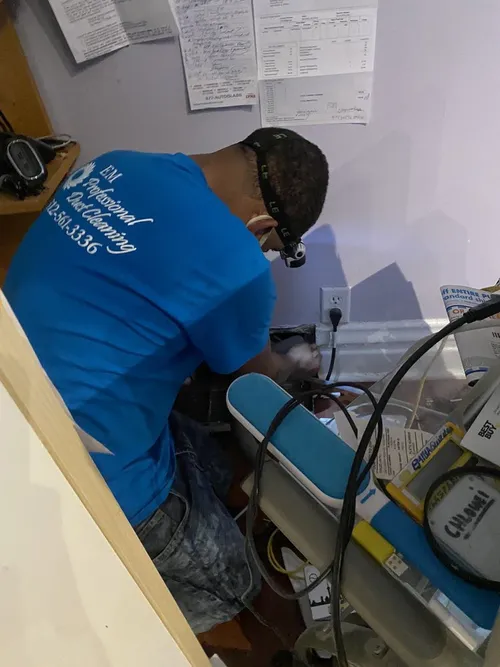
EM Duct Cleaning Chicago
6124 N Milwaukee Ave #3, Chicago, IL 60646
EM Duct Cleaning Chicago is a local company providing professional air duct cleaning and indoor air quality services in Chicago, IL. They serve homes and small to medium-sized commercial properties, focusing on removing dust, dirt, mold, and allergens from HVAC systems and ductwork to improve air quality and system efficiency. Their services include air duct cleaning, dryer vent cleaning, chimney cleaning, UV light installation, mold removal, odor elimination, and filter replacement. With over eight years in the cleaning industry, EM Duct Cleaning uses EPA-approved, environmentally friendly solutions and state-of-the-art equipment to ensure thorough cleaning and sanitization. The company is fully licensed and insured and offers free HVAC inspections with every job.
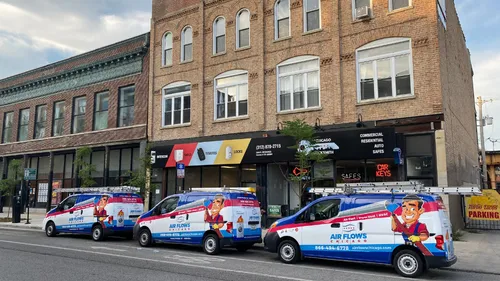
Air Flows Chicago - Belmont
3019 W Belmont Ave, Chicago, IL 60618
Air Flows Chicago - Belmont provides comprehensive HVAC, chimney, and indoor air quality services in Chicago, IL. They offer heating and cooling system installation, repair, and maintenance, including furnaces, boilers, air conditioners, ductless systems, and heat pumps. The company also specializes in chimney sweeping, inspection, and liner services, as well as dryer vent cleaning and repair. Their air duct cleaning and installation services help improve indoor air quality, supported by UV germicidal light installations, humidifiers, and air cleaners. Air Flows Chicago serves both residential and commercial clients and offers 24/7 emergency repair services to minimize downtime.
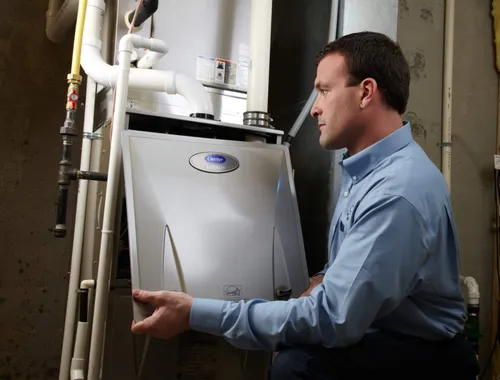
Allied Air Conditioning & Heating Corp.
203 Peterson Rd, Libertyville, IL 60048
Allied Air Conditioning & Heating Corp. is a heating and cooling company serving Chicago, IL, and the surrounding Northwest Chicagoland area. With over 55 years of experience, they provide HVAC installation, repair, and maintenance services, including air conditioning, furnace, indoor air quality, and pool dehumidifier systems. Allied is an authorized Carrier dealer and offers 24/7 emergency service to address heating and cooling issues promptly. Their NATE-certified technicians focus on delivering reliable home comfort solutions and advanced HVAC products.

AAA Cleaning Services INC
1004 Westchester Cir, Schaumburg, IL 60193
AAA Cleaning Services INC provides residential and commercial air duct and dryer vent cleaning in Chicago, IL. The company focuses on improving indoor air quality by removing pollutants such as dust mites, pollen, mildew, and pet dander that can affect health and HVAC system performance. Their services help enhance air quality, prepare HVAC systems for seasonal changes, and improve system efficiency and lifespan. The team is knowledgeable and pet-friendly, offering support and information about indoor air quality and HVAC maintenance.
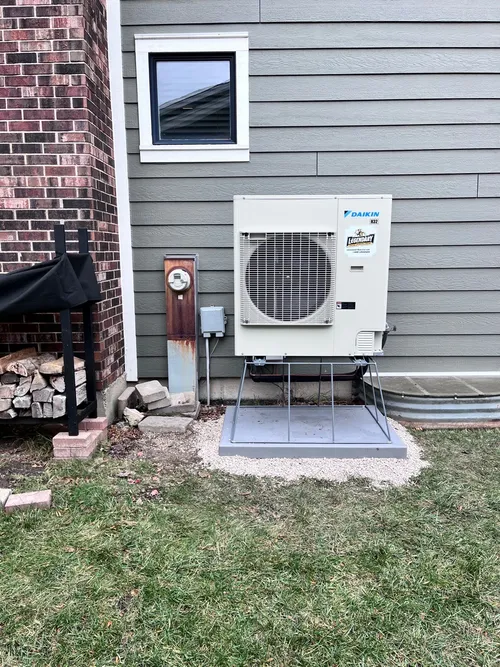
Legendary Service
960 Rand Rd Suite 200F, Des Plaines, IL 60016
Legendary Service is a home comfort provider based in Chicago, IL, offering heating, cooling, plumbing, and indoor air quality services. They handle AC and furnace installation, repair, and maintenance, along with plumbing and drain cleaning. With over 40 years of combined experience, Legendary Service provides comprehensive HVAC and plumbing solutions including indoor air quality improvements to help maintain a healthy home environment. Their team is skilled in diagnosing and resolving issues efficiently, supported by a maintenance agreement program for ongoing care.
Understanding Glenview's Indoor Air Challenges
Living in Illinois means experiencing a full range of weather, from humid summers to cold winters. This climate directly influences the air quality inside Glenview buildings. Modern, energy-efficient construction creates "tight" seals that are great for reducing energy bills but can trap pollutants indoors if not properly managed with mechanical ventilation, a key consideration under the Illinois Energy Conservation Code. The primary goal of any air quality improvement plan is to control sources of pollution, ensure adequate fresh air exchange, and manage moisture-the root cause of many issues 1.
Common Pollutants in Local Homes and Businesses
Residents and business owners in Glenview should be aware of several specific indoor air contaminants:
- Moisture and Mold: Fluctuating humidity, particularly during hot summers and in often-damp basements, creates an ideal breeding ground for mold and mildew. Mold spores can trigger allergic reactions and asthma symptoms.
- Radon: This naturally occurring, radioactive gas is a significant health hazard and seeps from the soil into buildings through cracks in the foundation. Testing for radon is recommended for all Illinois homes.
- Chemical Pollutants (VOCs): Off-gassing from new construction materials, furniture, cabinetry, cleaning products, and paints can release volatile organic compounds (VOCs) and formaldehyde into your indoor air 2.
- Combustion Byproducts: Appliances like gas stoves, furnaces, and fireplaces can release carbon monoxide (CO), nitrogen dioxide, and particulate matter if they are not properly adjusted, maintained, or vented 3.
- Biological Contaminants: In addition to mold, dust mites, pet dander, pollen, and bacteria can accumulate, especially in carpeting, upholstery, and poorly maintained HVAC systems, exacerbating allergies and respiratory conditions 4 5.
Recognizing the Signs of Poor Air Quality
Often, your senses and health are the first indicators of an indoor air problem. Be alert to:
- Persistent Odors: Musty, stuffy, or chemical smells that don't dissipate.
- Health Symptoms: Unexplained headaches, fatigue, dizziness, nausea, or irritation of the eyes, nose, and throat. Worsening allergy or asthma symptoms while indoors are a major red flag 6.
- Visible Signs: Condensation on windows, water stains on walls or ceilings, or visible mold growth.
- Environmental Clues: Excessive dust accumulation shortly after cleaning or a general feeling of stuffiness.
Testing Your Indoor Air: DIY vs. Professional
If you suspect an issue, the next step is assessment. You have two main paths: do-it-yourself kits or hiring a certified professional.
DIY Monitoring Kits Basic test kits for specific contaminants like radon or mold are available at hardware stores or online, typically ranging from $15 to $150+. These can be a low-cost initial screening tool. However, they require meticulous sample collection according to instructions and often involve sending samples to a lab for analysis. Their accuracy can vary, and they usually only test for one type of pollutant 7.
Professional IAQ Testing and Inspection For a comprehensive, reliable diagnosis, hiring a certified professional is highly recommended. They use specialized equipment and follow rigorous protocols to provide a complete picture of your air quality. A professional service typically includes:
- Initial Consultation and Visual Inspection: The technician will discuss your concerns and conduct a thorough walk-through, looking for sources of moisture, ventilation issues, and potential pollutant pathways.
- Targeted Air Sampling: Using calibrated equipment, they will take air samples for specific suspected contaminants, which are then sent to an accredited laboratory for analysis 8.
- Detailed Report and Action Plan: You receive a report interpreting the lab results, identifying pollutant levels, and providing clear recommendations for remediation or improvement 9 10.
Find the perfect indoor air quality service providers for your needs
Get personalized recommendations and expert advice
Solutions and Improvement Strategies
Once pollutants are identified, a range of solutions exists to clean your air. The most effective strategy always starts with source control-removing or sealing off the origin of the pollution whenever possible.
Common Remediation and Improvement Services
Improvement costs vary significantly based on the contaminant and the scope of work required. Here are some common services for Glenview properties:
| Improvement/Remediation Service | Typical Scope & Cost Range |
|---|---|
| Professional Mold Removal | Involves containment, removal of contaminated materials, and cleaning of affected areas. Average costs range from $1,200 to $3,800 or more, depending on the extent of growth. |
| Radon Mitigation System | A system of pipes and fans (sub-slab depressurization) that vents radon gas from beneath the foundation to the outside. Installation in Glenview typically costs between $800 and $1,300. |
| Asbestos Abatement | Required for safe removal of asbestos-containing materials during renovations. Professional removal costs generally range from $1,190 to $3,260+ 11. |
| HVAC System Maintenance & Upgrades | Regular maintenance (cleaning coils, changing filters) is crucial. Upgrades like installing high-efficiency particulate air (HEPA) filters, UV-C lights to kill biological contaminants, or integrating energy recovery ventilators (ERVs) to bring in fresh air can dramatically improve IAQ. Costs vary widely by system. |
| Ventilation & Dehumidification | Installing dedicated dehumidifiers for damp basements or whole-house ventilation systems (like HRVs or ERVs) addresses core moisture and stale air problems, preventing many issues before they start 12. |
Proactive Measures for Healthier Air
Beyond remediation, you can take daily steps to maintain good indoor air quality:
- Control Humidity: Use dehumidifiers in basements and during summer months to keep relative humidity between 30-50% 13.
- Increase Ventilation: Open windows when weather and outdoor air quality permit. Use exhaust fans in kitchens and bathrooms.
- Maintain Your HVAC System: Change furnace and air conditioner filters regularly (every 1-3 months). Schedule annual professional maintenance to ensure the system is clean and operating efficiently.
- Choose Low-VOC Products: Opt for paints, cleaners, and building materials labeled as low-VOC when renovating or furnishing your home.
- Use Carbon Monoxide Detectors: Install CO detectors on every level of your home, especially near sleeping areas, and test them monthly.
For detailed guidelines on creating a healthy indoor environment, you can refer to resources provided by the Illinois Department of Public Health 14.
Frequently asked questions
Sources
Footnotes
-
Indoor Air Pollutants - AAP - https://www.aap.org/en/patient-care/environmental-health/promoting-healthy-environments-for-children/indoor-air-pollutants/ ↩
-
The Inside Story: A Guide to Indoor Air Quality | CPSC.gov - https://www.cpsc.gov/Safety-Education/Safety-Guides/Home/The-Inside-Story-A-Guide-to-Indoor-Air-Quality ↩
-
The Inside Story: A Guide to Indoor Air Quality | CPSC.gov - https://www.cpsc.gov/Safety-Education/Safety-Guides/Home/The-Inside-Story-A-Guide-to-Indoor-Air-Quality ↩
-
Indoor Air Quality | US EPA - https://www.epa.gov/air-quality/indoor-air-quality ↩
-
An Office Building Occupant's Guide to Indoor Air Quality | US EPA - https://www.epa.gov/indoor-air-quality-iaq/office-building-occupants-guide-indoor-air-quality ↩
-
Indoor Air Quality Services Glenview IL - Effective Air - https://www.effectiveair.com/indoor-air-quality ↩
-
How Much Does Indoor Air Quality Testing Cost? [2026 Data] - https://www.angi.com/articles/how-much-does-indoor-air-quality-testing-cost.htm ↩
-
Air Quality Testing Glenview IL | Effective Air - https://www.effectiveair.com/air-quality-testing ↩
-
Why Indoor Air Quality Testing is Essential for a Healthier Home - Discover the Benefits Today - https://filterbuy.com/resources/how-to-guides-and-hvac-maintenance/indoor-air-quality-testing/ ↩
-
Indoor Air Quality and Indoor Air Pollution - https://allergyasthmanetwork.org/indoor-air-quality/ ↩
-
How Much Does Indoor Air Quality Testing Cost? [2025 Data] - https://www.homeadvisor.com/cost/environmental-safety/test-indoor-air-quality/ ↩
-
Energy Smart Tips - University of Illinois - https://smartenergy.illinois.edu/wp-content/uploads/2020/01/EST_IAQ.pdf ↩
-
The Connection Between Mold and Indoor Air Quality - https://illinoiseca.org/the-connection-between-mold-and-indoor-air-quality-what-illinois-businesses-need-to-know/ ↩
-
IDPH Guidelines for Indoor Air Quality - Illinois.gov - https://dph.illinois.gov/topics-services/environmental-health-protection/toxicology/indoor-air-quality-healthy-homes/idph-guidelines-indoor-air-quality.html ↩