
Find the Best Indoor Air Quality Service Providers for Your Business
No obligation • Fast responses • Nationwide coverage

Why you can trust HVAC Firms
HVAC Firms is a leading United States resource for evaluating HVAC service providers. Our team researches companies, checks credentials, and reviews customer feedback to present clear, unbiased information. Listings and rankings are based on merit, and companies cannot pay to change our editorial content.
Search providers near you
Top Indoor Air Quality Service Providers in Elgin, Illinois Ranked
The air inside your Elgin home or business directly impacts your comfort, health, and well-being. Indoor Air Quality (IAQ) refers to the condition of the air within and around buildings, particularly as it relates to the presence of pollutants and the health of occupants. In a climate like Illinois', where residents spend significant time indoors, managing IAQ is crucial for mitigating allergies, preventing long-term health issues, and creating a more pleasant living environment. This resource helps you understand common local air quality concerns, available testing methods, and effective improvement strategies to find the right solutions for your space.
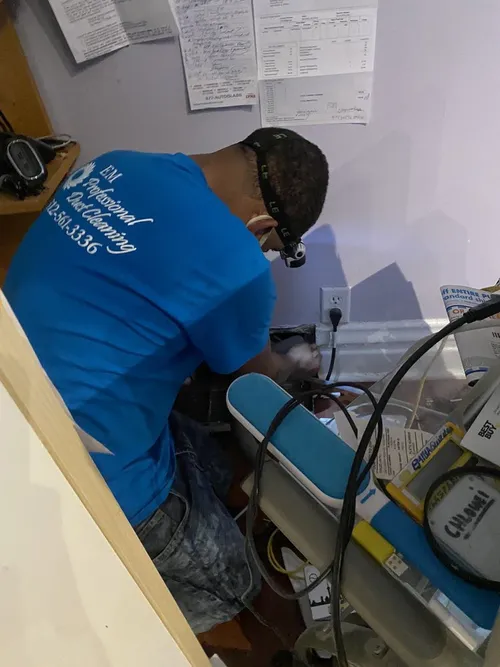
EM Duct Cleaning Chicago
6124 N Milwaukee Ave #3, Chicago, IL 60646
EM Duct Cleaning Chicago is a local company providing professional air duct cleaning and indoor air quality services in Chicago, IL. They serve homes and small to medium-sized commercial properties, focusing on removing dust, dirt, mold, and allergens from HVAC systems and ductwork to improve air quality and system efficiency. Their services include air duct cleaning, dryer vent cleaning, chimney cleaning, UV light installation, mold removal, odor elimination, and filter replacement. With over eight years in the cleaning industry, EM Duct Cleaning uses EPA-approved, environmentally friendly solutions and state-of-the-art equipment to ensure thorough cleaning and sanitization. The company is fully licensed and insured and offers free HVAC inspections with every job.
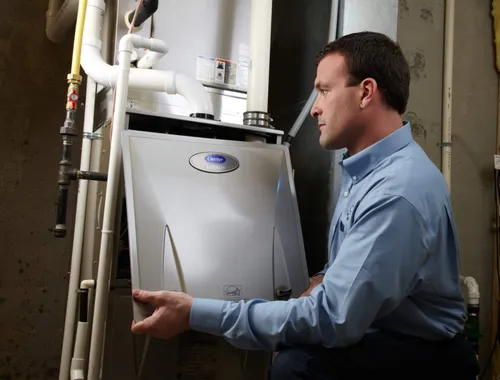
Allied Air Conditioning & Heating Corp.
203 Peterson Rd, Libertyville, IL 60048
Allied Air Conditioning & Heating Corp. is a heating and cooling company serving Chicago, IL, and the surrounding Northwest Chicagoland area. With over 55 years of experience, they provide HVAC installation, repair, and maintenance services, including air conditioning, furnace, indoor air quality, and pool dehumidifier systems. Allied is an authorized Carrier dealer and offers 24/7 emergency service to address heating and cooling issues promptly. Their NATE-certified technicians focus on delivering reliable home comfort solutions and advanced HVAC products.

AAA Cleaning Services INC
1004 Westchester Cir, Schaumburg, IL 60193
AAA Cleaning Services INC provides residential and commercial air duct and dryer vent cleaning in Chicago, IL. The company focuses on improving indoor air quality by removing pollutants such as dust mites, pollen, mildew, and pet dander that can affect health and HVAC system performance. Their services help enhance air quality, prepare HVAC systems for seasonal changes, and improve system efficiency and lifespan. The team is knowledgeable and pet-friendly, offering support and information about indoor air quality and HVAC maintenance.
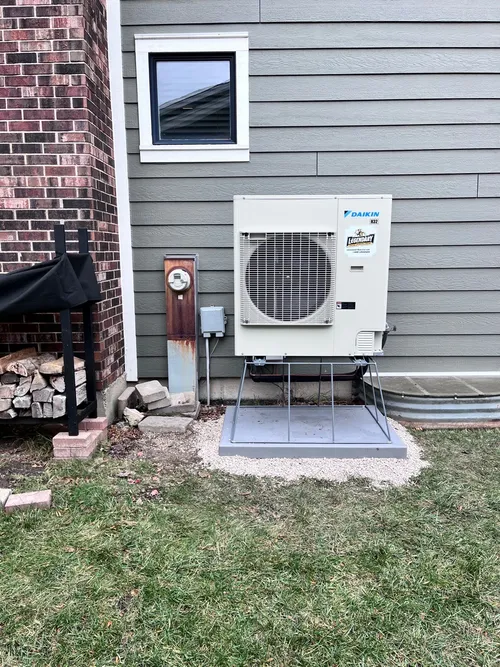
Legendary Service
960 Rand Rd Suite 200F, Des Plaines, IL 60016
Legendary Service is a home comfort provider based in Chicago, IL, offering heating, cooling, plumbing, and indoor air quality services. They handle AC and furnace installation, repair, and maintenance, along with plumbing and drain cleaning. With over 40 years of combined experience, Legendary Service provides comprehensive HVAC and plumbing solutions including indoor air quality improvements to help maintain a healthy home environment. Their team is skilled in diagnosing and resolving issues efficiently, supported by a maintenance agreement program for ongoing care.
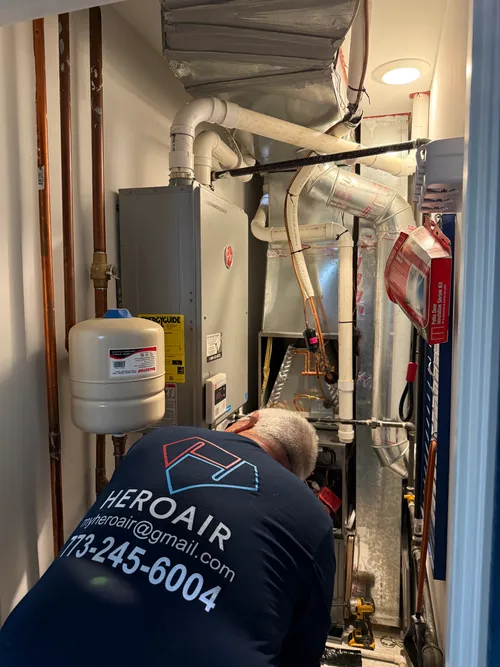
Hero Air
4823 W Patterson Ave, Chicago, IL 60641
Hero Air is a family-owned HVAC company serving Chicago, IL, with over 10 years of experience. They provide a wide range of heating and air conditioning services including installation, repair, and maintenance for air conditioners, furnaces, boilers, and ductless mini splits. Hero Air also specializes in indoor air quality solutions such as UV germicidal treatments and dehumidifiers to maintain healthy and comfortable indoor environments. Their certified and insured technicians work with both residential and commercial clients to ensure efficient system performance throughout the year.
Understanding Elgin's Indoor Air Quality Challenges
Elgin's distinct seasons and local geology create a specific set of challenges for maintaining clean indoor air. From invisible gases to seasonal allergens, being aware of these common pollutants is the first step toward a healthier indoor environment.
Radon: A Silent, Local Threat
Radon gas is a leading environmental cause of lung cancer and a significant concern in Northern Illinois. This odorless, radioactive gas naturally seeps from the soil into buildings. Kane County, where much of Elgin is located, is classified by the Environmental Protection Agency (EPA) as a Zone 1 area, meaning it has the highest predicted potential for elevated radon levels 1. The Illinois Emergency Management Agency (IEMA) estimates that about half of the homes tested in the state have radon concentrations above the EPA's recommended action level 2. Because it is undetectable without proper testing, radon mitigation is a critical component of home safety in the area.
Mold and Excess Moisture
Illinois' humid summers, snowy winters, and frequent spring rains create ideal conditions for mold and mildew growth. Moisture can accumulate in basements, crawl spaces, bathrooms, and around leaky windows or pipes. Mold spores released into the air can trigger allergic reactions, asthma attacks, and other respiratory problems 3. Controlling indoor humidity levels-ideally between 30% and 50%-is a key strategy in preventing mold from becoming an indoor air quality issue 4.
Volatile Organic Compounds (VOCs) and Household Chemicals
Everyday life introduces numerous chemicals into the air we breathe indoors. Volatile Organic Compounds (VOCs) are emitted as gases from a wide array of products, including paints, varnishes, cleaning supplies, air fresheners, new furniture, and building materials like carpets and pressed wood 5. In tightly sealed homes, which are common for energy efficiency, these compounds can accumulate to levels that cause headaches, eye and throat irritation, and long-term health concerns.
Particulates and Common Allergens
For many residents, more immediate symptoms like sneezing, itchy eyes, and congestion are linked to airborne particulates. Elgin's seasons bring pollen from trees, grasses, and ragweed. Indoors, these are joined by perennial allergens like pet dander, dust mite debris, and general household dust. These particles circulate through a home's living spaces, often through the forced-air HVAC system, continuously affecting allergy sufferers.
Carbon Monoxide and Combustion Byproducts
Carbon monoxide (CO) is a deadly, colorless, and odorless gas produced by the incomplete burning of fuels. Sources in the home can include gas stoves, furnaces, water heaters, fireplaces, and attached garages. Illinois law requires carbon monoxide detectors within 15 feet of all sleeping rooms, underscoring its serious risk 6. Ensuring proper ventilation for fuel-burning appliances and regular HVAC maintenance are essential for safety.
How to Test Your Indoor Air in Elgin
Before investing in solutions, identifying the specific pollutants in your space is wise. Several testing and monitoring approaches are available, ranging from DIY kits to comprehensive professional assessment.
Professional IAQ Testing and Inspection Hiring a certified environmental consultant or an HVAC specialist with IAQ expertise is the most thorough approach. A professional can conduct a visual inspection, assess your ventilation, and use specialized equipment to test for a broad spectrum of pollutants, including radon, mold spores, specific VOCs, formaldehyde, and particulate counts 7 8. They often take samples for laboratory analysis, providing a detailed report and tailored recommendations for remediation or improvement. The cost for general professional air quality testing in Elgin averages around $400, but can range from $250 to $550 or more, with additional fees for testing specific individual pollutants.
Targeted Do-It-Yourself Test Kits For a more affordable initial screening, DIY test kits are available at local hardware stores or online. These are commonly used for single pollutants like radon (using a charcoal canister) or mold (via air or surface sampling). You collect the sample at home and mail it to a lab for analysis. While helpful for confirmation, a professional is typically still needed to interpret results fully and execute any required remediation if high levels are found 9.
Continuous Air Quality Monitoring Technology now allows for real-time tracking of certain air conditions. While every home should have working smoke and carbon monoxide detectors, you can also install portable air quality monitors. These devices can provide ongoing data on levels of particulate matter (PM2.5), VOCs, temperature, and humidity, helping you understand daily patterns and the effectiveness of interventions like air purifiers or increased ventilation.
Find the perfect indoor air quality service providers for your needs
Get personalized recommendations and expert advice
Effective Strategies to Improve Your Home's Air
Improving indoor air quality is not reliant on a single miracle product. Experts generally recommend a three-pronged strategy: source control, improved ventilation, and air cleaning 10.
1. Source Control: Eliminate or Reduce Pollutants
The most effective way to improve IAQ is to prevent pollutants from entering the air in the first place.
- Radon Mitigation: If testing reveals elevated radon levels (4 pCi/L or higher), a professionally installed radon mitigation system is essential. These systems typically use a vent pipe and fan to draw radon gas from beneath the home and exhaust it safely above the roofline. Installation in Elgin averages $800 to $1,300 or more.
- Mold Remediation: For significant mold growth, professional mold remediation is necessary to safely contain, remove, and clean affected areas while addressing the underlying moisture source. This service averages $1,200 to $3,800+ depending on the extent 11 12.
- Choose Low-VOC Products: Opt for paints, sealants, and cleaning products labeled "low-VOC" or "zero-VOC."
- Manage Humidity: Use exhaust fans in bathrooms and kitchens. For whole-home control, consider installing a whole-house dehumidifier integrated with your HVAC system to maintain optimal humidity levels and deter mold growth.
2. Enhance Ventilation: Dilute Stale Air
Bringing fresh outdoor air in dilutes the concentration of indoor pollutants.
- Natural Ventilation: Open windows and doors when weather permits.
- Mechanical Ventilation: For modern, tightly sealed homes, Energy Recovery Ventilators (ERVs) or Heat Recovery Ventilators (HRVs) are excellent solutions. They continuously bring in fresh, filtered outdoor air while exhausting stale indoor air, transferring heat and moisture between the streams to minimize energy loss. While the installation represents a significant investment (often several thousand dollars), the improvement in air exchange is substantial.
- HVAC Maintenance: Ensure your furnace and air conditioner are serviced regularly. Change your furnace filter frequently-at least every 90 days, or monthly during peak heating and cooling seasons. Consider upgrading to a filter with a higher MERV rating (between 8 and 13) to capture smaller particles, provided your system can handle the increased airflow resistance 13.
3. Air Cleaning: Remove Airborne Contaminants
Air cleaners can capture pollutants that are already circulating.
- Portable Air Purifiers: Effective for single rooms, look for units with True HEPA filters for allergens and a carbon filter for odors and VOCs.
- Whole-Home Air Purification: These systems are integrated directly into your home's ductwork, cleaning the air throughout the entire house as it circulates. Options include high-efficiency media air filters, UV-C light systems designed to neutralize biological contaminants like mold and bacteria, and electronic air cleaners14 15. The cost varies widely based on the technology and home size.
- Duct Cleaning: Over time, dust, debris, and even mold can accumulate in air ducts. A thorough, professional duct cleaning can remove this buildup, potentially improving airflow and reducing the amount of dust blown into your living spaces 16.
Maintaining Healthy Indoor Air Long-Term
Good IAQ is an ongoing process. Simple habits make a big difference: use doormats, remove shoes at the door to limit tracked-in pollutants, vacuum regularly with a HEPA-filtered vacuum cleaner, and promptly fix water leaks. Schedule annual HVAC maintenance and consider periodic IAQ check-ups, especially if you notice new symptoms or after home renovations.
Frequently asked questions
Sources
Footnotes
-
Radon Awareness and Testing - https://www.kanehealth.com/Pages/Radon.aspx ↩
-
Radon in Illinois - American Lung Association - https://www.lung.org/il/radon-illinois ↩
-
The Connection Between Mold and Indoor Air Quality - https://illinoiseca.org/the-connection-between-mold-and-indoor-air-quality-what-illinois-businesses-need-to-know/ ↩
-
3 Bad Indoor Air Quality Habits in Chicago, IL - https://www.perfect-temp.com/blog/3-bad-indoor-air-quality-habits-in-chicago-il ↩
-
What are the major sources of indoor air pollution? | The effects ... - Metrikus - https://www.metrikus.io/blog/what-are-the-major-sources-of-indoor-air-pollution ↩
-
Healthy Ways to Improve Indoor Air Quality | Joliet, IL - https://comfortfirstheatingandcooling.com/healthy-ways-to-improve-indoor-air-quality/ ↩
-
IDPH Guidelines for Indoor Air Quality - Illinois.gov - https://dph.illinois.gov/topics-services/environmental-health-protection/toxicology/indoor-air-quality-healthy-homes/idph-guidelines-indoor-air-quality.html ↩
-
Essential Indoor Air Quality Testing For New Orleans Offices - myshyft.com - https://www.myshyft.com/blog/indoor-air-quality-testing-for-offices-new-orleans-louisiana/ ↩
-
How Much Does Indoor Air Quality Testing Cost? [2026 Data] - https://www.angi.com/articles/how-much-does-indoor-air-quality-testing-cost.htm ↩
-
THREE BASIC STRATEGIES TO IMPROVE INDOOR AIR QUALITY - https://airquip.com/three-basic-strategies-to-improve-indoor-air-quality/ ↩
-
How Much Does Professional Home Indoor Air Quality Testing Cost? - https://www.airpf.com/how-much-does-a-home-indoor-air-quality-testing-cost/ ↩
-
How Much Does Indoor Air Quality Testing Cost? [2025 Data] - https://www.homeadvisor.com/cost/environmental-safety/test-indoor-air-quality/ ↩
-
Indoor Air Quality Services Elgin IL | Kustom Heating & Cooling - https://www.kustomheating.com/indoor-air-quality ↩
-
Indoor Air Quality | Priority Energy | Chicago & Elmhurst IL - https://www.priorityenergy.com/service-category/indoor-air-quality-homes-buildings/ ↩
-
Indoor Air Quality Services in Elgin, IL - American Family HVAC - https://www.americanfamilyhvac.com/air-quality ↩
-
Indoor Air Quality | St. Charles, IL, Air Filtration - https://servicenowhomeservices.com/residential/indoor-air-quality/ ↩