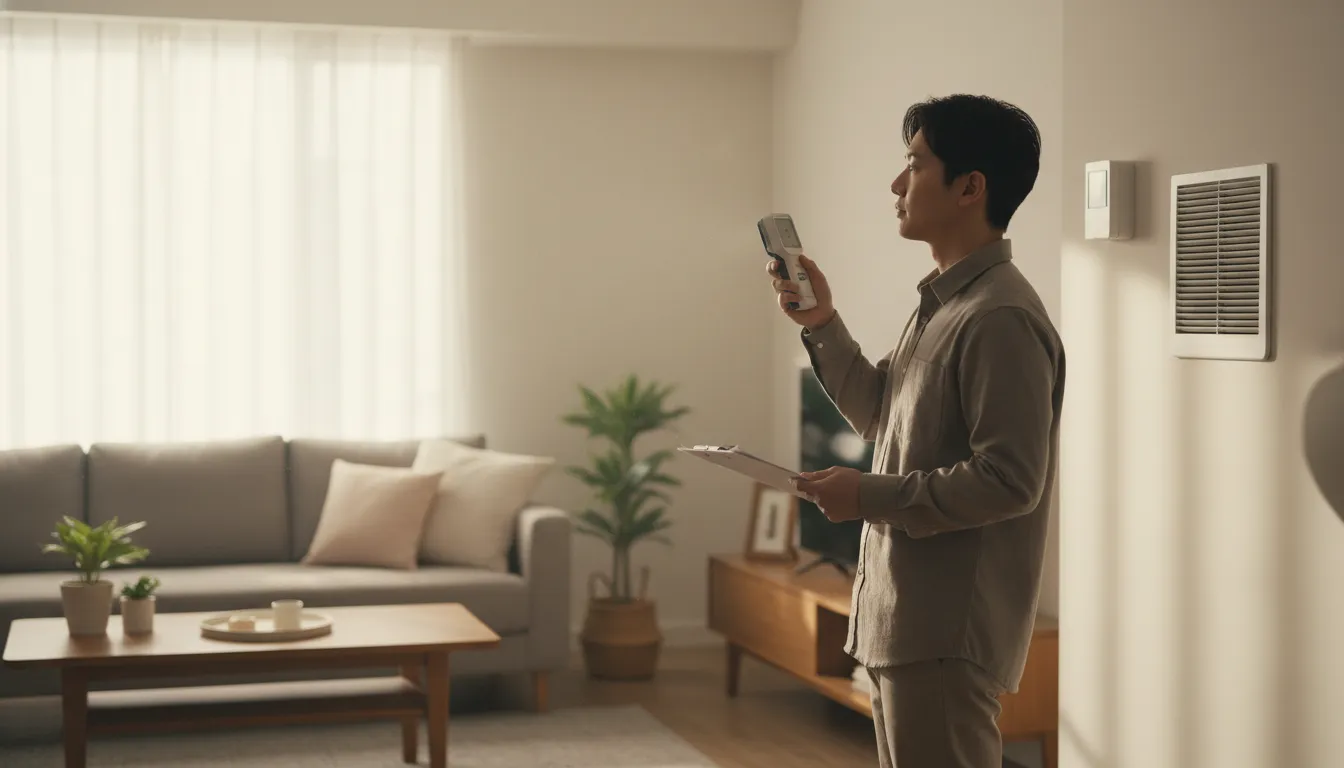
Find the Best Indoor Air Quality Service Providers for Your Business
No obligation • Fast responses • Nationwide coverage

Why you can trust HVAC Firms
HVAC Firms is a leading United States resource for evaluating HVAC service providers. Our team researches companies, checks credentials, and reviews customer feedback to present clear, unbiased information. Listings and rankings are based on merit, and companies cannot pay to change our editorial content.
Search providers near you
Top Indoor Air Quality Service Providers in Buffalo Grove, Illinois Ranked
The air inside your Buffalo Grove home or office can have a significant impact on your health, comfort, and productivity. Indoor air quality (IAQ) refers to the condition of the air within buildings, encompassing everything from invisible gases to common allergens. In our local climate, specific concerns like radon and mold make proactive management essential. This guide will help you understand the unique air quality challenges in our area, the professional services available to diagnose and solve them, and practical steps you can take to breathe easier.
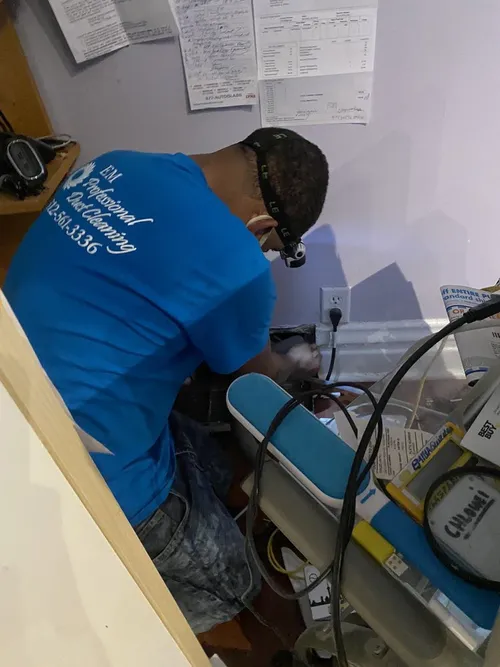
EM Duct Cleaning Chicago
6124 N Milwaukee Ave #3, Chicago, IL 60646
EM Duct Cleaning Chicago is a local company providing professional air duct cleaning and indoor air quality services in Chicago, IL. They serve homes and small to medium-sized commercial properties, focusing on removing dust, dirt, mold, and allergens from HVAC systems and ductwork to improve air quality and system efficiency. Their services include air duct cleaning, dryer vent cleaning, chimney cleaning, UV light installation, mold removal, odor elimination, and filter replacement. With over eight years in the cleaning industry, EM Duct Cleaning uses EPA-approved, environmentally friendly solutions and state-of-the-art equipment to ensure thorough cleaning and sanitization. The company is fully licensed and insured and offers free HVAC inspections with every job.
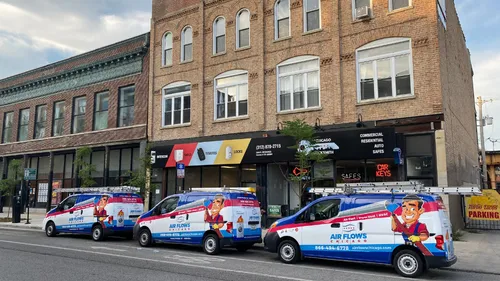
Air Flows Chicago - Belmont
3019 W Belmont Ave, Chicago, IL 60618
Air Flows Chicago - Belmont provides comprehensive HVAC, chimney, and indoor air quality services in Chicago, IL. They offer heating and cooling system installation, repair, and maintenance, including furnaces, boilers, air conditioners, ductless systems, and heat pumps. The company also specializes in chimney sweeping, inspection, and liner services, as well as dryer vent cleaning and repair. Their air duct cleaning and installation services help improve indoor air quality, supported by UV germicidal light installations, humidifiers, and air cleaners. Air Flows Chicago serves both residential and commercial clients and offers 24/7 emergency repair services to minimize downtime.
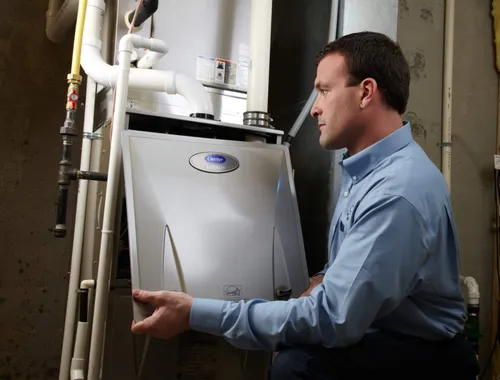
Allied Air Conditioning & Heating Corp.
203 Peterson Rd, Libertyville, IL 60048
Allied Air Conditioning & Heating Corp. is a heating and cooling company serving Chicago, IL, and the surrounding Northwest Chicagoland area. With over 55 years of experience, they provide HVAC installation, repair, and maintenance services, including air conditioning, furnace, indoor air quality, and pool dehumidifier systems. Allied is an authorized Carrier dealer and offers 24/7 emergency service to address heating and cooling issues promptly. Their NATE-certified technicians focus on delivering reliable home comfort solutions and advanced HVAC products.

AAA Cleaning Services INC
1004 Westchester Cir, Schaumburg, IL 60193
AAA Cleaning Services INC provides residential and commercial air duct and dryer vent cleaning in Chicago, IL. The company focuses on improving indoor air quality by removing pollutants such as dust mites, pollen, mildew, and pet dander that can affect health and HVAC system performance. Their services help enhance air quality, prepare HVAC systems for seasonal changes, and improve system efficiency and lifespan. The team is knowledgeable and pet-friendly, offering support and information about indoor air quality and HVAC maintenance.
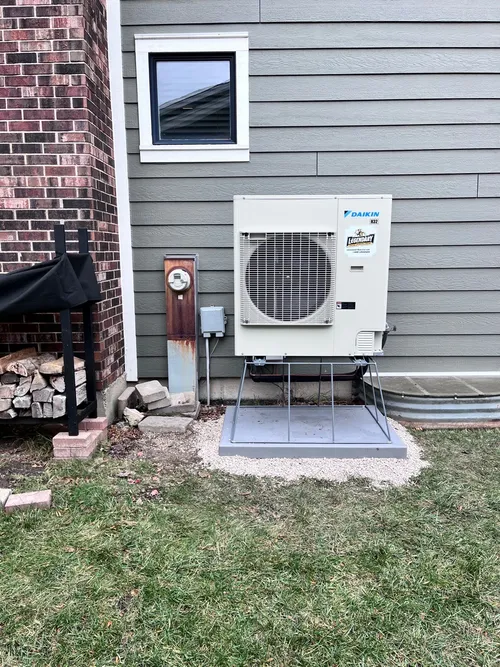
Legendary Service
960 Rand Rd Suite 200F, Des Plaines, IL 60016
Legendary Service is a home comfort provider based in Chicago, IL, offering heating, cooling, plumbing, and indoor air quality services. They handle AC and furnace installation, repair, and maintenance, along with plumbing and drain cleaning. With over 40 years of combined experience, Legendary Service provides comprehensive HVAC and plumbing solutions including indoor air quality improvements to help maintain a healthy home environment. Their team is skilled in diagnosing and resolving issues efficiently, supported by a maintenance agreement program for ongoing care.
Understanding Buffalo Grove's Indoor Air Quality Challenges
The environment in Northern Illinois presents distinct factors that influence the air in our buildings. From the geology beneath our homes to the humidity in the air, being aware of these local issues is the first step toward a healthier indoor environment.
The Silent Threat: Radon Gas
In Buffalo Grove, radon gas is considered the single greatest health threat in homes. This colorless, odorless radioactive gas occurs naturally from the decay of uranium in soil and rock. It can seep into buildings through cracks in foundations, sump pits, and other openings. Because it is undetectable without testing, the Illinois Emergency Management Agency recommends testing all homes. Long-term exposure to elevated radon levels is the second leading cause of lung cancer.
Moisture and Mold: A Persistent Problem
Illinois' fluctuating humidity, combined with the prevalence of basements and crawl spaces in Buffalo Grove homes, creates ideal conditions for mold growth. Moisture can intrude from foundation leaks, plumbing issues, or condensation. Mold spores, which are always present in the air, thrive in these damp environments, leading to growth that can trigger allergies, asthma attacks, and other respiratory issues.
Common Allergens and Particulates
Everyday life introduces a variety of particles into your indoor air. Common pollutants in the area include:
- Dust and Dust Mites: Accumulate in carpets, upholstery, and bedding.
- Pet Dander: A potent allergen from cats, dogs, and other animals.
- Pollen: Can be tracked inside on shoes, clothing, and through open windows.
- Combustion Byproducts: Generated by gas stoves, fireplaces, and attached garages1.
Chemicals in the Air: Volatile Organic Compounds (VOCs)
VOCs are gases emitted from a wide array of household and office products. Sources include cleaning supplies, paints, varnishes, new furniture, carpets, and even office equipment like printers2 3. These compounds can cause immediate effects like eye and throat irritation, headaches, and nausea, and some may have long-term health consequences.
The Ventilation Dilemma
While modern, energy-efficient construction is excellent for reducing utility bills, it can tightly seal pollutants inside a building. Without adequate mechanical ventilation, contaminants from all the sources mentioned above can accumulate to unhealthy levels. This is a common issue in both tightly built new homes and retrofitted older buildings in Buffalo Grove.
Professional IAQ Assessment and Testing Services
When you suspect an air quality issue or want peace of mind, local professionals offer comprehensive evaluations. These services go beyond a simple visual check, using specialized equipment to sample and analyze your indoor environment4 5.
Radon Testing: This is a critical service for local homeowners. Professionals conduct tests using devices that measure radon levels over a specific period, typically 48 hours to 90 days, to get an accurate average. The Illinois Emergency Management Agency provides resources for finding certified testers.
Mold Inspection and Sampling: If you smell a musty odor or see visible growth, a professional inspection is warranted. Experts will visually examine prone areas like basements, attics, and around plumbing. They may also take air or surface samples to identify the types and concentrations of mold spores present 6.
Comprehensive IAQ Assessment: For a full picture, consultants can test for a broad suite of pollutants. This often includes measuring levels of carbon monoxide (CO), carbon dioxide (CO2), VOCs, particulate matter (PM2.5/PM10), and specific allergens. A key part of this assessment is evaluating your HVAC system's role in distributing air and controlling humidity7 8.
Continuous Monitoring: Some advanced systems provide real-time data on parameters like CO2, humidity, and particulate levels. This is particularly useful for commercial buildings or homeowners wanting to track conditions over time and correlate them with activities or outdoor conditions9.
Find the perfect indoor air quality service providers for your needs
Get personalized recommendations and expert advice
Solutions and Improvements for Cleaner Indoor Air
Once an assessment identifies problems, a range of solutions is available from Buffalo Grove area specialists. The right approach depends on the specific contaminants and the design of your building.
Source Control and Mitigation
The most effective way to improve air quality is to remove or reduce the source of the pollution.
- Radon Mitigation: If high radon levels are found, a mitigation system is installed. This typically involves a vent pipe and fan system that pulls radon gas from beneath the foundation and exhausts it safely above the roofline, preventing its entry into living spaces10.
- Mold Remediation: Professional mold removal involves containing the affected area, removing contaminated materials safely, and thoroughly cleaning surfaces with antimicrobial agents. Crucially, the source of moisture must be repaired to prevent regrowth11.
- VOC Reduction: Choosing low-VOC paints, finishes, and cleaning products, and allowing new furniture to off-gas in a well-ventilated space before bringing it indoors, can significantly reduce chemical exposure.
Ventilation Enhancements
Bringing fresh outdoor air in is vital for diluting indoor pollutants.
- Energy Recovery Ventilators (ERVs) and Heat Recovery Ventilators (HRVs): These systems exchange stale indoor air with fresh outdoor air while recovering energy (heat or coolness) from the exhausted air. This provides necessary ventilation without drastically impacting heating and cooling costs12.
- Spot Ventilation: Ensuring that exhaust fans in kitchens and bathrooms are functional and vented to the outside is essential for removing moisture and combustion byproducts at the source.
Air Cleaning and Filtration
When source control and ventilation are insufficient, air cleaning devices can help.
- High-Efficiency HVAC Filters: Upgrading the filter in your furnace or central air system to a MERV 13-rated filter (if your system can handle it) can capture a high percentage of airborne particles13.
- Stand-Alone Air Purifiers: Portable units with HEPA filters are effective for cleaning the air in a single room or specific area.
- Whole-House Air Purification Systems: These are integrated directly into your home's HVAC ductwork. Technologies like bipolar ionization (e.g., iWave-R) or UV-C lights can help neutralize viruses, mold spores, and other contaminants as air circulates through the system14 15.
Maintenance is Key
Regular upkeep of your home systems is a cornerstone of good IAQ.
- HVAC Tune-Ups: An annual professional inspection and cleaning of your heating and cooling system ensures it operates efficiently and doesn't become a source of dust or microbial growth.
- Air Duct Cleaning: Over time, dust, debris, and sometimes mold can accumulate in ductwork. While not always necessary, professional duct cleaning may be recommended if there is substantial visible contamination or after a mold remediation project.
- Humidity Control: Using dehumidifiers in damp basements and ensuring your air conditioner is properly sized and functioning helps keep indoor relative humidity in the ideal 30-50% range, discouraging mold growth and dust mites.
Cost Considerations for IAQ Services in Buffalo Grove
Investing in your indoor environment varies in cost based on your home's size and the specific services required. Below is a general guide to local pricing based on available data16 17 18.
| Service/Improvement | Example Cost Range (Buffalo Grove Area) |
|---|---|
| Professional IAQ/Mold Inspection | $600 - $1,200+ (residential) |
| Radon Testing | $150 - $800+ (professional); DIY kits available at lower cost |
| Radon Mitigation System Installation | $700 - $1,200+ |
| Air Duct Cleaning | Varies significantly by home size and duct system complexity |
| Mold Removal/Remediation | Varies greatly depending on the extent of contamination |
| Air Purification System (e.g., iWave-R installed) | $895 - $1,545+ |
| HVAC Furnace Tune-Up/Cleaning | Often around $139 (promotional pricing) |
Many local companies offer free consultations or estimates for specific services, providing an opportunity to discuss your concerns and get a tailored quote without obligation19.
Frequently asked questions
Sources
Footnotes
-
Watch Out for These Household Allergens in Buffalo Grove, IL - https://www.bescoair.net/article/watch-out-for-these-household-allergens-in-buffalo-grove-il/ ↩
-
Do You Suspect Your Office Has an Indoor Air Problem? - EPA - https://www.epa.gov/indoor-air-quality-iaq/do-you-suspect-your-office-has-indoor-air-problem ↩
-
The Connection Between Mold and Indoor Air Quality - https://illinoiseca.org/the-connection-between-mold-and-indoor-air-quality-what-illinois-businesses-need-to-know/ ↩
-
IAQ Testing Methods - 3 Common Assays - https://pureaircontrols.com/iaq-testing-methods-3-common-assays/ ↩
-
Inspections - Air Quality Environmental, Inc - https://aqenv.com/inspections/ ↩
-
Professional Property Inspections - https://www.worryfreeinspections.com/ ↩
-
IDPH Guidelines for Indoor Air Quality - Illinois.gov - https://dph.illinois.gov/topics-services/environmental-health-protection/toxicology/indoor-air-quality-healthy-homes/idph-guidelines-indoor-air-quality.html ↩
-
The Top 7 Indoor Air Quality Pollutants - Alpha Environmental - https://alphaenvironmental.net/blog/top-7-indoor-air-quality-pollutants/ ↩
-
Creating healthier, safer indoor learning environments - Siemens - https://assets.new.siemens.com/siemens/assets/api/uuid:970f27c5-1388-46c8-acde-1bdae3bbbd60/cg-k12-smartairquality-153-sbt-1604.pdf ↩
-
Radon Mitigation in Buffalo Grove IL 847-381-2004 - https://swat-radon.com/buffalo-grove-il/ ↩
-
Mold Removal Buffalo Grove, IL - Alliance Restoration - https://www.aricanhelp.com/service-area/buffalo-grove/ ↩
-
Energy Smart Tips - University of Illinois - https://smartenergy.illinois.edu/wp-content/uploads/2020/01/EST_IAQ.pdf ↩
-
3 Hazards of Picking the Wrong Air Filter - https://irelandhtg.com/blog/3-hazards-picking-wrong-air-filter ↩
-
Indoor Air Quality| Buffalo Grove, IL - Assurance Heating & AC - https://assurancehvac.com/services/indoor-air-quality ↩
-
Indoor Air Quality Solutions and Services | AirBlue Inc. - https://airblueinc.com/indoor-air-quality/ ↩
-
How Much Does An Indoor Air Quality Test Cost? - https://www.cleanairsciences.com/indoor-air-quality-cost/ ↩
-
How Much Does Professional Home Indoor Air Quality Testing Cost? - https://www.airpf.com/how-much-does-a-home-indoor-air-quality-testing-cost/ ↩
-
How Much Does a Home Indoor Air Quality Testing Cost? - https://www.airpf.com/how-much-does-a-home-indoor-air-quality-testing-cost/ ↩
-
Indoor Air Quality Services Buffalo Grove IL | 24/7 Hours - https://saiairductclean.com/indoor-air-quality-buffalo-grove-il/ ↩