Find the Best Indoor Air Quality Service Providers for Your Business
No obligation • Fast responses • Nationwide coverage

Why you can trust HVAC Firms
HVAC Firms is a leading United States resource for evaluating HVAC service providers. Our team researches companies, checks credentials, and reviews customer feedback to present clear, unbiased information. Listings and rankings are based on merit, and companies cannot pay to change our editorial content.
Search providers near you
Top Indoor Air Quality Service Providers in Bolingbrook, Illinois Ranked
The air you breathe inside your home or business in Bolingbrook directly impacts your health, comfort, and productivity. Indoor Air Quality (IAQ) refers to the condition of the air within and around buildings, particularly as it relates to the presence of pollutants and the overall comfort of occupants. With Illinois's fluctuating climate, managing IAQ is a year-round concern, from humid summers that encourage mold to tightly sealed winters that trap pollutants. This guide will help you understand common local air quality issues, from testing options to improvement strategies, so you can make informed decisions for a healthier indoor environment.
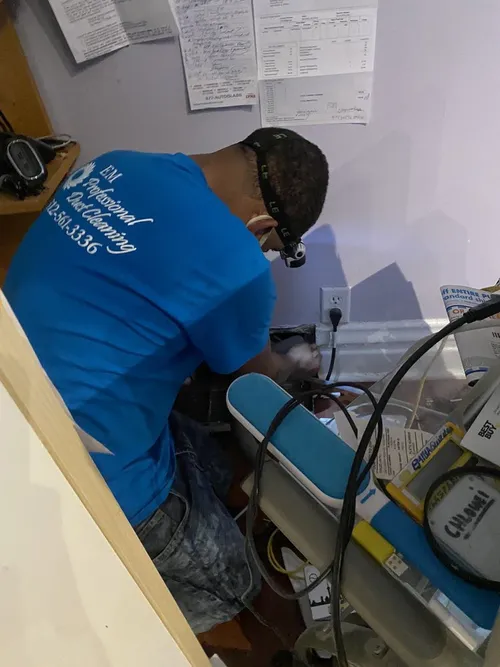
EM Duct Cleaning Chicago
6124 N Milwaukee Ave #3, Chicago, IL 60646
EM Duct Cleaning Chicago is a local company providing professional air duct cleaning and indoor air quality services in Chicago, IL. They serve homes and small to medium-sized commercial properties, focusing on removing dust, dirt, mold, and allergens from HVAC systems and ductwork to improve air quality and system efficiency. Their services include air duct cleaning, dryer vent cleaning, chimney cleaning, UV light installation, mold removal, odor elimination, and filter replacement. With over eight years in the cleaning industry, EM Duct Cleaning uses EPA-approved, environmentally friendly solutions and state-of-the-art equipment to ensure thorough cleaning and sanitization. The company is fully licensed and insured and offers free HVAC inspections with every job.
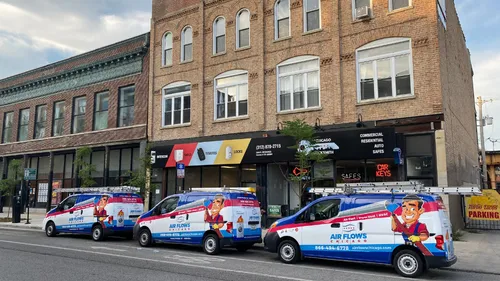
Air Flows Chicago - Belmont
3019 W Belmont Ave, Chicago, IL 60618
Air Flows Chicago - Belmont provides comprehensive HVAC, chimney, and indoor air quality services in Chicago, IL. They offer heating and cooling system installation, repair, and maintenance, including furnaces, boilers, air conditioners, ductless systems, and heat pumps. The company also specializes in chimney sweeping, inspection, and liner services, as well as dryer vent cleaning and repair. Their air duct cleaning and installation services help improve indoor air quality, supported by UV germicidal light installations, humidifiers, and air cleaners. Air Flows Chicago serves both residential and commercial clients and offers 24/7 emergency repair services to minimize downtime.
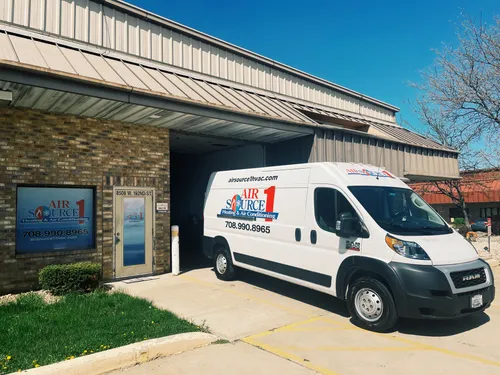
Air Source 1 Heating & Air Conditioning
8508 W 192nd St, Mokena, IL 60448
Air Source 1 Heating & Air Conditioning is a family-owned HVAC contractor based near Chicago, IL, serving Mokena and the surrounding South Chicagoland and Northwest Indiana areas. Since 2014, they have specialized in heating and cooling installation, repair, maintenance, indoor air quality services, and sheet metal fabrication. The company offers 24/7 emergency repair services and works with reputable brands like RUUD to provide quality HVAC systems tailored to customer needs. Owner Tim brings over 15 years of hands-on experience, ensuring skilled and dedicated service on every job.

AAA Cleaning Services INC
1004 Westchester Cir, Schaumburg, IL 60193
AAA Cleaning Services INC provides residential and commercial air duct and dryer vent cleaning in Chicago, IL. The company focuses on improving indoor air quality by removing pollutants such as dust mites, pollen, mildew, and pet dander that can affect health and HVAC system performance. Their services help enhance air quality, prepare HVAC systems for seasonal changes, and improve system efficiency and lifespan. The team is knowledgeable and pet-friendly, offering support and information about indoor air quality and HVAC maintenance.
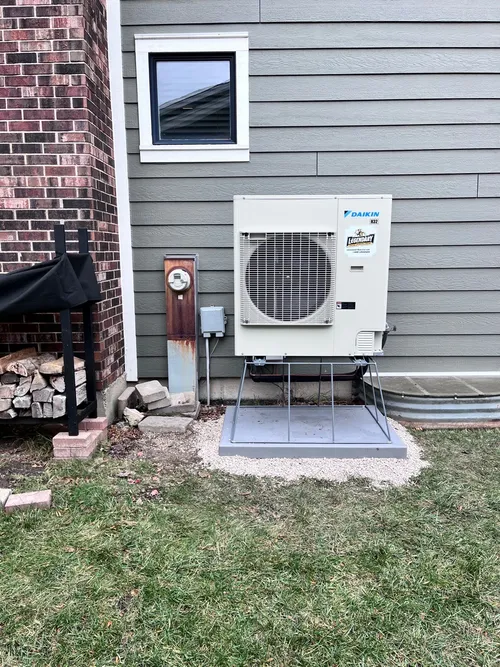
Legendary Service
960 Rand Rd Suite 200F, Des Plaines, IL 60016
Legendary Service is a home comfort provider based in Chicago, IL, offering heating, cooling, plumbing, and indoor air quality services. They handle AC and furnace installation, repair, and maintenance, along with plumbing and drain cleaning. With over 40 years of combined experience, Legendary Service provides comprehensive HVAC and plumbing solutions including indoor air quality improvements to help maintain a healthy home environment. Their team is skilled in diagnosing and resolving issues efficiently, supported by a maintenance agreement program for ongoing care.
Why Indoor Air Quality Matters in Bolingbrook
We spend up to 90% of our time indoors, where pollutant levels can be two to five times higher than outdoor levels 1. In Bolingbrook, the local climate and building practices create specific challenges for maintaining clean indoor air. The humid summers common in Illinois provide an ideal environment for mold and mildew growth, while the cold winters often lead to homes being sealed tight, trapping contaminants like radon, carbon monoxide, and volatile organic compounds (VOCs) inside. Poor indoor environmental quality isn't just a nuisance-it can lead to immediate effects like headaches, dizziness, and fatigue, or long-term respiratory diseases and other serious health conditions 1. For families, especially those with children, the elderly, or individuals with asthma or allergies, proactively managing air quality is a critical component of home wellness.
Common Indoor Air Pollutants in Bolingbrook Homes
Understanding the specific threats to your home's air is the first step toward improvement. Here are the most prevalent contaminants found in Bolingbrook and the surrounding Will County area.
Mold and Moisture
Mold growth is a primary IAQ concern in our region. It thrives in damp environments caused by leaky pipes, basement flooding, condensation on windows, or simply the high humidity levels of an Illinois summer. Mold reproduces by releasing tiny spores into the air, which can be inhaled and cause allergic reactions, asthma attacks, and other respiratory issues. Visible mold is a clear sign, but hidden growth behind walls or under flooring can silently degrade your air quality.
Radon Gas
Radon is a naturally occurring, radioactive gas that seeps from the soil. Illinois soil, particularly in certain areas, has a higher potential for radon. This odorless, colorless gas can enter homes through cracks in the foundation, floor drains, or sump pits. The U.S. EPA and the Illinois Department of Public Health (IDPH) classify radon as the second leading cause of lung cancer, making testing for it a vital safety measure for every homeowner.
Combustion Pollutants: Carbon Monoxide (CO)
Carbon monoxide is an odorless, tasteless gas produced whenever fuel is burned in furnaces, water heaters, stoves, fireplaces, or vehicles. Malfunctioning or poorly vented appliances can allow CO to build up indoors, posing a severe, immediate health risk. Illinois law requires CO alarms in all residential buildings for this reason. Regular appliance maintenance and proper ventilation are essential defenses.
Particulate Matter (PM2.5 and PM10)
These are tiny particles suspended in the air. PM10 includes dust, pollen, and mold spores, while PM2.5 refers to finer particles from sources like vehicle exhaust, industrial emissions, and even indoor activities like burning candles or cooking 2. These particles are small enough to be inhaled deep into the lungs and can aggravate heart and lung conditions.
Volatile Organic Compounds (VOCs)
VOCs are gases emitted from a wide array of household products and materials. Common sources in Bolingbrook homes include new furniture, carpets, paints, cleaning supplies, adhesives, and even air fresheners. These chemicals can "off-gas" for months or years, contributing to that "new" smell and potentially causing headaches, nausea, and irritation of the eyes, nose, and throat.
Poor Ventilation
Modern, energy-efficient homes are built to be airtight, which is excellent for utility bills but can be detrimental to air quality if not properly managed. Inadequate fresh air exchange allows all the pollutants mentioned above to accumulate to higher concentrations. Stale air can lead to discomfort, difficulty concentrating, and a general feeling of stuffiness, often referred to as "sick building syndrome".
Find the perfect indoor air quality service providers for your needs
Get personalized recommendations and expert advice
How to Test Your Indoor Air Quality
You can't manage what you don't measure. Identifying the specific pollutants in your space is crucial before investing in solutions. There are two main paths: do-it-yourself kits and professional assessment.
DIY Air Quality Testing Kits
For a cost-effective initial screening, DIY kits are widely available. They are typically designed to test for a single contaminant.
- Mold Test Kits: These usually involve collecting an air or surface sample on a petri dish or tape, which you then send to a lab. Costs range from $30 to $50.
- Radon Test Kits: Charcoal canisters or alpha-track detectors are placed in the lowest lived-in level of the home for a set period (2-7 days or several months). Kits cost between $15 and $30, plus lab fees.
- VOC or General Air Quality Kits: More comprehensive kits use pumps or passive samplers to collect air over time. These are more expensive, often between $100 and $150, and provide a broader snapshot.
Pros: Low upfront cost, convenient for initial checks. Cons: Limited in scope, accuracy can vary, and you must interpret results yourself.
Professional Indoor Air Quality Testing
For a definitive diagnosis, especially if health symptoms are present or you suspect multiple issues, hiring a certified professional is recommended. A trained technician will use advanced equipment to measure levels of various pollutants, assess ventilation rates, and inspect your HVAC system.
- Basic Assessment: A general overview of common pollutants (particulates, VOCs, CO2, humidity) typically costs between $292 and $584 on average 3.
- Specific Pollutant Tests: Targeted testing for mold, radon, asbestos, or lead can range from $100 to over $1,000, depending on the substance and the home's size 4 5.
- Commercial Properties: Testing for offices or retail spaces is more complex, with costs often ranging from $1,000 to $3,000 or more 6.
Pros: Accurate, comprehensive, includes a detailed report and expert recommendations. Cons: Higher initial investment.
Solutions for Improving Your Indoor Air
Once you've identified the problems, you can implement targeted solutions. The EPA's approach emphasizes source control first, then improved ventilation, and finally air cleaning.
Source Control
The most effective way to improve IAQ is to eliminate or reduce individual sources of pollution.
- For Mold: Fix water leaks immediately. Use exhaust fans in bathrooms and kitchens. Maintain indoor humidity levels between 30% and 50% using a dehumidifier or air conditioner 7 8.
- For Radon: If testing reveals elevated levels (4 pCi/L or higher), a radon mitigation system must be installed. This typically involves a vent pipe and fan to draw radon from beneath the home and exhaust it outside. The average cost for a system in Bolingbrook is between $800 and $1,300.
- For VOCs: Choose low-VOC or VOC-free paints, adhesives, and cleaning products. Allow new furniture and building materials to off-gas in a well-ventilated area before bringing them inside.
Ventilation Improvements
Increasing the amount of outdoor air coming indoors dilutes pollutant concentrations.
- Natural Ventilation: Open windows and doors when weather and outdoor air quality permit.
- Mechanical Ventilation: Install dedicated systems like Heat Recovery Ventilators (HRVs) or Energy Recovery Ventilators (ERVs). These systems bring in fresh air while recovering energy from the exhaust air, maintaining comfort and efficiency. Installed costs for such fresh air intake systems typically range from $2,000 to $5,000.
Air Cleaning and Filtration
Air purifiers and filters capture pollutants that are already airborne.
- Portable Air Purifiers: Effective for single rooms. Look for units with HEPA filters for particles and activated carbon for gases/VOCs.
- Whole-Home Air Cleaners: Installed directly into your HVAC ductwork, these systems clean the air throughout your entire house. A whole-home air purification system can cost around $1,500 or more, depending on technology.
- HVAC Filter Upgrades: The simplest step is to regularly replace your furnace/AC filter with a higher-efficiency option (look for a MERV rating of 13 or higher). This captures finer particles as air circulates.
Humidity Control
Managing moisture is key to preventing mold and maintaining comfort.
- Whole-Home Dehumidifiers: Integrated with your HVAC system, these are ideal for tackling basement or whole-house humidity. Installation costs range from $3,000 to $4,300.
- Whole-Home Humidifiers: Conversely, dry winter air can cause respiratory irritation and damage woodwork. A whole-home humidifier adds moisture to the air via the furnace, with costs between $1,300 and $3,300.
Professional Remediation and Cleaning
For severe problems, professional intervention is necessary.
- Mold Remediation: For large-scale mold infestations, professional remediation is required to safely contain and remove the growth. Average costs in the area range from $1,200 to $3,800, depending on the extent.
- Air Duct Cleaning: While not always needed, cleaning the supply and return air ducts can remove accumulated dust, debris, and mold. A basic service may start around $90, with more comprehensive cleaning costing more 9.
Maintaining Healthy Air Long-Term
Improving your indoor environment isn't a one-time project. Consistent maintenance is key:
- Schedule Annual HVAC Service: A tuned-up system runs efficiently and circulates cleaner air.
- Change Filters Regularly: Mark your calendar to change HVAC filters every 1-3 months.
- Test for Radon Biannually: Levels can change, so periodic testing is advised.
- Monitor with Technology: Use standalone humidity monitors, CO detectors, and smart thermostats with IAQ sensors to stay informed.
- Clean Smart: Use a vacuum with a HEPA filter and opt for microfiber cloths that trap dust instead of spreading it.
For accurate, local quotes and professional assistance in Bolingbrook, the Illinois Department of Public Health (IDPH) provides resources, and local certified contractors can offer guidance and services tailored to your home's specific needs 10.
Frequently asked questions
Sources
Footnotes
-
Indoor Air Quality - Frequently Asked Questions - OSHA - https://www.osha.gov/indoor-air-quality/faqs ↩ ↩2
-
Air Quality - Facilities & Services - https://fs.illinois.edu/air-quality/ ↩
-
How Much Does Indoor Air Quality Testing Cost? [2026 Data] - https://www.angi.com/articles/how-much-does-indoor-air-quality-testing-cost.htm ↩
-
How Much Does Indoor Air Quality Testing Cost? - https://www.katyacrepair.com/how-much-does-it-cost-to-have-your-home-indoor-air-quality-tested/ ↩
-
How Much Does an Indoor Air Quality Test Cost? - Ambient Edge - https://www.ambientedge.com/faqs/how-much-does-an-indoor-air-quality-test-cost/ ↩
-
How Much Does Indoor Air Quality Testing Cost? [2025 Data] - https://www.homeadvisor.com/cost/environmental-safety/test-indoor-air-quality/ ↩
-
The Connection Between Mold and Indoor Air Quality - https://illinoiseca.org/the-connection-between-mold-and-indoor-air-quality-what-illinois-businesses-need-to-know/ ↩
-
Improving Indoor Air Quality | US EPA - https://www.epa.gov/indoor-air-quality-iaq/improving-indoor-air-quality ↩
-
IDPH Guidelines for Indoor Air Quality - Illinois.gov - https://dph.illinois.gov/topics-services/environmental-health-protection/toxicology/indoor-air-quality-healthy-homes/idph-guidelines-indoor-air-quality.html ↩
-
PROTECT ENVIRONMENTAL - Bolingbrook, Illinois - Yelp - https://m.yelp.com/biz/protect-environmental-bolingbrook ↩