Find the Best Indoor Air Quality Service Providers for Your Business
No obligation • Fast responses • Nationwide coverage

Why you can trust HVAC Firms
HVAC Firms is a leading United States resource for evaluating HVAC service providers. Our team researches companies, checks credentials, and reviews customer feedback to present clear, unbiased information. Listings and rankings are based on merit, and companies cannot pay to change our editorial content.
Search providers near you
Top Indoor Air Quality Service Providers in Belleville, Illinois Ranked
The air you breathe inside your home or business has a direct impact on your health, comfort, and productivity. Indoor Air Quality (IAQ) refers to the condition of the air within and around buildings, particularly as it relates to the health and well-being of occupants. In Belleville, local factors like seasonal humidity, older building structures, and regional geology can contribute to specific air quality challenges. This guide will help you understand common IAQ concerns in the area, from initial testing to effective improvement strategies, so you can find the right local expertise to create a healthier indoor environment.
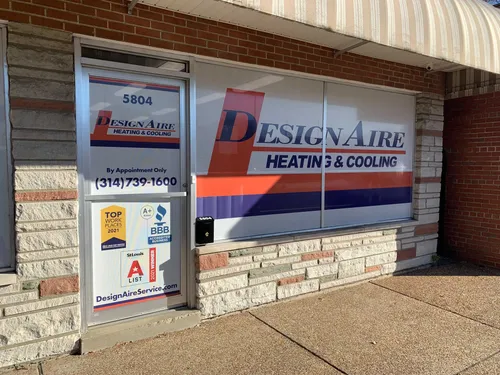
Design Aire Heating & Cooling - St. Louis
5804 Hampton Ave, St. Louis, MO 63109
Design Aire Heating & Cooling - St. Louis provides a full range of HVAC services in St. Louis, MO, including installation, maintenance, and repair of air conditioners, furnaces, boilers, and heat pumps. They also offer indoor air quality improvements such as air duct cleaning and advanced air purifiers. The company specializes in commercial and residential HVAC solutions, using the latest technologies to ensure systems run efficiently and safely. Established in 1904, Design Aire has a long history of serving the St. Louis area with a focus on quality and customer satisfaction.

Indoor Comfort Team
3640 Scarlet Oak Blvd, Kirkwood, MO 63122
Indoor Comfort Team is a family-owned HVAC company serving St Louis, MO, and nearby areas since 1979. They provide a wide range of services including air conditioning repair, furnace and heat pump installation and repair, mini split and geothermal heat pump systems, as well as indoor air quality solutions. Their NATE-certified technicians work with leading manufacturers to deliver heating and cooling services tailored to residential and commercial needs. Indoor Comfort Team offers specialized capabilities such as ground-source geothermal heat pump installations and maintains a commitment to customer satisfaction with workmanship guarantees.
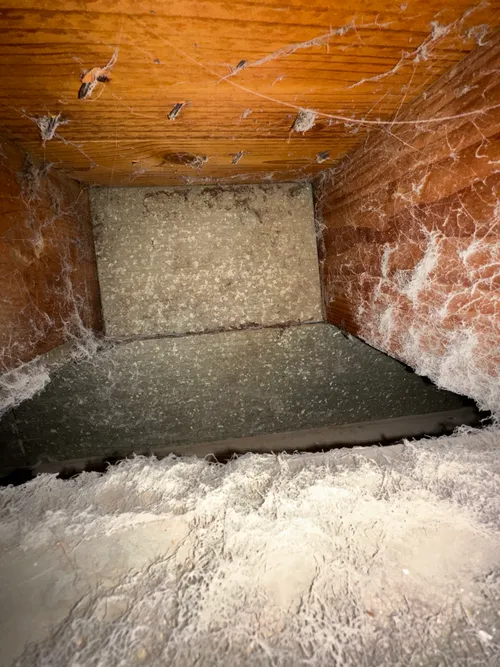
1St Global Air Duct Cleaning
2916 Ohio Ave, St. Louis, MO 63118
1St Global Air Duct Cleaning provides professional air duct and dryer vent cleaning services in St Louis, MO. The company focuses on improving indoor air quality by removing dust, allergens, and debris from HVAC systems in homes and businesses. Their trained technicians use specialized tools and techniques to enhance airflow and reduce allergy triggers, contributing to safer and more efficient HVAC operation. They serve St Louis and surrounding areas including Chesterfield, Wildwood, and Creve Coeur. The business operates 24/7, offering flexible scheduling to meet customer needs.
Tettaton
22 Sycamore Dr, Caseyville, IL 62232
Tettaton is a heating and air conditioning company serving St Louis, MO, and the surrounding Madison and St. Clair counties. They offer a range of HVAC services including repair, installation, and maintenance for air conditioners, furnaces, boilers, and indoor air quality systems. With over 69 years of experience since their founding in 1952, Tettaton provides expertise in custom sheet metal work and air purification solutions. Their technicians are EPA certified and licensed, ensuring professional service for residential and light commercial customers.
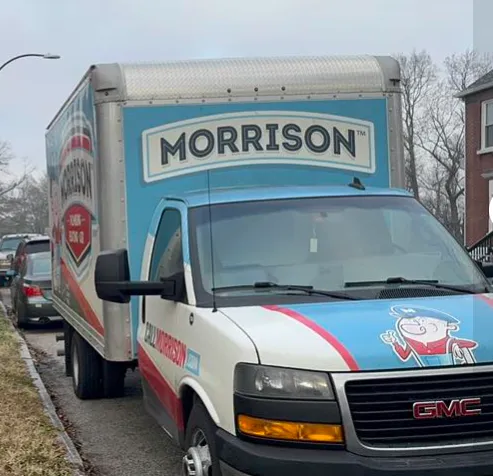
Morrison Plumbing, Heating, Air, & Electrical Services
8124B Bunkum Rd, Caseyville, IL 62232
Morrison Plumbing, Heating, Air, & Electrical Services provides indoor air quality services in St Louis, MO. They serve a wide area including Belleville, Caseyville, Collinsville, and other nearby communities. The company offers solutions to improve air quality and supports customers with financing options. Morrison Plumbing, Heating, Air, & Electrical Services covers multiple locations in the region to address indoor air concerns.
Understanding Belleville's Indoor Air Challenges
The indoor environment in Belleville homes and offices faces several common pollutants. Recognizing these is the first step toward a solution.
Radon Gas: A primary concern in Illinois, radon is a colorless, odorless radioactive gas that seeps from the ground into buildings. It is the leading cause of lung cancer among non-smokers. The U.S. Environmental Protection Agency (EPA) recommends testing all homes and offices, as unsafe levels can accumulate without any warning signs. Test results are typically analyzed by a certified laboratory.
Mold and Moisture: Fluctuating humidity levels, common in the Midwest, along with potential water damage from basements or leaks, create ideal conditions for mold growth. Musty odors are a common indicator. Exposure to mold spores can trigger allergic reactions, asthma attacks, and other respiratory issues.
Poor Ventilation and Pollutant Buildup: Modern, energy-efficient buildings are often tightly sealed, which can trap contaminants inside. Inadequate fresh air circulation allows pollutants from everyday activities-such as cooking fumes, cleaning products, off-gassing from furniture, and even pet dander-to accumulate 1. The Illinois Department of Public Health (IDPH) notes that elevated carbon dioxide (CO2) levels, often above 1,000 parts per million (ppm), can be a key indicator that ventilation needs improvement.
Other Common Contaminants: These can include volatile organic compounds (VOCs) from paints and solvents, carbon monoxide from malfunctioning appliances, dust mites, and pollen that infiltrates from outdoors 2.
How to Test Your Indoor Air in Belleville
Before investing in solutions, it's wise to assess the specific issues in your space. There are two main approaches: do-it-yourself screening and professional assessment.
DIY Testing and Monitoring: This is a practical and low-cost way to identify potential problems. Radon test kits are widely available and cost between $20 and $60 3. These kits are placed in the lowest livable level of a home (like a basement or first floor) for a specified period, often a minimum of three months for long-term accuracy, and then mailed to a lab for analysis. For mold, a simple visual inspection for water stains, discoloration, or a persistent musty smell is an effective first step 4. Consumer-grade air quality monitors can also provide real-time data on particles (PM2.5), VOCs, and humidity levels.
Professional IAQ Assessment: For a comprehensive analysis, especially in commercial settings or homes with persistent health symptoms, a professional evaluation is recommended. Local specialists use advanced equipment to test for a full spectrum of pollutants, including specific mold spore types, formaldehyde, carbon monoxide, and a range of VOCs 5. They follow established guidelines from organizations like IDPH and the American Society of Heating, Refrigerating and Air-Conditioning Engineers (ASHRAE) to provide a detailed report and remediation plan 6 7.
Find the perfect indoor air quality service providers for your needs
Get personalized recommendations and expert advice
Effective Strategies to Improve Your Indoor Environment
Improving your building's air doesn't have to be overwhelmingly complex or expensive. Experts generally agree on three fundamental strategies, listed in order of effectiveness: source control, ventilation improvements, and air cleaning 8.
1. Source Control: Eliminate Pollutants at the Origin
This is the most cost-effective long-term strategy. It involves removing or reducing the sources of pollution.
- Radon Mitigation: If testing reveals high radon levels, a certified professional can install a radon mitigation system, typically involving sub-slab depressurization to vent the gas safely outside.
- Moisture and Mold Management: Promptly repair leaks and dry water-damaged areas within 24-48 hours to prevent mold growth. Using dehumidifiers, especially in basements, can help maintain relative humidity below 60% to inhibit mold and dust mites 9.
- Choose Low-Emission Products: Opt for low-VOC or VOC-free paints, adhesives, and cleaning supplies. Allow new furniture or carpets to off-gas in a well-ventilated space before bringing them inside 10.
2. Enhance Ventilation: Dilute Stale Air with Fresh Air
Increasing the amount of outdoor air coming indoors dilutes the concentration of indoor pollutants.
- Natural Ventilation: Simply opening windows and doors when weather and outdoor air quality permit is a zero-cost method 11.
- Local Exhaust: Ensure kitchen range hoods and bathroom exhaust fans are functional and vented to the outdoors. These are critical for removing moisture, odors, and combustion by-products at their source 12.
- Mechanical Ventilation: For modern, tight homes, systems like Heat Recovery Ventilators (HRVs) or Energy Recovery Ventilators (ERVs) are highly effective. They bring in fresh, filtered outdoor air while simultaneously exhausting stale indoor air, recovering heat or coolness in the process to maintain energy efficiency 13.
3. Air Cleaning and Filtration: Capture Remaining Pollutants
When source control and ventilation aren't enough to achieve desired air cleanliness, filtration is the next step.
- Upgrade HVAC Filters: The simplest upgrade is replacing standard furnace filters with higher-efficiency pleated filters, such as those with a MERV 13 rating, which can capture finer particles like mold spores and dust.
- Stand-Alone Air Purifiers: Portable units with HEPA filters are excellent for cleaning the air in a single room. They are particularly useful for removing airborne particles like pollen, pet dander, and smoke.
- Whole-Home Air Cleaners: For whole-building solutions, devices like electronic air cleaners or UV-C germicidal lights can be integrated directly into your existing forced-air HVAC system. These systems work to clean the air throughout your entire home as it circulates 14.
Maintaining Healthy Indoor Air Long-Term
Achieving good indoor environmental quality is not a one-time project but an ongoing process. Regular maintenance of your HVAC system is paramount; a dirty system can become a source of pollution itself. Have your furnace and air conditioner serviced annually, and ensure ductwork is properly sealed and cleaned if necessary. Continue to be mindful of source control by storing chemicals properly and quickly addressing spills or water incidents. Periodically retesting for radon, especially after any major renovations to your foundation or lower levels, is also a wise precaution.
Frequently asked questions
Sources
Footnotes
-
What are the major sources of indoor air pollution? | The effects ... - Metrikus - https://www.metrikus.io/blog/what-are-the-major-sources-of-indoor-air-pollution ↩
-
What Makes Indoor Air Unhealthy? - American Lung Association - https://www.lung.org/clean-air/indoor-air/indoor-air-pollutants ↩
-
The National Radon Measurement Proficiency (RMP) Program - https://nepis.epa.gov/Exe/ZyPURL.cgi?Dockey=9101XTHU.TXT ↩
-
Top Signs Your Indoor Air Quality Is Poor | AirSouth Cooling and Heating - https://www.airsouthnow.com/blog/air-conditioning-service/top-signs-your-indoor-air-quality-is-poor/ ↩
-
Indoor Environmental Quality - PMC - https://pmc.ncbi.nlm.nih.gov/articles/PMC7150156/ ↩
-
IDPH Guidelines for Indoor Air Quality - Illinois.gov - https://dph.illinois.gov/topics-services/environmental-health-protection/toxicology/indoor-air-quality-healthy-homes/idph-guidelines-indoor-air-quality.html ↩
-
Indoor Air Pollution: New Threats and New Tools ... - https://www.greenbuildermedia.com/blog/indoor-air-pollution-new-threats-and-new-tools ↩
-
Improving Indoor Air Quality | US EPA - https://www.epa.gov/indoor-air-quality-iaq/improving-indoor-air-quality ↩
-
Dehumidifier Installation in Belleville | BEL-O Cooling & Heating - https://www.belocooling.com/indoor-air-quality/dehumidifiers/ ↩
-
Introduction to Indoor Air Quality Reference Manual - https://nepis.epa.gov/Exe/ZyPURL.cgi?Dockey=000000S0.TXT ↩
-
THREE BASIC STRATEGIES TO IMPROVE INDOOR AIR QUALITY - https://airquip.com/three-basic-strategies-to-improve-indoor-air-quality/ ↩
-
Indoor Air Quality in Offices - https://link.springer.com/rwe/10.1007/978-981-16-7680-2_77 ↩
-
Enhanced Indoor Air Quality Strategies ref guide BDC - USGBC - https://www.usgbc.org/node/2755634 ↩
-
How to Improve Indoor Air Quality - Strada Services - https://stradaservices.com/about-us/blog/how-to-improve-indoor-air-quality/ ↩