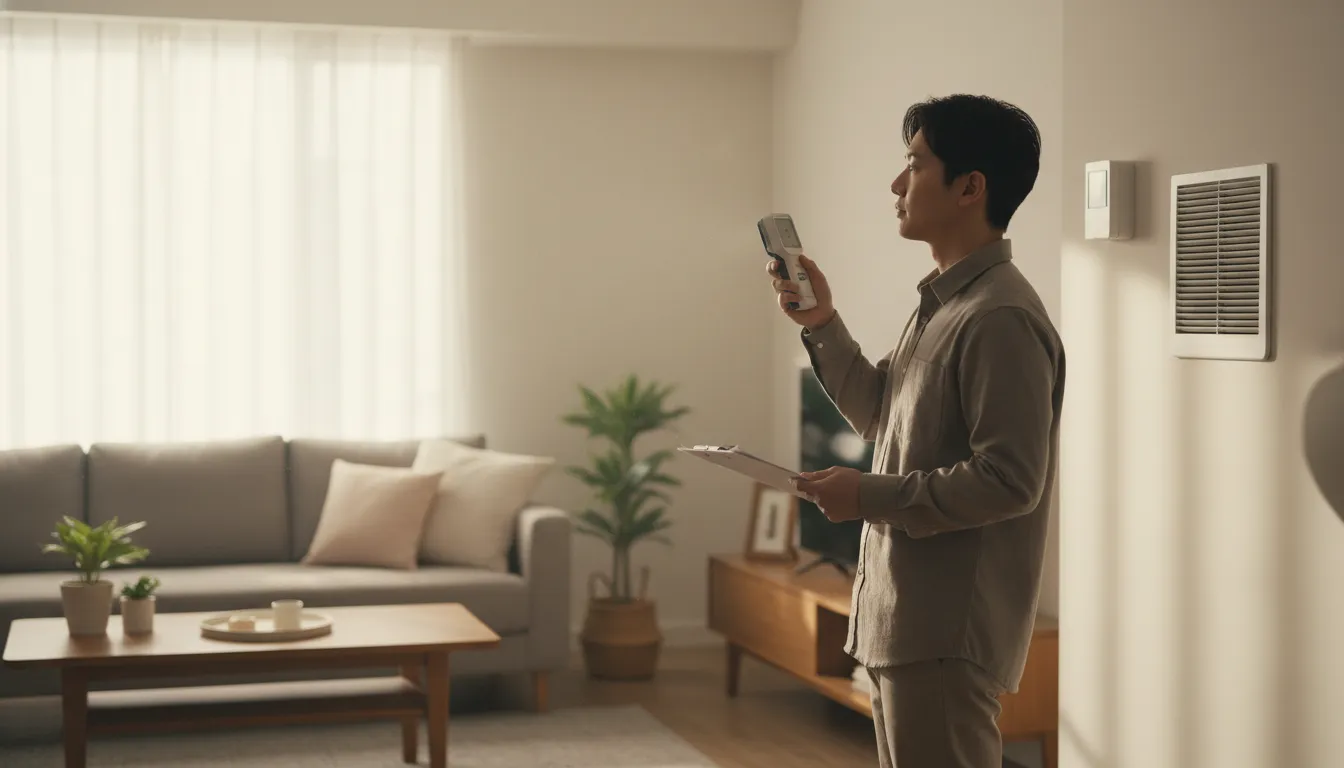
Find the Best Indoor Air Quality Service Providers for Your Business
No obligation • Fast responses • Nationwide coverage

Why you can trust HVAC Firms
HVAC Firms is a leading United States resource for evaluating HVAC service providers. Our team researches companies, checks credentials, and reviews customer feedback to present clear, unbiased information. Listings and rankings are based on merit, and companies cannot pay to change our editorial content.
Search providers near you
Top Indoor Air Quality Service Providers in Longmont, Colorado Ranked
The air you breathe inside your Longmont home has a direct impact on your health, comfort, and well-being. Indoor air quality, or IAQ, refers to the condition of the air within and around buildings, especially as it relates to the health of the occupants. In Longmont, unique local factors-from our geography to our climate-can create specific indoor air challenges. Understanding these issues and knowing how to find local expertise for testing and improvement is the first step toward creating a healthier living environment for you and your family.
This guide will help you identify common indoor air pollutants in the area, explore methods for assessment, and outline effective strategies for enhancement. Whether you're concerned about seasonal allergens, year-round radon, or pollutants from everyday activities, taking proactive steps can make a significant difference.
True Heating & Cooling
1351 W 121st Ave, Westminster, CO 80234
True Heating & Cooling is an HVAC company based in Denver, CO, offering heating, air conditioning, and indoor air quality services. They serve Westminster and nearby areas including Broomfield and Boulder. Their services include installation, repair, and maintenance of furnaces, boilers, air conditioners, heat pumps, ductless mini-split systems, and thermostats. As NATE-certified technicians and official Lennox dealers, they provide skilled work with access to quality equipment. True Heating & Cooling has 24/7 emergency availability to address urgent HVAC needs.
The Weather Changers Heating and Air Conditioning
10525 E 40th Ave #203, Denver, CO 80239
The Weather Changers Heating and Air Conditioning is an HVAC company based in Denver, CO, offering a full range of heating, cooling, and indoor air quality services. They provide installation, repair, and maintenance for air conditioners, furnaces, heat pumps, ductless systems, and thermostats. The company is a Bryant Factory Authorized Dealer and emphasizes proper sizing and installation to optimize system efficiency and longevity. They serve Denver and surrounding areas including Aurora, Centennial, and Parker. Their expertise includes indoor air quality solutions such as humidifier installation and duct cleaning. The Weather Changers has over 15 years of experience serving multiple properties and offers a 100% satisfaction guarantee.
Efficient Comfort: Heating, Cooling & Mechanical
10835 N Dover St #100, Westminster, CO 80021
Efficient Comfort: Heating, Cooling & Mechanical is a family owned and operated HVAC company serving Aurora, CO, and the surrounding Denver metro areas. Founded in 2007, the company offers a wide range of heating and cooling services including installation, repair, and maintenance of furnaces, air conditioners, heat pumps, boilers, and ductless mini splits. As Bryant Factory Authorized Dealers, they provide expertise in managing indoor air quality with accessories like air cleaners, humidifiers, ventilators, and UV lights. The company emphasizes ethical business practices and community involvement.
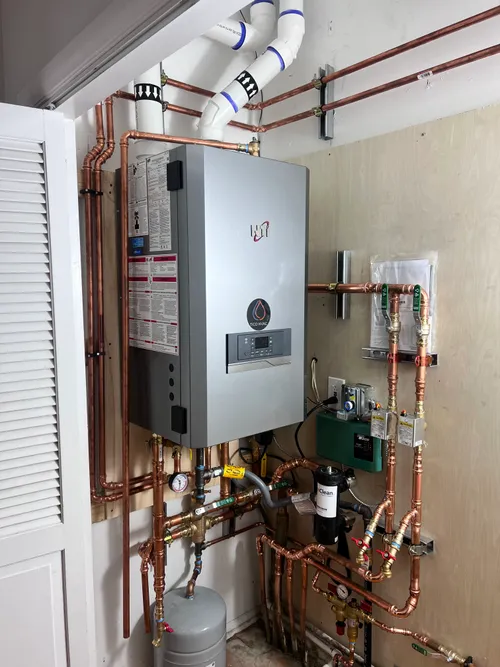
Tico HVAC LLC
4855 W 127th Pl, Broomfield, CO 80020
Tico HVAC LLC is a family-owned HVAC company serving Denver, CO, with over 17 years of experience. They provide a range of services including repair and maintenance for air conditioners, furnaces, heat pumps, and boilers, as well as indoor air quality solutions and ERV ventilation systems. The company offers individualized consultations to help customers select the right HVAC options for their homes or businesses. Licensed and insured, Tico HVAC LLC handles both routine maintenance and emergency repairs, ensuring tailored service for each client.
MoJo Home Services (formerly TechnicAir)
4000 Newman St, Wheat Ridge, CO 80033
MoJo Home Services (formerly TechnicAir) is a family-owned HVAC contractor based in Denver, CO. They provide repair, installation, and maintenance services for residential and commercial heating and cooling systems, including furnaces, air conditioners, heat pumps, and indoor air quality solutions. Serving the Denver Metro Area, their NATE-certified technicians offer expertise in energy-efficient heating and emergency HVAC repairs. Established in 2009, MoJo Home Services has over 16 years of experience keeping Colorado homes comfortable year-round.
Understanding Longmont's Unique Indoor Air Challenges
The quality of your indoor air in Longmont is influenced by a combination of outdoor environmental factors and sources generated inside the home itself. Being aware of these specific contributors is key to diagnosing and solving air quality problems.
Outdoor Influences on Your Indoor Air
- Nearby Oil and Gas Development: While not within city limits, emissions from oil and gas operations to the north and east can drift into Longmont. Pollutants like methane and benzene may infiltrate homes, particularly during certain weather patterns. The City of Longmont actively monitors local air quality for these and other compounds, with data available to the public.
- Wildfire Smoke: Colorado's wildfire season can significantly degrade both outdoor and indoor air. Smoke particles (PM2.5) and black carbon can easily enter homes through ventilation systems, windows, and doors 1.
- Traffic-Related Pollution: Pollutants such as nitrogen dioxide (NO2) and carbon monoxide (CO) from vehicle emissions are common in urban and suburban areas. These can enter homes, especially those near major roads or with poor sealing2.
- Radon: This colorless, odorless radioactive gas is a serious health concern in Colorado due to our geology. It seeps from the soil into basements and crawl spaces. Radon is the leading cause of lung cancer among non-smokers, making testing in Longmont homes essential.
Common Indoor Sources of Pollution
- Combustion Appliances: Gas stoves, ovens, furnaces, and water heaters are common sources of indoor pollutants like carbon monoxide (CO) and nitrogen dioxide (NO2). Inadequate venting or poorly maintained appliances can lead to dangerous accumulations 3.
- Mold and Moisture: Longmont's climate, combined with potential moisture in basements, crawl spaces, and bathrooms, creates ideal conditions for mold growth. Mold spores can trigger allergic reactions, asthma attacks, and other respiratory issues.
- Volatile Organic Compounds (VOCs): These are emitted as gases from a wide array of household products, including paints, varnishes, cleaning supplies, adhesives, and even new furniture and carpets. They can cause headaches, eye and throat irritation, and long-term health effects.
- Biological Allergens: Pet dander, dust mites, and pollen are perennial triggers for allergy and asthma sufferers. These allergens can become concentrated indoors, particularly with poor ventilation or filtration.
- Poor Ventilation: Modern, energy-efficient homes are often built to be very "tight," which is great for reducing energy bills but can trap pollutants inside. Inadequate fresh air exchange leads to a buildup of CO2, odors, and contaminants, causing stuffiness and reduced cognitive function.
How to Assess Your Home's Air Quality in Longmont
Before investing in solutions, it's wise to understand the specific issues in your home. A combination of DIY monitoring and professional testing can provide a clear picture.
Do-It-Yourself Monitoring and Testing
- Radon Test Kits: The City of Longmont and the local library often provide resources or information on obtaining low-cost or loanable radon test kits. This is a critical first test for every homeowner4.
- Library Loaner Programs: Check with the Longmont Public Library for portable indoor air quality monitors, such as CO2 or particulate matter sensors, available for checkout.
- Consumer-Grade Monitors: Smart air quality monitors from companies like Airthings can provide continuous, real-time data on key metrics like PM2.5, VOCs, CO2, radon, humidity, and temperature. These devices help you track patterns and the effectiveness of interventions5.
- Outdoor Air Quality Resources: Use apps and websites like Bouldair or the EPA's AirNow to check local outdoor air quality. This information can help you decide when it's safe to open windows for ventilation6.
Professional Indoor Air Quality Testing
For a comprehensive analysis, especially if health symptoms are present or you suspect a specific issue like mold or high VOC levels, hiring a local professional is recommended.
- What They Test For: Professional services can conduct detailed testing for mold spores, a full spectrum of VOCs, formaldehyde, allergens (like dust mites and pet dander), and combustion gases.
- The Process: A certified technician will perform an audit of your home, identify potential sources, and use specialized equipment to take air samples. They provide a detailed report explaining the findings and their significance.
- Finding a Provider: Look for local companies with certified technicians who specialize in indoor environmental testing. They can provide the most accurate assessment and guide you toward effective, targeted solutions.
Find the perfect indoor air quality service providers for your needs
Get personalized recommendations and expert advice
Effective Strategies to Improve Your Indoor Air
Improving your home's air involves a multi-pronged approach, often summarized as Source Control, Ventilation, and Filtration.
1. Source Control (The Most Cost-Effective Strategy)
Eliminate or reduce pollutants at their origin.
- Address Moisture: Fix leaks promptly, use dehumidifiers in damp basements, and run bathroom exhaust fans during and after showers to prevent mold growth.
- Choose Low-VOC Products: Opt for paints, cleaners, and building materials labeled "low-VOC" or "zero-VOC."
- Manage Combustion: Ensure gas appliances are properly vented and serviced annually. Consider switching from a gas to an electric stove, especially if family members have respiratory issues7.
- Maintain Cleanliness: Regular vacuuming with a HEPA-filtered vacuum and dusting with a damp cloth can reduce dust, pet dander, and allergens.
2. Enhance Ventilation (Diluting Pollutants)
Bringing in fresh outdoor air is crucial, but must be done strategically in Longmont.
- Natural Ventilation: Open windows and doors when outdoor air quality is good (check local resources). Cross-ventilation is most effective.
- Exhaust Fans: Always use kitchen exhaust hoods that vent to the outside when cooking, and run bathroom fans.
- Advanced Systems: For a tightly sealed home, consider installing an Energy Recovery Ventilator (ERV) or Heat Recovery Ventilator (HRV). These systems continuously bring in fresh, filtered outdoor air while exhausting stale indoor air, recovering energy in the process to maintain efficiency. Installation is a more significant investment, often over $2,000.
3. Upgrade Filtration (Cleaning the Air)
- HVAC Filter Upgrades: The simplest step is to upgrade the filter in your central heating and cooling system. Look for filters with a MERV 13 or higher rating, which can capture fine particles like PM2.5 from wildfire smoke. Change them regularly.
- Portable Air Purifiers: These are excellent for single rooms or spaces where you spend the most time. Choose a unit with a true HEPA filter for particles and, if needed, an activated carbon layer for gases and odors.
- Whole-Home Air Cleaners: Installed directly into your HVAC ductwork, these systems (like media air cleaners or electronic air purifiers) clean the air throughout your entire house as it circulates. They are a more comprehensive solution, with installed costs typically ranging from $500 to $2,000 or more, depending on the technology and home size8 9.
Remediation for Specific Problems
- Mold Remediation: If testing confirms a mold problem, professional remediation is often necessary to safely remove contaminated materials and address the underlying moisture issue. Costs can range from several hundred to several thousand dollars.
- Duct Cleaning: While not always needed, having your air ducts cleaned can be beneficial if there is visible mold growth, vermin infestation, or excessive dust and debris being released from the registers.
Investing in Healthier Air: Cost Considerations
The cost of improving your indoor air quality in Longmont varies widely based on the chosen strategies:
- Low-Cost ($100s): High-quality HVAC filters, portable HEPA air purifiers, radon test kits, and moisture control products like dehumidifiers.
- Mid-Range ($500 - $2,000): Professional IAQ testing, whole-home in-duct air cleaners, and advanced source control measures.
- Higher Investment ($2,000+): Installing Energy Recovery Ventilators (ERVs), comprehensive mold remediation, or upgrading major appliances (e.g., gas to electric stove).
The right approach for your home depends on the results of your assessment, your budget, and your health priorities. Starting with source control and ventilation provides a strong foundation, with filtration and remediation addressing more specific or persistent issues10 11.
Frequently asked questions
Sources
Footnotes
-
Impact of Outdoor Air Pollution on Indoor Air Quality in Low-Income ... - https://pdfs.semanticscholar.org/4dea/09f8ac1858a16f5c1633515e3927408a779f.pdf ↩
-
Impact of Outdoor Air Pollution on Indoor Air Quality in Low-Income ... - https://pmc.ncbi.nlm.nih.gov/articles/PMC6801919/ ↩
-
Defining an indoor air quality problem - https://cdphe.colorado.gov/defining-an-indoor-air-quality-problem ↩
-
Action: BI-1 | Longmont Indicators / Sustainability Plan - https://indicators.longmontcolorado.gov/sustainability/actions/BI-1 ↩
-
How to test indoor air quality in your home - Airthings - https://www.airthings.com/resources/how-to-test-air-quality-in-your-home ↩
-
Quarterly Summary of Longmont Air Quality Data Posted Online - https://longmontcolorado.gov/news/quarterly-summary-of-longmont-air-quality-data-posted-online/ ↩
-
What are the major sources of indoor air pollution? | The effects ... - Metrikus - https://www.metrikus.io/blog/what-are-the-major-sources-of-indoor-air-pollution ↩
-
Indoor Air Quality Longmont CO - https://lionhomeservice.com/indoor-air-quality-longmont/ ↩
-
THREE BASIC STRATEGIES TO IMPROVE INDOOR AIR QUALITY - https://airquip.com/three-basic-strategies-to-improve-indoor-air-quality/ ↩
-
Indoor Air Quality Testing in Colorado | VOC Inspections - https://www.boulderhomeinspectors.com/indoor-air-quality-and-voc-testing/ ↩
-
Improving Indoor Air Quality | US EPA - https://www.epa.gov/indoor-air-quality-iaq/improving-indoor-air-quality ↩