Find the Best Indoor Air Quality Service Providers for Your Business
No obligation • Fast responses • Nationwide coverage

Why you can trust HVAC Firms
HVAC Firms is a leading United States resource for evaluating HVAC service providers. Our team researches companies, checks credentials, and reviews customer feedback to present clear, unbiased information. Listings and rankings are based on merit, and companies cannot pay to change our editorial content.
Search providers near you
Best Indoor Air Quality Service Providers in Colorado Ranked
The air inside your Colorado home can have a significant impact on your health and comfort. Indoor air quality (IAQ) refers to the condition of the air within buildings, influenced by pollutants like dust, chemicals, mold, and gases. In Colorado, unique factors such as high radon potential, wildfire smoke, and dry climate make proactive IAQ management especially important. This guide explains the key pollutants, effective strategies for cleaner air, and how to find qualified local specialists for testing and improvements.
True Heating & Cooling
1351 W 121st Ave, Westminster, CO 80234
True Heating & Cooling is an HVAC company based in Denver, CO, offering heating, air conditioning, and indoor air quality services. They serve Westminster and nearby areas including Broomfield and Boulder. Their services include installation, repair, and maintenance of furnaces, boilers, air conditioners, heat pumps, ductless mini-split systems, and thermostats. As NATE-certified technicians and official Lennox dealers, they provide skilled work with access to quality equipment. True Heating & Cooling has 24/7 emergency availability to address urgent HVAC needs.
Signature Heating & Air, Inc.
7201 S Rome St, Centennial, CO 80016
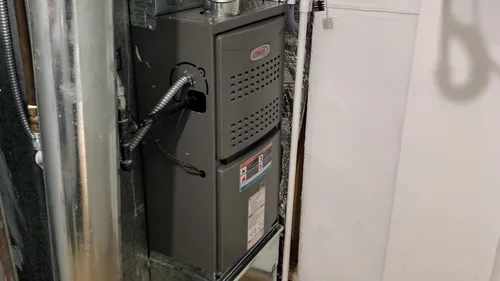
Signature Heating & Air, Inc. is a family-owned and operated HVAC company serving Aurora, CO, and nearby communities since 1999. They provide a range of heating and air conditioning services including installation, repair, and maintenance of AC units, furnaces, and thermostats. The company also offers indoor air quality solutions to improve home ventilation. As an authorized Amana dealer, they install reliable and energy-efficient systems known for long-term comfort. Their service area includes Centennial and surrounding Colorado communities.
Monster Vac
2707 W Mansfield Ave, Englewood, CO 80110
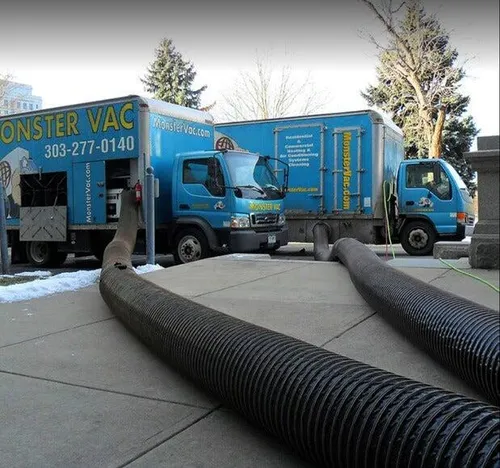
Monster Vac is a duct cleaning company based in Denver, CO, specializing in indoor air quality services. They use large truck-mounted vacuums and air-powered scrubber brushes to thoroughly clean air ducts throughout homes and commercial buildings. Their process includes cleaning blower fans, furnace cabinets, and heating and air conditioning coils to improve system efficiency and indoor air quality.
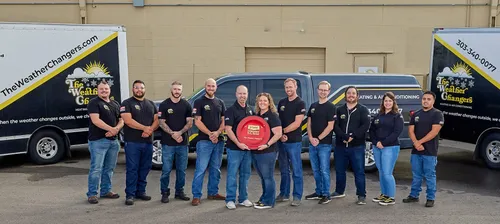
The Weather Changers Heating and Air Conditioning
10525 E 40th Ave #203, Denver, CO 80239
The Weather Changers Heating and Air Conditioning is an HVAC company based in Denver, CO, offering a full range of heating, cooling, and indoor air quality services. They provide installation, repair, and maintenance for air conditioners, furnaces, heat pumps, ductless systems, and thermostats. The company is a Bryant Factory Authorized Dealer and emphasizes proper sizing and installation to optimize system efficiency and longevity. They serve Denver and surrounding areas including Aurora, Centennial, and Parker. Their expertise includes indoor air quality solutions such as humidifier installation and duct cleaning. The Weather Changers has over 15 years of experience serving multiple properties and offers a 100% satisfaction guarantee.
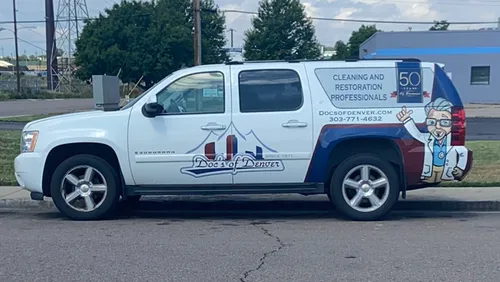
Doc's of Denver
2390 S Kalamath St unit c, Denver, CO 80223
Doc's of Denver is a family-owned cleaning and restoration company serving Denver, CO, and the surrounding metro area. Established in 1971, they offer a wide range of residential and commercial cleaning services including carpet cleaning, upholstery care, hardwood floor recoating, stone polishing, and indoor air quality improvement through thorough duct cleaning. Their duct cleaning service uses negative pressure and compressed air to remove dust, allergens, and contaminants from HVAC systems, helping to improve indoor air quality. They also provide dryer vent cleaning to enhance airflow and safety. Doc's of Denver serves multiple communities across the Denver Metro area, including Lakewood, Castle Rock, Aurora, and more.
Understanding Colorado's Indoor Air Landscape
Colorado takes a proactive, health-based approach to indoor air, emphasizing education and best practices over strict residential regulations. The Colorado Department of Public Health and Environment (CDPHE) provides extensive guidance, focusing on source control, ventilation, and filtration as the pillars of healthy indoor air. While there are no official, legally binding IAQ standards for private homes, data is often compared to outdoor air standards or guidelines from organizations like the World Health Organization (WHO). The state does enforce laws like the Colorado Clean Indoor Air Act, which prohibits smoking in most public places and workplaces.
Key Pollutants in Colorado Homes
Several specific contaminants are common concerns for Colorado residents. Understanding these is the first step toward mitigation.
- Radon: This colorless, odorless radioactive gas is a leading environmental cause of lung cancer. It occurs naturally in Colorado's geology and can seep into homes through cracks in foundations. Statewide radon potential is classified as high, making testing a critical step for every homeowner.
- Particulate Matter (PM2.5): These fine particles can penetrate deep into the lungs. In Colorado, sources include wood-burning stoves and fireplaces, cooking, candles, and, significantly, outdoor wildfire smoke that infiltrates indoors 1 2.
- Volatile Organic Compounds (VOCs): These are gases emitted from a wide array of household products, including paints, varnishes, cleaning supplies, adhesives, and new furniture or building materials. They can cause short- and long-term health effects.
- Mold and Moisture: Colorado's climate can be dry, but indoor moisture from humidifiers, showers, or basements can create pockets of high humidity. Levels exceeding 35% can encourage mold growth, which releases spores and can trap other pollutants 3.
- Carbon Monoxide (CO): This lethal, odorless gas is produced by incomplete combustion in fuel-burning appliances like furnaces, water heaters, and gas stoves. Proper appliance maintenance and CO detectors are essential.
- Secondhand Smoke: Prohibited in most indoor public spaces by state law, exposure in multi-unit housing or private residences remains a health risk 4.
Proven Strategies for Healthier Indoor Air
Improving your home's air doesn't require a single complex solution but rather a layered strategy. The CDPHE and EPA recommend a three-pronged approach: control sources, ventilate, and clean the air 5.
1. Source Control: The Most Effective Method
The best way to improve IAQ is to eliminate or reduce pollutants at their origin.
- Test for Radon: Use a short-term or long-term radon test kit. If levels are at or above 4 pCi/L, professional radon mitigation is recommended.
- Maintain Fuel-Burning Appliances: Have furnaces, water heaters, and gas stoves inspected annually by a qualified technician to ensure proper venting and combustion.
- Choose Low-VOC Products: Opt for paints, cleaners, and building materials labeled "low-VOC" or "zero-VOC."
- Control Moisture: Use exhaust fans in bathrooms and kitchens, fix leaks promptly, and consider a dehumidifier for damp basements to prevent mold.
2. Ventilation: Dilute Pollutants with Fresh Air
Bringing in fresh outdoor air dilutes the concentration of indoor pollutants.
- Natural Ventilation: Open windows and doors when weather and outdoor air quality (e.g., during non-wildfire periods) permit.
- Mechanical Ventilation: Ensure your HVAC system is properly balanced. The American Society of Heating, Refrigerating and Air-Conditioning Engineers (ASHRAE) recommends a ventilation rate of 0.35 air changes per hour or 15 cubic feet per person per minute for living areas 6 7. Energy Recovery Ventilators (ERVs) or Heat Recovery Ventilators (HRVs) are excellent for providing fresh, filtered air without significant energy loss.
3. Filtration: Clean the Air That Circulates
Air cleaners and filters can remove particles and some gases that are already present.
- HVAC System Filters: Upgrade the filter in your central heating and cooling system. A filter with a Minimum Efficiency Reporting Value (MERV) of 13 or higher is effective at capturing fine particles like PM2.5 8 9. Check that your system can handle the increased airflow resistance of a higher-MERV filter.
- Portable Air Cleaners: For rooms where you spend the most time, consider a portable air cleaner with a true HEPA filter for particles and, if needed, an activated carbon layer for gases and odors.
- Standalone Air Purifiers: These are particularly useful for addressing specific concerns like wildfire smoke or allergens in bedrooms or living rooms.
Find the perfect indoor air quality service providers for your needs
Get personalized recommendations and expert advice
Professional IAQ Testing and Improvement Costs
If you suspect a problem or want a baseline assessment, hiring a professional is wise. Costs in Colorado vary based on home size, location, and the scope of testing.
Testing Costs:
- Basic Whole-Home IAQ Assessment: A general evaluation can range from approximately $292 to $584 10.
- Specific Pollutant Tests:
- Radon Testing: Professional testing typically costs between $150 and $800.
- Mold Inspection and Testing: This can range from $300 to $1,000.
- VOC Testing: Sampling and lab analysis may cost $200 to $400 per sample.
- Carbon Monoxide: Professional appliance testing and inspection generally runs $100 to $200 11.
Improvement/Remediation Costs:
- Radon Mitigation System: Installing an active soil depressurization system averages $800 to $1,300 in Colorado 12.
- Mold Remediation: The cost to professionally remove mold depends on the extent of growth, typically ranging from $1,200 to $3,800 13.
- Air Cleaners & Filters: Portable HEPA air cleaners vary widely, while high-quality HVAC filters (MERV 13+) are a relatively low-cost upgrade 14.
Finding Qualified IAQ Help in Colorado
For specific guidance or to address a known issue, the CDPHE recommends contacting an independent specialist. Look for professionals listed under "Industrial Hygienists" or "Environmental Consultants" in local directories 15. When selecting a provider, seek those with certifications from organizations like the American Industrial Hygiene Association (AIHA) or the National Environmental Health Association (NEHA). Always ask for references, a detailed plan of action, and a clear, written estimate before work begins.
Frequently asked questions
Sources
Footnotes
-
Wood smoke and your health | Colorado Department of Public ... - https://cdphe.colorado.gov/wood-smoke-and-your-health ↩
-
Particulate matter and your health | Colorado Department of Public ... - https://cdphe.colorado.gov/public-information/particulate-matter-and-your-health ↩
-
Indoor Air Quality And Health Risks | Colorado Hazard Control - https://www.coloradohazard.com/articles/managing-indoor-air-quality.php ↩
-
Colorado Clean Indoor Air Act - Agencies - https://content.leg.colorado.gov/sites/default/files/colorado_clean_indoor_air_act_remediated.pdf ↩
-
Learn about IAQ | Colorado Department of Public Health and ... - https://cdphe.colorado.gov/learn-about-iaq ↩
-
Ventilation for Air Quality | Colorado Energy - http://www.coloradoenergyanalysts.com/index.php?page=indoor-air-quality-2 ↩
-
CU Boulder Indoor Air Quality Study - https://www.colorado.edu/mechanical/sites/default/files/attached-files/final_report_template.pdf ↩
-
Air pollution and your health | Colorado Department of Public ... - https://cdphe.colorado.gov/air-quality/your-health ↩
-
Improving Indoor Air Quality | US EPA - https://www.epa.gov/indoor-air-quality-iaq/improving-indoor-air-quality ↩
-
How Much Does Indoor Air Quality Testing Cost? [2026 Data] | Angi - https://www.angi.com/articles/how-much-does-indoor-air-quality-testing-cost.htm ↩
-
How Much Does Indoor Air Quality Testing Cost? [2025 Data] - https://www.homeadvisor.com/cost/environmental-safety/test-indoor-air-quality/ ↩
-
Study Details | NCT07047430 | The Airports, Air Quality, and Asthma (AAA) Study - https://clinicaltrials.gov/study/NCT07047430 ↩
-
Reducing SARS-CoV-2 in Shared Indoor Air - https://pmc.ncbi.nlm.nih.gov/articles/PMC11338317/ ↩
-
Best Air Filter Buying Guide - https://www.consumerreports.org/appliances/air-filters/buying-guide/ ↩
-
Defining an indoor air quality problem - https://cdphe.colorado.gov/defining-an-indoor-air-quality-problem ↩