Find the Best Indoor Air Quality Service Providers for Your Business
No obligation • Fast responses • Nationwide coverage

Why you can trust HVAC Firms
HVAC Firms is a leading United States resource for evaluating HVAC service providers. Our team researches companies, checks credentials, and reviews customer feedback to present clear, unbiased information. Listings and rankings are based on merit, and companies cannot pay to change our editorial content.
Search providers near you
Top Indoor Air Quality Service Providers in Denver, Colorado Ranked
The air you breathe inside your Denver home or office has a direct impact on your health, comfort, and productivity. Indoor air quality (IAQ) refers to the condition of the air within and around buildings, particularly as it relates to the health and well-being of occupants. In Denver, this is a critical concern due to the city's unique environmental factors, which can make indoor air 2-5 times more polluted than outdoor air. Understanding and managing your indoor environment is essential for mitigating local hazards like wildfire smoke, radon, and chemical pollutants. This guide will help you identify common issues, explore professional solutions, and connect with local experts who can assess and improve your home's air.
True Heating & Cooling
1351 W 121st Ave, Westminster, CO 80234
True Heating & Cooling is an HVAC company based in Denver, CO, offering heating, air conditioning, and indoor air quality services. They serve Westminster and nearby areas including Broomfield and Boulder. Their services include installation, repair, and maintenance of furnaces, boilers, air conditioners, heat pumps, ductless mini-split systems, and thermostats. As NATE-certified technicians and official Lennox dealers, they provide skilled work with access to quality equipment. True Heating & Cooling has 24/7 emergency availability to address urgent HVAC needs.
Signature Heating & Air, Inc.
7201 S Rome St, Centennial, CO 80016
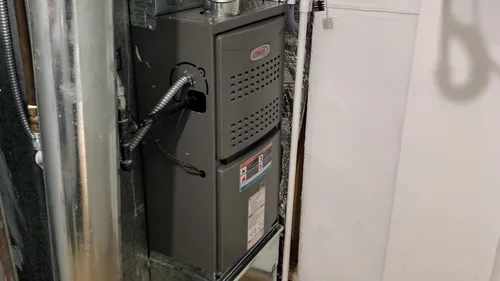
Signature Heating & Air, Inc. is a family-owned and operated HVAC company serving Aurora, CO, and nearby communities since 1999. They provide a range of heating and air conditioning services including installation, repair, and maintenance of AC units, furnaces, and thermostats. The company also offers indoor air quality solutions to improve home ventilation. As an authorized Amana dealer, they install reliable and energy-efficient systems known for long-term comfort. Their service area includes Centennial and surrounding Colorado communities.
Monster Vac
2707 W Mansfield Ave, Englewood, CO 80110
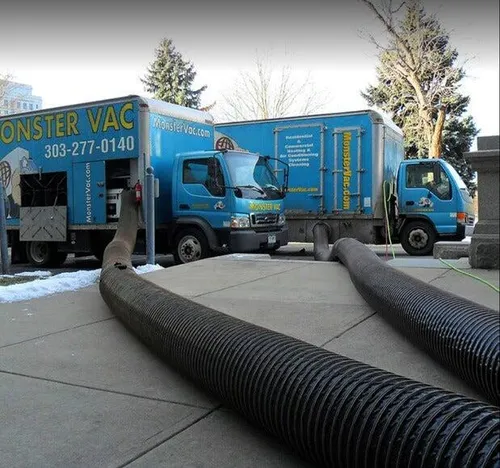
Monster Vac is a duct cleaning company based in Denver, CO, specializing in indoor air quality services. They use large truck-mounted vacuums and air-powered scrubber brushes to thoroughly clean air ducts throughout homes and commercial buildings. Their process includes cleaning blower fans, furnace cabinets, and heating and air conditioning coils to improve system efficiency and indoor air quality.
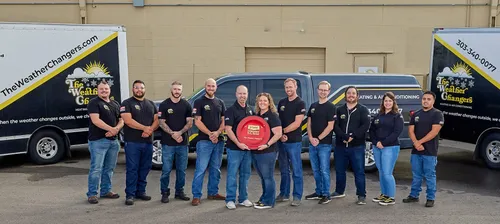
The Weather Changers Heating and Air Conditioning
10525 E 40th Ave #203, Denver, CO 80239
The Weather Changers Heating and Air Conditioning is an HVAC company based in Denver, CO, offering a full range of heating, cooling, and indoor air quality services. They provide installation, repair, and maintenance for air conditioners, furnaces, heat pumps, ductless systems, and thermostats. The company is a Bryant Factory Authorized Dealer and emphasizes proper sizing and installation to optimize system efficiency and longevity. They serve Denver and surrounding areas including Aurora, Centennial, and Parker. Their expertise includes indoor air quality solutions such as humidifier installation and duct cleaning. The Weather Changers has over 15 years of experience serving multiple properties and offers a 100% satisfaction guarantee.
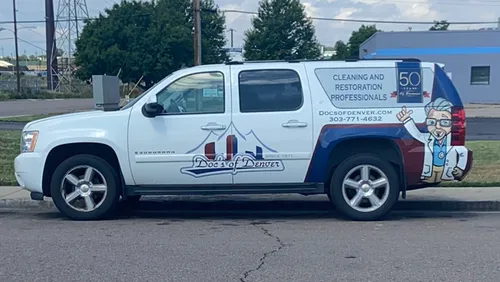
Doc's of Denver
2390 S Kalamath St unit c, Denver, CO 80223
Doc's of Denver is a family-owned cleaning and restoration company serving Denver, CO, and the surrounding metro area. Established in 1971, they offer a wide range of residential and commercial cleaning services including carpet cleaning, upholstery care, hardwood floor recoating, stone polishing, and indoor air quality improvement through thorough duct cleaning. Their duct cleaning service uses negative pressure and compressed air to remove dust, allergens, and contaminants from HVAC systems, helping to improve indoor air quality. They also provide dryer vent cleaning to enhance airflow and safety. Doc's of Denver serves multiple communities across the Denver Metro area, including Lakewood, Castle Rock, Aurora, and more.
Why Denver's Indoor Air Presents Unique Challenges
Denver's high elevation, semi-arid climate, and urban geography create a perfect storm for indoor air pollution. The city is situated on the High Plains at the foot of the Rocky Mountains, which contributes to several persistent issues.
- Temperature Inversions: During winter, cold air gets trapped in the Denver basin by a layer of warmer air above, creating a "lid" that prevents pollutants from dissipating. This phenomenon concentrates everything from vehicle emissions to fireplace smoke at ground level, which then infiltrates our tightly sealed homes and buildings 1.
- Wildfire Smoke & Particulate Matter: The Front Range is increasingly susceptible to wildfires. Smoke from nearby and distant fires carries fine particulate matter (PM2.5) that easily seeps indoors, posing serious respiratory risks.
- Radon Gas: Colorado's geology produces high levels of naturally occurring radon. This radioactive, odorless gas seeps from the soil into buildings through cracks in foundations and slabs. Radon is the second leading cause of lung cancer and is a significant health concern statewide.
- The Sealed Building Paradox: Modern, energy-efficient construction is designed to be airtight to conserve energy. While this saves on utility bills, it also traps pollutants indoors. Without adequate ventilation, volatile organic compounds (VOCs) from paints, cleaners, and building materials, along with moisture and allergens, can accumulate to unhealthy levels.
Common Indoor Air Contaminants in Denver Homes
Being able to identify potential pollutants is the first step toward a healthier indoor environment. Here are the most prevalent offenders in the Mile High City.
Radon: The Invisible Threat
As mentioned, radon is a pervasive issue. The only way to know if your home has elevated levels is through testing. The Environmental Protection Agency (EPA) recommends mitigation if levels exceed 4 picocuries per liter (pCi/L). Given Denver's soil composition, testing is not just recommended; it's considered essential for home safety 2.
Particulate Matter from Wildfires and Dust
PM2.5 refers to microscopic particles small enough to penetrate deep into the lungs and even enter the bloodstream. Denver's dry climate leads to dusty conditions, while seasonal wildfire smoke dramatically spikes PM2.5 levels. These particles can aggravate asthma, allergies, and heart conditions 3 4.
Volatile Organic Compounds (VOCs)
These are gases emitted from a wide array of household products, including:
- Aerosol sprays
- Air fresheners
- Paints, varnishes, and solvents
- New furniture and carpeting
- Cleaning and disinfecting supplies In a sealed Denver home, VOC concentrations can remain high long after the source is removed 5.
Mold and Biological Contaminants
While Denver is dry, moisture problems can still occur due to plumbing leaks, poor ventilation in bathrooms and kitchens, or even humidifier use. Damp conditions behind walls or in basements can lead to mold growth, which releases spores and mycotoxins into the air, triggering allergic reactions and respiratory issues 6.
Low Humidity and Dry Air
Denver's average humidity is often below 35%. While this inhibits some mold growth, excessively dry air can cause problems like dry skin, irritated sinuses, nosebleeds, and increased static electricity. It can also make airborne dust and allergens more easily inhaled 7.
Find the perfect indoor air quality service providers for your needs
Get personalized recommendations and expert advice
Professional Indoor Air Quality Assessment and Testing
For a comprehensive understanding of your air, professional evaluation is often the best course of action. Local specialists use a variety of tools and methods to diagnose problems.
Types of Professional IAQ Testing:
- Comprehensive IAQ Assessment: A professional may test for a broad suite of contaminants, including particulate counts, VOCs, carbon dioxide, humidity, and temperature. These detailed evaluations can range from approximately $500 to over $1,000, depending on the scope and size of the property 8 9.
- Specific Contaminant Testing: Targeted tests are available for individual concerns. Radon testing is highly advised as a standalone service. Tests for asbestos (common in older Denver homes) or lead dust may be necessary during renovations. Mold testing can identify spore types and concentrations, with some Denver firms using advanced digital optics for instant, on-site analysis 10.
- Real-Time Air Monitoring: For ongoing concerns or to validate the effectiveness of solutions, professionals may install continuous monitoring devices that track key pollutants over time, providing a detailed picture of air quality trends 11.
When seeking a professional, look for certified environmental hygienists, industrial hygienists, or HVAC specialists with specific training in indoor air quality. They can provide not just data, but also actionable remediation plans 12.
Solutions and Technologies for Cleaner Indoor Air
Once you understand the issues, a range of solutions can help you breathe easier. These can be implemented as DIY strategies, homeowner upgrades, or full-scale professional installations.
Source Control: The First Line of Defense
The most effective way to improve air is to prevent pollutants from entering in the first place.
- Use doormats and remove shoes at the entrance.
- Choose low-VOC or VOC-free paints, finishes, and cleaning products.
- Ensure gas stoves are properly vented to the outdoors with a range hood.
- Address water leaks and spills promptly to prevent mold.
- Test for and, if needed, install a radon mitigation system, which typically costs between $1,000 and $2,500+.
Ventilation: Diluting Stale Air
Introducing fresh outdoor air is crucial, but in Denver, it's a balancing act with outdoor pollution and energy loss.
- Use exhaust fans in bathrooms and kitchens during and after use.
- Open windows during times of good outdoor air quality (check the Colorado Department of Public Health's air quality index for the Northern Front Range) 13.
- Consider installing an Energy Recovery Ventilator (ERV) or Heat Recovery Ventilator (HRV). These systems efficiently exchange stale indoor air for fresh outdoor air while preserving indoor temperature and humidity.
Air Filtration and Purification
Filtration physically removes particles and some gases from the air.
- HVAC Filter Upgrades: The simplest upgrade is installing a higher-efficiency filter (like a MERV 13 or higher) in your central heating and cooling system. Filter replacement typically costs between $50 and $150, depending on the type. Remember to check compatibility with your system first.
- Portable Air Purifiers: Standalone HEPA air purifiers are excellent for single rooms or apartments. Look for units with True HEPA filters and, for smoke and odors, activated carbon. Prices range from $200 to $800+.
- Whole-Home Air Purification Systems: These are integrated directly into your home's HVAC ductwork, cleaning the air throughout the entire house as it circulates. Options include advanced media filters, electronic air cleaners, and UV-C light systems designed to neutralize biological contaminants. Installation for a whole-home system can range from $1,000 to $3,000+ 14.
Humidity Control
Maintaining relative humidity between 30% and 50% is ideal for health and comfort.
- Use console or whole-home humidifiers during Denver's dry winters to alleviate dryness.
- In areas prone to moisture, like basements, use a dehumidifier to keep levels below 50% and discourage mold growth 15 16.
Duct Cleaning
Over time, dust, debris, and even mold can accumulate in your home's air duct system. While not always necessary, professional air duct cleaning (costing approximately $300 to $800) can be beneficial if there is visible mold growth, vermin infestation, or excessive dust being blown from the registers 17.
Creating a Healthier Home Environment
Improving your indoor air is an ongoing process. Start with simple, low-cost steps:
- Test for Radon. This is the single most important action for many Denver homeowners.
- Check and Upgrade Filters. Make a schedule to replace your HVAC and air purifier filters regularly.
- Increase Ventilation. Be mindful of using exhaust fans and introducing fresh air when outdoor conditions permit.
- Monitor Your Air. Consider an affordable consumer-grade IAQ monitor to track PM2.5, VOCs, and humidity.
- Consult a Professional. For persistent issues like strange odors, visible mold, or unexplained health symptoms, contact a local indoor air quality firm for a definitive assessment 18 19.
Frequently asked questions
Sources
Footnotes
-
Air Quality - City and County of Denver - https://www.denvergov.org/Government/Agencies-Departments-Offices/Agencies-Departments-Offices-Directory/Public-Health-Environment/Environmental-Quality/Air-Quality ↩
-
Indoor Air Quality And Health Risks | Colorado Hazard Control - https://www.coloradohazard.com/articles/managing-indoor-air-quality.php ↩
-
Denver Office Air Quality Testing: Environmental Compliance Guide - https://www.myshyft.com/blog/indoor-air-quality-testing-for-offices-denver-colorado/ ↩
-
Denver Air Quality Ranked Worst in United States - https://cleanair.camfil.us/2024/08/08/denver-air-quality-ranked-worst-in-united-states-insights-from-air-quality-experts/ ↩
-
Indoor Air Quality Testing Denver CO - AirMD - https://airmd.com/areas-served/colorado/denver/indoor-air-quality-testing/ ↩
-
Report to the Public 2020-2021 - CDE - https://spl.cde.state.co.us/artemis/heserials/he211internet/he211202021internet.pdf ↩
-
Indoor Air Quality Solutions | Denver, CO Air Purification Experts - https://www.coloradoairsolutions.com/indoor-air-quality ↩
-
Denver Office Air Quality Testing: Environmental Compliance ... - https://www.myshyft.com/blog/indoor-air-quality-testing-for-offices-denver-colorado/ ↩
-
Integrity Environmental Testing & Consulting in Colorado and ... - https://integrityaq.com/ ↩
-
Indoor Air Quality Testing Colorado - Axium Inspections - https://axiuminspections.com/services/indoor-air-quality/ ↩
-
Indoor Air Quality Testing Franklin TN - https://airmd.com/areas-served/wisconsin/franklin/indoor-air-quality-testing/ ↩
-
Indoor Air Quality Testing in Denver, Colorado - https://integrityaq.com/denver-colorado/indoor-air/ ↩
-
Air quality monitoring and advisories | Colorado Department of ... - https://cdphe.colorado.gov/public-information/air-quality-monitoring-and-advisories ↩
-
Improving Indoor Air Quality in Denver, CO - https://www.onehourheatandair.com/denver/services/indoor-air-quality/ ↩
-
Air pollution and your health | Colorado Department of Public ... - https://cdphe.colorado.gov/air-quality/your-health ↩
-
How to Improve Indoor Air Quality in Your Home - https://uttkeheating.com/blog/easy-ways-to-improve-indoor-air-quality/ ↩
-
TOP 10 BEST Indoor Air Quality Testing in Denver, CO - Yelp - https://m.yelp.com/search?find_desc=Indoor+Air+Quality+Testing&find_loc=Denver%2C+CO ↩
-
Air, Surface & Water Quality Testing in Denver | Odors Removal - https://www.moldexpertsdenver.com/testing-odors ↩
-
Service Area for Indoor Air Quality, Inc. | 5-Star HVAC Company - https://iaqcolorado.com/service-area/ ↩