Find the Best Indoor Air Quality Service Providers for Your Business
No obligation • Fast responses • Nationwide coverage

Why you can trust HVAC Firms
HVAC Firms is a leading United States resource for evaluating HVAC service providers. Our team researches companies, checks credentials, and reviews customer feedback to present clear, unbiased information. Listings and rankings are based on merit, and companies cannot pay to change our editorial content.
Search providers near you
Top Indoor Air Quality Service Providers in Boulder, Colorado Ranked
The air you breathe inside your home or office in Boulder is a critical component of your health and comfort. Indoor air quality (IAQ) refers to the condition of the air within and around buildings, particularly as it relates to the health and well-being of occupants. In Boulder, this is a significant concern due to the city's unique high-altitude environment, older housing stock, and seasonal environmental challenges like wildfire smoke. Understanding and managing your indoor environment is essential for reducing allergy symptoms, preventing long-term health risks, and ensuring a comfortable living space. This guide will help you identify common local air quality issues, explore testing and monitoring options, and understand the solutions available from local specialists.
True Heating & Cooling
1351 W 121st Ave, Westminster, CO 80234
True Heating & Cooling is an HVAC company based in Denver, CO, offering heating, air conditioning, and indoor air quality services. They serve Westminster and nearby areas including Broomfield and Boulder. Their services include installation, repair, and maintenance of furnaces, boilers, air conditioners, heat pumps, ductless mini-split systems, and thermostats. As NATE-certified technicians and official Lennox dealers, they provide skilled work with access to quality equipment. True Heating & Cooling has 24/7 emergency availability to address urgent HVAC needs.
Monster Vac
2707 W Mansfield Ave, Englewood, CO 80110
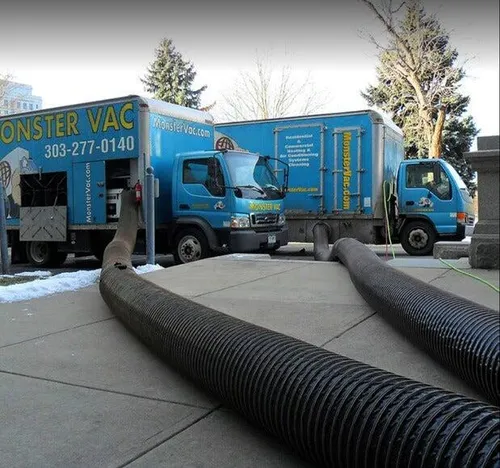
Monster Vac is a duct cleaning company based in Denver, CO, specializing in indoor air quality services. They use large truck-mounted vacuums and air-powered scrubber brushes to thoroughly clean air ducts throughout homes and commercial buildings. Their process includes cleaning blower fans, furnace cabinets, and heating and air conditioning coils to improve system efficiency and indoor air quality.
The Weather Changers Heating and Air Conditioning
10525 E 40th Ave #203, Denver, CO 80239
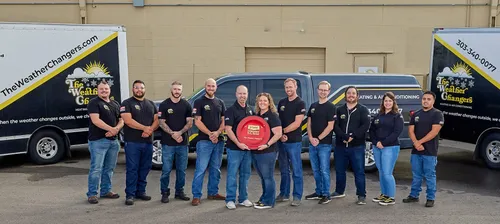
The Weather Changers Heating and Air Conditioning is an HVAC company based in Denver, CO, offering a full range of heating, cooling, and indoor air quality services. They provide installation, repair, and maintenance for air conditioners, furnaces, heat pumps, ductless systems, and thermostats. The company is a Bryant Factory Authorized Dealer and emphasizes proper sizing and installation to optimize system efficiency and longevity. They serve Denver and surrounding areas including Aurora, Centennial, and Parker. Their expertise includes indoor air quality solutions such as humidifier installation and duct cleaning. The Weather Changers has over 15 years of experience serving multiple properties and offers a 100% satisfaction guarantee.
Doc's of Denver
2390 S Kalamath St unit c, Denver, CO 80223
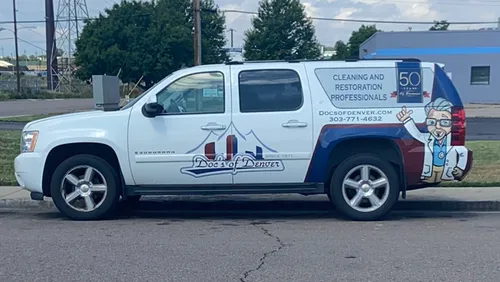
Doc's of Denver is a family-owned cleaning and restoration company serving Denver, CO, and the surrounding metro area. Established in 1971, they offer a wide range of residential and commercial cleaning services including carpet cleaning, upholstery care, hardwood floor recoating, stone polishing, and indoor air quality improvement through thorough duct cleaning. Their duct cleaning service uses negative pressure and compressed air to remove dust, allergens, and contaminants from HVAC systems, helping to improve indoor air quality. They also provide dryer vent cleaning to enhance airflow and safety. Doc's of Denver serves multiple communities across the Denver Metro area, including Lakewood, Castle Rock, Aurora, and more.
Efficient Comfort: Heating, Cooling & Mechanical
10835 N Dover St #100, Westminster, CO 80021
Efficient Comfort: Heating, Cooling & Mechanical is a family owned and operated HVAC company serving Aurora, CO, and the surrounding Denver metro areas. Founded in 2007, the company offers a wide range of heating and cooling services including installation, repair, and maintenance of furnaces, air conditioners, heat pumps, boilers, and ductless mini splits. As Bryant Factory Authorized Dealers, they provide expertise in managing indoor air quality with accessories like air cleaners, humidifiers, ventilators, and UV lights. The company emphasizes ethical business practices and community involvement.
Why Boulder's Indoor Air Presents Unique Challenges
Boulder's picturesque setting comes with specific factors that directly impact the air inside local homes and businesses. The high altitude and dry climate are foundational issues, but they are compounded by environmental and structural concerns.
- High Radon Risk: Boulder County is in an EPA-designated Zone 1 area, meaning it has the highest potential for elevated radon levels. Radon, a colorless, odorless radioactive gas that causes lung cancer, seeps from the ground into buildings. Roughly 50% of homes in the county are estimated to have elevated radon levels, making it the most pressing IAQ concern for residents 1 2.
- Wildfire Smoke & Ozone: Seasonal smoke from regional wildfires can blanket the area, introducing high levels of fine particulate matter (PM2.5) indoors. Furthermore, Boulder frequently experiences high levels of ground-level ozone, a respiratory irritant that can also affect indoor air, especially when windows are open.
- Older Building Stock: Many Boulder homes feature older construction with basements and crawl spaces that are prone to moisture intrusion. This, combined with the dry climate that suddenly shifts with rain or snowmelt, creates ideal conditions for mold growth.
- Dry Air and Humidity Imbalance: The arid climate, especially in winter, can lead to extremely low indoor humidity, causing discomfort, dry skin, and aggravated respiratory conditions. Conversely, in certain areas or during specific weather, summer moisture can lead to dampness requiring dehumidification.
Common Indoor Air Pollutants in Boulder Homes
Addressing indoor air pollution starts with knowing what you're up against. Here are the primary contaminants local experts consistently find.
- Radon Gas: As noted, this is the leading environmental cause of lung cancer in non-smokers. Testing is the only way to know if your home is affected.
- Particulate Matter (PM2.5): These microscopic particles come from wildfire smoke, dust, and combustion appliances. They can penetrate deep into the lungs and bloodstream.
- Mold and Mildew: Mold spores thrive in damp, dark places. In Boulder, common problem areas include basements, crawl spaces, and around windows where condensation occurs. Mold can begin growing within 48 hours of a water leak.
- Volatile Organic Compounds (VOCs): These are gases emitted from a wide array of household products, including paints, varnishes, cleaning supplies, adhesives, and even new furniture or carpeting 3.
- Carbon Monoxide and Combustion Byproducts: Faulty or poorly vented gas stoves, water heaters, furnaces, and fireplaces can release dangerous levels of carbon monoxide and other gases 4.
- Carbon Dioxide (CO2): High levels of CO2, often from simple occupant breathing in poorly ventilated spaces, can cause drowsiness, headaches, and reduced cognitive function.
How to Test and Monitor Your Indoor Air
You can't manage what you don't measure. Fortunately, Boulder residents have several effective options for assessing their indoor environment.
Professional IAQ Audits and Testing: Hiring a local professional provides the most comprehensive assessment. Certified firms use advanced diagnostic tools to measure levels of radon, VOCs, particulate matter, carbon monoxide, mold spores, and more. Companies like Green Home Solutions, MGI Mechanical, and AirMD offer these services in the Boulder area 5 6. A professional audit is highly recommended if you suspect a specific issue, are experiencing health symptoms, or are purchasing a new home.
Radon-Specific Testing: Given the high risk, radon testing should be a priority. The Colorado Department of Public Health and Environment recommends testing every two years. Options include:
- DIY Short-Term Test Kits: Available at hardware stores or online for $10-$50. These are a good first step.
- Professional Radon Testing: Licensed professionals can conduct more precise tests, typically costing between $100 and $300.
Continuous Air Quality Monitors: For ongoing awareness, smart indoor air quality monitors are invaluable. They provide real-time data on your smartphone for key metrics. Two highly-rated models include:
- Airthings View Plus ($300): Tracks radon, PM2.5, CO2, VOCs, humidity, and temperature 7.
- IQAir AirVisual Pro ($300): Focuses on PM2.5, but also measures CO2, temperature, and humidity, with excellent integration for both indoor and outdoor air quality data 8.
Community Initiatives: The City of Boulder has piloted programs like the one at Canyon Pointe, providing residents with free, long-term air quality monitoring and HEPA air cleaners to study and address localized issues 9.
Find the perfect indoor air quality service providers for your needs
Get personalized recommendations and expert advice
Effective Solutions for Cleaner Indoor Air
Once you've identified problems, a range of solutions is available, from simple behavioral changes to professional installations.
Source Control: The most effective strategy is to prevent pollutants from entering the air in the first place.
- Choose low-VOC or VOC-free paints, finishes, and cleaning products.
- Ensure gas appliances are properly installed, vented, and maintained.
- Fix water leaks promptly and ensure proper drainage away from your home's foundation.
- Use exhaust fans in kitchens and bathrooms to remove moisture and contaminants.
Ventilation: Diluting stale indoor air with fresh outdoor air is crucial.
- Open windows and doors during times of good outdoor air quality (check local air quality indexes).
- Consider installing an Energy Recovery Ventilator (ERV) or Heat Recovery Ventilator (HRV). These systems efficiently exchange indoor and outdoor air while preserving indoor temperature, providing constant fresh air without energy waste.
Filtration: Capturing airborne particles is key, especially during wildfire season.
- Upgrade HVAC Filters: Replace standard filters with high-efficiency pleated filters rated MERV 13 or higher. These can capture a significant percentage of fine particles, including smoke and viruses.
- Portable HEPA Air Purifiers: A standalone HEPA purifier is one of the best tools for cleaning the air in a single room or open area. Prices range from $100 to over $500, depending on the size and features. During smoke events, close all windows and run a HEPA purifier in the rooms you occupy most.
- In-Duct Air Cleaners: For whole-home purification, systems like UV-C lights (to neutralize mold and bacteria) or electronic air cleaners can be integrated into your existing forced-air HVAC system.
Specialized Mitigation:
- Radon Mitigation System: If testing reveals high radon levels, a professionally installed mitigation system is essential. This typically involves installing a vent pipe and fan to draw radon from beneath the house and vent it safely above the roof. Installation costs in Boulder generally range from $1,000 to $2,000 10 11.
- Mold Remediation: For significant mold growth, professional remediation is necessary. This involves containment, removal of contaminated materials, and deep cleaning. Costs vary widely based on scope, from hundreds for an inspection to thousands for full remediation 12.
- Air Duct Cleaning: If your ventilation ducts are contaminated with substantial mold, pests, or excessive dust, professional cleaning may be beneficial. A typical cleaning for a system with 15 registers costs around $950, with additional registers costing extra 13.
- Humidity Control: Installing a whole-home humidifier (for dry winter air) or dehumidifier (for damp basements in summer) can dramatically improve comfort and prevent mold and dust mite proliferation.
Maintaining Healthy Air Long-Term
Clean indoor air requires ongoing attention. Make a habit of checking and replacing HVAC filters every 1-3 months. Monitor your home's humidity levels, aiming for 30-50%. Test for radon at least every two years, and after any major renovation to your home or foundation. Stay informed about local outdoor air quality, particularly during summer ozone alerts and fall wildfire season, and adjust your ventilation strategies accordingly. By taking a proactive, layered approach-controlling sources, ventilating wisely, and filtering effectively-you can ensure the air inside your Boulder home supports your health and well-being year-round 14 15 16.
Frequently asked questions
Sources
Footnotes
-
Common Indoor Air Quality FAQs in Boulder, CO - https://www.mgimechanicalservices.com/indoor-air-quality-faqs/ ↩
-
Healthy Homes - Boulder County - https://bouldercounty.gov/environment/healthy-home/ ↩
-
Common Indoor Air Quality FAQs in Boulder, CO - https://www.mgimechanicalservices.com/indoor-air-quality-faqs/ ↩
-
Indoor Air Quality - Boulder County - https://assets.bouldercounty.gov/wp-content/uploads/2017/03/bs04-buildmart-air-water-conservation.pdf ↩
-
Indoor Air Quality Testing | Green Home Solutions of Boulder ... - https://www.greenhomesolutions.com/boulder-co/our-services/air-quality-testing/ ↩
-
Environmental Testing Boulder CO - https://airmd.com/areas-served/colorado/boulder/ ↩
-
Airthings View Plus Air Quality Monitor - https://www.google.com/search?q=product&prds=pvt:hg,productid:6072329373947128373,catalogid:7712427545849036561,gpcid:4854218481369443652,mid:576462731890981916&ibp=oshop ↩
-
iqair AirVisual PRO AIR-QUALITY Monitor - https://www.google.com/search?q=product&prds=pvt:hg,productid:12731750861393503074,catalogid:16835460390359639346,gpcid:10152811169155146236,mid:576462399365726378&ibp=oshop ↩
-
Canyon Pointe Indoor Air Quality Pilot | City of Boulder - https://bouldercolorado.gov/canyon-pointe-indoor-air-quality-pilot ↩
-
Testing and mitigating your home for radon - https://cdphe.colorado.gov/hm/testing-your-home-radon ↩
-
Boulder Radon Mitigation, Remediation, and Testing - https://swat-radon.com/radon-mitigation/colorado/boulder/ ↩
-
Mold - Boulder County - https://bouldercounty.gov/environment/healthy-home/mold/ ↩
-
TOP 10 BEST Indoor Air Quality Testing in Boulder, CO - Yelp - https://m.yelp.com/search?find_desc=Indoor+Air+Quality+Testing&find_loc=Boulder%2C+CO ↩
-
Common Indoor Air Pollutants and How to Remove Them - https://www.aspencreekhc.com/common-indoor-air-pollutants-and-how-to-remove-them/ ↩
-
Amid wildfires and a pandemic, here's how to keep your ... - https://www.colorado.edu/today/2021/09/07/amid-wildfires-and-pandemic-heres-how-keep-your-indoor-air-clean ↩
-
Learn about IAQ | Colorado Department of Public Health and ... - https://cdphe.colorado.gov/learn-about-iaq ↩