
Find the Best Indoor Air Quality Service Providers for Your Business
No obligation • Fast responses • Nationwide coverage

Why you can trust HVAC Firms
HVAC Firms is a leading United States resource for evaluating HVAC service providers. Our team researches companies, checks credentials, and reviews customer feedback to present clear, unbiased information. Listings and rankings are based on merit, and companies cannot pay to change our editorial content.
Search providers near you
Top Indoor Air Quality Service Providers in Anchorage, Alaska Ranked
Breathing clean air inside your home or business is a fundamental aspect of health and comfort, especially in a unique climate like Anchorage's. Indoor air quality (IAQ) refers to the condition of the air within and around buildings, particularly as it relates to the health and well-being of occupants. In Anchorage, this is a critical concern due to long, cold winters that necessitate tightly sealed, energy-efficient structures, which can inadvertently trap pollutants. Understanding common local contaminants, how to test for them, and the solutions available is the first step toward a healthier indoor environment. This guide provides a detailed look at Anchorage's specific IAQ challenges and connects you with the knowledge to find local professionals who can assess and improve your air.
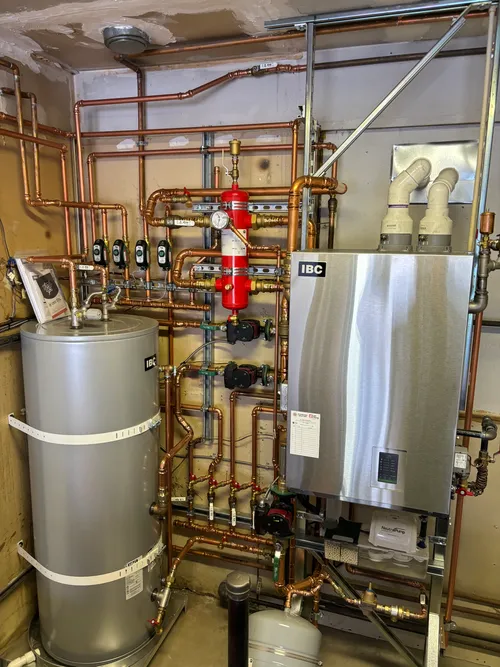
Diamond Heating & AirTemp Alaska
5406 Lake Otis Pkwy, Anchorage, AK 99507
Diamond Heating & AirTemp Alaska is an HVAC company based in Anchorage, AK, offering installation, repair, and maintenance services for heating and cooling systems. Their services include furnaces, boilers, heat pumps, mini-splits, water heaters, indoor air quality solutions, and thermostat installations. With over 25 years of experience, they provide high-efficiency and reliable heating products suited for the Alaskan climate. The company also offers smart thermostats and zoning controls to enhance system performance and comfort.
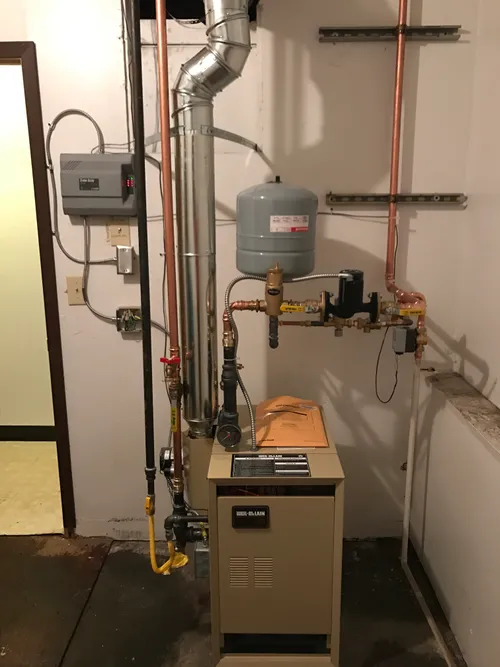
Hardy Heating Inc
9191 E Frontage Rd, Palmer, AK 99645
Hardy Heating Inc is an HVAC company serving Anchorage, AK, and the surrounding South Central Alaska area. Established in 1994, the company provides a range of services including air conditioning repair and installation, furnace and boiler repair and installation, and indoor air quality solutions for both residential and commercial customers. Hardy Heating offers emergency repair services and has expertise in maintaining heating and cooling systems to ensure comfortable indoor environments year-round. The company holds an A+ rating from the Better Business Bureau and is licensed and insured.
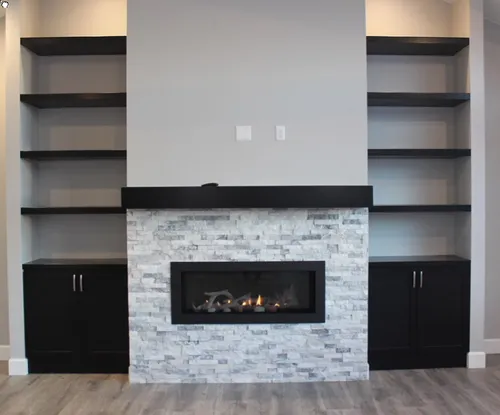
Bowker Mechanical HVAC LLC
7160 Anna Marie Dr, Wasilla, AK 99623
Bowker Mechanical HVAC LLC is a veteran-owned HVAC service and support company located in Wasilla, serving Anchorage, AK and the Mat-Su Valley. Founded in 1996, they provide heating, ventilation, and air conditioning installation, repair, and maintenance services for residential and commercial customers. As the only authorized Trane dealer in the Mat-Su Valley, they offer expertise in HVAC systems, including gas and wood burning fireplaces, and focus on indoor air quality solutions. Bowker Mechanical services all makes and models and is known for tailored solutions that fit unique customer needs.
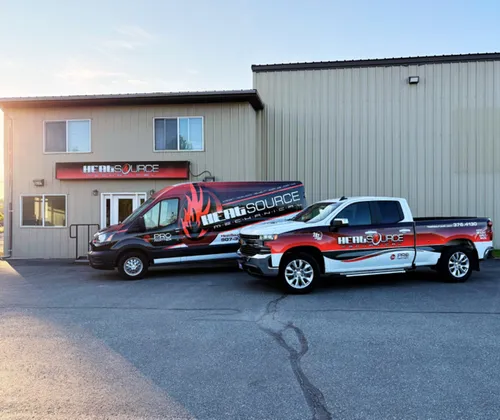
HeatSource Mechanical Inc.
2551 E Palmer-Wasilla Hwy, Wasilla, AK 99654
HeatSource Mechanical Inc. is an HVAC company serving Anchorage, AK, specializing in heating and air conditioning repair, installation, and indoor air quality services. They provide maintenance plans and solutions to improve ventilation and system efficiency. With over 35 years of experience, HeatSource Mechanical offers expertise in high-efficiency HVAC systems and preventative maintenance to extend equipment life and ensure safety. They serve the Wasilla and Fairbanks areas as well.
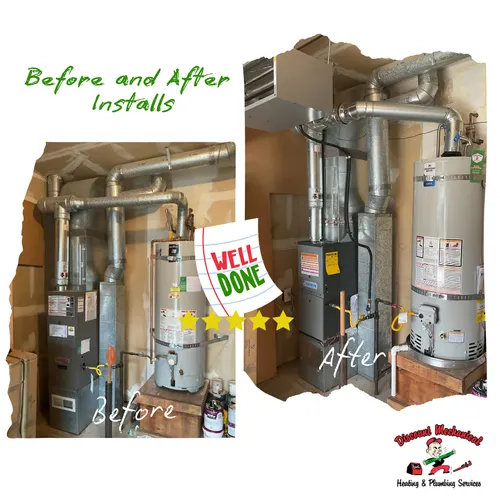
Discount Mechanical Heating and Plumbing
500 W 41st Ave, Anchorage, AK 99503
Discount Mechanical Heating and Plumbing is a veteran-owned and operated company providing heating, air conditioning, plumbing, and indoor air quality services in Anchorage, AK. Serving the Anchorage Metro Area, they offer 24-hour emergency support and specialize in HVAC tune-ups, furnace repair, and plumbing solutions. Established in 2004, the family-owned business emphasizes transparent pricing and community-focused service.
Why Indoor Air Quality is a Critical Issue in Anchorage
The very features that make Anchorage homes energy-efficient and warm during the harsh winters also create a perfect storm for poor indoor air. To conserve heat, modern buildings are constructed to be extremely airtight. While this saves on energy bills, it severely limits natural air exchange, allowing pollutants to accumulate to levels often 2 to 5 times higher than outdoor air. This "tight building" syndrome is compounded by heating systems that run for most of the year, which can dry out the air and, depending on the fuel source, introduce combustion byproducts. Furthermore, Alaska's unique geology and environmental conditions introduce specific hazards like radon and fine particulate dust. For residents, this can translate to persistent health issues, from dry skin and irritated sinuses to exacerbated allergies, asthma, and other respiratory conditions.
Common Indoor Air Pollutants in Anchorage Homes
Anchorage residents face a distinct set of indoor air challenges. Being aware of these common pollutants is key to identifying potential problems in your own space.
Extreme Dry Air
Long winters with constant heating lead to very low indoor humidity levels. This extreme dryness is more than just a comfort issue; it can cause cracked skin and nasal passages, increase susceptibility to colds and respiratory infections, and even lead to static electricity and damage to wood furnishings.
Particulate Matter (PM2.5 & PM10)
Anchorage frequently contends with high levels of particulate pollution, both indoors and out. Indoors, sources include dust (from road sand, glacial silt tracked inside), pet dander, and smoke. Fine particles (PM2.5) are especially concerning as they can penetrate deep into the lungs and even enter the bloodstream, aggravating heart and lung diseases 1.
Combustion Pollutants
Many homes use woodstoves, fireplaces, or older oil and kerosene heaters for supplemental warmth. These can release harmful pollutants like carbon monoxide (CO), nitrogen dioxide (NO2), and fine particulates if not properly vented or maintained 2 3.
Radon Gas
This naturally occurring, radioactive gas seeps from the ground and can accumulate in homes, particularly in basements and crawl spaces. Radon is the second leading cause of lung cancer in the United States and is a significant concern in certain areas of Alaska.
Moisture and Mold
The combination of a cold climate and tight construction can lead to condensation and moisture buildup within walls and attics. This damp environment is ideal for mold growth, which releases spores and can cause allergic reactions, asthma attacks, and other respiratory problems.
Volatile Organic Compounds (VOCs)
These are gases emitted from a wide array of household products, including paints, cleaning supplies, adhesives, new furniture, and even some hobby materials. In a tightly sealed Anchorage home, VOC concentrations can remain high long after use 4 5.
How to Test and Assess Your Indoor Air
Before investing in solutions, it's wise to understand the specific issues in your home. Several assessment methods are available, from DIY kits to professional evaluations.
Professional IAQ Assessment: For a comprehensive analysis, local environmental consultants and specialized HVAC companies offer professional testing. They can conduct tests for mold (through air and surface sampling), VOCs, formaldehyde, and moisture intrusion using tools like infrared cameras for moisture mapping. These in-depth assessments are particularly valuable if you are experiencing health symptoms or before a major home purchase.
Radon Testing: Given the health risk, testing for radon is strongly recommended. This is typically done with a simple, long-term test kit placed in the lowest lived-in level of the home for several months to get an accurate average level.
Low-Cost Continuous Monitors: Technology has made real-time air quality monitoring accessible. Devices like the Airthings View Plus (approx. $298-$330) can track radon, PM2.5, VOCs, CO2, temperature, and humidity. The IQAir AirVisual Pro (approx. $299-$330) focuses on particulate matter, CO2, and environmental conditions, providing a clear indoor air quality score. These monitors offer invaluable ongoing data to see how activities like cooking or cleaning affect your air.
Public Resources: The Anchorage Health Department provides a daily Air Quality Index (AQI) report and hotline, which is useful for understanding ambient outdoor conditions that can influence your indoor environment, especially when ventilating.
Find the perfect indoor air quality service providers for your needs
Get personalized recommendations and expert advice
Effective Solutions for Cleaner Indoor Air
Addressing indoor air pollution in Anchorage often requires a multi-pronged approach tailored to the specific contaminants identified.
Source Control
The most effective strategy is to eliminate or reduce the source of pollution. This includes:
- Using sealed, EPA-certified wood stoves and ensuring proper ventilation.
- Choosing low-VOC paints, cleaners, and building materials.
- Fixing water leaks promptly to prevent mold.
- Using doormats and removing shoes to reduce tracked-in dust and silt.
Ventilation: Bringing in Fresh Air
Since Anchorage homes are so tight, controlled ventilation is essential.
- Heat Recovery Ventilators (HRVs) and Energy Recovery Ventilators (ERVs): These are considered standard equipment for healthy Alaskan homes 6. They exhaust stale indoor air while bringing in fresh outdoor air, transferring heat from the outgoing air to the incoming air to minimize energy loss. They are crucial for diluting indoor pollutants without sacrificing comfort or efficiency.
- Bathroom and Kitchen Exhaust Fans: Always use exhaust fans vented to the outside when cooking or showering to remove moisture, odors, and combustion byproducts.
Air Cleaning and Filtration
For pollutants that can't be eliminated at the source, filtration is key.
- High-Efficiency Particulate Air (HEPA) Filters: Stand-alone HEPA air purifiers are highly effective at removing fine particulate matter, including dust, pollen, and smoke. They are particularly recommended in homes with wood-burning appliances or for individuals with allergies 7.
- Upgraded HVAC Filters: Regularly changing the filter in your forced-air heating system is a basic but vital step. Consider upgrading to a filter with a higher MERV rating (e.g., MERV 13) to capture smaller particles, but ensure your system can handle the increased airflow resistance.
Humidity Control
Managing moisture levels solves multiple problems.
- Humidifiers: To combat extreme winter dryness, a whole-home or portable humidifier can add necessary moisture to the air, improving comfort and respiratory health 8.
- Dehumidifiers: In areas prone to dampness, such as basements, a dehumidifier can help keep moisture in check to prevent mold growth.
Summary of Common IAQ Solutions & Costs
| Solution | Primary Purpose | Estimated Cost Range |
|---|---|---|
| Airthings View Plus Monitor | Continuous monitoring of Radon, PM2.5, VOCs, CO2 | $298 - $330 9 |
| Airthings Wave Plus Monitor | Monitor Radon, CO2, VOCs (Bluetooth) | $198 - $200 10 |
| IQAir AirVisual Pro Monitor | Monitor PM2.5, CO2, Temperature, Humidity | $299 - $330 11 |
| HEPA Air Purifier | Reduce airborne particle pollution | Varies widely (~$200+) |
| Long-Term Radon Test Kit | Detect radioactive radon gas | Typically < $50 12 |
| Professional IAQ Assessment | Comprehensive testing for mold, VOCs, moisture | $200 - $1,000+ 13 14 |
Maintaining Healthy Air Long-Term
Improving your indoor air isn't a one-time task; it's an ongoing process. Establish a routine that includes:
- Scheduled Filter Changes: Mark your calendar to change HVAC and air purifier filters every 1-3 months, especially during high-use seasons.
- Regular HVAC Maintenance: Have your heating and any ventilation systems (like HRVs) serviced annually to ensure they are operating efficiently and safely.
- Mindful Habits: Be conscious of activities that pollute indoor air. Avoid idling vehicles in attached garages, use craft supplies in well-ventilated areas, and clean with a HEPA-filter vacuum to avoid stirring up dust.
- Monitor and Adapt: Use a continuous air quality monitor to learn your home's patterns and verify that your solutions are working.
For immediate, serious concerns like a suspected natural gas leak or high carbon monoxide readings, evacuate and contact the fire department immediately. For other persistent air quality issues, the Anchorage Health Department's Environmental Services Program is a valuable local resource and can be reached at (907) 343-4200 15 16.
Frequently asked questions
Sources
Footnotes
-
Alaska Native Village Air Quality Fact Sheet Series - Indoor Air ↩
-
Sources and Perceptions of Indoor and Ambient Air Pollution in Rural Alaska ↩
-
Why Is Indoor Air Quality So Important? - Anchorage - KLEBS ↩
-
Mold Testing in Anchorage | Indoor Air Quality Testing in ... ↩
-
Daily Air Quality Index (AQI) Report - Anchorage - Muni.org ↩