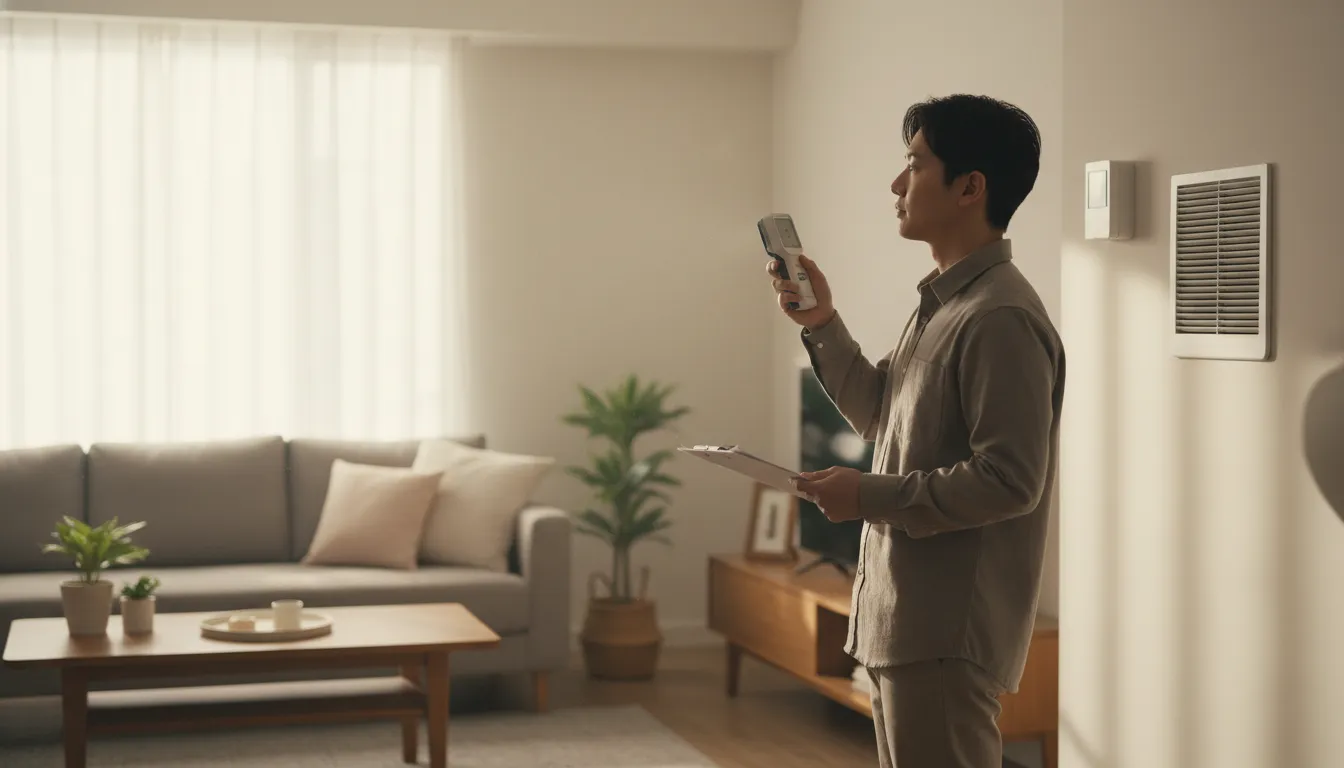
Find the Best Indoor Air Quality Service Providers for Your Business
No obligation • Fast responses • Nationwide coverage

Why you can trust HVAC Firms
HVAC Firms is a leading United States resource for evaluating HVAC service providers. Our team researches companies, checks credentials, and reviews customer feedback to present clear, unbiased information. Listings and rankings are based on merit, and companies cannot pay to change our editorial content.
Search providers near you
Best Indoor Air Quality Service Providers in Alaska Ranked
The quality of the air inside your home is a critical component of health and comfort, especially in Alaska's unique climate. Modern, energy-efficient homes are built "tight" to conserve heat, but this can trap pollutants like radon, mold, and combustion byproducts, leading to concentrated indoor air hazards. Understanding these risks and the solutions available-from proper ventilation to professional testing-is essential for every Alaskan homeowner. This guide provides clear, actionable information to help you identify potential air quality issues and connect with qualified local professionals who can assess and improve your indoor environment.
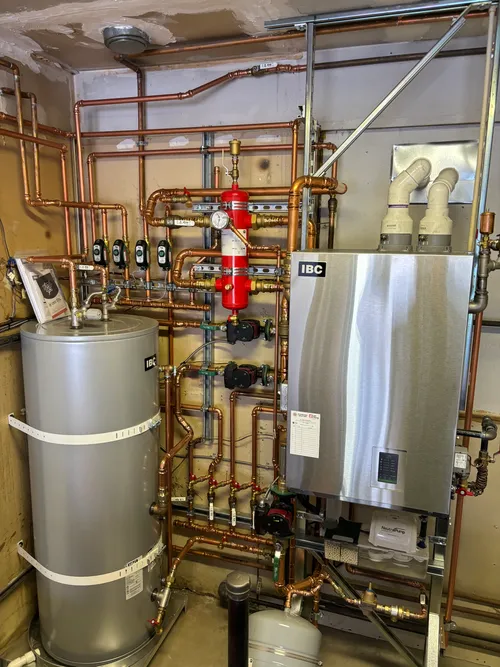
Diamond Heating & AirTemp Alaska
5406 Lake Otis Pkwy, Anchorage, AK 99507
Diamond Heating & AirTemp Alaska is an HVAC company based in Anchorage, AK, offering installation, repair, and maintenance services for heating and cooling systems. Their services include furnaces, boilers, heat pumps, mini-splits, water heaters, indoor air quality solutions, and thermostat installations. With over 25 years of experience, they provide high-efficiency and reliable heating products suited for the Alaskan climate. The company also offers smart thermostats and zoning controls to enhance system performance and comfort.
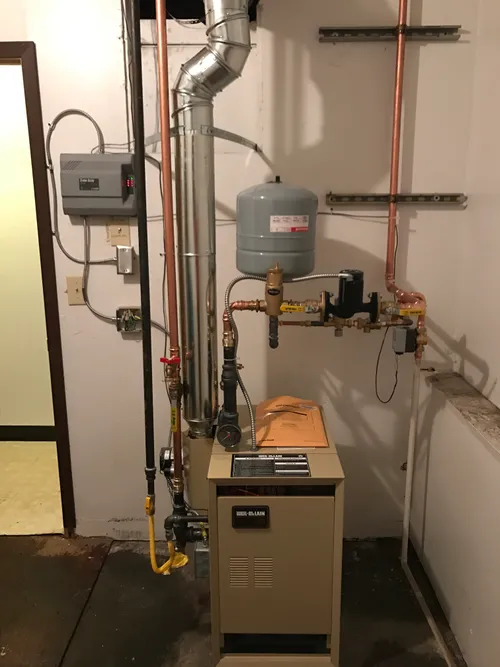
Hardy Heating Inc
9191 E Frontage Rd, Palmer, AK 99645
Hardy Heating Inc is an HVAC company serving Anchorage, AK, and the surrounding South Central Alaska area. Established in 1994, the company provides a range of services including air conditioning repair and installation, furnace and boiler repair and installation, and indoor air quality solutions for both residential and commercial customers. Hardy Heating offers emergency repair services and has expertise in maintaining heating and cooling systems to ensure comfortable indoor environments year-round. The company holds an A+ rating from the Better Business Bureau and is licensed and insured.
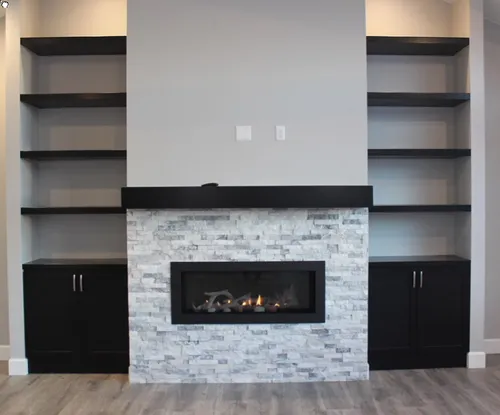
Bowker Mechanical HVAC LLC
7160 Anna Marie Dr, Wasilla, AK 99623
Bowker Mechanical HVAC LLC is a veteran-owned HVAC service and support company located in Wasilla, serving Anchorage, AK and the Mat-Su Valley. Founded in 1996, they provide heating, ventilation, and air conditioning installation, repair, and maintenance services for residential and commercial customers. As the only authorized Trane dealer in the Mat-Su Valley, they offer expertise in HVAC systems, including gas and wood burning fireplaces, and focus on indoor air quality solutions. Bowker Mechanical services all makes and models and is known for tailored solutions that fit unique customer needs.
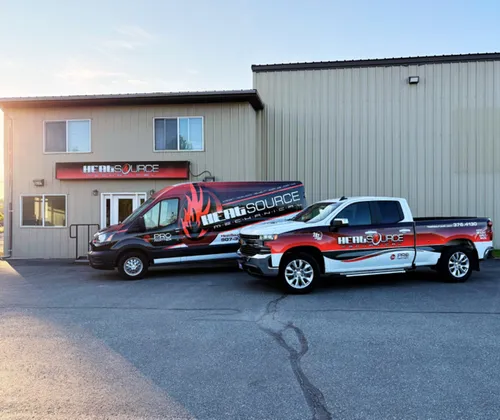
HeatSource Mechanical Inc.
2551 E Palmer-Wasilla Hwy, Wasilla, AK 99654
HeatSource Mechanical Inc. is an HVAC company serving Anchorage, AK, specializing in heating and air conditioning repair, installation, and indoor air quality services. They provide maintenance plans and solutions to improve ventilation and system efficiency. With over 35 years of experience, HeatSource Mechanical offers expertise in high-efficiency HVAC systems and preventative maintenance to extend equipment life and ensure safety. They serve the Wasilla and Fairbanks areas as well.
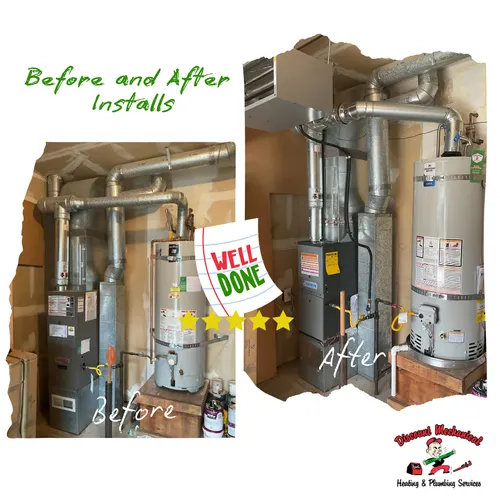
Discount Mechanical Heating and Plumbing
500 W 41st Ave, Anchorage, AK 99503
Discount Mechanical Heating and Plumbing is a veteran-owned and operated company providing heating, air conditioning, plumbing, and indoor air quality services in Anchorage, AK. Serving the Anchorage Metro Area, they offer 24-hour emergency support and specialize in HVAC tune-ups, furnace repair, and plumbing solutions. Established in 2004, the family-owned business emphasizes transparent pricing and community-focused service.
Why Indoor Air Quality is a Critical Concern in Alaska
Alaska's extreme climate has led to building practices focused on energy efficiency, resulting in tightly sealed structures. While this is excellent for reducing heating costs, it significantly reduces natural air exchange. Without adequate mechanical ventilation, pollutants generated indoors have nowhere to go, leading to concentrations that can be many times higher than outdoor levels. This "build tight" approach must be paired with a "ventilate right" strategy to protect occupant health. For many residents, the home is where they spend the majority of their time during long winters, making the management of the indoor atmosphere a top priority for well-being.
Common Indoor Air Pollutants in Alaskan Homes
Several specific pollutants are prevalent in Alaska due to climate, common fuels, and building materials. Being aware of these sources is the first step toward mitigation.
- Combustion Byproducts: The use of wood stoves, oil furnaces, and gas ranges is common. These can release carbon monoxide (CO), nitrogen dioxide (NO2), and fine particulate matter (PM2.5) into the home. Proper appliance venting and maintenance are non-negotiable for safety.
- Radon: This colorless, odorless radioactive gas is a concern throughout Alaska. It seeps from the ground into homes through cracks in foundations and slabs. Radon is the second leading cause of lung cancer and testing is the only way to know if your home is affected 1.
- Moisture and Mold: High humidity from cooking, bathing, and drying clothes, combined with potential condensation on cold surfaces in a tight home, creates ideal conditions for mold and mildew growth. This is a pervasive issue in many Alaskan communities and a major trigger for allergies and asthma.
- Volatile Organic Compounds (VOCs): These are gases emitted from a wide array of household products, including paints, varnishes, cleaning supplies, adhesives, and even new furniture and carpets. Storing fuels or solvents in attached garages or basements can also contribute to VOC levels indoors 2.
- Secondhand Smoke: Smoking indoors introduces a complex mixture of over 7,000 chemicals. It remains a significant, preventable health hazard that affects air quality for all occupants.
The Alaska Standard: Build Tight, Ventilate Right
To combat pollutant buildup, Alaska's building codes and best practices emphasize controlled, mechanical ventilation. Relying on opening windows is neither energy-efficient nor sufficient in deep winter.
- Whole-House Mechanical Ventilation: For modern, tight homes, systems like Heat Recovery Ventilators (HRVs) or Energy Recovery Ventilators (ERVs) are considered essential. These systems continuously exhaust stale, polluted air from inside while bringing in fresh outdoor air. A core feature is a heat exchanger that transfers warmth from the outgoing air to the incoming air, minimizing energy loss.
- Code Compliance: Alaska's building standards align with guidelines like ASHRAE 62.2, which dictates minimum ventilation rates based on a home's square footage and number of occupants. This ensures a baseline of fresh air exchange.
- Source Control Ventilation: Local mechanical codes require specific exhaust systems to remove pollutants at their source. This includes bathroom fans (to remove moisture) and kitchen range hoods that vent to the outside (to remove combustion gases, grease, and odors) 3 4.
- Best Practices for Homeowners: Simple actions make a difference: run bathroom fans during and for 20 minutes after showers; always use the range hood when cooking; ensure your HRV/ERV system is properly maintained and its filters are changed regularly; and avoid activities that strongly depressurize the home, which can draw in radon or other soil gases.
Professional IAQ Testing: What It Involves and Costs
If you suspect an issue or simply want peace of mind, professional indoor air quality testing provides a scientific assessment. Costs vary based on the scope.
A basic professional inspection to assess general parameters (particulates, CO2, humidity, temperature) typically ranges from $300 to $500 5. However, testing for specific contaminants will increase the price:
- Mold Inspection: $300-$1,000, depending on the number of samples and type of analysis.
- Radon Testing (Professional): $150-$800. Long-term tests are more accurate, but professional short-term tests can provide a quick indication 6.
- Asbestos Testing: $200-$800, often required in older homes before renovations 7 8.
- VOC Testing: $200-$400 to identify specific chemical compounds in the air 9 10.
Find the perfect indoor air quality service providers for your needs
Get personalized recommendations and expert advice
Common IAQ Improvements and Mitigation Costs
Once a problem is identified, remediation costs depend entirely on the pollutant and the extent of the issue.
- Radon Mitigation: Installing a radon mitigation system, which typically uses a vent pipe and fan to draw gas from beneath the home and exhaust it above the roof, has an average cost in Alaska ranging from $800 to $1,300 11.
- Mold Remediation: The cost to safely remove mold depends heavily on the affected area. For a significant infestation, homeowners can expect to pay between $1,200 and $3,800 or more. This involves containment, removal of contaminated materials, and cleaning of surfaces 12 13.
- Ventilation System Upgrades: Installing a new HRV or ERV system is a significant investment but is often the most comprehensive solution for chronic air quality issues in a tight home. While costs vary widely by system and home complexity, it is a crucial long-term investment for health and building durability 14.
- Low/No-Cost Solutions: Many effective strategies are behavioral: eliminating indoor smoking, storing chemicals and fuels in detached sheds, using low-VOC paints and cleaning products, and ensuring all combustion appliances are professionally serviced annually 15 16.
Resources for Alaskan Homeowners
For further guidance, Alaskans have access to valuable local resources. The Alaska Housing Finance Corporation (AHFC) provides educational materials on building science and ventilation specific to the state's climate 17. The Alaska Department of Environmental Conservation also offers information on environmental health topics, including radon and air quality.
Frequently asked questions
Sources
Footnotes
-
Why Is Indoor Air Quality So Important? - Anchorage - KLEBS - https://www.klebsheating.com/indoor-air-quality/ ↩
-
The Surprising Sources of Indoor Air Pollution - Alaskan AC ... - https://www.alaskanac.com/indoor-air-quality/indoor-air-pollution/ ↩
-
Chapter 9 Ventilation - https://www.ahfc.us/application/files/7313/5553/5048/building_manual_ch_09.pdf ↩
-
Chapter 4 Ventilation: Alaska Mechanical Code 2012 - UpCodes - https://up.codes/viewer/alaska/imc-2012/chapter/4/ventilation ↩
-
How Much Is an IAQ Test for a Home? - Scott-Lee Heating - https://scottleeheating.com/how-much-is-an-iaq-test-for-a-home/ ↩
-
How Much Does Indoor Air Quality Testing Cost? - https://www.katyacrepair.com/how-much-does-it-cost-to-have-your-home-indoor-air-quality-tested/ ↩
-
How Much Does a Home Indoor Air Quality Test Cost? Key Analyses - https://skycleanair.com/how-much-does-a-home-indoor-air-quality-test-cost/ ↩
-
How Much Does a Home Indoor Air Quality Testing Cost? - https://www.airpf.com/how-much-does-a-home-indoor-air-quality-testing-cost/ ↩
-
How Much Does Indoor Air Quality Testing Cost? [2026 Data] - https://www.angi.com/articles/how-much-does-indoor-air-quality-testing-cost.htm ↩
-
How Much Does an Indoor Air Quality Test Cost? - Ambient Edge - https://www.ambientedge.com/faqs/how-much-does-an-indoor-air-quality-test-cost/ ↩
-
BUILDING IN ALASKA - https://www.ahfc.us/iceimages/manuals/building_manual_ch_09_indoor_air.pdf ↩
-
How Much Does Indoor Air Quality Testing Cost? [2025 Data] - https://www.homeadvisor.com/cost/environmental-safety/test-indoor-air-quality/ ↩
-
Vapor Intrusion Mitigation - https://cdn.trccompanies.com/legacy/images/TRC-white-paper-Vapor-Intrusion-FINAL-March-2016.pdf ↩
-
What is Indoor Air Quality (IAQ), and How Does it Impact You? - https://www.iso-aire.com/blog/indoor-air-quality ↩
-
Build Tight, Ventilate Right | Department of Energy - https://www.energy.gov/indianenergy/articles/build-tight-ventilate-right ↩
-
Alaska Native Village Air Quality Fact Sheet Series - Indoor Air - https://www.ntaatribalair.org/wp-content/uploads/2022/05/IAQ-in-Alaska.pdf ↩
-
Community Resources - Alaska Housing Finance Corporation - https://www.ahfc.us/tenants/resources ↩