Find the Best HVAC Installers for Your Business
No obligation • Fast responses • Nationwide coverage

Why you can trust HVAC Firms
HVAC Firms is a leading United States resource for evaluating HVAC service providers. Our team researches companies, checks credentials, and reviews customer feedback to present clear, unbiased information. Listings and rankings are based on merit, and companies cannot pay to change our editorial content.
Search providers near you
Top HVAC Installers in Gallatin, Tennessee Ranked
Installing a new heating and cooling system is a significant investment in your home's comfort, efficiency, and value. Whether you're replacing an old, failing unit or building a new home, understanding your options and the process is key to a successful project. This guide provides a detailed look at HVAC system installation in Gallatin, helping you navigate equipment choices, costs, timelines, and what to expect when working with local professionals.
Right Time HVAC
5300 Old Hickory Blvd, Nashville, TN 37218
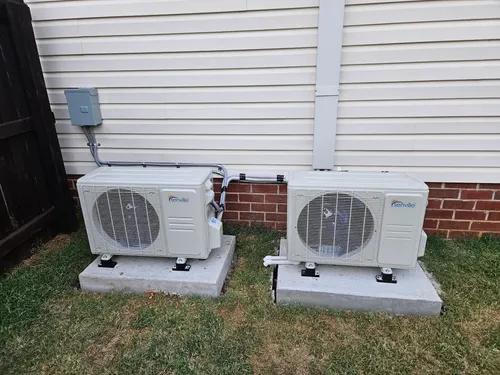
Right Time HVAC is a full-service heating, cooling, and geothermal contractor serving Nashville, TN. They offer installation, repair, and maintenance for air conditioners, furnaces, heat pumps, and geothermal systems, along with indoor air quality solutions for homes and businesses. The company specializes in advanced HVAC technologies including hydronics and inverter systems, and provides ductwork services to improve airflow and comfort. With over 30 years of combined experience among their technicians, Right Time HVAC focuses on honest, customer-focused solutions to meet diverse home comfort needs.
Bradley Maintenance & Air LLC
Nashville, TN
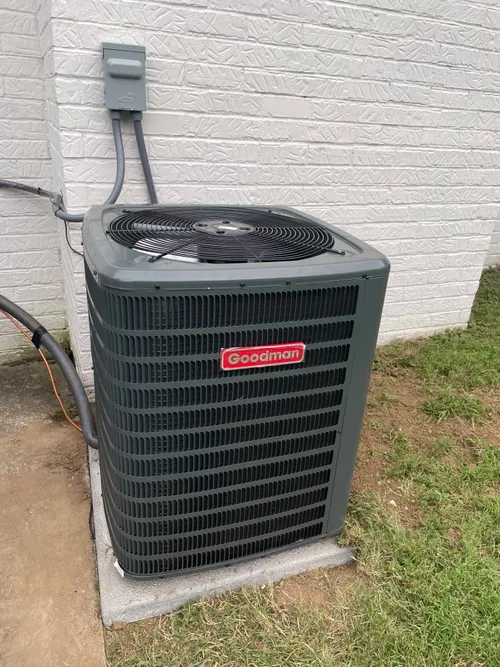
Bradley Maintenance & Air LLC is an HVAC and plumbing contractor serving Nashville, TN, and nearby areas including Brentwood, Antioch, and Murfreesboro. They provide HVAC maintenance, repair, and system changeouts, along with plumbing services such as water heater installation and repair. Their services cover air conditioning, furnace, heat pump installation, and tune-ups to maintain home and business comfort throughout the year.

Affordable Heating & Cooling
5510 E Division St Suite 134, Mt. Juliet, TN 37122
Affordable Heating & Cooling serves Nashville, TN, providing air conditioning and heating system repairs and installations for both residential and commercial properties. With over 20 years of experience, the company offers services including AC repair, furnace repair, and mini split installation. They have NATE-certified technicians and a service truck equipped with the latest tools and frequently-needed parts. Affordable Heating & Cooling is available 24/7 for heating and cooling emergencies, ensuring prompt response at any time.
Petitt Heating and Cooling
127 Raymond Hirsch Pkwy, White House, TN 37188
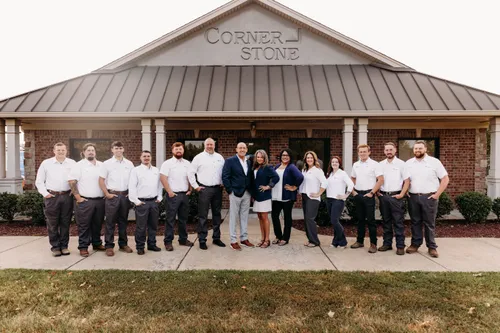
Petitt Heating and Cooling is an HVAC company serving White House, TN, and nearby areas including Goodlettsville and Hendersonville. They provide a range of heating and cooling services such as air conditioning installation, furnace repair, heat pump installation, and HVAC tune-ups. The company also offers indoor air quality solutions like UV light air purification, advanced air filtration systems, dehumidifiers, humidifiers, and crawl space encapsulation. Petitt Heating and Cooling installs attic solar fans and gas logs to improve home comfort and energy efficiency. They provide emergency AC repairs after hours and have a maintenance plan with priority emergency service and no overtime charges.
KandS HVAC
2055 Holloway Rd, Lebanon, TN 37090
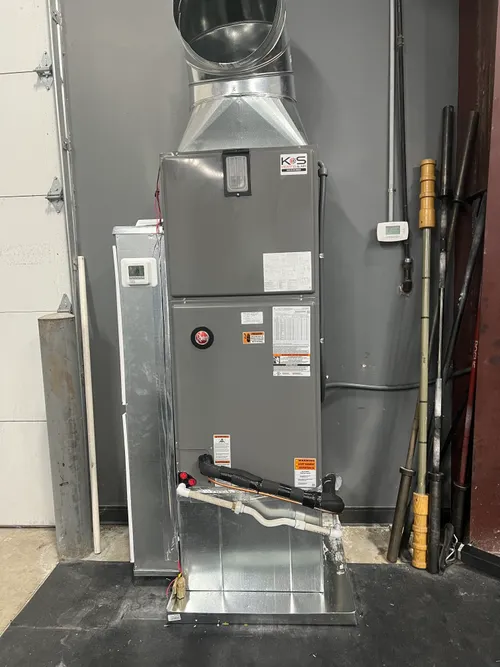
KandS HVAC is an HVAC company based in Nashville, TN, providing repair, installation, and maintenance services for air conditioning, furnaces, heat pumps, and boilers. They offer convenient options for obtaining quotes, including in-home visits and remote assessments using photos. KandS HVAC handles a range of services from urgent repairs to routine tune-ups and new system installations, aiming to meet various heating and cooling needs efficiently.
Understanding Your HVAC System Options
Choosing the right type of system is the first and most critical step in your installation project. The climate in Gallatin, with its hot, humid summers and cool winters, requires a system capable of both effective cooling and reliable heating. The main types of systems available include:
- Central Air with Furnace: This is a traditional split system pairing a gas or electric furnace for heating with a central air conditioner for cooling. It utilizes your home's existing ductwork to distribute conditioned air. This is a common and reliable choice for homes that already have ducts in place.
- Heat Pump: A highly efficient, all-in-one solution that provides both heating and cooling by reversing the flow of refrigerant. In cooling mode, it works like an air conditioner. In heating mode, it extracts heat from the outside air (even in cool weather) and moves it indoors. Heat pumps are often paired with an air handler and can be a cost-effective option for year-round climate control 1.
- Ductless Mini-Split Systems: Ideal for homes without existing ductwork, for room additions, or for creating zoned comfort. These systems consist of an outdoor compressor/condenser and one or more indoor air-handling units mounted on walls or ceilings. They are known for their high efficiency and flexible installation.
- Package Units: All components-including the compressor, condenser, and evaporator-are housed in a single cabinet, typically installed on the ground or roof. These are a good fit for homes with limited indoor space, like those without an attic or crawlspace.
Your choice will depend on your home's existing infrastructure, your budget, and your specific comfort goals. A qualified installer will assess your home to recommend the most suitable system type and size.
The Step-by-Step Installation Process
A professional HVAC installation follows a structured process to ensure safety, efficiency, and system longevity. Here's what you can typically expect from start to finish:
- Initial Assessment and System Sizing: A technician will conduct a thorough evaluation of your home. This includes measuring square footage, assessing insulation levels, window quality, and the condition of existing ductwork. Using this data, they perform a Manual J load calculation to determine the precise heating and cooling capacity (measured in tons) your home requires. This step is crucial; an oversized or undersized system will lead to comfort issues, higher energy bills, and premature wear.
- Equipment Selection and Proposal: Based on the assessment, the contractor will present options. You'll discuss efficiency ratings like SEER (Seasonal Energy Efficiency Ratio) for cooling and HSPF (Heating Seasonal Performance Factor) for heat pumps. Higher SEER ratings indicate greater efficiency and potential utility savings. You'll receive a detailed, upfront quote covering equipment, labor, and any ancillary work.
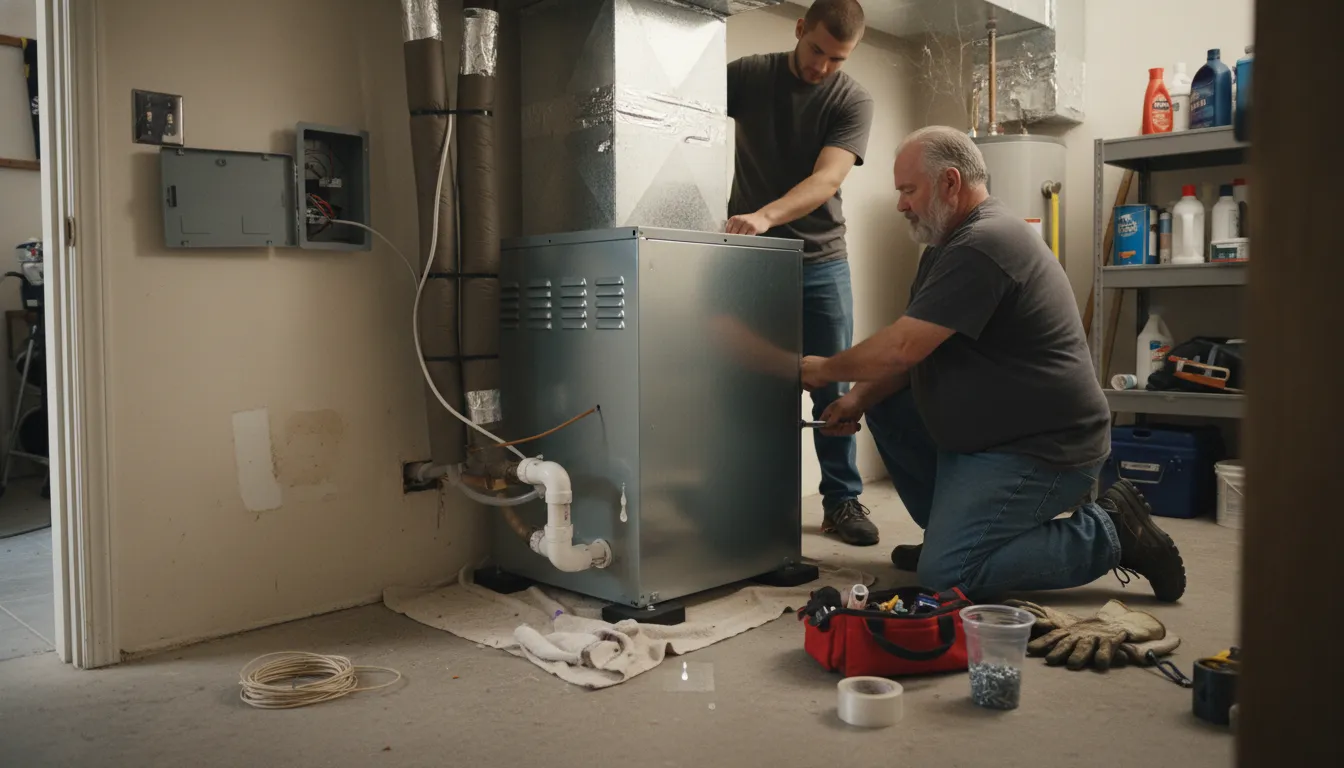
- Permitting and Preparation: Your licensed contractor will handle pulling any required local permits from the City of Gallatin, ensuring the installation meets all building and safety codes2. On installation day, the crew will prepare the work area, laying down drop cloths to protect your floors.
- Removal of Old Equipment: The old furnace, air conditioner, or heat pump is safely disconnected. If it contains refrigerant, it must be recovered according to EPA regulations. The old equipment is then removed from your property.
- New System Installation: This is the core phase. For a split system, it involves installing the new outdoor condenser unit, the indoor air handler or furnace, connecting refrigerant and electrical lines, and installing a new thermostat. All connections are checked for leaks. For ductless systems, the outdoor unit is placed, and the indoor heads are mounted and connected via a small conduit.
- Ductwork Evaluation and Modification: The installer will inspect your existing ductwork for leaks, damage, or inadequate sizing. They may seal joints with mastic or metal tape and insulate ducts in unconditioned spaces. If your home lacks ducts or they are beyond repair, the installation of new ductwork will be necessary, which adds significant time and cost to the project.
- System Startup and Commissioning: Once everything is physically installed, the technician will start the system, test all components, verify refrigerant charge, check airflow, and ensure the thermostat is communicating correctly. They will also walk you through basic operation and maintenance procedures and answer any questions.
Find the perfect hvac installers for your needs
Get personalized recommendations and expert advice
Installation Timelines and What Influences Them
How long your HVAC installation takes depends heavily on the project's complexity. A straightforward replacement of a standard system with existing, sound ductwork is typically a 1-2 day job. The crew can often remove the old equipment and install the new system in a single day, with a second day sometimes needed for final adjustments and testing.
More complex scenarios will extend the timeline. If the installation requires new or extensive modifications to ductwork, you should plan for 3 to 5 days or more 3. Installing ductwork is labor-intensive, involving running new pathways through walls, ceilings, or crawlspaces, sealing, and insulating. Similarly, installing a multi-zone ductless mini-split system with several indoor heads will take longer than a single-head unit. The discovery of unforeseen issues, like structural obstacles or outdated electrical panels, can also add time.
Cost Considerations for Gallatin Homeowners
The cost of a new HVAC system in Gallatin varies widely based on system type, size, efficiency, and the scope of work. Here is a breakdown of what you might expect for a full system replacement in a typical home 4 5:
- Standard Central System (AC & Furnace or Heat Pump): For a quality, mid-efficiency system (such as a 3-ton unit) to serve a typical home, prices generally range from $9,000 to $13,000+. This includes the outdoor condenser, indoor air handler or furnace, basic installation labor, and standard materials.
- Impact of Ductwork: If your project involves repairing, sealing, or replacing sections of ductwork, add $2,000 to $3,000 or more to the total. A full new duct system installation for an entire home can push total project costs into the $13,000 to $17,000+ range 6 7.
- Ductless Mini-Split Systems: Costs are highly variable based on the number of zones. A single-zone system can start around $2,000 - $5,000 for equipment and installation. A multi-zone system with three or four indoor heads can range from $6,500 to $10,500+.
- Primary Cost Factors:
- Home Size: Larger homes require larger, more expensive systems. For a 1,500-2,000 sq ft home in Gallatin, a full heating and cooling replacement often falls in the $10,000 to $15,000 range with basic ductwork involved8 9 10.
- System Efficiency: High-efficiency models (e.g., 18+ SEER) have a higher upfront cost but can offer lower monthly energy bills.
- Equipment Brand: Premium brands often come at a price premium over standard brands.
- Labor and Complexity: Accessibility of install locations, local permit fees, and the contractor's expertise all influence the final price.
Always obtain multiple detailed, written estimates from licensed and insured local contractors. A thorough quote should itemize equipment model numbers, labor, materials, permit fees, and any warranty information.
Ensuring a Successful Installation
To protect your investment, due diligence is essential. Always verify that a contractor is licensed, insured, and has positive local references. Check for affiliations with industry organizations. A reputable professional will never pressure you into a sale and will always perform a proper load calculation before recommending a system size. Finally, understand the warranties offered on both the equipment (typically 5-10 years from the manufacturer) and the contractor's workmanship (often 1-2 years).
Frequently asked questions
Sources
Footnotes
-
Heating and Air Conditioning Installation in Gallatin, TN - https://www.homedepot.com/services/l/tn/gallatin/heating-air-conditioning-installation/c16fbb4b7 ↩
-
HVAC Installation - Gallatin, TN - https://gallatintn.gov/DocumentCenter/View/11449 ↩
-
HVAC Installation Timelines: How Long Does It Really Take? - https://iceaclv.com/hvac/how-long-hvac-installation-take/ ↩
-
Residential HVAC Installation Process: A Comprehensive Guide - https://precisionairhc.com/blog/residential-hvac-installation-process/ ↩
-
Step-by-Step HVAC Replacement Guide - Carrier - https://www.carrier.com/residential/en/us/products/heating-cooling/hvac-replacement/ ↩
-
Understanding HVAC system costs - TMC Heating and Cooling - https://tmcservice.com/understanding-hvac-system-costs/ ↩
-
What does a new HVAC system cost? - TMC Heating and Cooling - https://tmcservice.com/what-does-a-new-hvac-system-cost/ ↩
-
How Much Should a New HVAC System Cost in Tennessee ... - https://milanheatingandair.com/f/how-much-should-a-new-hvac-system-cost-in-tennessee-2025 ↩
-
HVAC Installation Costs and Breakdowns - https://tmcservice.com/hvac-installation-costs-and-breakdowns/ ↩
-
Expert Guide to HVAC System Installation - Golden Rule - https://goldenrulephc.com/blog/a-guide-to-hvac-system-installation/ ↩