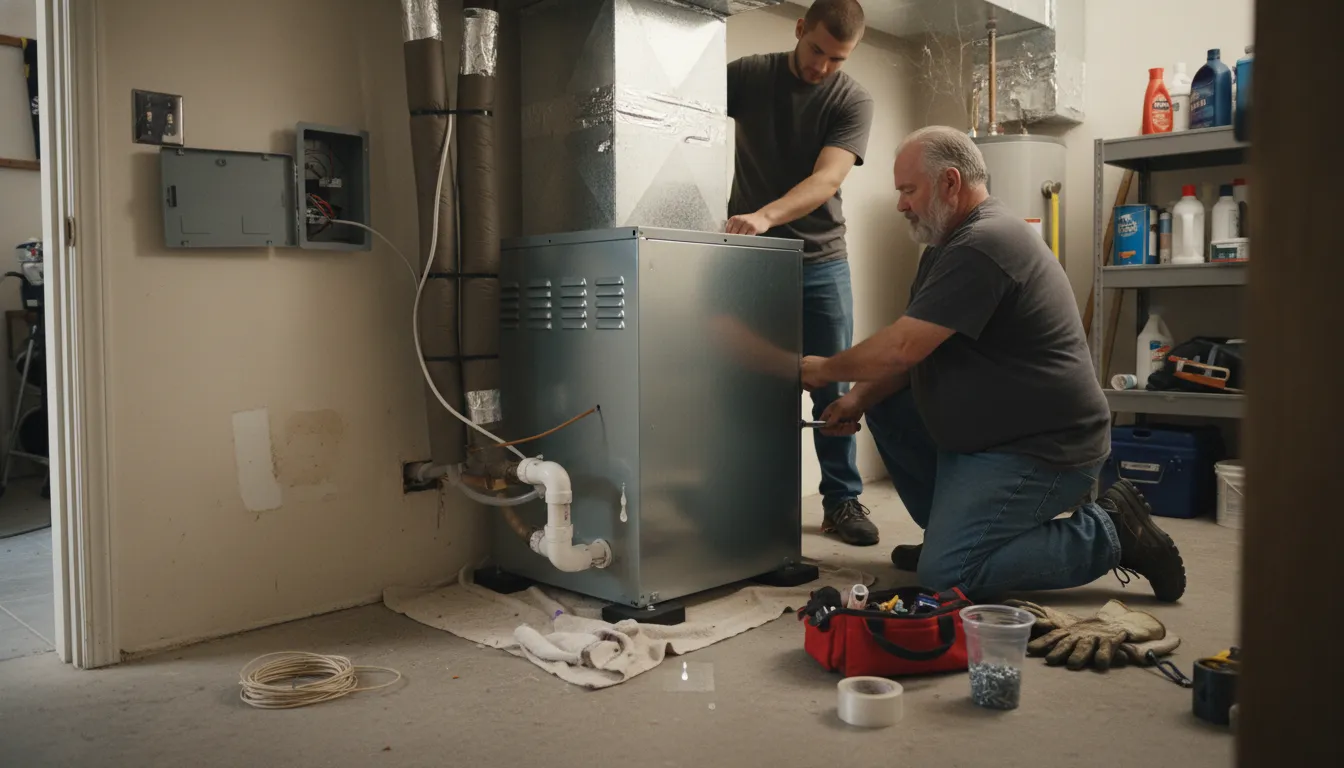
Find the Best HVAC Installers for Your Business
No obligation • Fast responses • Nationwide coverage

Why you can trust HVAC Firms
HVAC Firms is a leading United States resource for evaluating HVAC service providers. Our team researches companies, checks credentials, and reviews customer feedback to present clear, unbiased information. Listings and rankings are based on merit, and companies cannot pay to change our editorial content.
Search providers near you
Top HVAC Installers in Hillsboro, Oregon Ranked
Upgrading your home's heating and cooling system is a significant investment in comfort, efficiency, and property value. For Hillsboro residents, navigating the process of a new HVAC installation involves understanding local climate needs, modern equipment options, and the steps to ensure a successful project. This guide provides a detailed overview of what to expect when installing a new heating, ventilation, and air conditioning system in your home, from initial assessment to final testing, helping you make informed decisions with local contractors.
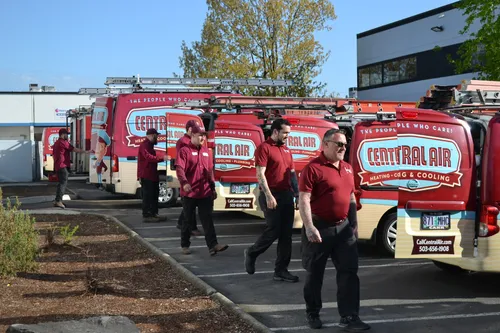
Central Air Heating, Cooling & Plumbing
11640 SW Corby Dr #5, Portland, OR 97225
Central Air Heating, Cooling & Plumbing is a Portland, OR-based company providing heating, cooling, plumbing, and indoor air quality services. Since 2001, they have offered installation, repair, and maintenance for central air conditioners, ductless mini splits, furnaces, and heat pumps. Their services include HVAC tune-ups, air balancing, air purifier installation, and plumbing repairs. The company emphasizes trained technicians and offers a comprehensive HVAC service plan to help maintain system efficiency and reduce breakdowns. They also provide plumbing solutions such as water heater and garbage disposal installation. Central Air Heating, Cooling & Plumbing guarantees repairs lasting at least three years and serves Portland homeowners with a broad range of home comfort needs.
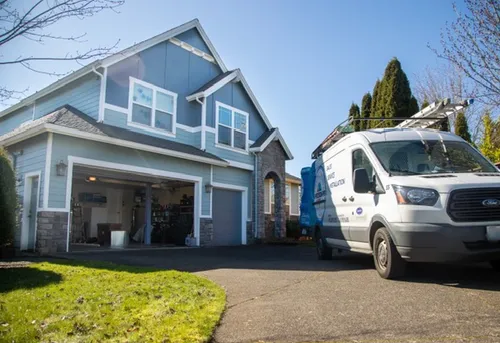
Precision Heating & Cooling
3128 E Evergreen Blvd Ste A, Vancouver, WA 98661
Precision Heating & Cooling provides heating and cooling repair, maintenance, and installation services in Portland, OR. They serve homes and businesses with a range of HVAC solutions including furnaces, heat pumps, air conditioning systems, and ductless mini-splits. The company offers equipment replacement, tune-ups, and maintenance plans, with after-hours emergency service available. Their team assists customers in selecting efficient systems and handles all brands and types of HVAC equipment.

Cornel's Plumbing, Heating & Air Conditioning
4015 SE 56th Ave, Portland, OR 97206
Cornel's Plumbing, Heating & Air Conditioning is a licensed, family-run company serving Portland, OR, and the surrounding metro area. With over 20 years of experience, they specialize in plumbing, heating, and air conditioning services for residential customers. Their expertise includes furnace and AC repair and installation, as well as plumbing solutions like water heater installation and drain cleaning. The company is known for providing same-day responses to emergency plumbing repairs and maintaining a high standard of workmanship.
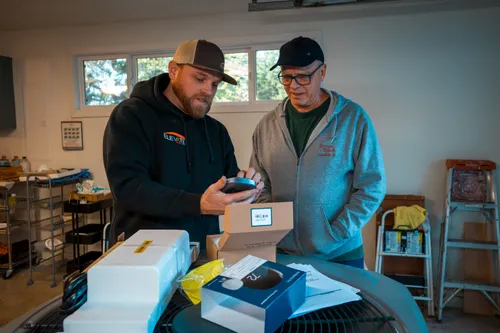
Elevate Heating & Cooling, Inc
5445 NE Century Blvd, Hillsboro, OR 97124
Elevate Heating & Cooling, Inc is a family-owned HVAC company serving Portland, OR and the surrounding greater Portland Metro Area. They offer a wide range of heating and cooling services including installation, repair, maintenance, and tune-ups for air conditioners, furnaces, heat pumps, and ductless mini-split systems. The company emphasizes energy-efficient equipment and thorough workmanship, with the owner personally overseeing each job to ensure quality. Elevate Heating & Cooling is licensed and insured and serves multiple nearby communities including Hillsboro, Beaverton, and Forest Grove.
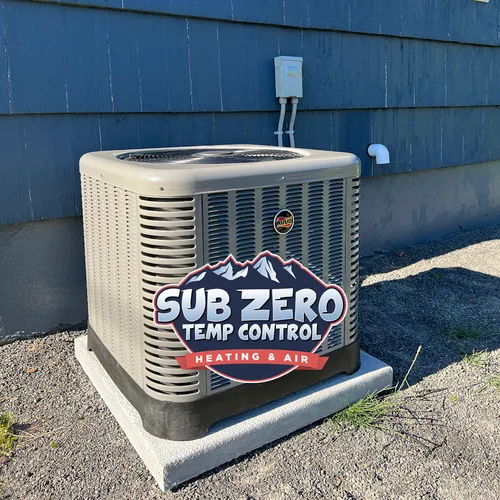
Sub Zero Temp Control
13714 NE 28th St Suite 12, Vancouver, WA 98682
Sub Zero Temp Control is an HVAC company based in Portland, OR, specializing in residential heating and cooling services. They offer repair, replacement, and installation for air conditioners, furnaces, heat pumps, and other HVAC systems. The company provides 24/7 emergency HVAC repair services and works with all major HVAC makes and models. With decades of experience, Sub Zero Temp Control serves the greater Vancouver, WA area and focuses on energy-efficiency upgrades and honest repair versus replacement advice.
Understanding Your HVAC System Options
The first step in any heating and air conditioning installation is selecting the right type of system for your home. The climate in Hillsboro and the broader Portland metro area, with its cool, wet winters and warm, dry summers, makes certain systems particularly advantageous.
Split Systems are the most common residential setup. They consist of an indoor unit, like a furnace or air handler with an evaporator coil, and an outdoor unit that houses the condenser or compressor. This configuration is versatile and can be paired with either a traditional air conditioner or a more efficient heat pump. 1
Heat Pumps are increasingly popular in Oregon due to their dual functionality-providing both heating and cooling from a single unit. They work by transferring heat rather than generating it, making them exceptionally energy-efficient. For homes without existing ductwork, ductless mini-split systems offer a fantastic solution, allowing for zoned temperature control in individual rooms.
When evaluating equipment, you'll encounter top brands like Carrier, Trane, and Lennox. The key is to focus on high-efficiency models, which, while sometimes having a higher upfront cost, offer substantial savings on monthly energy bills and may qualify for valuable tax credits. 2
The Step-by-Step Installation Process
A professional HVAC installation is a multi-stage project that ensures your system is correctly sized, safely installed, and optimally performing. Here's a breakdown of the typical process from start to finish.
1. Initial Assessment and Load Calculation The process begins with a detailed consultation. A qualified technician will discuss your comfort issues, review past utility bills, and assess your home's layout. The most critical technical step here is performing a Manual J load calculation. This complex calculation determines the exact heating and cooling capacity (measured in BTUs) your home requires based on its square footage, insulation, window types, and orientation. Skipping this step can lead to an improperly sized system that struggles to maintain temperature or cycles on and off too frequently.
2. System Design and Permitting Once the load is calculated, your contractor will design a system layout. This includes planning the placement of indoor and outdoor units, thermostat location, and any necessary ductwork modifications. They will then pull the required local building permits from the City of Hillsboro. This step is non-negotiable, as it ensures the installation meets all safety and building codes. Permit acquisition can take from a few days to a couple of weeks.
3. Preparation and Removal of Old Equipment On installation day, the crew will prepare the worksite by laying down protective coverings. They will then safely disconnect and remove your old furnace, air conditioner, or heat pump. This includes proper recovery of any remaining refrigerant, which is required by law.
Find the perfect hvac installers for your needs
Get personalized recommendations and expert advice
4. Installation of New Components This is the core phase where the new system is put in place. It typically involves:
- Installing the new furnace or air handler in the indoor location.
- Mounting the new outdoor condenser or heat pump unit on a stable pad.
- Connecting the new evaporator coil to the indoor unit.
- Running new refrigerant linesets and electrical wiring between the indoor and outdoor units.
- Installing a new, modern thermostat for optimal control.
5. Ductwork Modifications and Electrical Updates If your existing ductwork is leaky, poorly sized, or damaged, modifications will be made to ensure efficient airflow. Similarly, the electrical circuit serving the new outdoor unit may need to be upgraded to handle the system's power requirements. 3
6. System Testing, Startup, and Commissioning After all components are installed, the system is charged with refrigerant, powered on, and put through a rigorous series of tests. The technician will check refrigerant levels, measure airflow at all vents, test the heat strips (in a heat pump), verify safety controls, and ensure the thermostat is communicating correctly. This final commissioning is vital for long-term reliability and efficiency. 4
What to Expect: Timelines and Investment
Understanding the typical timeline and cost range helps set realistic expectations for your HVAC replacement project in Hillsboro.
Project Timeline:
- Consultation & Quote: A few days to a week to schedule and receive detailed proposals.
- Permitting: A few days to two weeks, depending on municipal schedules.
- Installation: For a full system replacement (e.g., furnace and air conditioner), the physical install typically takes 1 to 3 days. More complex jobs involving extensive ductwork may take longer. 5
Investment Overview: Costs for a new heating and cooling system vary widely based on your home's size, the equipment's efficiency rating, and the complexity of the installation.
- Full System Replacement: For a complete new furnace paired with an air conditioner or heat pump for a typical 2,000-2,500 sq ft home in Oregon, homeowners can expect a range of $10,000 to $20,000 or more, with averages around $14,000. 6 7
- Furnace-Only Installation: Replacing just a furnace generally falls in the range of $3,000 to $7,500. 8
Important Financial Incentive: A significant factor in the investment calculation is the federal Energy Efficient Home Improvement Credit. As noted by the Internal Revenue Service (IRS), this credit allows you to claim up to $3,200 annually for qualifying energy-efficient home improvements made through 2032. This includes a specific credit for certain high-efficiency central air conditioners, heat pumps, and furnaces. Always consult the official IRS guidelines or a tax professional to understand how this credit applies to your specific installation. 9
Choosing the Right Hillsboro HVAC Contractor
The success of your installation hinges on the skill and integrity of the contractor you choose. Always verify that the company is licensed, bonded, and insured to work in Oregon. Look for technicians who are NATE-certified (North American Technician Excellence), a leading industry credential. Obtain at least three detailed, written quotes that include the proposed equipment model numbers, a scope of work, and a complete breakdown of all costs. The lowest price is not always the best value; prioritize contractors who demonstrate a commitment to proper load calculations, clean installations, and clear communication. 10
Maintaining Your New System
After your new system is installed, protect your investment with regular maintenance. An annual tune-up, typically scheduled once for cooling in the spring and once for heating in the fall, is essential. This service includes cleaning components, checking refrigerant levels, inspecting electrical connections, and ensuring the system operates at peak efficiency. Proper maintenance extends the lifespan of your equipment, maintains its energy efficiency, and can help prevent costly emergency breakdowns.
Frequently asked questions
Sources
Footnotes
-
Comparing 8 Common Types of HVAC Systems - BigRentz - https://www.bigrentz.com/blog/types-of-hvac-systems ↩
-
Main Components of an HVAC System | Key Parts Explained - https://www.kjheatingandair.com/main-components-of-hvac-systems ↩
-
HVAC Unit Replacement | Heating and Air Conditioning - https://hepisontheway.com/hillsboro-hvac-unit-replacement ↩
-
Heating and Air Conditioning Installation in Hillsboro, OR - https://www.homedepot.com/services/l/or/hillsboro/heating-air-conditioning-installation/c16fbb4b7 ↩
-
Step-by-Step HVAC Installation Guide - Carrier - https://www.carrier.com/residential/en/us/products/air-conditioners/hvac-installation/ ↩
-
How Much Does a New HVAC System Cost in 2025? - https://www.jacklehr.com/blog/air-conditioning-service/new-hvac-system-cost-2025/ ↩
-
What Is The Average Cost For A New HVAC System? 2025 Shocking Facts - https://comforttemp.com/what-is-the-average-cost-for-a-new-hvac-system/ ↩
-
Furnace Cost to Replace in Oregon: A Complete Guide - https://advantageheatingllc.com/blog/furnace-cost-to-replace/ ↩
-
Energy Efficient Home Improvement Credit | Internal Revenue Service - https://www.irs.gov/credits-deductions/energy-efficient-home-improvement-credit ↩
-
Residential HVAC Services in Hillsboro, OR - Best Owner Direct - https://www.bestownerdirect.com/hvac/residential-hvac-services-in-hillsboro-or ↩