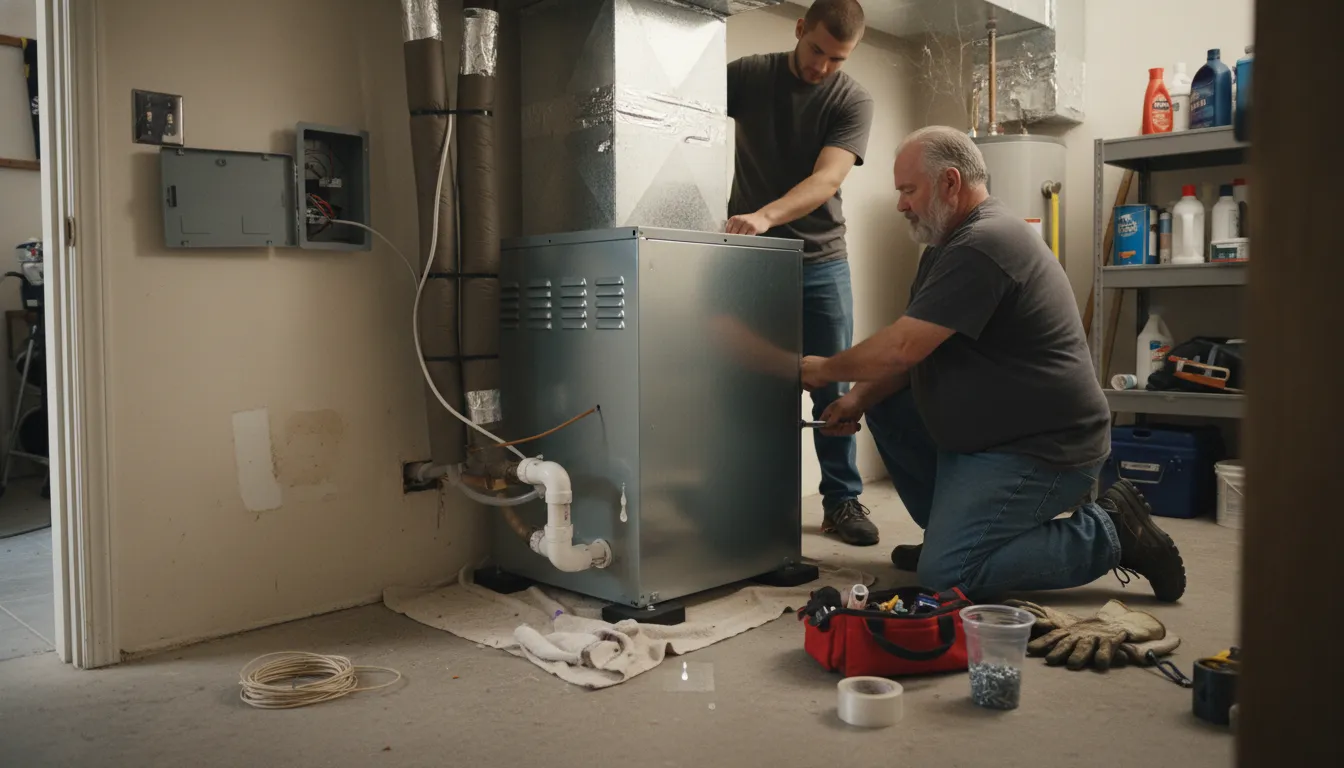
Find the Best HVAC Installers for Your Business
No obligation • Fast responses • Nationwide coverage

Why you can trust HVAC Firms
HVAC Firms is a leading United States resource for evaluating HVAC service providers. Our team researches companies, checks credentials, and reviews customer feedback to present clear, unbiased information. Listings and rankings are based on merit, and companies cannot pay to change our editorial content.
Search providers near you
Best HVAC Installers in Oregon Ranked
Upgrading or installing a new heating, ventilation, and air conditioning (HVAC) system is a significant investment in your Oregon home's comfort, energy efficiency, and value. With the state's diverse climate-from damp coastal winters to hot, dry summers in the interior-choosing the right system is crucial. This guide provides clear, practical information on the types of systems available, current efficiency standards, and what to expect regarding costs and incentives, helping you connect with qualified local professionals for your project.
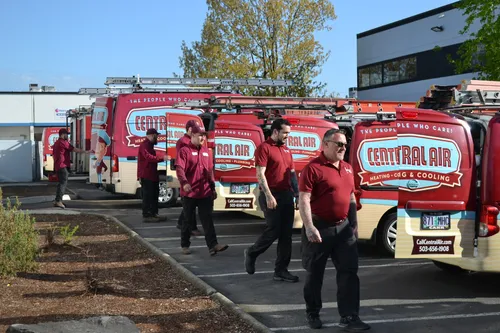
Central Air Heating, Cooling & Plumbing
11640 SW Corby Dr #5, Portland, OR 97225
Central Air Heating, Cooling & Plumbing is a Portland, OR-based company providing heating, cooling, plumbing, and indoor air quality services. Since 2001, they have offered installation, repair, and maintenance for central air conditioners, ductless mini splits, furnaces, and heat pumps. Their services include HVAC tune-ups, air balancing, air purifier installation, and plumbing repairs. The company emphasizes trained technicians and offers a comprehensive HVAC service plan to help maintain system efficiency and reduce breakdowns. They also provide plumbing solutions such as water heater and garbage disposal installation. Central Air Heating, Cooling & Plumbing guarantees repairs lasting at least three years and serves Portland homeowners with a broad range of home comfort needs.
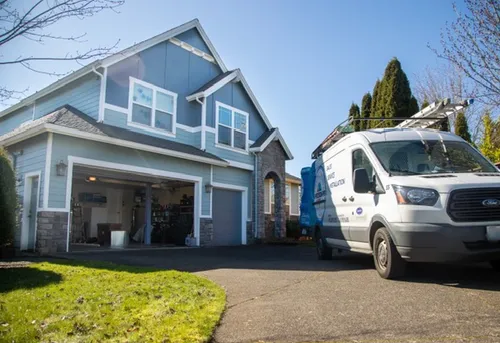
Precision Heating & Cooling
3128 E Evergreen Blvd Ste A, Vancouver, WA 98661
Precision Heating & Cooling provides heating and cooling repair, maintenance, and installation services in Portland, OR. They serve homes and businesses with a range of HVAC solutions including furnaces, heat pumps, air conditioning systems, and ductless mini-splits. The company offers equipment replacement, tune-ups, and maintenance plans, with after-hours emergency service available. Their team assists customers in selecting efficient systems and handles all brands and types of HVAC equipment.

Cornel's Plumbing, Heating & Air Conditioning
4015 SE 56th Ave, Portland, OR 97206
Cornel's Plumbing, Heating & Air Conditioning is a licensed, family-run company serving Portland, OR, and the surrounding metro area. With over 20 years of experience, they specialize in plumbing, heating, and air conditioning services for residential customers. Their expertise includes furnace and AC repair and installation, as well as plumbing solutions like water heater installation and drain cleaning. The company is known for providing same-day responses to emergency plumbing repairs and maintaining a high standard of workmanship.
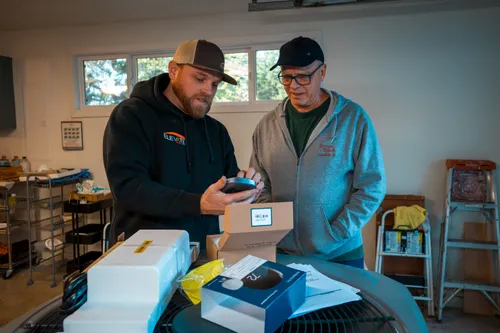
Elevate Heating & Cooling, Inc
5445 NE Century Blvd, Hillsboro, OR 97124
Elevate Heating & Cooling, Inc is a family-owned HVAC company serving Portland, OR and the surrounding greater Portland Metro Area. They offer a wide range of heating and cooling services including installation, repair, maintenance, and tune-ups for air conditioners, furnaces, heat pumps, and ductless mini-split systems. The company emphasizes energy-efficient equipment and thorough workmanship, with the owner personally overseeing each job to ensure quality. Elevate Heating & Cooling is licensed and insured and serves multiple nearby communities including Hillsboro, Beaverton, and Forest Grove.
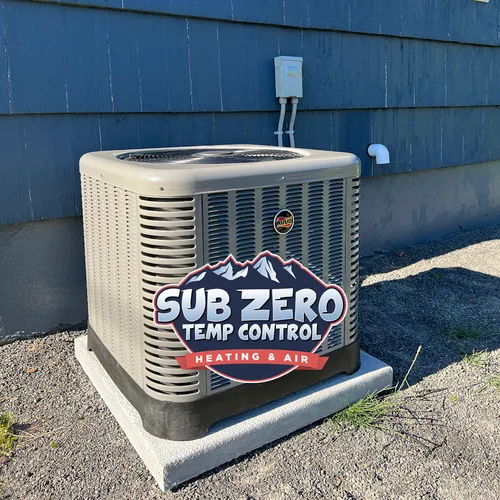
Sub Zero Temp Control
13714 NE 28th St Suite 12, Vancouver, WA 98682
Sub Zero Temp Control is an HVAC company based in Portland, OR, specializing in residential heating and cooling services. They offer repair, replacement, and installation for air conditioners, furnaces, heat pumps, and other HVAC systems. The company provides 24/7 emergency HVAC repair services and works with all major HVAC makes and models. With decades of experience, Sub Zero Temp Control serves the greater Vancouver, WA area and focuses on energy-efficiency upgrades and honest repair versus replacement advice.
Understanding Your Oregon HVAC System Options
Modern HVAC solutions for Oregon homes are designed to provide year-round comfort efficiently. The right choice depends on your existing home infrastructure, local climate, and performance goals.
Heat Pumps (Air Source): This is the dominant and most recommended choice for new installations and replacements in Oregon. An air-source heat pump provides both heating and cooling from a single, highly efficient unit. It works by transferring heat, moving it into your home in the winter and out of your home in the summer. This technology is central to the state's decarbonization goals, often replacing traditional gas furnaces. Modern cold-climate models perform efficiently even during Oregon's chilly winters.
Ductless Mini-Split Heat Pumps: A subtype of heat pump ideal for homes without existing ductwork, such as those with baseboard or wall heaters 1. These systems consist of an outdoor compressor unit connected to one or more indoor air handlers mounted on walls or ceilings. They offer exceptional "zone control," allowing you to heat or cool individual rooms independently, which can lead to significant energy savings.
Central Air Conditioning (AC): Often installed as an add-on to an existing forced-air furnace to provide cooling. While still common, a heat pump is increasingly preferred as it provides both functions in one system. A central AC-only system may be suitable if you have a new, high-efficiency furnace and primarily need cooling capacity.
Furnaces & Air Handlers: Gas furnaces are still installed, especially in areas with inexpensive natural gas. However, pairing a furnace with a heat pump in a dual-fuel or hybrid system is a popular option. Electric air handlers are used with heat pumps to distribute conditioned air through existing ductwork.
Oregon's Efficiency Standards and Why They Matter
Oregon has specific energy codes designed to reduce consumption and lower utility bills for homeowners. The Residential Specialty Code (ORSC) sets minimum performance standards for all new installations and major replacements.
Key Efficiency Metrics:
- SEER2 & EER2: These ratings measure cooling efficiency. The higher the SEER2 (Seasonal Energy Efficiency Ratio), the more efficient the air conditioner or heat pump is in cooling mode. Oregon's codes mandate minimums, but high-efficiency models (16 SEER2 and above) are encouraged and often incentivized.
- HSPF2: The Heating Seasonal Performance Factor measures a heat pump's heating efficiency. For optimal performance in Oregon's climate, look for ducted systems with an HSPF2 of 8.2 or higher, and ductless mini-splits with an HSPF2 of 8.5 or higher.
- Home Envelope Requirements: The code also addresses the home's "shell," including U-factors for windows (e.g., <0.29) and walls (e.g., <0.08), which measure heat transfer. A well-sealed and insulated home allows any HVAC system to work more effectively and efficiently.
Investing in equipment that exceeds the minimum code requirements pays off through lower monthly energy bills, increased comfort, and eligibility for rebates.
A Breakdown of HVAC Installation Costs in Oregon
HVAC installation costs vary widely based on system type, home size, and complexity. The following ranges are estimates for a full system installation in Oregon, including equipment and professional labor.
- Basic AC and Furnace System: Installing a standard-efficiency central air conditioner alongside a matching gas furnace typically ranges from $4,000 to $8,000.
- Heat Pump System (Ducted or Ductless): Installing a new heat pump system generally falls between $5,000 and $10,000+. A ductless mini-split for a single zone starts on the lower end, while a whole-home ducted system or a multi-zone ductless system will be higher. These are often combined with the installation of a new furnace or air handler.
- Mid-Range High-Efficiency System: A complete installation of a high-efficiency ducted heat pump or a sophisticated multi-zone ductless system typically costs $9,000 to $20,000.
- High-End/Whole-Home Comprehensive System: For large homes, complex installations requiring new ductwork, or top-tier variable-speed equipment, costs can range from $15,000 to $35,000 or more.
Find the perfect hvac installers for your needs
Get personalized recommendations and expert advice
Key Factors That Influence Your Final Cost
Understanding what drives these price ranges can help you budget and discuss options with contractors.
- System Size & Type: An undersized unit will struggle, and an oversized unit will short-cycle, wasting energy. A proper Manual J calculation performed by your contractor is essential to determine the correct capacity (measured in tons or BTUs) for your home's size, layout, and insulation 2. The choice between a ducted heat pump, ductless mini-split, or hybrid system is the primary cost driver.
- Efficiency Rating: Higher SEER2 and HSPF2 ratings usually come with a higher upfront equipment cost but offer greater long-term savings.
- Existing Ductwork: Installing a new ducted system in a home without ducts is a major project that significantly increases cost. Even modifying or sealing existing ducts adds to the labor.
- Home Complexity: Multi-story homes, unique architectural features, and the difficulty of accessing the installation site (attic, crawlspace, roof) can increase labor time and cost.
- Labor & Company Overhead: Reputable, licensed, and insured companies may charge more but provide critical expertise, proper permitting, and reliable warranties.
Financial Incentives and Rebates for Oregon Homeowners
Significant financial help is available to offset the cost of high-efficiency HVAC installations.
- Federal Tax Credits (IRA): The Inflation Reduction Act provides a tax credit of up to $2,000 for the installation of a qualified heat pump that meets specific efficiency tiers 3 4. This is a direct reduction of your federal income tax liability.
- Oregon Utility Rebates: Many local utility companies, such as Portland General Electric (PGE) and Pacific Power, offer cash rebates for installing high-efficiency heat pumps and other qualifying equipment. These rebates are often stackable with federal credits 5. It's essential to check with your specific utility provider and ensure your contractor is familiar with the application process.
- State Programs: Oregon promotes heat pump adoption through various initiatives and reports, highlighting their role in energy savings and emissions reduction 6 7.
Always confirm rebate eligibility before purchasing equipment, as requirements for make, model, and efficiency ratings are strict.
The Importance of Professional Installation & Choosing a Contractor
Even the best equipment will underperform if installed incorrectly. Professional installation ensures:
- Correct Sizing: Via Manual J load calculations.
- Optimal Placement: Of outdoor and indoor units for performance and noise.
- Proper Refrigerant Charge & Airflow: Critical for efficiency and equipment lifespan.
- Code Compliance: Meeting all Oregon state and local building codes.
- Valid Warranty: Most manufacturers require professional installation to uphold the equipment warranty.
When evaluating local HVAC contractors, look for licensed, bonded, and insured professionals with strong references. They should perform a detailed home assessment, provide a written, itemized quote, and clearly explain the recommended system's benefits, projected efficiency, and available rebates.
Frequently asked questions
Sources
Footnotes
-
What HVAC System Is Right for Your Oregon Home? | Reynolds - https://reynoldsep.com/what-hvac-system-is-right-for-your-oregon-home/ ↩
-
How Much Does it Cost to Install an HVAC Unit in The ... - https://www.aeheatingandcooling.com/blog/cost-install-hvac-the-columbia-river-gorge ↩
-
HVAC Costs in Portland, OR. A 2025 Guide - Medium - https://medium.com/hvac-service/hvac-costs-in-portland-or-ea2cfb7ac43b ↩
-
2025 HVAC Trends | Portland, OR - Sun Glow Heating & Cooling - https://sunglowinc.com/2025-hvac-trends/ ↩
-
HVAC system installation in Portland, OR - Ultimate Comfort - https://ultimatecomfortheating.com/hvac-system-installation-in-portland-or/ ↩
-
State of Oregon: Save Energy - Heating & Cooling - https://www.oregon.gov/energy/save-energy/Pages/heating-cooling.aspx ↩
-
2025 Biennial Oregon Heat Pump Report - https://www.oregon.gov/energy/Data-and-Reports/Documents/2025-Biennial-Oregon-Heat-Pump-Report.pdf ↩