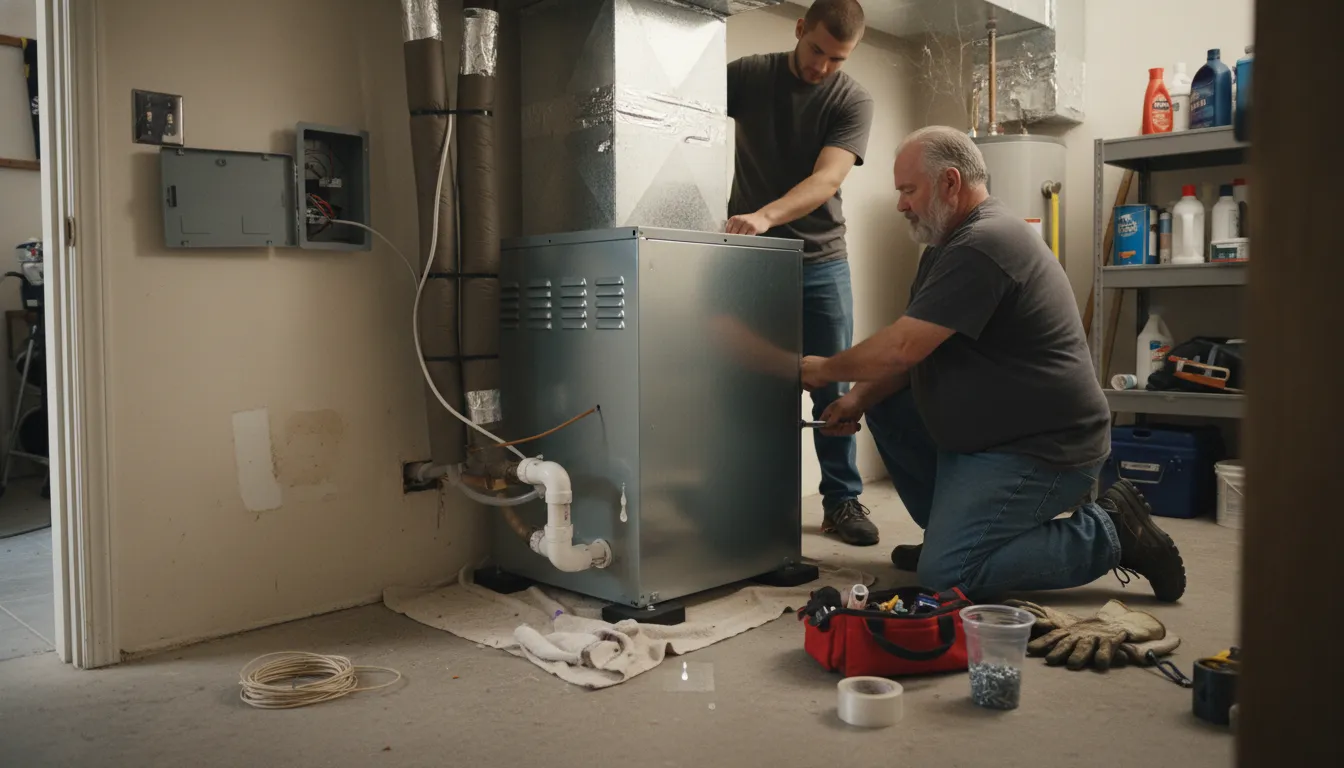
Find the Best HVAC Installers for Your Business
No obligation • Fast responses • Nationwide coverage

Why you can trust HVAC Firms
HVAC Firms is a leading United States resource for evaluating HVAC service providers. Our team researches companies, checks credentials, and reviews customer feedback to present clear, unbiased information. Listings and rankings are based on merit, and companies cannot pay to change our editorial content.
Search providers near you
Top HVAC Installers in Beaverton, Oregon Ranked
Installing a new heating, ventilation, and air conditioning system is a significant investment in your home's comfort, efficiency, and value. In Beaverton's climate, a properly sized and installed HVAC system is essential for managing cool, wet winters and warm, dry summers. This guide will help you understand your options for a new heating and cooling system, the typical installation process, and how to connect with qualified local professionals to get the job done right.
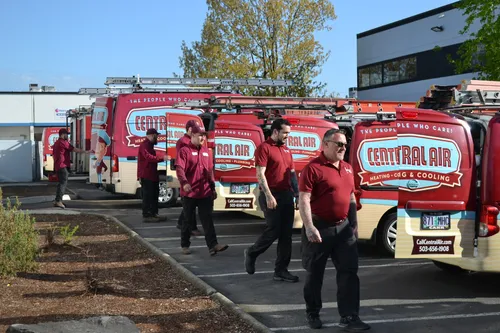
Central Air Heating, Cooling & Plumbing
11640 SW Corby Dr #5, Portland, OR 97225
Central Air Heating, Cooling & Plumbing is a Portland, OR-based company providing heating, cooling, plumbing, and indoor air quality services. Since 2001, they have offered installation, repair, and maintenance for central air conditioners, ductless mini splits, furnaces, and heat pumps. Their services include HVAC tune-ups, air balancing, air purifier installation, and plumbing repairs. The company emphasizes trained technicians and offers a comprehensive HVAC service plan to help maintain system efficiency and reduce breakdowns. They also provide plumbing solutions such as water heater and garbage disposal installation. Central Air Heating, Cooling & Plumbing guarantees repairs lasting at least three years and serves Portland homeowners with a broad range of home comfort needs.
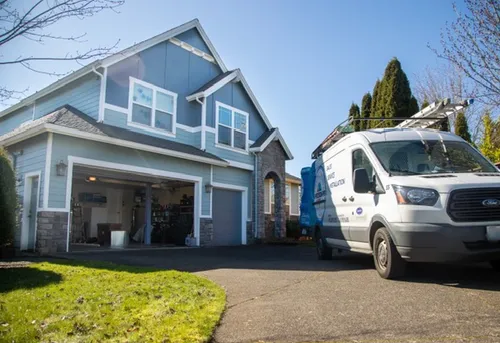
Precision Heating & Cooling
3128 E Evergreen Blvd Ste A, Vancouver, WA 98661
Precision Heating & Cooling provides heating and cooling repair, maintenance, and installation services in Portland, OR. They serve homes and businesses with a range of HVAC solutions including furnaces, heat pumps, air conditioning systems, and ductless mini-splits. The company offers equipment replacement, tune-ups, and maintenance plans, with after-hours emergency service available. Their team assists customers in selecting efficient systems and handles all brands and types of HVAC equipment.

Cornel's Plumbing, Heating & Air Conditioning
4015 SE 56th Ave, Portland, OR 97206
Cornel's Plumbing, Heating & Air Conditioning is a licensed, family-run company serving Portland, OR, and the surrounding metro area. With over 20 years of experience, they specialize in plumbing, heating, and air conditioning services for residential customers. Their expertise includes furnace and AC repair and installation, as well as plumbing solutions like water heater installation and drain cleaning. The company is known for providing same-day responses to emergency plumbing repairs and maintaining a high standard of workmanship.
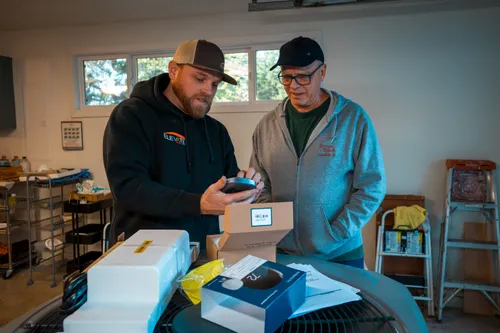
Elevate Heating & Cooling, Inc
5445 NE Century Blvd, Hillsboro, OR 97124
Elevate Heating & Cooling, Inc is a family-owned HVAC company serving Portland, OR and the surrounding greater Portland Metro Area. They offer a wide range of heating and cooling services including installation, repair, maintenance, and tune-ups for air conditioners, furnaces, heat pumps, and ductless mini-split systems. The company emphasizes energy-efficient equipment and thorough workmanship, with the owner personally overseeing each job to ensure quality. Elevate Heating & Cooling is licensed and insured and serves multiple nearby communities including Hillsboro, Beaverton, and Forest Grove.
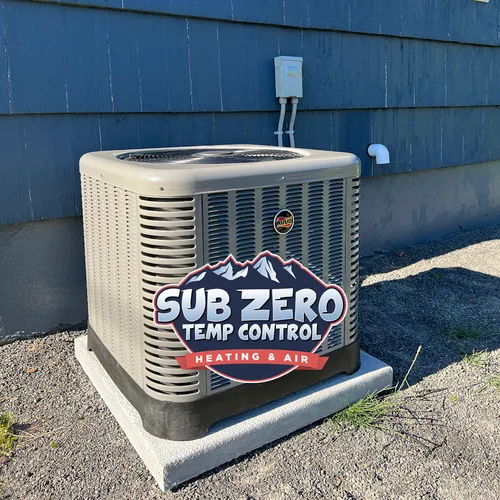
Sub Zero Temp Control
13714 NE 28th St Suite 12, Vancouver, WA 98682
Sub Zero Temp Control is an HVAC company based in Portland, OR, specializing in residential heating and cooling services. They offer repair, replacement, and installation for air conditioners, furnaces, heat pumps, and other HVAC systems. The company provides 24/7 emergency HVAC repair services and works with all major HVAC makes and models. With decades of experience, Sub Zero Temp Control serves the greater Vancouver, WA area and focuses on energy-efficiency upgrades and honest repair versus replacement advice.
Understanding Your HVAC System Options
When planning a new installation, the first step is choosing the right type of system for your Beaverton home. The primary options include heat pumps, traditional split systems, and ductless mini-splits, each with distinct advantages.
Heat Pumps are an increasingly popular choice in Oregon due to their high efficiency and dual functionality. They work by transferring heat, pulling warmth from the outside air to heat your home in winter and reversing the process to cool it in summer. This technology can be significantly more efficient than generating heat directly, especially in Beaverton's moderate climate1. Many residents may qualify for incentives like the Oregon Heat Pump Purchase Program, which offers rebates to help offset the initial cost.
Furnace and Air Conditioner Combos represent the traditional forced-air system. This setup pairs a gas furnace for heating with a separate central air conditioner for cooling. It's a reliable choice, particularly for homes with existing ductwork and for those who prefer the rapid, powerful heat a gas furnace can provide.
Ductless Mini-Split Systems are an excellent solution for homes without existing ductwork, for room additions, or for enhancing zone control. These systems consist of an outdoor compressor unit connected to one or more indoor air handlers mounted on walls or ceilings. They offer individual room temperature control and can be very efficient, as they avoid the energy losses associated with ductwork.
The Step-by-Step Installation Process
A professional HVAC installation is a multi-day project that follows a careful sequence to ensure safety, efficiency, and longevity. Understanding this process can help you know what to expect when the crew arrives.
- Initial Assessment and Planning: The process begins with a thorough site evaluation. A technician will assess your home's square footage, insulation levels, window quality, and existing ductwork. This crucial step ensures your new system is correctly sized-not too large, which leads to short cycling, and not too small, which strains to keep up.
- Permitting and Preparation: Your licensed contractor will handle pulling any necessary local permits required in Washington County. On installation day, the crew will prepare the work area, protecting your floors and furniture.
- Removal of Old Equipment: The old furnace, air conditioner, or heat pump is safely disconnected and removed from your home. This includes proper handling of any refrigerants in accordance with environmental regulations.
- New Unit Installation: The new indoor unit (air handler or furnace) and outdoor unit (condenser or heat pump) are set in place. For ducted systems, this phase often includes inspecting, sealing, and potentially modifying or replacing sections of ductwork to optimize airflow and efficiency.
- Electrical and Refrigerant Lines: New electrical connections are made to your home's panel to power the system. For cooling systems, new copper refrigerant lines are run between the indoor and outdoor units, which are then pressure-tested and charged with refrigerant 2.
- Thermostat and Controls: A new, modern thermostat is installed. Many homeowners opt for programmable or smart thermostats that offer greater control and can lead to additional energy savings.
- System Testing and Commissioning: This is the most critical phase. The technicians will start the system, checking for proper refrigerant charge, measuring airflow at all vents, verifying the heat sequence, and ensuring the drainage system works correctly. They will calibrate the thermostat and test all safety controls.
- Homeowner Walk-Through: Finally, the project manager or lead technician will walk you through your new system, explaining basic operation, filter changes, and maintenance schedules. You should also receive all manufacturer paperwork and warranty information3.
What to Expect: Timeline and Investment
A full HVAC system replacement in Beaverton is not an instant project. For a standard forced-air system replacement, you can typically expect the physical installation to take 1 to 3 days4 5. A straightforward swap may be completed in a day, while jobs involving significant ductwork modifications or a change in system type (like switching from a furnace to a heat pump) will likely take longer.
The investment for a new central heating and air conditioning system varies widely based on your home's size, the system type, its efficiency rating (SEER for cooling, HSPF for heat pumps), and the complexity of the installation. For a complete system in a typical 2,000-2,500 square foot Beaverton home, costs often range from $10,000 to over $20,0006 7. Installing a furnace alone in Oregon can range from approximately $3,000 to $7,500 or more8.
Find the perfect hvac installers for your needs
Get personalized recommendations and expert advice
Maximizing Your Investment with Rebates and Credits
A significant portion of your new HVAC system's cost can be mitigated by available incentives. Oregon and federal programs are designed to encourage the adoption of high-efficiency equipment.
- Oregon Heat Pump Purchase Program: Administered by the Oregon Department of Energy, this program offers point-of-sale rebates for qualifying heat pump installations. Rebates can be up to $2,000, directly reducing your upfront cost9.
- Federal Tax Credits: The federal government offers tax credits for installing certain high-efficiency heat pumps and other HVAC equipment. These credits can cover a percentage of the project cost, including installation, and are claimed on your annual income tax return.
- Energy Trust of Oregon Incentives: For customers of participating utilities, Energy Trust of Oregon may offer additional cash incentives for upgrading to qualifying efficient heat pumps and other measures.
Your HVAC contractor should be well-versed in these programs and can help you determine your eligibility and navigate the application process.
Choosing the Right Contractor in Beaverton
The success of your HVAC installation hinges on the skill and integrity of the contractor you choose. Look for a company that is licensed, bonded, and insured to work in Oregon. Check for positive reviews on independent platforms and ask for references from recent installations similar to yours. A reputable contractor will never pressure you for an immediate sale and will always start with a detailed, in-home load calculation rather than giving a quote over the phone. They should provide a written, itemized estimate that clearly outlines equipment models, labor, warranty terms, and a projected timeline.
Maintaining Your New System
Once your new system is installed, proper maintenance is key to protecting your investment. This includes changing your air filter regularly (typically every 1-3 months), keeping the outdoor unit clear of debris like leaves and grass clippings, and scheduling annual professional tune-ups. A spring tune-up for your cooling system and a fall check for your heating system will ensure it runs efficiently, catch small issues before they become major repairs, and help maintain your manufacturer's warranty.
Frequently asked questions
Sources
Footnotes
-
Residential HVAC Services in Beaverton, OR - https://www.bestownerdirect.com/hvac/residential-hvac-services-beaverton-or ↩
-
Main Components of an HVAC System | Key Parts Explained - https://www.kjheatingandair.com/main-components-of-hvac-systems ↩
-
Step-by-Step HVAC Installation Guide - Carrier - https://www.carrier.com/residential/en/us/products/air-conditioners/hvac-installation/ ↩
-
Air Conditioning Replacement & Installation in Beaverton - https://www.oregonheating.com/air-conditioning/ac-installation-replacement/ ↩
-
Heating and Air Conditioning Installation in Beaverton, OR - https://www.homedepot.com/services/l/or/beaverton/heating-air-conditioning-installation/c16fbb4b7 ↩
-
How Much Does a New HVAC System Cost in 2025? - https://www.jacklehr.com/blog/air-conditioning-service/new-hvac-system-cost-2025/ ↩
-
How Much Does an HVAC Replacement Cost in 2025? - Airmaxx - https://airmaxx.com/blog/how-much-does-an-hvac-replacement-cost-in-2025/ ↩
-
Furnace Cost to Replace in Oregon: A Complete Guide - https://advantageheatingllc.com/blog/furnace-cost-to-replace/ ↩
-
How to Maximize Rebates & Tax Credits for HVAC Upgrades in Oregon - https://addcox.com/how-to-maximize-rebates-tax-credits-for-hvac-upgrades-in-oregon/ ↩