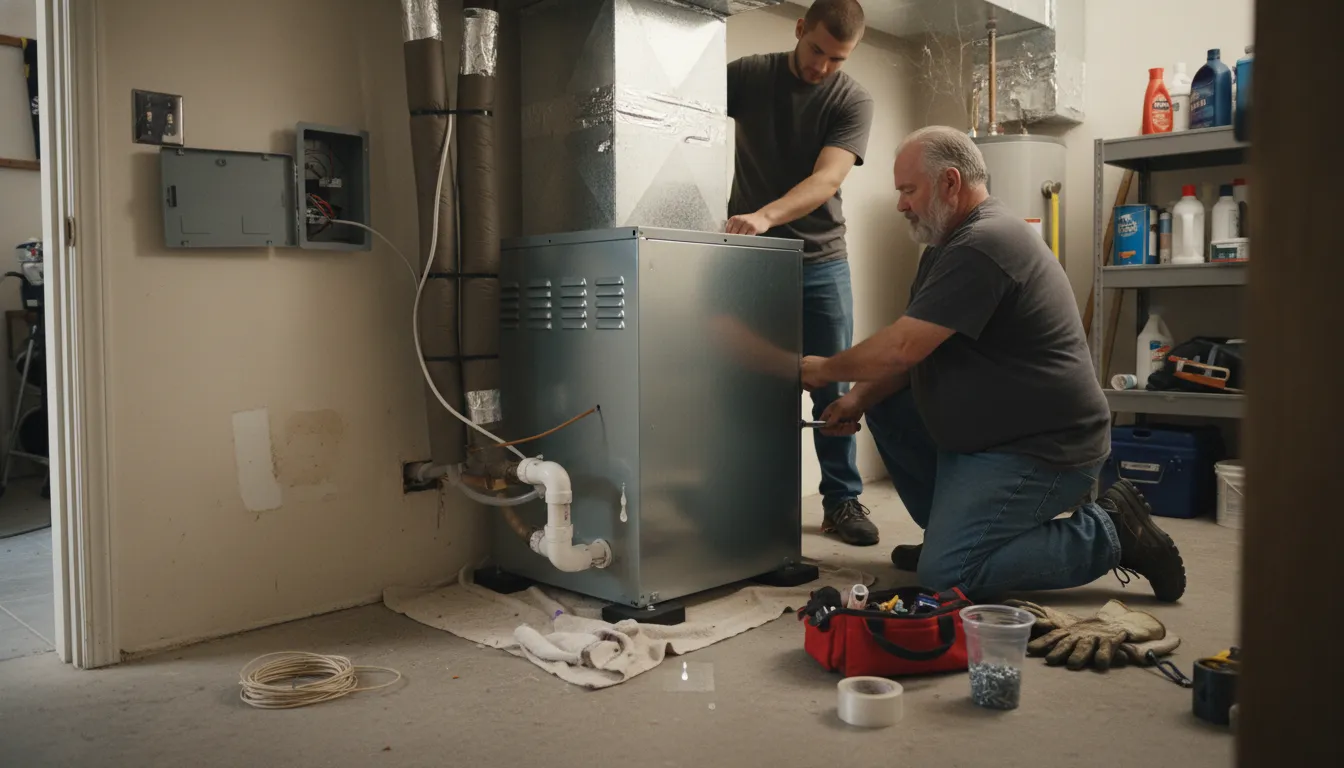
Find the Best HVAC Installers for Your Business
No obligation • Fast responses • Nationwide coverage

Why you can trust HVAC Firms
HVAC Firms is a leading United States resource for evaluating HVAC service providers. Our team researches companies, checks credentials, and reviews customer feedback to present clear, unbiased information. Listings and rankings are based on merit, and companies cannot pay to change our editorial content.
Search providers near you
Top HVAC Installers in Woodbridge, New Jersey Ranked
Upgrading your home's heating and cooling system is a significant investment in your comfort, energy efficiency, and property value. HVAC installation involves more than just swapping out old equipment; it's a technical process that requires proper sizing, quality components, and expert craftsmanship to ensure reliable performance for years to come. This guide will help you understand the common system options, installation steps, and key considerations for a successful HVAC replacement project in Woodbridge, so you can make an informed decision when selecting a local service provider.
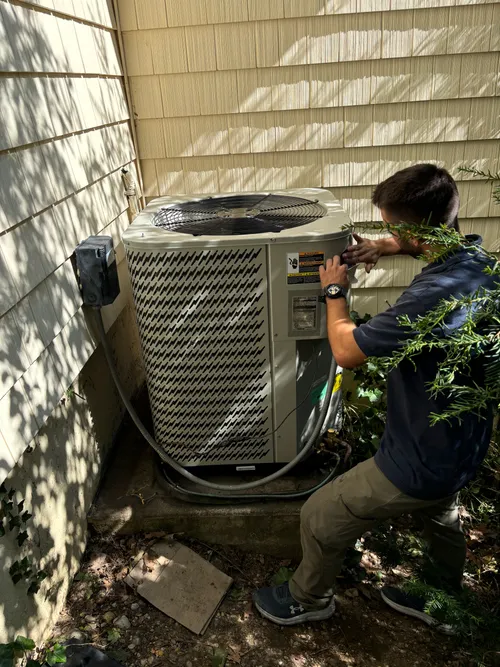
KOKA-TECH HVAC INC
60-21 Menahan St, Ridgewood, NY 11385
KOKA-TECH HVAC INC provides professional heating and cooling services in New York, NY, including installation, repair, and tune-ups for air conditioners, furnaces, heat pumps, boilers, and mini splits. They offer 24/7 emergency support and same-day availability, serving Queens, Brooklyn, Manhattan, Bronx, and Long Island. The company is licensed and insured, with a strong local presence and expertise in NYC buildings. With nearly 300 five-star reviews, KOKA-TECH HVAC INC is recognized for upfront quotes and customer approval before starting work.
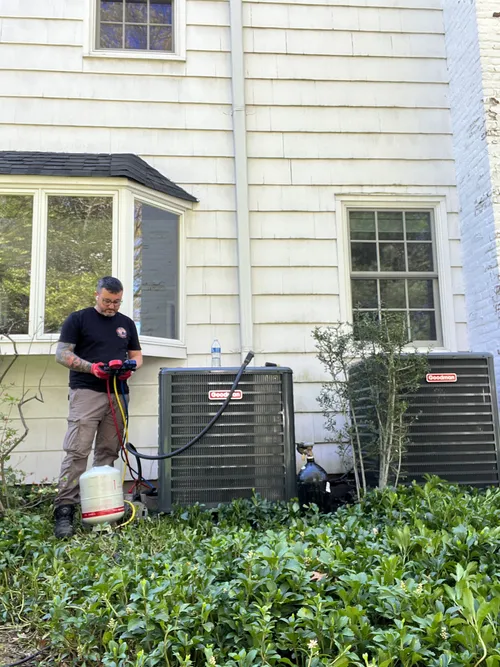
Air Cubes HVAC
2431 Dorchester Rd, Union, NJ 07083
Air Cubes HVAC is a family-owned HVAC contractor serving Newark, NJ, and surrounding areas in Essex, Hudson, Middlesex, and Union counties. They provide heating and air conditioning services including installation, repair, and maintenance for furnaces, air conditioners, heat pumps, and duct systems. The company is fully licensed and insured, with a master HVACR contractor leading the team. Air Cubes HVAC offers duct cleaning and HVAC tune-up services to help maintain system efficiency and comfort year-round.
Aeromark Mechanical Inc
153 Morgan St, Jersey City, NJ 07302
Aeromark Mechanical Inc provides residential and commercial HVAC services in New York, NY, and the surrounding Northern New Jersey area. They specialize in heating and air conditioning repair, installation, and maintenance, including heat pumps, ductless HVAC systems, and indoor air quality solutions. With over 15 years of experience, Aeromark Mechanical offers seasonal maintenance plans and has expertise in installing advanced systems like VRF and high-velocity HVAC. Their certified technicians also handle smart thermostat installations and duct repair services.
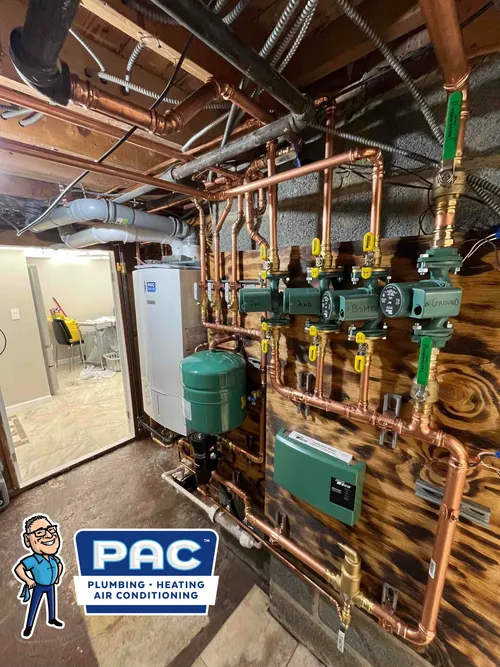
P.A.C. Plumbing, Heating, & A/C
545 Port Richmond Ave, Staten Island, NY 10302
P.A.C. Plumbing, Heating, & A/C is a full-service plumbing and HVAC company serving Newark, NJ, and surrounding areas. They provide a range of services including air conditioning and furnace repair and installation, as well as indoor air quality solutions. The company is known for offering accurate diagnoses and tailored service options to fit different budgets. Their team is experienced in handling various plumbing and HVAC issues, with a focus on long-term comfort through maintenance plans. P.A.C. Plumbing, Heating, & A/C has been recognized locally for its service quality and commitment to the community.
Meyer & Depew Co., Inc.
309 Lafayette Ave, Kenilworth, NJ 07033
Meyer & Depew Co., Inc. is an HVAC company serving Newark, NJ, specializing in air conditioning, furnace, and boiler installation, repair, and maintenance. They offer services including central AC installation, heating system tune-ups, and ductless mini split system installations. The company provides 24/7 availability for heating and air conditioning repairs and maintenance. Their technicians are licensed and experienced in handling high-efficiency heating and cooling systems, including Energy Star® boilers and furnaces. Meyer & Depew has a strong presence in central and northern New Jersey and is known for its preventative maintenance plans and technical expertise.
Choosing the right heating and air conditioning system for your Woodbridge home is the first critical step. The local climate, with its hot, humid summers and cold winters, demands a system capable of efficient year-round operation. The most common choices include full central systems, heat pumps, and ductless mini-splits, each with distinct advantages depending on your home's layout and your comfort goals.
Common System Choices for Your Home
Full Central HVAC (Furnace + Air Conditioner) This traditional setup is the best choice for whole-home, reliable heating and cooling in homes with existing ductwork. It pairs a gas or oil furnace for winter heating with a central air conditioner for summer cooling. High-efficiency models with variable-speed blowers and higher SEER (Seasonal Energy Efficiency Ratio) ratings cost more upfront but offer significant long-term energy savings 1. For many homes in the area, this remains the standard and most comprehensive solution.
Heat Pumps An increasingly popular option in New Jersey, heat pumps are energy-efficient dual systems that provide both heating and cooling from one unit. They work by transferring heat rather than generating it, making them exceptionally efficient. They are a great choice if you are looking to reduce your carbon footprint or if your home lacks natural gas lines. While they have a higher upfront cost, their efficiency can lead to lower utility bills, and they are often eligible for special rebates 2.
Ductless Mini-Splits Ideal for smaller homes, room additions, sunrooms, or for creating zoned comfort in specific areas, ductless systems do not require ductwork. An outdoor compressor connects to one or more indoor air handlers mounted on walls or ceilings. This allows you to control temperatures in individual rooms, eliminating hot or cold spots and potentially saving energy by not conditioning unused spaces. They are an excellent solution for older homes where installing ducts would be prohibitively expensive or disruptive.
Understanding the Installation Process
A professional HVAC installation is a multi-step process designed to ensure safety, compliance, and optimal system performance. Rushing or cutting corners during installation can lead to inefficiency, frequent repairs, and a shortened equipment lifespan.
1. Consultation & Load Calculation The process begins with a detailed consultation. A qualified technician will assess your home's size, insulation, window placement, and your family's comfort needs. Crucially, they should perform a Manual J load calculation. This industry-standard calculation determines the exact heating and cooling capacity (in BTUs) your home requires, preventing the common and costly mistake of installing an oversized or undersized system 3 4.
2. Permits & Planning Your contractor will handle obtaining the necessary local permits from Woodbridge Township. This step ensures the installation meets all building and safety codes. A reputable provider will manage this paperwork seamlessly as part of their service.
3. Site Preparation & Equipment Removal On installation day, the crew will prepare the work area, protecting your floors and furnishings. They will then safely disconnect and remove your old furnace, air conditioner, or heat pump, following proper procedures for refrigerant recovery and equipment disposal.
4. Ductwork Assessment and Modification The condition of your existing ductwork is a major factor in system performance. The installers will inspect your ducts for leaks, damage, or inadequate sizing. They may seal leaks with mastic or metal-backed tape and recommend repairs or replacements if necessary. Properly sized and sealed ducts are essential for efficient airflow and comfort.
Find the perfect hvac installers for your needs
Get personalized recommendations and expert advice
5. New Equipment Installation & Testing The new furnace, air handler, and outdoor condenser or heat pump unit are carefully positioned and installed. Refrigerant lines and electrical wiring are run and connected. Once everything is in place, the system is charged with refrigerant, powered on, and put through a series of tests. The technician will check refrigerant levels, airflow, thermostat calibration, and safety controls to ensure everything is operating at peak efficiency. You should receive a walkthrough of your new system's features and basic maintenance tips.
Timelines and What to Expect
For a standard replacement where the existing ductwork and electrical infrastructure are in good condition, most installations are completed within 1 to 2 days 5. The timeline can extend if significant ductwork repairs are needed, if the home requires new electrical service, or if you are switching to a completely different type of system (like moving from a boiler to forced-air). Your contractor should provide a clear schedule upfront.
Cost Considerations for HVAC Replacement
Investing in a new heating and cooling system is a major financial decision. Costs in the Woodbridge area vary widely based on equipment type, efficiency ratings, home size, and labor. Getting multiple detailed bids is essential.
- Full System (Furnace & Central AC): For a complete replacement, homeowners can expect a range typically between $9,000 and $20,000+. A mid-range system for a 2,000-2,500 square foot home often falls in the $10,000 to $14,000 range 6.
- Heat Pump System: Installation costs for a heat pump system generally range from $7,500 to $14,000+, influenced by the unit's capacity and efficiency.
- High-Efficiency Systems: Top-tier systems with high SEER (for cooling) and AFUE (Annual Fuel Utilization Efficiency for furnaces) ratings command a premium, often ranging from $14,000 to $20,000+. These systems offer the lowest operating costs over time 7 8.
- Ductless Mini-Split: For a single-zone system, costs can start around $3,000-$5,000, with multi-zone systems increasing accordingly.
These figures are influenced by the equipment brand, the complexity of the installation, the condition of existing ductwork, and local permit fees. Always request a line-item estimate that breaks down equipment, labor, materials, and permits.
Key Factors for a Successful Project
Beyond cost and equipment, several factors are critical to a successful outcome.
- Get Multiple Detailed Bids: Obtain at least three written estimates from licensed and insured local contractors. Compare not just the bottom line, but the scope of work, equipment brands and models proposed, warranty terms, and the thoroughness of the proposal.
- Insist on a Load Calculation: Never accept a quote based solely on the size of your old unit or a "rule of thumb." A proper Manual J calculation is non-negotiable for correct sizing.
- Explore Rebates and Incentives: Check for available rebates from New Jersey's Clean Energy Program or federal tax credits, especially for high-efficiency systems and heat pumps. These can significantly offset your initial investment.
- Verify Credentials: Ensure the contractor is licensed by the New Jersey Division of Consumer Affairs, insured, and has positive, verifiable local references.
Frequently asked questions
Sources
Footnotes
-
How Much Does HVAC Installation Cost? - https://ashburnhvac.com/how-much-does-hvac-installation-cost/ ↩
-
The Best Woodbridge AC For Homeowners - NJ Pipe Doctor - https://njpipedr.com/blog/what-is-the-best-type-of-ac-for-new-jersey-homeowners/ ↩
-
New Jersey HVAC Replacement & Installation Costs - https://thefurnaceoutlet.com/blogs/news/new-jersey-hvac-replacement-installation-costs-what-you-need-to-know ↩
-
Residential HVAC Installation Process: A Comprehensive Guide - https://precisionairhc.com/blog/residential-hvac-installation-process/ ↩
-
A Homeowner's Guide to Residential HVAC Installation - https://www.fccomfort.com/2023/06/23/homeowners-guide-to-residential-hvac-installation/ ↩
-
How Much Does a New HVAC System Cost in 2025? - https://www.jacklehr.com/blog/air-conditioning-service/new-hvac-system-cost-2025/ ↩
-
What Is The Cost To Replace An HVAC System In New Jersey? - https://cleanairtechnologiesnj.com/cost-to-replace-an-hvac-system/ ↩
-
Heating and Air Conditioning Installation in Woodbridge, NJ - https://www.homedepot.com/services/l/nj/woodbridge/heating-air-conditioning-installation/c16fbb4b7 ↩