Find the Best HVAC Installers for Your Business
No obligation • Fast responses • Nationwide coverage

Why you can trust HVAC Firms
HVAC Firms is a leading United States resource for evaluating HVAC service providers. Our team researches companies, checks credentials, and reviews customer feedback to present clear, unbiased information. Listings and rankings are based on merit, and companies cannot pay to change our editorial content.
Search providers near you
Top HVAC Installers in Parsippany-Troy Hills, New Jersey Ranked
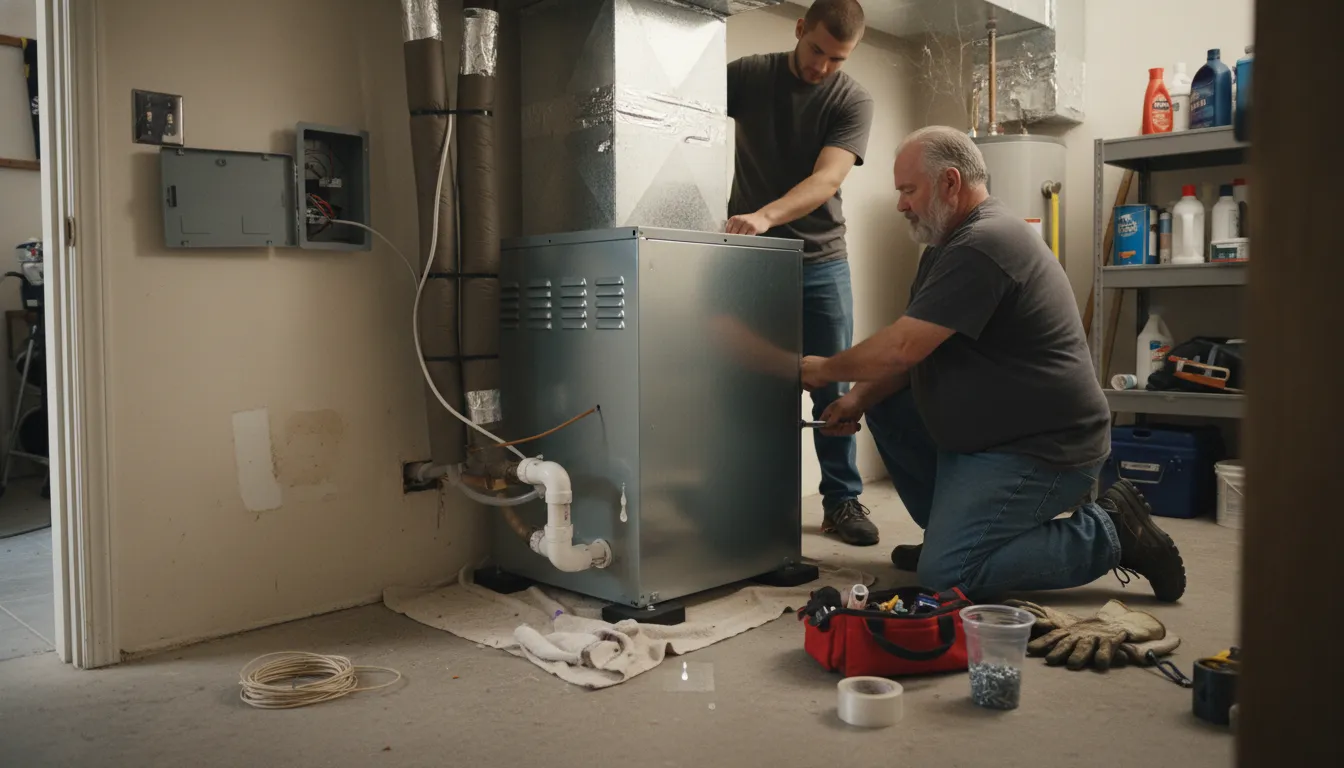
Installing a new heating and cooling system is a significant investment in your home's comfort, efficiency, and value. Whether you're replacing an old, failing unit or upgrading for better performance, understanding the process and options available in Parsippany is key. This guide explains the common system types, the step-by-step installation journey, and what to expect in terms of timeline and investment, helping you make an informed decision when selecting a local provider for your project.
KOKA-TECH HVAC INC
60-21 Menahan St, Ridgewood, NY 11385
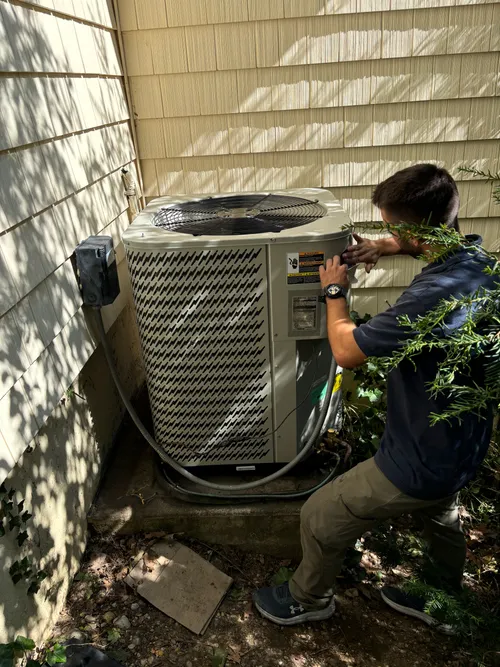
KOKA-TECH HVAC INC provides professional heating and cooling services in New York, NY, including installation, repair, and tune-ups for air conditioners, furnaces, heat pumps, boilers, and mini splits. They offer 24/7 emergency support and same-day availability, serving Queens, Brooklyn, Manhattan, Bronx, and Long Island. The company is licensed and insured, with a strong local presence and expertise in NYC buildings. With nearly 300 five-star reviews, KOKA-TECH HVAC INC is recognized for upfront quotes and customer approval before starting work.
SM Heating and Air Conditioning Inc.
94 Wanaque Ave #1, Pompton Lakes, NJ 07442
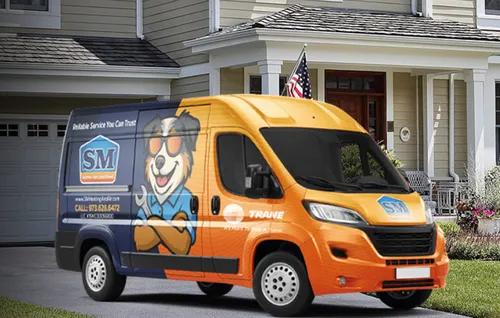
SM Heating and Air Conditioning Inc. offers heating and air conditioning services in New York, NY, and the surrounding New Jersey areas including Pequannock and Morris County. The company provides a range of HVAC services such as air conditioner and furnace repair, installation, maintenance, and indoor air quality solutions. With over 25 years of experience, they handle everything from preventive maintenance to full system replacements and offer same-day service to address urgent needs promptly.
Monster Mechanical
26 Patterson Dr, Oak Ridge, NJ 07438
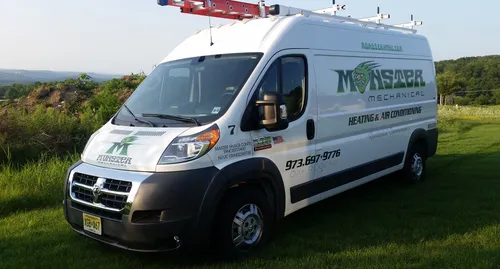
Monster Mechanical is an HVAC contractor based in New York, NY, specializing in air conditioning and furnace installation as well as HVAC tune-up services. The company is known for detailed planning and precise installation work, including duct modification and system sizing tailored to each home. They have a strong focus on neat workmanship, with clean piping, wiring, and ductwork that often requires no additional repairs or touch-ups after installation. Monster Mechanical has been serving customers for over 20 years, providing reliable heating and cooling solutions with a commitment to quality and customer care.
Air Cubes HVAC
2431 Dorchester Rd, Union, NJ 07083
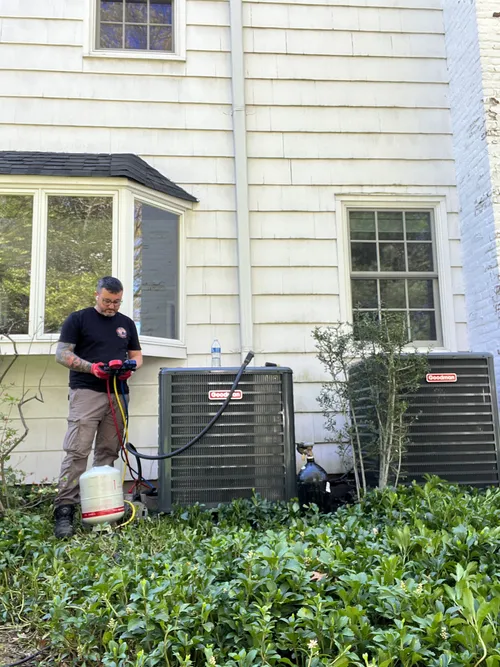
Air Cubes HVAC is a family-owned HVAC contractor serving Newark, NJ, and surrounding areas in Essex, Hudson, Middlesex, and Union counties. They provide heating and air conditioning services including installation, repair, and maintenance for furnaces, air conditioners, heat pumps, and duct systems. The company is fully licensed and insured, with a master HVACR contractor leading the team. Air Cubes HVAC offers duct cleaning and HVAC tune-up services to help maintain system efficiency and comfort year-round.
Aeromark Mechanical Inc
153 Morgan St, Jersey City, NJ 07302
Aeromark Mechanical Inc provides residential and commercial HVAC services in New York, NY, and the surrounding Northern New Jersey area. They specialize in heating and air conditioning repair, installation, and maintenance, including heat pumps, ductless HVAC systems, and indoor air quality solutions. With over 15 years of experience, Aeromark Mechanical offers seasonal maintenance plans and has expertise in installing advanced systems like VRF and high-velocity HVAC. Their certified technicians also handle smart thermostat installations and duct repair services.
Understanding Your HVAC System Options in Parsippany
Choosing the right system is the first and most critical step in your installation project. The climate in New Jersey, with its hot, humid summers and cold winters, demands a versatile and reliable solution. The primary choices for Parsippany homes include traditional central systems, modern heat pumps, and flexible ductless units.
Central Air Conditioning and Furnace Systems
This is the most common setup in many Parsippany homes. It involves a split system with an outdoor air conditioning unit paired with an indoor gas furnace. The furnace provides heat during winter, while the AC unit handles summer cooling, with both utilizing the home's existing ductwork to distribute air. This traditional pairing is a reliable choice, especially for homes already equipped with functional ducts. Modern high-efficiency models can significantly reduce your energy bills compared to older units.
Heat Pump Systems
Heat pumps are gaining tremendous popularity for their efficiency and versatility. They work by transferring heat rather than generating it, providing both heating and cooling from a single unit. For Parsippany's climate, air-source heat pumps are an excellent option, particularly for homes looking to modernize and reduce reliance on fossil fuels. They are most efficient in milder winter conditions and can be paired with a backup furnace for the coldest days. Choosing a heat pump can be a forward-thinking move for both comfort and sustainability.
Ductless Mini-Split Systems
Also known as VRF (Variable Refrigerant Flow) systems, ductless mini-splits are ideal for specific scenarios. They are perfect for home additions, sunrooms, or older homes that lack any ductwork. These systems consist of an outdoor compressor unit connected to one or more indoor air handlers mounted on walls or ceilings. They offer "zoned" comfort, allowing you to control the temperature in individual rooms, which can lead to substantial energy savings. Their high efficiency and flexible installation make them a smart choice for targeted comfort solutions.
The HVAC Installation Process: A Step-by-Step Guide
A professional HVAC installation is a detailed process that ensures your system operates safely, efficiently, and reliably for years to come. Here's what you can expect from start to finish when you hire a qualified contractor in Parsippany-Troy Hills.
1. Initial Site Evaluation and System Sizing
The process begins with a thorough home assessment. A reputable contractor will perform a "Manual J" load calculation, which considers your home's square footage, insulation, window types, and local climate to determine the precise heating and cooling capacity needed. Oversizing or undersizing a system leads to poor performance, higher costs, and reduced equipment lifespan. This step is non-negotiable for a proper installation 1.
2. Securing Permits
For a major system replacement in New Jersey, building permits are typically required. Your licensed contractor should handle this process, pulling the necessary permits from the local Parsippany-Troy Hills building department. Permits ensure the installation complies with state and local building codes, which govern safety, electrical work, and refrigerant handling. While this adds a step, it is a crucial layer of protection for your home.
3. Removal of Old Equipment
The installation team will safely disconnect and remove your old furnace, air conditioner, or heat pump. This includes proper recovery of any remaining refrigerant, which is legally mandated to prevent environmental harm. The area will be cleared and prepared for the new equipment.
4. Ductwork Assessment and Modification
If you are installing a central system, the existing ductwork will be inspected for leaks, damage, and proper sizing. In many cases, sealing leaks or modifying duct runs is necessary to ensure the new system can deliver its rated efficiency. For homes without ducts opting for a mini-split, this step is bypassed entirely.
5. New Equipment Installation
This is the core physical work. The new outdoor unit (condenser for AC or heat pump) is placed on a stable pad. The indoor unit (furnace, air handler, or evaporator coil) is installed in the basement, attic, or closet. All components are connected via refrigerant lines, electrical wiring, and, for central systems, the ductwork. Precision here is vital for long-term performance.
6. Electrical and Control Integration
The system is connected to your home's electrical panel, and a new, modern thermostat is installed. Today's smart thermostats offer advanced programming, remote control via smartphone, and features that can further enhance your system's efficiency and your comfort.
7. System Testing, Balancing, and Startup
The final and most important step is commissioning. The contractor will start the system, check refrigerant charge, test all modes of operation (heating and cooling), ensure electrical safety, and verify airflow. They will balance the system and walk you through its operation, explaining your new thermostat and maintenance requirements.
Find the perfect hvac installers for your needs
Get personalized recommendations and expert advice
Project Timeline: How Long Does Installation Take?
The duration of your HVAC installation project in Parsippany depends heavily on the scope and complexity of the job.
- Straightforward Replacement: If you are replacing a central air conditioner and furnace with a similar model and no ductwork modifications are needed, the work can often be completed within 4 to 8 hours or a single day.
- Complex Installations: Projects that involve adding or significantly modifying ductwork, installing a multi-zone ductless system, or integrating a complex heat pump system with backup heat can take 2 to 5 days or more.
- Planning for Disruption: While contractors work to minimize inconvenience, you should plan for some noise and limited access to the work area (e.g., basement, side yard) during the installation period. Clear communication with your installer about the daily schedule helps manage expectations.
Understanding the Investment: Costs in Parsippany
The cost of a new HVAC system is highly variable, influenced by your home's specific needs, the equipment you choose, and the complexity of the installation.
- Central AC and Furnace Combo: A full replacement of both a central air conditioner and a gas furnace in Parsippany typically ranges from $5,000 to $12,000 or more. The final price is driven by your home's size, the efficiency ratings (SEER for AC, AFUE for furnace) of the units, and the condition of existing ductwork 2.
- Key Cost Factors: Beyond the equipment itself, costs are affected by:
- Ductwork Modifications: Repairing, sealing, or installing new ducts adds cost but is critical for efficiency.
- Electrical Upgrades: Older homes may require panel upgrades to support new, more powerful equipment.
- System Type: High-efficiency models, heat pumps, and ductless mini-splits often have a higher upfront cost but can offer lower operating expenses.
- Labor and Contractor Expertise: Rates vary, but choosing a licensed, insured, and experienced professional is worth the investment for a quality installation.
- Additional Participation Costs: Homeowners should budget for permit fees, which can range from $50 to $200 or more depending on the project's value 3. On the positive side, be sure to investigate potential rebates. The New Jersey Clean Energy Program often offers incentives for installing high-efficiency equipment, which can substantially offset your initial investment 4 5.
For most homeowners in Parsippany-Troy Hills, a full heating and cooling system replacement is a multi-day project representing a significant investment. By focusing on proper sizing, choosing between efficient options like heat pumps or high-SEER central systems, and working with a contractor who handles permits and explores rebates, you can ensure a successful upgrade to your home's comfort system 6 7.
Frequently asked questions
Sources
Footnotes
-
Comprehensive HVAC Installation Process For New Jersey ... - https://delcoairhvac.com/comprehensive-hvac-installation-process-for-new-jersey-homes/ ↩
-
NJ Homeowners' Guide to HVAC Costs: Furnace Replacement & AC ... - https://thefurnaceoutlet.com/blogs/news/nj-homeowners-guide-to-hvac-costs-furnace-replacement-ac-installation-in-the-garden-state ↩
-
FAQs • When do I need a building permit? - West Orange, NJ - https://westorange.org/FAQ.aspx?QID=153 ↩
-
How much does it cost to replace an HVAC unit in New Jersey? - https://dauriahvac.com/how-much-does-it-cost-to-replace-an-hvac-unit-in-new-jersey/ ↩
-
New HVAC System Cost Calculator: Get a Custom Estimate in 2026 - https://modernize.com/hvac/cost-calculator ↩
-
Step-by-Step HVAC Installation Guide - Carrier - https://www.carrier.com/residential/en/us/products/air-conditioners/hvac-installation/ ↩
-
How Long Does It Take To Replace Your HVAC System? - https://downeyplumbing.com/blog/how-long-does-it-take-to-replace-your-hvac-system/ ↩