Find the Best HVAC Installers for Your Business
No obligation • Fast responses • Nationwide coverage

Why you can trust HVAC Firms
HVAC Firms is a leading United States resource for evaluating HVAC service providers. Our team researches companies, checks credentials, and reviews customer feedback to present clear, unbiased information. Listings and rankings are based on merit, and companies cannot pay to change our editorial content.
Search providers near you
Top HVAC Installers in East Orange, New Jersey Ranked
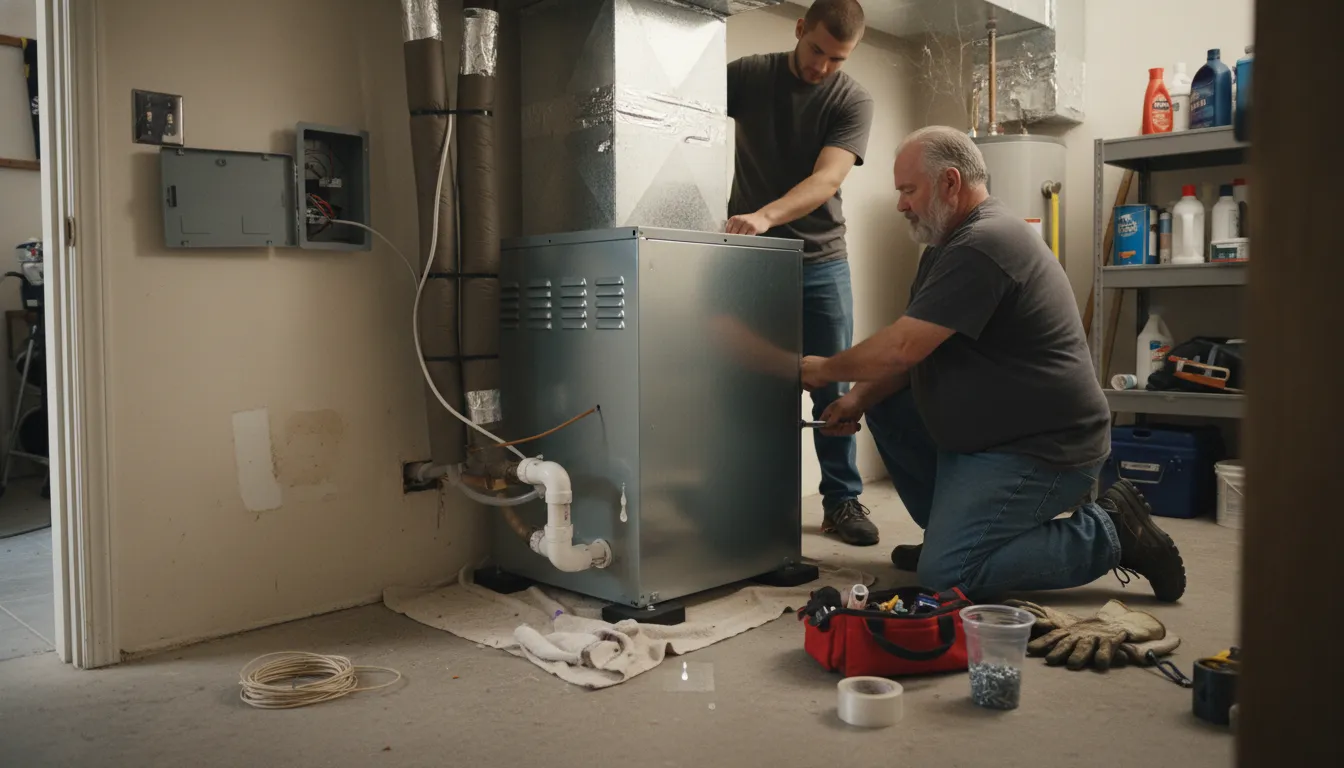
Installing a new heating and cooling system is a significant investment in your home's comfort, efficiency, and value. For East Orange residents, understanding the options, process, and local resources is key to a successful project. This guide provides a detailed overview of what to expect from a new HVAC system installation, helping you make informed decisions and connect with qualified local professionals for your home upgrade.
KOKA-TECH HVAC INC
60-21 Menahan St, Ridgewood, NY 11385
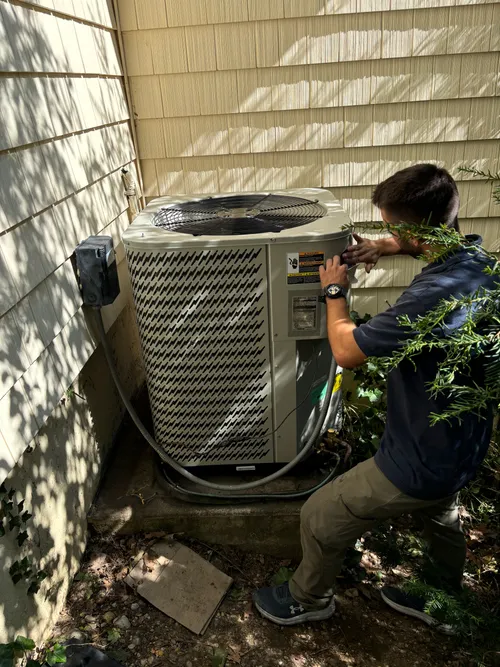
KOKA-TECH HVAC INC provides professional heating and cooling services in New York, NY, including installation, repair, and tune-ups for air conditioners, furnaces, heat pumps, boilers, and mini splits. They offer 24/7 emergency support and same-day availability, serving Queens, Brooklyn, Manhattan, Bronx, and Long Island. The company is licensed and insured, with a strong local presence and expertise in NYC buildings. With nearly 300 five-star reviews, KOKA-TECH HVAC INC is recognized for upfront quotes and customer approval before starting work.
SM Heating and Air Conditioning Inc.
94 Wanaque Ave #1, Pompton Lakes, NJ 07442
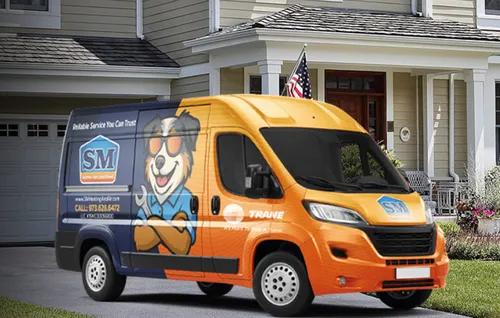
SM Heating and Air Conditioning Inc. offers heating and air conditioning services in New York, NY, and the surrounding New Jersey areas including Pequannock and Morris County. The company provides a range of HVAC services such as air conditioner and furnace repair, installation, maintenance, and indoor air quality solutions. With over 25 years of experience, they handle everything from preventive maintenance to full system replacements and offer same-day service to address urgent needs promptly.
Monster Mechanical
26 Patterson Dr, Oak Ridge, NJ 07438
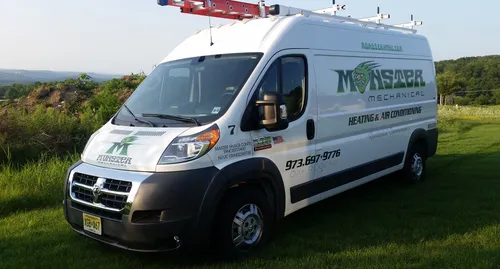
Monster Mechanical is an HVAC contractor based in New York, NY, specializing in air conditioning and furnace installation as well as HVAC tune-up services. The company is known for detailed planning and precise installation work, including duct modification and system sizing tailored to each home. They have a strong focus on neat workmanship, with clean piping, wiring, and ductwork that often requires no additional repairs or touch-ups after installation. Monster Mechanical has been serving customers for over 20 years, providing reliable heating and cooling solutions with a commitment to quality and customer care.
Air Cubes HVAC
2431 Dorchester Rd, Union, NJ 07083
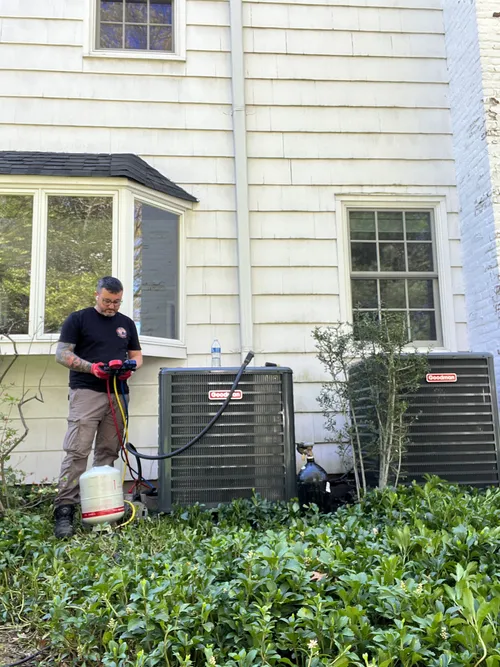
Air Cubes HVAC is a family-owned HVAC contractor serving Newark, NJ, and surrounding areas in Essex, Hudson, Middlesex, and Union counties. They provide heating and air conditioning services including installation, repair, and maintenance for furnaces, air conditioners, heat pumps, and duct systems. The company is fully licensed and insured, with a master HVACR contractor leading the team. Air Cubes HVAC offers duct cleaning and HVAC tune-up services to help maintain system efficiency and comfort year-round.
Aeromark Mechanical Inc
153 Morgan St, Jersey City, NJ 07302
Aeromark Mechanical Inc provides residential and commercial HVAC services in New York, NY, and the surrounding Northern New Jersey area. They specialize in heating and air conditioning repair, installation, and maintenance, including heat pumps, ductless HVAC systems, and indoor air quality solutions. With over 15 years of experience, Aeromark Mechanical offers seasonal maintenance plans and has expertise in installing advanced systems like VRF and high-velocity HVAC. Their certified technicians also handle smart thermostat installations and duct repair services.
Understanding Your HVAC System Options
Choosing the right type of system is the first step in your installation journey. The climate in East Orange demands reliable heating for winter and efficient cooling for summer, making a versatile system essential.
Central Split Systems are the most common choice for homes with existing ductwork. This setup pairs a furnace (typically powered by natural gas or oil) with a central air conditioner or heat pump. It's a proven solution for whole-home comfort.
Heat Pumps are an increasingly popular, all-electric option that provides both heating and cooling in one unit. Modern models are highly efficient even in colder temperatures, offering significant energy savings and reducing reliance on fossil fuels.
Ductless Mini-Split Systems are an excellent solution for homes without existing ducts, for room additions, or for creating zoned comfort control. These systems consist of an outdoor compressor unit connected to one or more indoor air handlers, allowing you to heat or cool specific areas independently.
The Step-by-Step Installation Process
A professional HVAC installation follows a meticulous process to ensure safety, efficiency, and long-term reliability. Here's what typically happens from start to finish.
Initial Assessment and System Design: A qualified contractor will visit your home to evaluate its size, layout, insulation, and existing ductwork. This critical step, known as a Manual J load calculation, ensures your new system is properly sized-not too large or too small-for optimal performance and efficiency. The contractor will also discuss your options and pull any required local permits.
Preparation and Removal: The installation team will prepare the work area, protecting your floors and furnishings. They will then safely disconnect and remove your old furnace, air conditioner, or heat pump, following proper disposal protocols for refrigerants and equipment.
Ductwork Evaluation and Modification: If you have existing ducts, the team will inspect them for leaks, damage, or inadequate sizing. Necessary repairs, sealing, or modifications will be made to ensure optimal airflow. For new ductwork installations, this phase involves careful planning and fabrication.
New Equipment Installation: This is the core phase. The new indoor unit (furnace or air handler) is set in place, often in a basement, utility closet, or attic. The outdoor unit (condenser for an AC or heat pump) is installed on a stable pad. All refrigerant lines, drainage pipes, and duct connections are meticulously secured.
Electrical and Control Integration: The system is connected to your home's electrical panel, and new wiring is run to the thermostat location. Today, many installations include a programmable or smart thermostat, which technicians will set up and explain how to use. 1
Final Testing and Startup: Before the job is complete, the contractor performs thorough system checks. This includes testing for proper refrigerant charge, verifying safe combustion (for furnaces), checking airflow at all vents, and ensuring the thermostat correctly controls the system. They will also review the system's operation with you. 2 3
Find the perfect hvac installers for your needs
Get personalized recommendations and expert advice
What to Know About Installation Timelines and Costs
Understanding the project scope helps in planning. Most installations are completed efficiently, but complexity can affect the schedule.
How long does a full HVAC installation take? For a straightforward replacement of both a furnace and air conditioner in a home with good existing ductwork, the work can often be completed in a single day (approximately 4-8 hours). 4 More complex jobs, such as those involving new ductwork, system zoning, or switching from a boiler to forced-air, may take 2 to 5 days. 4
What are the cost factors in East Orange? The price for a complete new heating and cooling system depends on several variables. For an average East Orange home (2,000-2,500 square feet), you can expect a total cost in the range of $12,000 to $18,000 or more for a quality central split system or heat pump installation. 5 6
Key factors influencing the final price include:
- Home Size and Layout: Larger homes require more powerful, and often more expensive, equipment.
- System Efficiency: Units with higher SEER (cooling) and AFUE (heating) ratings cost more upfront but offer lower utility bills.
- Equipment Brand and Features: Premium brands and models with advanced features command higher prices.
- Ductwork Needs: Installing new ductwork or significantly modifying existing ducts is labor-intensive and can add $3,000 to $8,000 or more to the project, pushing total costs toward $15,000 - $23,000+. 7 8
- Labor and Permits: Local labor rates and permit fees are baked into the final estimate.
Financial Assistance and Rebates in New Jersey
New Jersey offers programs to help offset the cost of energy-efficient upgrades. The NJ Clean Energy Program is a valuable resource for homeowners.
One notable initiative is the Comfort Partners Program, which provides no-cost energy upgrades, including high-efficiency heating and cooling system replacements, to income-eligible residents. 9 It's always wise to ask your contractor about current utility rebates or state and federal tax credits for installing high-efficiency equipment, as these can provide substantial savings.
Choosing a Qualified Installation Professional
Your system's performance and longevity depend heavily on the quality of the installation. Look for a licensed, insured contractor with strong local references and experience with your chosen system type. They should perform a detailed home evaluation, provide a written, itemized estimate, and clearly explain the proposed work, timeline, and warranty coverage. A trustworthy professional will prioritize proper sizing and installation techniques over simply selling the most expensive unit.
Frequently asked questions
Sources
Footnotes
-
Comprehensive HVAC Installation Process For New Jersey ... - https://delcoairhvac.com/comprehensive-hvac-installation-process-for-new-jersey-homes/ ↩
-
Step-by-Step HVAC Installation Guide - Carrier - https://www.carrier.com/residential/en/us/products/air-conditioners/hvac-installation/ ↩
-
What to Expect During an HVAC Installation | Five Star Home Services - https://www.myfivestarhomeservices.com/what-to-expect-during-an-hvac-installation/ ↩
-
How Long Does It Take To Replace Your HVAC System? - https://downeyplumbing.com/blog/how-long-does-it-take-to-replace-your-hvac-system/ ↩ ↩2
-
New HVAC System Cost Calculator: Get a Custom Estimate in 2026 - https://modernize.com/hvac/cost-calculator ↩
-
What Is The Average Cost For A New HVAC System? 2025 Shocking Facts - https://comforttemp.com/what-is-the-average-cost-for-a-new-hvac-system/ ↩
-
New Jersey HVAC Replacement & Installation Costs - https://thefurnaceoutlet.com/blogs/news/new-jersey-hvac-replacement-installation-costs-what-you-need-to-know ↩
-
NJ Homeowners' Guide to HVAC Costs: Furnace Replacement & AC ... - https://thefurnaceoutlet.com/blogs/news/nj-homeowners-guide-to-hvac-costs-furnace-replacement-ac-installation-in-the-garden-state ↩
-
Comfort Partners | NJ OCE Web Site - New Jersey's Clean Energy Program - https://www.njcleanenergy.com/residential/comfort-partners ↩