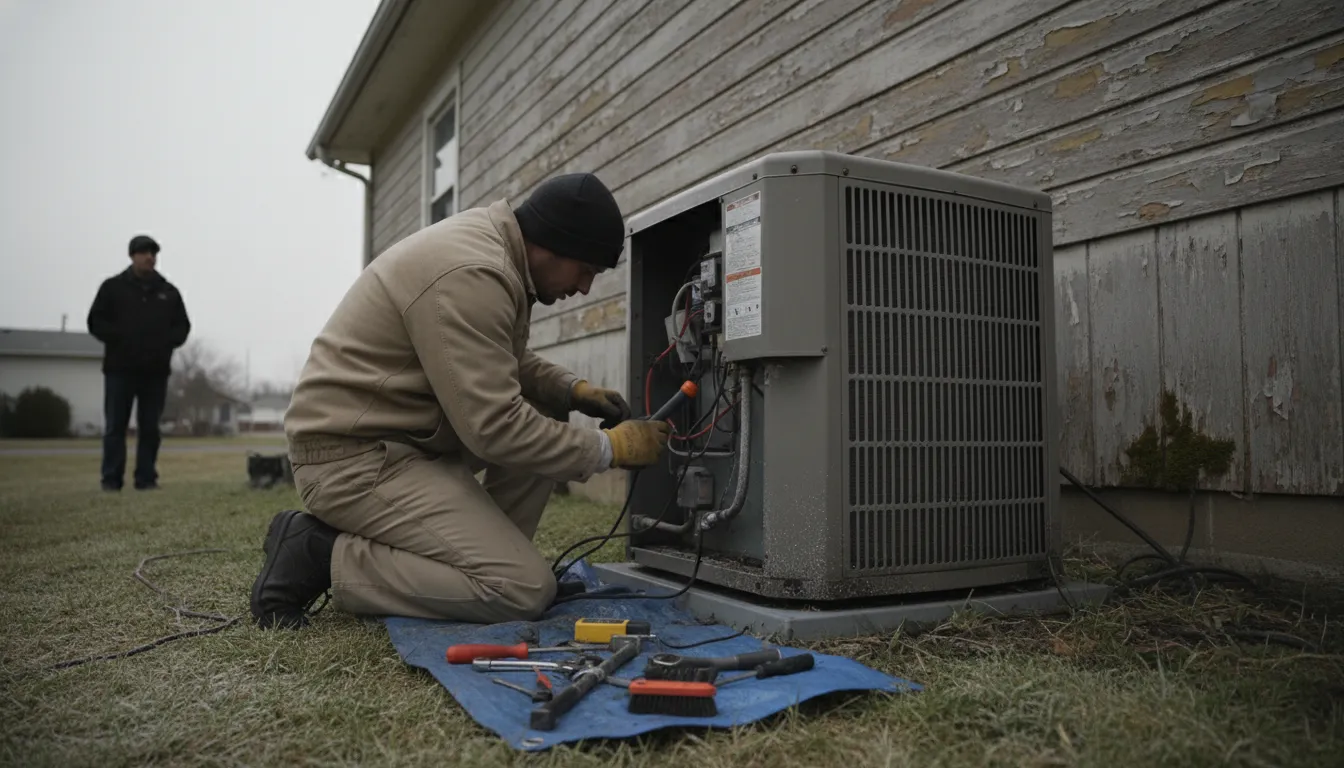
Find the Best Heat Pump Repair Contractors for Your Business
No obligation • Fast responses • Nationwide coverage

Why you can trust HVAC Firms
HVAC Firms is a leading United States resource for evaluating HVAC service providers. Our team researches companies, checks credentials, and reviews customer feedback to present clear, unbiased information. Listings and rankings are based on merit, and companies cannot pay to change our editorial content.
Search providers near you
Top Heat Pump Repair Contractors in Tucson, Arizona Ranked
Living in Tucson means enjoying abundant sunshine, but our unique desert climate also presents specific challenges for home comfort systems. Heat pumps, which provide both efficient heating and cooling, are particularly susceptible to the harsh conditions here, from relentless dust and sand to extreme temperature swings. When your system starts struggling, understanding the repair process and knowing what to expect from local service can help you restore comfort quickly and efficiently. This guide outlines the common issues Tucson homeowners face, details the typical service journey, and provides insights to help you connect with qualified professionals in the area.
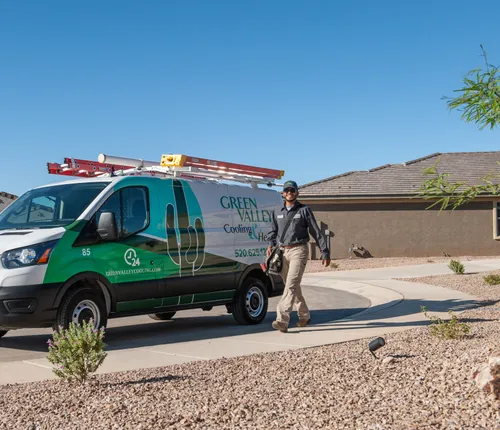
Green Valley Cooling & Heating
645 W Ward Ln, Green Valley, AZ 85614
Green Valley Cooling & Heating is an HVAC company serving Tucson, AZ, and surrounding communities including Green Valley, Sahuarita, and Vail. They provide a wide range of services including air conditioning and heating installation, repair, and maintenance, as well as duct cleaning and indoor air quality solutions. The company is a Certified Daikin Comfort Pro Dealer and offers expertise in energy-efficient upgrades and whole-home comfort systems. Established in 1968, Green Valley Cooling & Heating has over fifty years of experience in the industry. Their licensed and insured technicians are available 24/7 for emergency repair services.

Temperature Control, Inc. A/C-Heating & Plumbing - Oro Valley, AZ
7445 N Oracle Rd Suite 101, Tucson, AZ 85704
Temperature Control, Inc. A/C-Heating & Plumbing - Oro Valley, AZ is a full-service home comfort provider serving Tucson, AZ. Established in 1982, the company offers a wide range of HVAC services including air conditioning, furnace, heat pump, and mini split installation and repair, as well as HVAC tune-ups. Their licensed technicians provide reliable plumbing and electrical solutions alongside HVAC services. Temperature Control is known for its comprehensive maintenance plans and 24/7 support to ensure home comfort year-round.
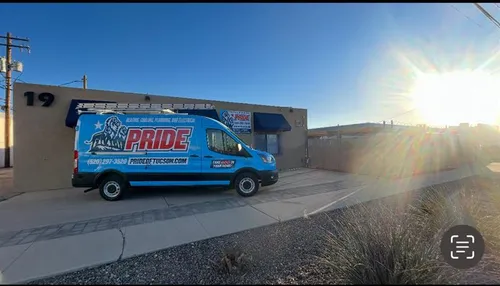
Pride Heating, Cooling, Plumbing and Electrical
19 W Ventura St, Tucson, AZ 85705
Pride Heating, Cooling, Plumbing and Electrical is a full-service home service company based in Tucson, AZ. Since 2010, they have provided HVAC installation, repair, and tune-up services along with plumbing and electrical work across Southern Arizona. Their team handles air conditioning, furnace, and heat pump systems, offering comprehensive solutions to maintain and improve home comfort. The company serves Tucson and surrounding communities including Catalina, Oro Valley, and Sierra Vista, among others.
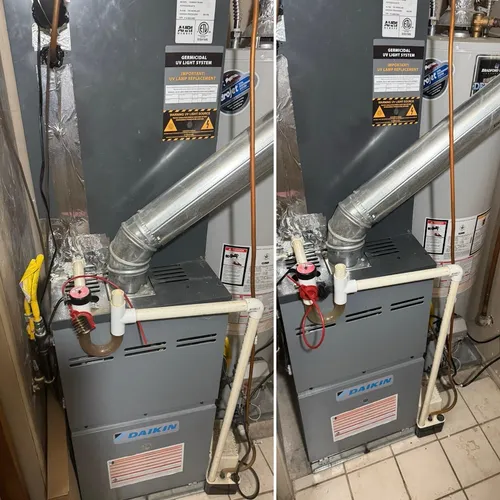
Intelligent Design Air Conditioning, Plumbing, Solar, & Electric
5315 E Broadway Blvd #206a, Tucson, AZ 85711
Intelligent Design Air Conditioning, Plumbing, Solar, & Electric is a family and veteran-owned company serving Tucson, AZ, with over 46 years of combined experience. They provide a wide range of home services including HVAC installation and repair, plumbing, solar, electrical, and roofing. Known for their comprehensive trade capabilities, they handle everything from routine maintenance to emergency repairs with licensed and insured technicians. Their expertise includes managing complex multi-zone HVAC systems for luxury homes. The company offers 24/7 emergency service with fast response times throughout Tucson.
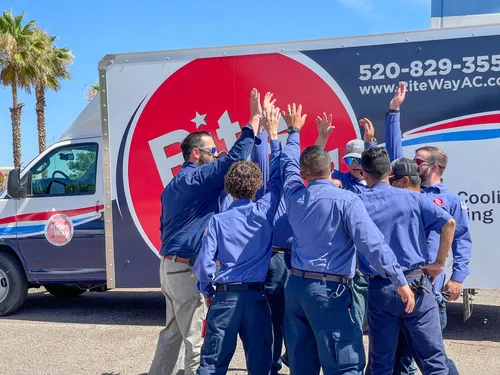
Rite Way Heating, Cooling & Plumbing
4551 S Alvernon Way, Tucson, AZ 85714
Rite Way Heating, Cooling & Plumbing is a full-service HVAC, plumbing, and electrical company based in Tucson, AZ. They provide a wide range of services including installation, repair, and maintenance of air conditioning, heating, and heat pump systems. Their technicians are trained to install energy-efficient systems and perform thorough evaluations to optimize existing equipment. In addition to HVAC services, they offer plumbing repairs and electrical installations and upgrades, addressing both minor issues and emergencies.
Why Tucson's Climate is Tough on Heat Pumps
The Sonoran Desert environment is beautiful but demanding on mechanical equipment. Heat pumps work by constantly exchanging heat with the outdoor air through a network of coils and a fan. Tucson's pervasive fine dust and sand are the primary adversaries. This grit can quickly coat the delicate fins of the outdoor coil, acting like an insulating blanket that drastically reduces the system's ability to transfer heat. This forces the unit to work longer and harder, leading to increased wear on components like the compressor, fan motor, and electrical contacts. Furthermore, the significant temperature differential between scorching summer days and cooler nights, as well as the shift between seasons, can cause repeated expansion and contraction of materials, potentially leading to refrigerant line vibrations, electrical connection fatigue, and other stress-related failures.
Common Heat Pump Problems in Tucson Homes
Recognizing the signs of trouble early can prevent a minor issue from becoming a major, costly repair. Here are the most frequent heat pump malfunctions reported by Tucson technicians.
Sand and Dust Buildup
This is the hallmark issue for HVAC systems in our region. The outdoor unit acts as a magnet for airborne particulates. Clogged coils are the most direct result, but the abrasive nature of the dust also accelerates wear on the fan motor bearings and can clog air filters much faster than in other climates. You might notice reduced airflow from your vents or hear the system straining.
Reduced Airflow and Inconsistent Temperatures
Weak airflow often stems from those blocked filters or coated coils, but can also indicate problems within the ductwork or a failing blower motor indoors. When the system can't move enough air, it fails to heat or cool your home evenly. You may find some rooms are comfortable while others are not, or that the system never seems to satisfy the thermostat setting.
Short Cycling
Short cycling refers to the system turning on and off in rapid succession, often in cycles shorter than ten minutes. This is incredibly inefficient and hard on the compressor. In Tucson, short cycling can be triggered by an overheated system (due to dirty coils), a faulty thermostat, or a refrigerant issue. It's a clear sign your heat pump needs professional attention.
Refrigerant Issues
Your heat pump doesn't "use up" refrigerant; it circulates a sealed charge. If the cooling or heating performance has dropped significantly, a leak is a likely culprit. The desert environment can contribute to this, as sandblasting can slowly erode coil fins, and thermal stress can weaken solder joints. Low refrigerant levels make the system labor inefficiently and can cause the indoor coil to freeze.
Electrical and Component Failures
The constant operation under high stress makes certain components prone to failure. The capacitor, which helps start the compressor and fan motors, is a common casualty. Contactor relays can weld shut or burn out, and the blower or condenser fan motors themselves can fail after years of fighting against dust-clogged conditions 1.
What to Expect During a Professional Service Visit
Knowing the standard process for heat pump troubleshooting and repair can make the experience less stressful. Most reputable local services follow a structured approach.
Initial Call and Scheduling: You'll describe the symptoms (e.g., "no cold air," "strange noises," "system won't turn on"). Many companies in Tucson offer tiered scheduling, from emergency service for no heat/cool in extreme weather to next-day or standard appointments for less urgent issues.
Technician Diagnosis: Upon arrival, the technician will typically start by discussing the problem with you before inspecting the system. The process involves checking the thermostat settings and operation, examining air filters, inspecting the indoor and outdoor coils for dirt and damage, listening for unusual noises, and testing electrical components with a multimeter. They will also check refrigerant pressures and temperatures to assess system charge.
Transparent Quoting: After identifying the root cause, the technician should provide a clear, detailed quote. This will break down the diagnostic fee (if applicable), the cost of required parts, and the labor to complete the repair. A trustworthy professional will explain why the repair is needed and answer any questions you have before work begins.
Find the perfect heat pump repair contractors for your needs
Get personalized recommendations and expert advice
The Repair Process: For common fixes, the technician will often have the necessary parts on their truck. The work may involve cleaning coils with specialized solutions and rinsing away abrasive grit, replacing a failed capacitor or contactor, sealing a refrigerant leak (after locating it with a detector), or swapping out a motor. For more complex repairs requiring ordered parts, they may secure the system and schedule a follow-up visit.
System Testing and Customer Guidance: After the repair, the technician will restart the system and monitor its operation to ensure it is functioning correctly across different modes. They will verify temperatures at the vents and check for proper cycling. A good technician will also offer preventative maintenance tips, such as demonstrating how to rinse off the outdoor coil or reminding you of filter change intervals, which are crucial in Tucson.
Understanding Repair Timelines and Costs
Repair duration and cost depend entirely on the nature of the problem and part availability.
Typical Timelines:
- Simple Repairs: Tasks like replacing a dirty air filter, a blown fuse, or a faulty capacitor are often completed in 1 to 2 hours, potentially during the initial service visit 2.
- Complex Repairs: Addressing a refrigerant leak, replacing a compressor or a blower motor, or cleaning severely impacted coils can take 2 to 4 hours or more of labor.
- Parts-Dependent Repairs: If a specialty component like a compressor or a specific motor model needs to be ordered, the repair may be scheduled over multiple days.
Cost Considerations in Tucson: Costs can vary based on the company, the heat pump's brand and age, and the complexity of the job. The diagnostic fee, which covers the technician's time to identify the problem, typically ranges from $100 to $200+, and is frequently waived if you proceed with the recommended repair.
- Filter Replacement: $20 - $50 (part and labor; DIY is less).
- Capacitor Replacement: $150 - $300.
- Coil Cleaning: $150 - $400+, as cleaning heavily soiled desert coils is a labor-intensive process.
- Blower Motor Repair/Replacement: $400 - $1,000+ 3.
- Refrigerant Leak Repair & Recharge: $300 - $1,000+, depending on leak location and the amount of refrigerant needed4 5.
Maintaining Your Heat Pump in the Desert
Proactive maintenance is the best defense against unexpected breakdowns and costly repairs in Tucson.
- Monthly Filter Checks: Inspect and replace disposable filters or clean permanent ones monthly during peak cooling and heating seasons. This is the single most important task for airflow and system health.
- Quarterly Coil Rinsing: Gently rinse the outdoor coil with a garden hose (with the power off) to wash away accumulated dust and sand. Do this more frequently after dust storms.
- Keep the Area Clear: Maintain at least 2-3 feet of clear space around the outdoor unit. Trim back any vegetation to ensure proper airflow.
- Schedule Professional Tune-ups: Have a qualified technician perform a pre-season check-up in spring (before cooling season) and fall (before heating season). This service typically includes a thorough cleaning, electrical safety checks, refrigerant level verification, and performance testing to catch small issues early 6.
Frequently asked questions
Sources
Footnotes
-
Heat Pump Repair Services | HVAC Solutions | Tucson, AZ - https://temp-con.com/residential/heat-pump-repair/ ↩
-
Heat Pump & HVAC Maintenance Auckland | AC Repair Services - EPS - https://epservices.co.nz/electrical-services/heat-pump-repairs/ ↩
-
Operating and Maintaining Your Heat Pump | Department of Energy - https://www.energy.gov/energysaver/operating-and-maintaining-your-heat-pump ↩
-
Common Heat Pump Repair Issues In Tucson's Desert Climate | AZ - https://www.hamstrahvac.com/3-common-heat-pump-repair-issues-in-tucsons-desert-climate/ ↩
-
Expert Heat Pump Services in Tucson AZ - https://www.idesignac.com/services/heat-pumps-tucson ↩
-
What to Expect From a Heat Pump Service - Ideal Heating - https://idealheating.com/tips-and-advice/heat-pump-service-guide-what-to-expect ↩