Find the Best Heat Pump Installation & Replacement Contractors for Your Business
No obligation • Fast responses • Nationwide coverage

Why you can trust HVAC Firms
HVAC Firms is a leading United States resource for evaluating HVAC service providers. Our team researches companies, checks credentials, and reviews customer feedback to present clear, unbiased information. Listings and rankings are based on merit, and companies cannot pay to change our editorial content.
Search providers near you
Top Heat Pump Installation & Replacement Contractors in Broken Arrow, Oklahoma Ranked
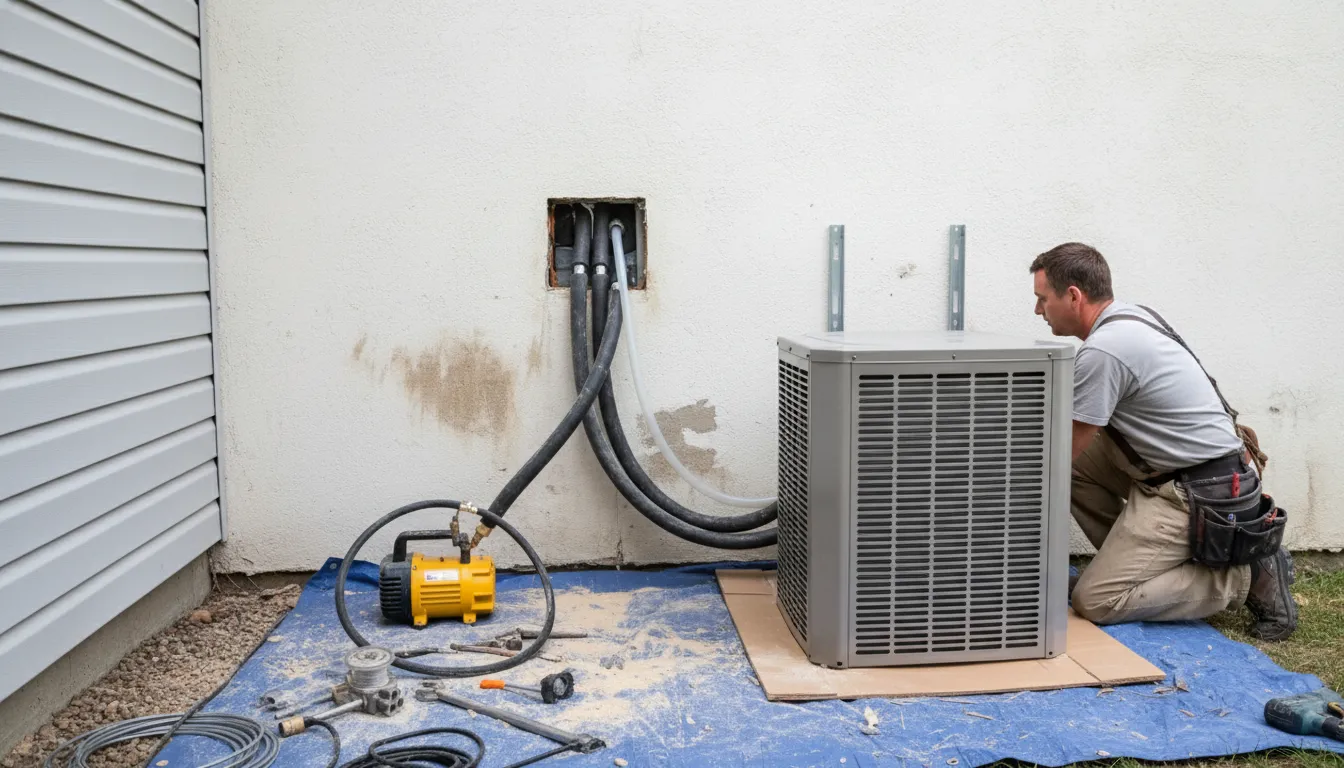
Considering a heat pump for your Broken Arrow home is a smart move toward year-round comfort and energy efficiency. These versatile systems provide both heating and cooling by transferring heat, rather than generating it, making them a highly efficient alternative to traditional furnaces and air conditioners. For Oklahoma's variable climate, selecting the right type and efficiency is key to managing both summer cooling bills and winter heating needs. This guide will help you understand your options, from air-source and hybrid systems to ductless mini-splits, and what to expect when investing in a new heat pump installation or replacement.
TemperaturePro
10404 E 55th Pl Suite Y, Tulsa, OK 74146
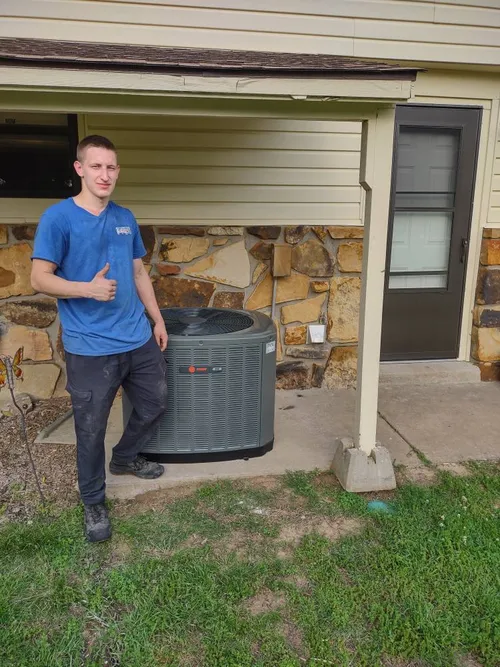
TemperaturePro is a locally owned and family-operated HVAC company serving Tulsa, OK. They provide comprehensive heating and cooling services including installation, repair, and maintenance for systems such as air conditioners, furnaces, heat pumps, boilers, and ductless mini splits. Their technicians also specialize in indoor air quality solutions, including air scrubbers and filtration systems. TemperaturePro offers 24/7 emergency service and supports a wide range of brands including Trane, Goodman, and Daikin. They emphasize transparent pricing and honest service to help customers maintain comfortable and efficient HVAC systems year-round.
American Home Pros
912 W Main St, Collinsville, OK 74021
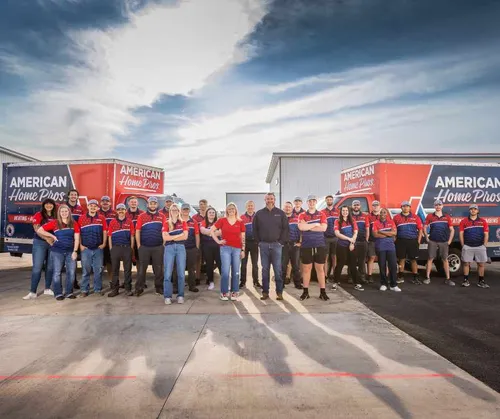
American Home Pros is a veteran-owned HVAC and plumbing company based in Tulsa, OK. They provide a range of services including air conditioning, furnace, and heat pump repair and installation, as well as indoor air quality solutions such as duct cleaning, filtration, and humidity control. The company is known for its skilled technicians and offers maintenance memberships that include indoor air quality tests and drain treatments. They also specialize in heat pump systems suited for cold weather and provide plumbing services like water heater replacement and pipe installations.
Baker's Mechanical Services
2608 W Kenosha St Ste.242, Broken Arrow, OK 74012
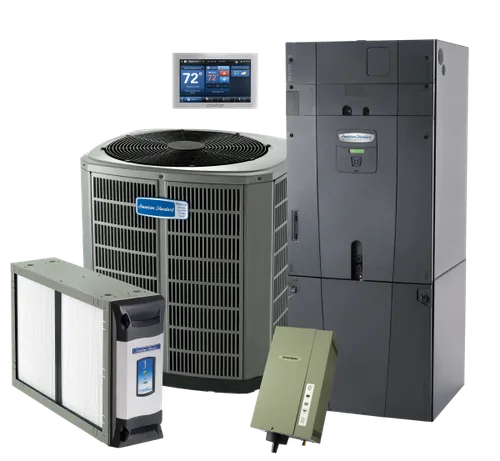
Baker's Mechanical Services is a residential HVAC company based in Tulsa, OK, providing installation, maintenance, and repair for heating and cooling systems. They offer services including air quality solutions such as humidifiers, air cleaners, and air purification systems. Serving Tulsa and surrounding areas, the company has been operating since 2009 and focuses on optimizing HVAC efficiency and lifespan through semi-annual maintenance programs.
ASAP Heating & Air
Tulsa, OK
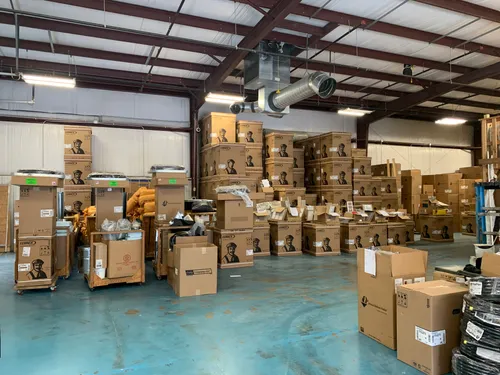
ASAP Heating & Air is an HVAC company based in Tulsa, OK, offering a range of heating and cooling services for both residential and commercial customers. Their services include repair, installation, and maintenance of air conditioners, furnaces, heat pumps, and indoor air quality systems. They are a certified Lennox dealer and provide after-hours and emergency service, available 24/7. The company also offers plumbing services and financing options for new system installations.
Airosmith Inc.
Tulsa, OK
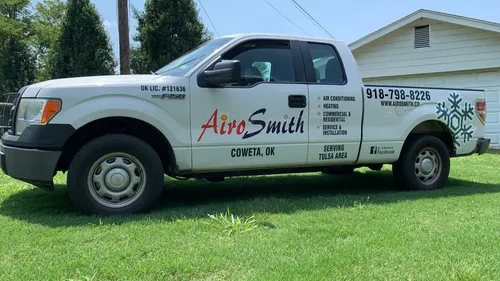
Airosmith Inc. offers commercial HVAC services in Tulsa, OK, specializing in installation, repair, and maintenance of air conditioning, heating, heat pumps, and boilers. They focus on optimizing business operations by providing HVAC solutions tailored to commercial needs, including new construction projects. Their team handles complex commercial systems to ensure efficient performance and energy management.
Understanding Your Heat Pump Options
When exploring heat pump systems, you'll encounter several primary types, each with distinct advantages for different homes and budgets in Broken Arrow.
Air-Source Heat Pumps (ASHPs) are the most common choice. They work by extracting heat from the outside air to warm your home in winter and reversing the process to cool it in summer. These come in two main configurations:
- Ducted Systems: These utilize your home's existing ductwork to distribute conditioned air. They are an excellent choice if your ducts are in good condition and you want a whole-home solution.
- Ductless Mini-Split Systems: These consist of an outdoor unit connected to one or more indoor wall-mounted units. They are ideal for homes without ducts, for room additions, or for creating "zones" with independent temperature control, which can significantly reduce energy waste.
Hybrid or Dual-Fuel Systems pair an air-source heat pump with a gas furnace. This configuration is particularly well-suited for Oklahoma's climate. The heat pump handles moderate heating and all cooling needs efficiently, while the gas furnace automatically takes over during the deep freezes we occasionally experience, ensuring reliable comfort and often optimizing operating costs.
Geothermal Heat Pumps (ground-source) are the most efficient type, exchanging heat with the ground. While they offer unparalleled efficiency and savings, their very high upfront installation cost makes them less common for standard replacements in Broken Arrow.
Why Efficiency Ratings Matter in Our Climate
Oklahoma's hot, humid summers and occasionally frigid winters make system efficiency a top priority. Understanding the key metrics will help you choose a unit that balances upfront cost with long-term savings.
- SEER2 (Seasonal Energy Efficiency Ratio): This measures cooling efficiency. The higher the SEER2, the less electricity the system uses to cool your home. As of 2025, the federal minimum standard is around 14.5 SEER2. For Broken Arrow's summers, a mid-range unit (16-18 SEER2) often provides the best value, while high-efficiency models (20+ SEER2) with variable-speed compressors offer superior comfort and the greatest long-term savings on electric bills.
- HSPF (Heating Seasonal Performance Factor): This rating measures heating efficiency. A higher HSPF means better performance during the heating season, which is crucial for the system's winter operation.
Choosing a system with a strong combination of SEER2 and HSPF ratings ensures you're equipped for both extremes of our local weather.
Key Considerations for Broken Arrow Homes
Several local factors should guide your heat pump selection and installation plan.
- Backup Heating is Essential: While modern heat pumps are effective in cold weather, our winter temperatures can dip low enough to challenge their efficiency. Most installations in Broken Arrow include a backup heat source. This is typically either electric resistance strips (part of the air handler) or, in a hybrid system, a gas furnace. This backup ensures your home stays warm during the coldest nights.
- The Power of Zoning: If certain areas of your home are consistently too hot or too cold, consider a zoning solution. Ductless mini-split systems are inherently zoned, but you can also add zoning controls to a ducted system. This allows you to condition only the rooms you're using, preventing wasted energy 1.
- Existing Infrastructure: The condition of your ductwork and electrical service are critical. Leaky or poorly insulated ducts can undermine the efficiency of a new, high-SEER2 system. An installation professional should inspect your ducts and recommend sealing or repairs if needed. Similarly, some high-capacity systems may require an electrical panel upgrade 2.
What to Expect: Heat Pump Costs in Broken Arrow
The total installed cost for a heat pump can vary widely based on system type, size, efficiency, and the specifics of your home. Here's a breakdown of what homeowners in our area can expect.
For a standard, ducted air-source heat pump replacement, total costs typically range from $6,000 to $15,000 or more. This includes the unit, labor, permits, and basic electrical work. The final price depends on:
- System Size (Tons): Proper sizing is critical for efficiency and longevity.
- Efficiency Rating: Higher SEER2/HSPF units have a higher equipment cost.
- Ductwork Modifications: Repairs, sealing, or new duct runs add to the project.
- Labor & Complexity: Accessibility and local contractor rates influence the bottom line.
Ductless mini-split systems are typically priced per zone. Installing a single-zone system often costs between $3,500 and $7,500, with multi-zone systems increasing from there 3 4.
High-efficiency systems, hybrid configurations, or installations requiring significant electrical or ductwork upgrades can push total project costs toward $20,000 or more 5 6.
Find the perfect heat pump installation & replacement contractors for your needs
Get personalized recommendations and expert advice
The Installation Process: From Quote to Comfort
A professional installation is just as important as the equipment you choose. Understanding the steps involved can help you manage the project smoothly.
- Initial Consultation and Load Calculation: A reputable contractor will perform a Manual J load calculation. This is not a guess based on your old system's size; it's a detailed analysis of your home's square footage, insulation, windows, and orientation to determine the precise heating and cooling capacity (in tons) you need.
- System Selection and Proposal: Based on the load calculation, your budget, and efficiency goals, the contractor will recommend specific systems. A good proposal will include detailed equipment specifications, a scope of work, a firm total price (not an estimate), and information on warranties and rebates.
- Preparation and Installation Day: The crew will protect your home, carefully remove the old equipment, and install the new outdoor unit and indoor air handler or furnace. They will handle all electrical and refrigerant line connections, install a new thermostat, and ensure the system is properly leveled and secured.
- Commissioning and Final Walkthrough: This is the most critical step. The technician will start the system, check refrigerant charge with precision instruments, test all modes of operation (heating, cooling, backup heat), verify airflow, and ensure the thermostat is programmed correctly. They should explain basic operation and maintenance to you before they leave.
Maximizing Your Investment: Rebates and Maintenance
To offset the initial cost, be sure to ask your contractor about available rebates and tax credits. Federal incentives are often available for high-efficiency systems, and local utility companies may offer additional rebates 7.
Once installed, protect your investment with regular maintenance. An annual professional tune-up, ideally in the spring or fall, should include cleaning coils, checking refrigerant levels, inspecting electrical components, and testing system performance. Homeowners should also regularly clean or replace air filters (every 1-3 months) and keep the area around the outdoor unit clear of leaves and debris. Proper maintenance is the best way to ensure your heat pump delivers its promised efficiency and lifespan.
Frequently asked questions
Sources
Footnotes
-
Heat Pumps - Polar Bear Jack's Home Services, LLC. - https://polarbearjacks.com/services/heat-pumps/ ↩
-
Heat Pump Cost Analysis: What To Expect & How It's Determined - https://clinesairconditioning.com/heat-pump-cost/ ↩
-
How Much Does a Heat Pump Cost? 2025 Expert Guide - https://www.solarreviews.com/blog/heat-pump-costs ↩
-
Heat Pump Price Guides - https://heatpumppriceguides.com/ ↩
-
How Much Does Installing a Heat Pump Cost in 2025? Actual ... - https://thefurnaceoutlet.com/blogs/hvac-tips/how-much-does-installing-a-heat-pump-cost-in-2025-actual-estimates-advice ↩
-
2026 Heat Pump Cost Guide: Purchase, Installation & Repair - Carrier - https://www.carrier.com/residential/en/us/products/heat-pumps/how-much-does-a-heat-pump-cost/ ↩
-
What to Consider about Heat Pump Installation in Oklahoma - https://www.pippinbrothers.com/blog/selecting-energy-efficient-heat-pump ↩