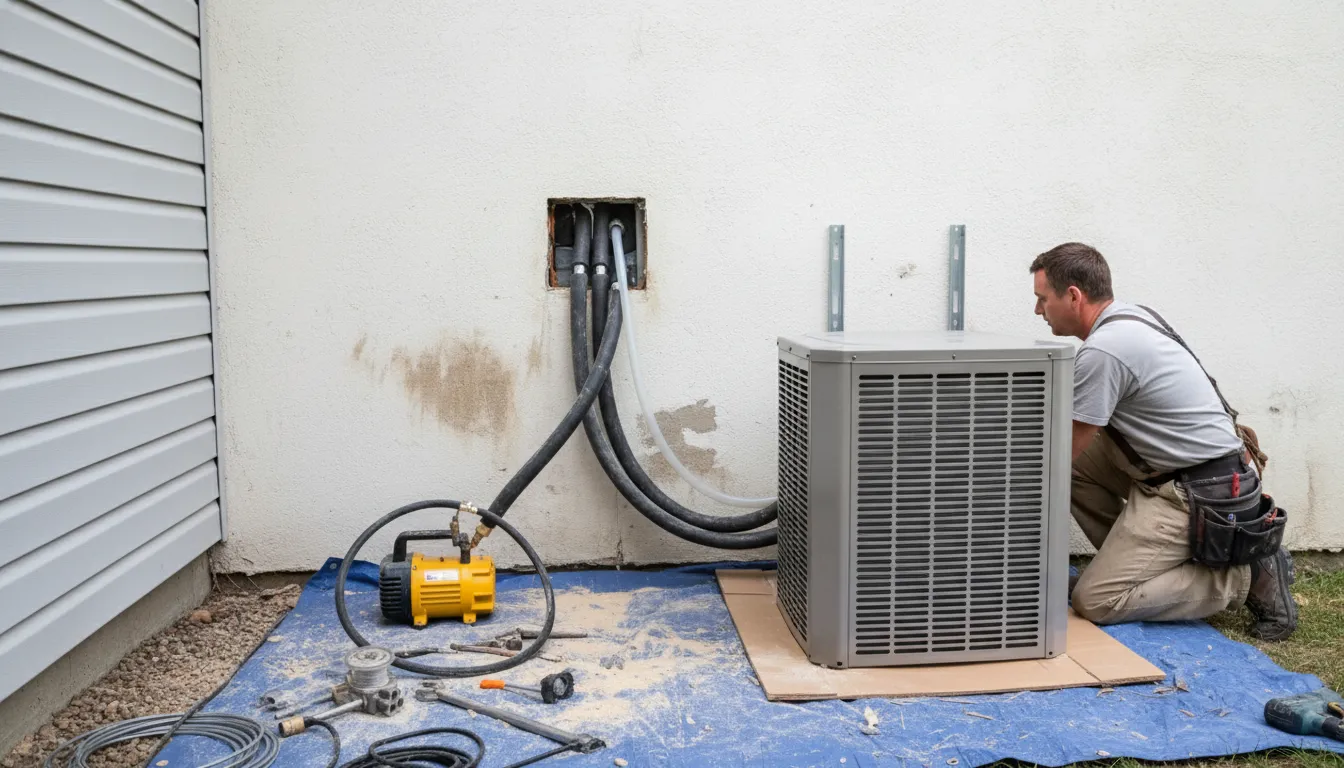
Find the Best Heat Pump Installation & Replacement Contractors for Your Business
No obligation • Fast responses • Nationwide coverage

Why you can trust HVAC Firms
HVAC Firms is a leading United States resource for evaluating HVAC service providers. Our team researches companies, checks credentials, and reviews customer feedback to present clear, unbiased information. Listings and rankings are based on merit, and companies cannot pay to change our editorial content.
Search providers near you
Top Heat Pump Installation & Replacement Contractors in Lexington, Kentucky Ranked
Upgrading your home's heating and cooling system with a heat pump is a smart move for Lexington homeowners seeking year-round comfort, lower energy bills, and a reduced carbon footprint. A heat pump is a versatile, all-in-one system that provides efficient heating in the winter and cooling in the summer by transferring heat rather than generating it. This guide is designed to help you understand your options, from system types and efficiency ratings to local cost factors, so you can make an informed decision and connect with qualified professionals for your project.

Feistritzer Heating & Air Conditioning
105 Man O War Dr, Danville, KY 40422
Feistritzer Heating & Air Conditioning serves Lexington, KY, and surrounding areas including Danville, Harrodsburg, and Stanford. They provide a range of HVAC services such as air conditioning and furnace repair, heat pump and geothermal system installation, indoor air quality solutions, and thermostat and gas line installation. The company is staffed by NATE-certified technicians who handle residential and light commercial projects. They emphasize thorough assessments and offer financing options. Their capabilities include geothermal heating and cooling systems, which use underground temperatures for efficient climate control.
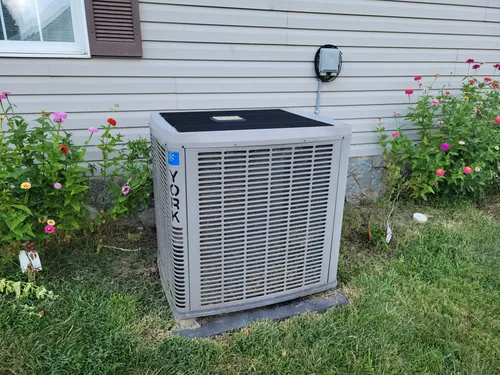
GraceLand Air
314 Stanford St, Lancaster, KY 40444
GraceLand Air is a local HVAC company serving Lexington, KY, and nearby areas including Lancaster. They provide a full range of heating and cooling services such as air conditioning and furnace repair, heat pump and boiler installation, ductless mini-split systems, and indoor air quality solutions. With over ten years of experience, GraceLand Air offers tailored solutions based on thorough diagnostics to ensure effective and long-term results. The company is a YORK® Certified Comfort Expert™ and serves all brands.
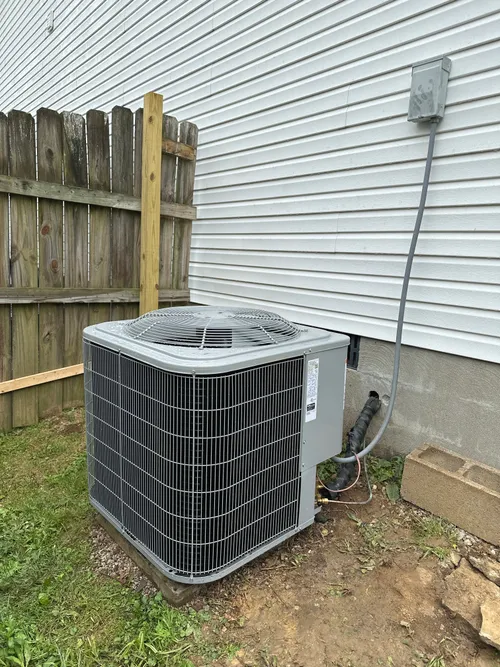
J Elliott Heating and Air
1101 N College St, Harrodsburg, KY 40330
J Elliott Heating and Air is an HVAC company serving Lexington, KY, and the surrounding Mercer County area. Founded in late 2015 by Jonathan Elliott, the company offers a range of heating and cooling services including installation, repair, and maintenance of air conditioners, furnaces, heat pumps, and thermostats. They focus on providing quality products and staying current with industry standards to ensure safety and efficiency. Jonathan Elliott brings nearly 10 years of experience in the heating and air trade, complemented by skills gained as a general contractor. The company is licensed through the Kentucky Public Protection Cabinet and fully insured.

Quantum Comfort Heating and Cooling
1025 Dove Run Rd #201, Lexington, KY 40502
Quantum Comfort Heating and Cooling is an HVAC company based in Lexington, KY, offering repair, installation, and tune-up services for air conditioners, furnaces, and heat pumps. They provide 24/7 local service with licensed and insured technicians, ensuring support whenever it is needed. The company is known for its comprehensive HVAC capabilities and maintains a strong presence in the Lexington area.
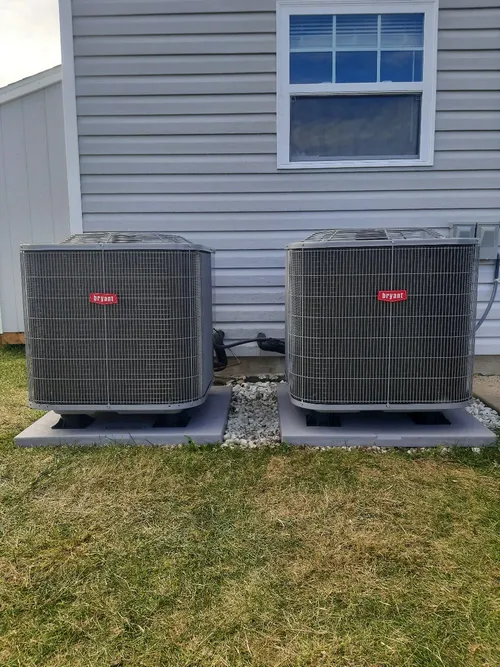
Madison HVAC/R, LLC
126 Charlie Norris Rd, Richmond, KY 40475
Madison HVAC/R, LLC provides comprehensive heating, cooling, and indoor air quality services in Lexington, KY. They serve both residential and commercial customers with a range of HVAC solutions including air conditioner and furnace installation, repair, and maintenance. The company is equipped to handle emergency repairs with 24/7 availability, ensuring heating and cooling needs are met promptly. Madison HVAC/R, LLC also offers commercial refrigeration services and emphasizes quality workmanship throughout the life cycle of HVAC systems.
Understanding Your Heat Pump Options
Choosing the right type of heat pump is the first critical step. The best system for your home depends on its existing infrastructure, your budget, and Lexington's specific climate.
Air-Source Heat Pumps (ASHPs) are the most common type installed in residential properties. They work by transferring heat between your home and the outside air. Modern models are highly efficient even in cooler temperatures, making them a strong candidate for Kentucky's generally moderate climate. They can be either ducted, using your home's existing air distribution system, or ductless.
Ductless Mini-Split Systems are a subtype of air-source heat pumps ideal for homes without existing ductwork, for room additions, or for creating customized comfort zones. They consist of an outdoor compressor unit connected to one or more quiet, wall-mounted indoor air handlers. This setup allows you to control temperatures in individual rooms, eliminating hot and cold spots and potentially saving energy.
For Lexington's occasionally unpredictable winters, a Dual-Fuel System is often recommended as the optimal solution. This hybrid system pairs an electric air-source heat pump with a gas furnace. The system intelligently switches between the two: using the efficient heat pump during milder weather and automatically engaging the gas furnace for faster, more powerful heating during extreme cold snaps. This approach maximizes efficiency and comfort while managing operating costs.
At the high end of efficiency and performance are Geothermal Heat Pumps (also called ground-source heat pumps) 1. These systems use the stable temperature of the earth a few feet below the surface to heat and cool your home. While they have a significantly higher upfront installation cost due to the required ground loop system, they offer the lowest operating costs and longest equipment lifespan, leading to substantial long-term savings.
Decoding Efficiency: SEER, HSPF, and Your Savings
A heat pump's efficiency directly impacts your monthly utility bills and comfort. Efficiency is measured by two key ratings: SEER (Seasonal Energy Efficiency Ratio) for cooling and HSPF (Heating Seasonal Performance Factor) for heating. Higher numbers mean greater efficiency.
- 14 SEER Models: These represent a solid baseline and come with a lower initial purchase price. They are a practical choice if you plan to own your home for only a few years (3-5).
- 17 SEER Models: This is the sweet spot for many homeowners, offering an excellent balance of upfront cost and return on investment. The improved efficiency provides meaningful annual savings, making it a wise choice for mid-term ownership (5-10 years).
- 20+ SEER Models: These represent the pinnacle of efficiency. While the initial investment is higher, they can save you $300 to $700 or more per year on energy costs. High-efficiency models like these often qualify for federal tax credits and utility rebates, offsetting some of the cost, and are the best financial decision for long-term homeowners (10+ years).
Key Factors Influencing Your Lexington Installation
Several local and home-specific factors will determine the final scope and cost of your heat pump project.
Home Size & Insulation: A professional will perform a Manual J load calculation to determine the correct system size (measured in tons) for your home's square footage, window quality, and insulation levels. An improperly sized unit will cycle inefficiently, leading to higher bills and uneven temperatures.
Existing Ductwork: If you are installing a ducted system, the condition and design of your existing ducts are crucial. Leaky, poorly insulated, or incorrectly sized ductwork can sabotage the efficiency of a new, high-end heat pump. Modifications or repairs can add to the project cost but are essential for optimal performance.
Installation Complexity: Labor costs can vary based on the job's difficulty. Factors like attic or crawl space access, the need for electrical upgrades, local permit fees, and the general labor rates in the Bluegrass region all contribute to the final price 2.
Unit Features & Stages: Heat pumps come in single-stage, two-stage, and variable-speed models. Variable-speed compressors offer the quietest operation and most precise temperature and humidity control, as they can adjust their output in small increments to match your home's exact needs, enhancing comfort and efficiency.
Find the perfect heat pump installation & replacement contractors for your needs
Get personalized recommendations and expert advice
What to Expect: Heat Pump Costs in Lexington
Investment in a new heat pump system is significant, but understanding the cost ranges helps in planning. For Lexington, overall heat pump replacement costs typically range from roughly $5,000 to $15,000, with the final price depending on the system type, efficiency, and installation factors previously discussed 3 4.
- Standard Air-Source Heat Pump: A basic to mid-range ducted system typically falls between $4,500 and $8,500.
- High-Efficiency/Complex Systems: For top-tier models (20+ SEER, variable-speed) or homes with challenging installs, costs can range from $8,000 to $12,000 or more.
- Ductless Mini-Split System: Installing a system with 1-3 indoor zones generally costs between $3,500 and $10,000.
- Complete HVAC Replacement: If your project includes replacing the accompanying air handler or furnace, along with the outdoor unit, a more typical total project cost is $7,000 to $12,000 5 6.
- Geothermal Systems: These have the widest cost range due to the ground loop work, often starting around $2,400 per ton but with total system costs being highly variable and generally higher than air-source options 7 8.
Financial Incentives and Long-Term Value
A major advantage of installing a high-efficiency heat pump today is access to financial incentives. The federal Residential Clean Energy Credit (25C) can provide a tax credit for a percentage of the cost of qualifying systems 9. Additionally, local utility companies, such as Kentucky Utilities, may offer rebates for upgrading to efficient equipment. Always ask potential providers about available rebates and tax credits, as they can substantially reduce your net investment.
While the upfront cost is a primary concern, the long-term value is found in operational savings. A properly sized and installed high-efficiency heat pump can cut your heating and cooling costs significantly compared to an older, less efficient system. The dual-fuel approach is particularly valuable in Kentucky, optimizing cost and comfort across our variable seasons 10. When evaluating quotes, consider the total cost of ownership over 10-15 years, not just the installation price.
Finding the Right Professional for the Job
The success of your heat pump project hinges on proper installation. Look for licensed, insured, and NATE-certified technicians with extensive experience installing the specific type of system you're considering. They should insist on performing a load calculation, thoroughly evaluate your ductwork, and provide a detailed, written estimate that breaks down equipment, labor, and any ancillary costs. Check reviews and ask for references to ensure they have a track record of quality work and customer service in the Lexington area.
Frequently asked questions
Sources
Footnotes
-
Ultimate Guide to Types of Heat Pumps: Efficiency, Savings - https://larrycookhvac.com/the-ultimate-guide-to-types-of-heat-pumps/ ↩
-
Heat Pump Installation in Lexington, KY - https://fastresponseservice.com/lexington/heat-pump-installation-2/ ↩
-
Cost of a Heat Pump Installation in 2025 - https://www.cabshvac.com/heat-pump-installation-cost/ ↩
-
2026 Heat Pump Cost Guide: Purchase, Installation & Repair - Carrier - https://www.carrier.com/residential/en/us/products/heat-pumps/how-much-does-a-heat-pump-cost/ ↩
-
Heat Pump Efficiency Lexington KY | Compare 14, 17, & 20 ... - https://lexelectricalandhvac.com/heat-pump-efficiency-lexington-ky/ ↩
-
HVAC Replacement Cost in Kentucky - ComfortMaster Heating & Air - https://comfortmasterheating.com/how-much-does-it-cost-to-replace-an-hvac-system-in-kentucky/ ↩
-
Heat Pump Installation & Repair Service in Lexington, KY - https://callthecomfortman.com/geothermal ↩
-
Heat Pump Cost & Replacement Cost Guide - Rahn Industries - https://rahnindustries.com/2023/08/08/heat-pump-replacement-cost-guide/ ↩
-
How Much Do Heat Pumps Cost? (2024 Price Estimate Guide) - https://jarboes.com/knowledge-center/how-much-do-heat-pumps-cost/ ↩
-
Dual Fuel HVAC Lexington KY | Best Heat For Kentucky Weather - https://lexelectricalandhvac.com/dual-fuel-hvac-lexington-ky/ ↩