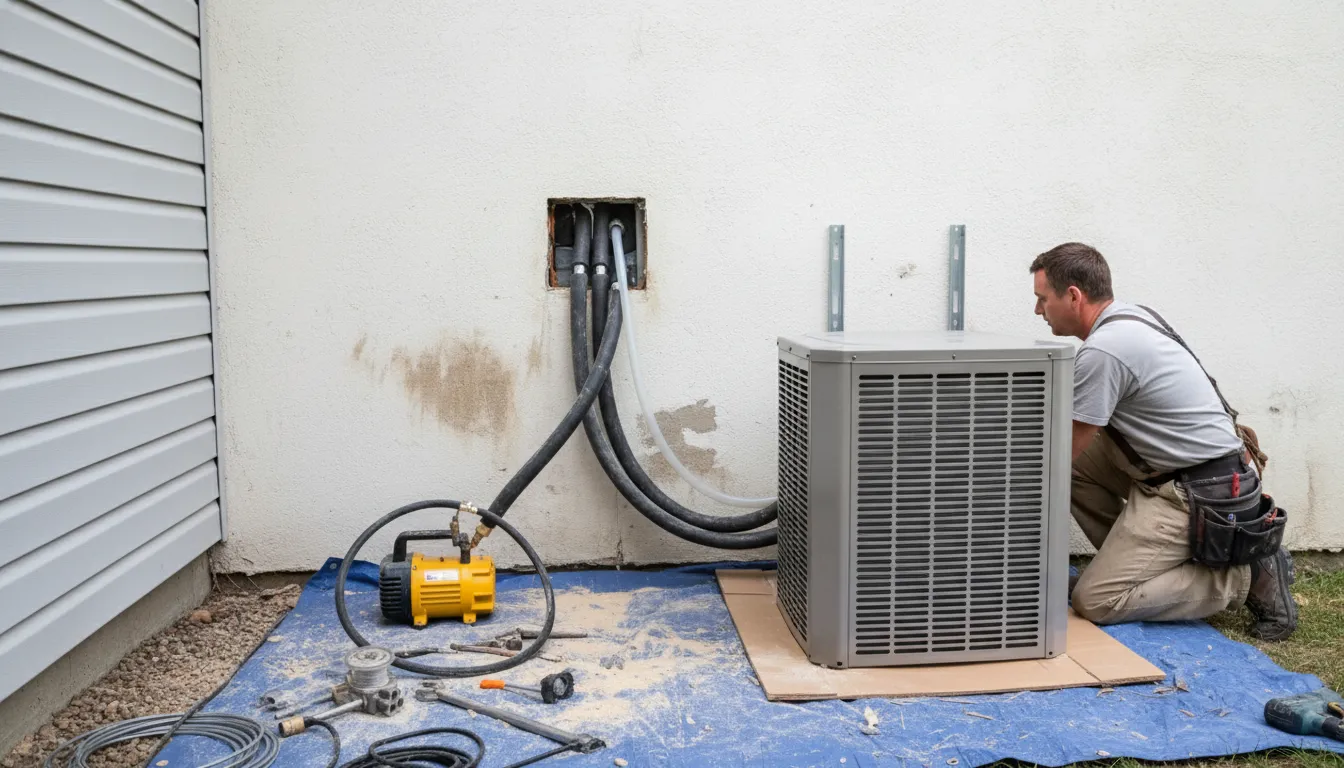
Find the Best Heat Pump Installation & Replacement Contractors for Your Business
No obligation • Fast responses • Nationwide coverage

Why you can trust HVAC Firms
HVAC Firms is a leading United States resource for evaluating HVAC service providers. Our team researches companies, checks credentials, and reviews customer feedback to present clear, unbiased information. Listings and rankings are based on merit, and companies cannot pay to change our editorial content.
Search providers near you
Top Heat Pump Installation & Replacement Contractors in Wichita, Kansas Ranked
For Wichita homeowners, upgrading your home's heating and cooling system with a heat pump is a smart investment in year-round comfort and energy efficiency. Unlike traditional systems that burn fuel to create heat, a heat pump is an all-in-one solution that transfers heat, providing both heating in the winter and cooling in the summer from a single unit. This technology is particularly valuable in Kansas, where temperatures swing from hot, humid summers to cold winters. Finding the right local professional for your heat pump installation or replacement project is crucial, as proper sizing and expert setup directly impact your system's performance, efficiency, and lifespan. This guide will help you understand your options, what to expect, and how to connect with qualified specialists in the Wichita area.
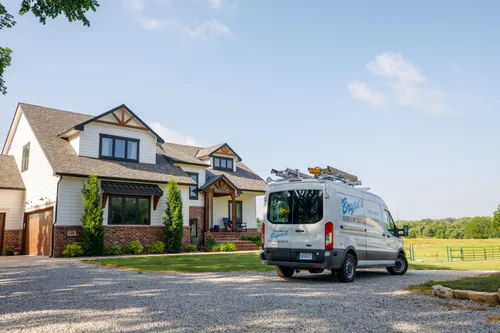
Bryan's Heating & Air Conditioning, Inc.
700 S Ramsey Dr, Valley Center, KS 67147
Bryan's Heating & Air Conditioning, Inc. has been providing residential and commercial HVAC services in Wichita, KS since 1986. They offer a wide range of heating and cooling solutions including repair, installation, and maintenance for furnaces, heat pumps, boilers, geothermal systems, central air conditioners, and ductless mini splits. The company also specializes in indoor air quality services such as humidity control and air purification, as well as custom ductwork fabrication and repair through their in-house sheet metal shop. Bryan's serves the Greater Wichita area with a focus on energy-efficient commercial HVAC solutions and comprehensive maintenance plans.
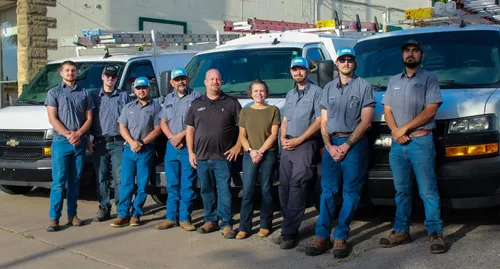
Kelley & Dawson Service
1741 N Broadway St, Wichita, KS 67214
Kelley & Dawson Service is a family-owned heating and cooling company based in Wichita, KS. They offer a full range of HVAC services including repair, installation, and maintenance for air conditioners, furnaces, heat pumps, and ductless mini-split systems. Their expertise also extends to indoor air quality solutions such as whole-house humidifiers, air scrubbers, and thermostat installations. The company has nearly 60 years of experience serving the Wichita area and is an authorized dealer for Trane and Daikin products, known for their energy-efficient and reliable HVAC systems.
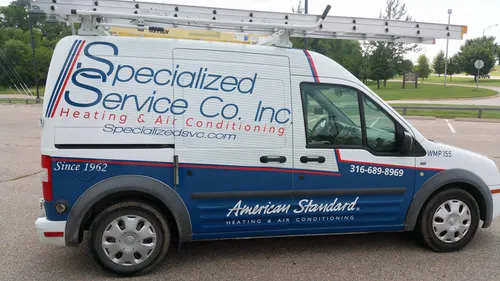
Specialized Service Heat & Air
350 N Indiana Ave, Wichita, KS 67214
Specialized Service Heat & Air is a family-focused HVAC company serving Wichita, KS. They provide a range of heating and cooling services including air conditioning, furnace, and heat pump repair and installation, as well as HVAC tune-ups. Established in 1962, the company has a long history of delivering heating and air solutions with an emphasis on trust and integrity.
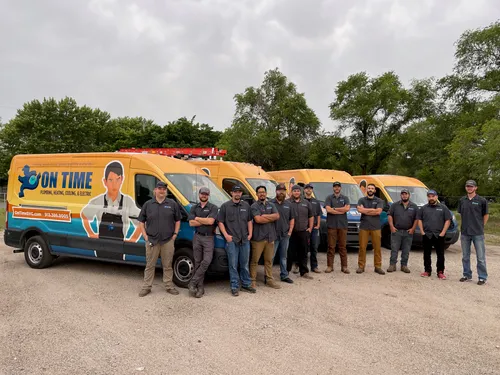
On Time Plumbing, Heating, Cooling & Electric
4065 N Woodlawn Blvd Suite 3, Bel Aire, KS 67220
On Time Plumbing, Heating, Cooling & Electric is a full-service provider based in Wichita, KS, offering plumbing, electrical, and HVAC services. They serve residential customers with repairs, installations, and maintenance for heating systems including furnaces, heat pumps, geothermal systems, and boilers, as well as air conditioning units and mini-splits. The company has been operating since 2004 and provides 24/7 emergency service to address urgent plumbing, heating, cooling, and electrical needs.
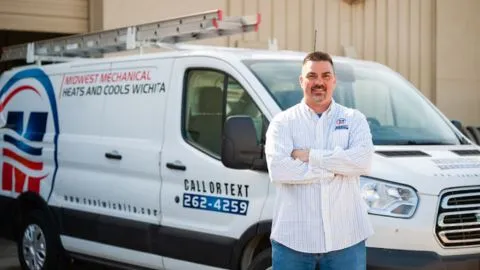
Midwest Mechanical
2111 W Harry St, Wichita, KS 67213
Midwest Mechanical is an HVAC and plumbing service provider based in Wichita, KS. They offer a wide range of services including air conditioning repair and installation, furnace and heat pump repair and installation, HVAC tune-ups, duct cleaning, and indoor air quality solutions. Their indoor air quality services include advanced air filtration, humidity control, and duct cleaning to help improve home comfort and health. Midwest Mechanical serves residential and commercial customers throughout Wichita, focusing on maintaining efficient and reliable heating and cooling systems year-round.
Understanding Heat Pump Technology for Your Home
At its core, a heat pump doesn't generate heat; it moves it. In cooling mode, it works like a standard air conditioner, extracting heat from inside your home and releasing it outdoors. In heating mode, the process reverses-it extracts heat from the outdoor air (even when it's cold) and transfers it indoors. This method of heat transfer is significantly more energy-efficient than generating heat through combustion, making modern heat pump systems a cornerstone of energy-efficient home upgrades.
For Wichita residents, this means a single system can handle both major climate challenges. The key to success lies in selecting the right type of heat pump and ensuring it's correctly sized and installed for your specific home's layout and the region's climate demands. An improperly installed unit can lead to poor performance, higher energy bills, and frequent repairs.
Types of Heat Pumps Available in Wichita
Not all heat pumps are the same. The three primary types available for residential installation in the Wichita area are air-source, ductless mini-split, and geothermal. Your home's existing infrastructure, budget, and efficiency goals will determine the best fit.
Air-Source Heat Pumps (Ducted Systems)
This is the most common type of heat pump installation for homes with existing ductwork. An air-source heat pump system typically replaces both your old furnace and air conditioner with an outdoor unit (containing a compressor and coil) and an indoor air handler or coil. These systems are excellent for whole-home comfort and come in various efficiency levels, from single-stage to advanced variable-speed models. They integrate seamlessly with most existing forced-air duct systems, making them a popular choice for replacements.
Ductless Mini-Split Heat Pumps
If your home lacks ductwork, you're adding a room, or you want to avoid the energy losses associated with ducts, a ductless mini-split system is an ideal solution. These systems consist of an outdoor compressor unit connected to one or more indoor air-handling units mounted on walls or ceilings. They provide "zoned" heating and cooling, allowing you to control temperatures in individual rooms. While the cost per zone can be higher, they offer exceptional flexibility and efficiency by eliminating duct losses, which can account for more than 30% of energy consumption in a ducted system.
Geothermal Heat Pumps (Ground-Source)
Geothermal systems represent the pinnacle of heating and cooling efficiency. Instead of exchanging heat with the outdoor air, they use a network of underground pipes (loops) to exchange heat with the stable temperature of the earth. This makes them incredibly efficient year-round, especially in Wichita's extreme temperatures. However, the installation process is more invasive and costly due to the need to install the ground loop, which requires significant yard space or deep vertical bores. The payoff is in the lowest possible operating costs and a very long system life.
Key Features and Efficiency Ratings to Consider
When comparing heat pump options, you'll encounter specific metrics that define performance and efficiency. Understanding these will help you make an informed decision.
- SEER2 and HSPF2: These are the modern efficiency ratings. SEER2 (Seasonal Energy Efficiency Ratio) measures cooling efficiency-the higher the number, the more efficient the cooling. HSPF2 (Heating Seasonal Performance Factor) measures heating efficiency. In a climate like Wichita's, where the system works hard in both seasons, opting for higher ratings in both categories is wise for long-term energy savings.
- Variable-Speed Technology: Traditional systems operate at full capacity or are completely off. Variable-speed compressors and fans can adjust their output in small increments to match the exact heating or cooling demand of your home 1. This results in more consistent temperatures, better humidity control, quieter operation, and superior energy efficiency, though it comes with a higher initial cost.
- Cold Climate Performance: Modern air-source heat pumps are designed to operate efficiently in much colder temperatures than older models. However, their heating capacity does decline as the outdoor temperature drops. This is a critical consideration for Wichita winters.
The Essential Need for Backup Heat in Kansas Winters
One of the most important factors for a successful heat pump installation in Wichita is planning for supplemental heat. During prolonged periods of extreme cold, an air-source heat pump may struggle to extract enough heat from the outdoor air to meet your home's demand efficiently.
This is why most professionally designed heat pump systems in this region include a form of backup or supplemental heat. The two most common setups are:
- Electric Resistance Heat Strips: Integrated into the indoor air handler, these strips activate during defrost cycles or when additional heat is needed. They are effective but can be expensive to operate if used frequently.
- Dual-Fuel Systems: This is often the recommended configuration for optimal efficiency and comfort. A dual-fuel system pairs a heat pump with a gas furnace. The heat pump handles heating during milder weather, and the system automatically switches to the more cost-effective gas furnace when temperatures fall below a certain point (typically around 30-35°F) 2. This hybrid approach leverages the strengths of both technologies.
Find the perfect heat pump installation & replacement contractors for your needs
Get personalized recommendations and expert advice
Understanding Heat Pump Installation Costs in Wichita
The total cost for a new heat pump system in Wichita varies widely based on the type of system, its efficiency, your home's specifics, and the complexity of the installation. Always obtain multiple detailed quotes from established local contractors for the most accurate pricing.
- Standard Air-Source Heat Pump (with backup heat): For a complete, professionally installed system replacing an old furnace and AC, homeowners can expect a range of $7,000 to $13,000+ 3. High-efficiency variable-speed models will be at the higher end of this range, potentially reaching $10,000 to $15,000+.
- Ductless Mini-Split System: Costs are typically calculated per zone (one outdoor unit + one indoor unit). A single-zone system often starts around $3,000 to $6,000+ installed, with costs increasing for each additional indoor head and for more complex multi-zone setups 4.
- Geothermal Heat Pump System: These systems have the highest upfront cost due to the ground loop installation, with complete residential systems often starting at $20,000 and increasing significantly based on loop type and home size 5 6. The investment is offset by very low operating costs and potential long-term savings.
Important Cost Factors:
- New Ductwork: If your home needs new or modified ducts, this can add $6,000 to $10,000 or more to the project cost 7.
- Electrical Upgrades: Older homes may require a panel upgrade or new circuit runs to support the new system.
- Removal of Old Equipment: Disposal fees for your old furnace, air conditioner, or refrigerant.
- Permits and Inspections: Reputable contractors will handle pulling all necessary local permits.
Rebates, Tax Credits, and Incentives
A significant factor in improving affordability is taking advantage of available financial incentives. These can substantially reduce your net cost.
- Federal Tax Credits: The federal government offers tax credits for qualifying high-efficiency heat pumps, including geothermal systems. These credits can directly reduce the amount of income tax you owe 8. Eligibility and amounts change, so verify current rules with your installer or tax advisor.
- Local Utility Rebates: Wichita-area utility companies, like Evergy (formerly Westar Energy), often offer rebates for installing high-efficiency HVAC equipment, including heat pumps 9. These are typically point-of-sale discounts or mail-in rebates that lower your upfront cost.
- Special Financing: Many HVAC contractors partner with lenders to offer competitive financing options, making it easier to manage the investment over time.
The Installation Process: What to Expect from a Local Pro
A proper installation is more critical than the brand of equipment you choose. A qualified Wichita HVAC contractor will follow a meticulous process:
- In-Home Consultation and Load Calculation: A technician should perform a Manual J load calculation, not just a rule-of-thumb estimate. This measures your home's exact heating and cooling needs based on square footage, insulation, windows, and orientation.
- System Design and Proposal: Based on the load calc, the contractor will recommend correctly sized equipment and present a detailed, written proposal outlining equipment models, labor, warranty, and timeline.
- Professional Installation: The crew will remove old equipment, install new refrigerant lines, electrical connections, the outdoor unit, indoor unit, and thermostat. For ducted systems, they will test and seal ductwork.
- Commissioning and Testing: After installation, the technician should test the refrigerant charge, airflow, electrical systems, and thermostat operation. They will start the system and ensure it's working correctly in both heating and cooling modes.
- Customer Education: A good pro will walk you through operating your new system, explain basic maintenance, and review your warranty details.
Frequently asked questions
Sources
Footnotes
-
The Heat Pump Buyer's Guide - https://www.callmattioni.com/blog/t-homeowners-guide-heat-pump/ ↩
-
Heat Pumps - Mike Watson Heating & Cooling, Wichita - https://mikewatsonhvac.com/heat-pumps/ ↩
-
How Much Does Each Heating System Cost to Install in Wichita? - https://action316hvac.com/action-advice/how-much-does-each-heating-system-cost-to-install-in-wichita/ ↩
-
Heat Pump Cost & Replacement Cost Guide - Rahn Industries - https://rahnindustries.com/2023/08/08/heat-pump-replacement-cost-guide/ ↩
-
Wichita Geothermal: Your 2025 Heat Pump Installation Guide - https://www.coolwichita.com/blog/geothermal-heat-pump-installation ↩
-
Heat Pump Cost Explained: What to Expect for Your Home Upgrade - https://www.leokobco.com/post/heat-pump-cost-explained ↩
-
Award-Winning Heat Pump Provider | Wichita | Hanna Heating & Air - https://www.hannainc.com/energy-saving-heat-pumps-hanna-recognized-as-region-leader/ ↩
-
Heat Pump Price Guides - https://heatpumppriceguides.com/ ↩
-
Heat Pump Guide: Cost, Rebates, and Efficiency Explained - https://www.sumzeroenergysystems.com/blog/heat-pump-guide-cost-rebates-efficiency-explained ↩