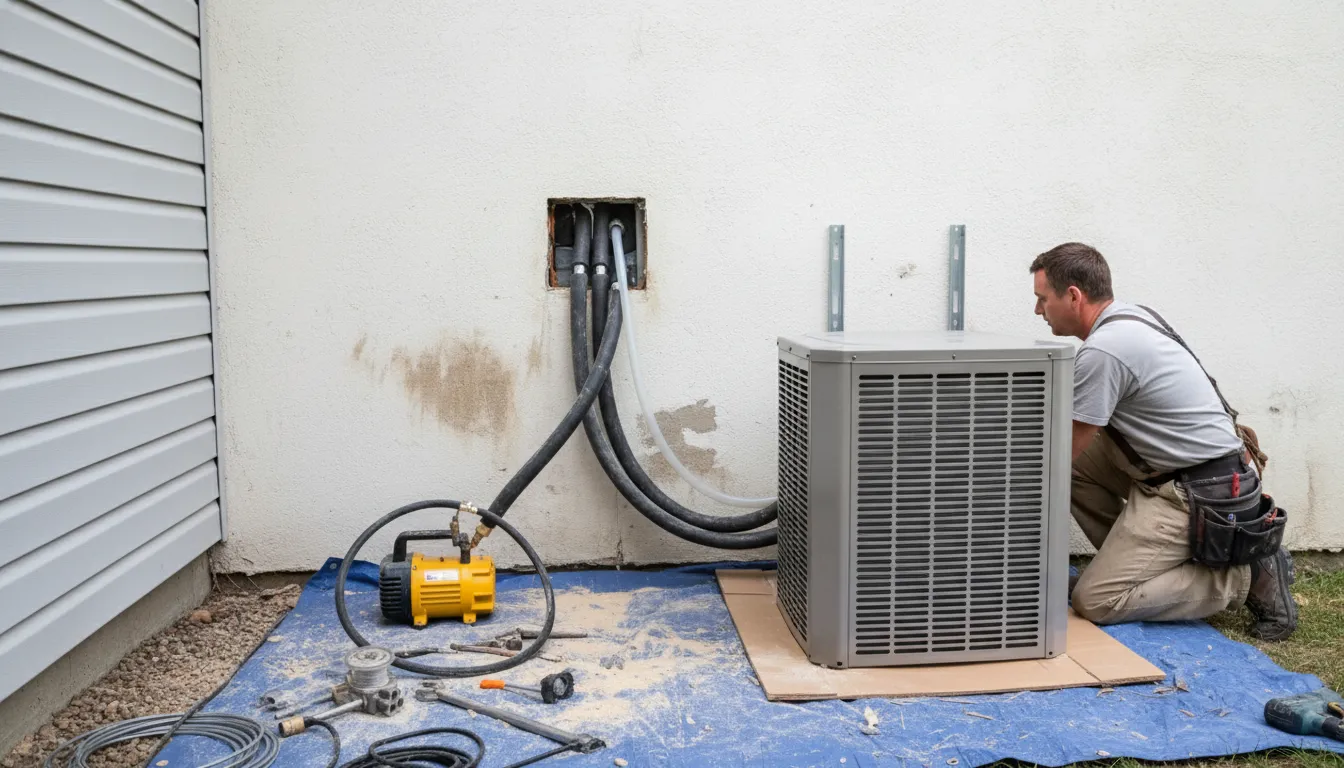
Find the Best Heat Pump Installation & Replacement Contractors for Your Business
No obligation • Fast responses • Nationwide coverage

Why you can trust HVAC Firms
HVAC Firms is a leading United States resource for evaluating HVAC service providers. Our team researches companies, checks credentials, and reviews customer feedback to present clear, unbiased information. Listings and rankings are based on merit, and companies cannot pay to change our editorial content.
Search providers near you
Top Heat Pump Installation & Replacement Contractors in West Covina, California Ranked
Upgrading your home's heating and cooling system to a heat pump is a smart investment in year-round comfort and energy efficiency, especially in West Covina's mild climate. These versatile systems provide both heating and cooling by efficiently transferring heat, making them an ideal all-in-one solution for Southern California homes. This guide will help you understand the types of systems available, the factors that influence cost, and how to find qualified local professionals for your installation or replacement project.
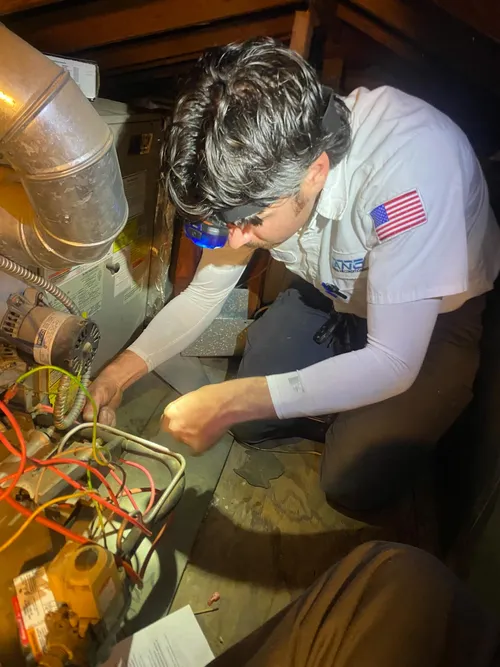
Sano Heating & Air Conditioning
5546 E La Palma Ave, Anaheim, CA 92807
Sano Heating & Air Conditioning is an HVAC company based in Anaheim, CA, providing a range of heating and cooling services. They offer repair and installation for air conditioners, furnaces, heat pumps, mini splits, and perform HVAC tune-ups. The company also specializes in indoor air quality solutions and energy-efficient options like ductless and zoned systems. Serving Anaheim and the surrounding Orange County area, they handle new construction projects and have sheet metal capabilities to support their HVAC services.
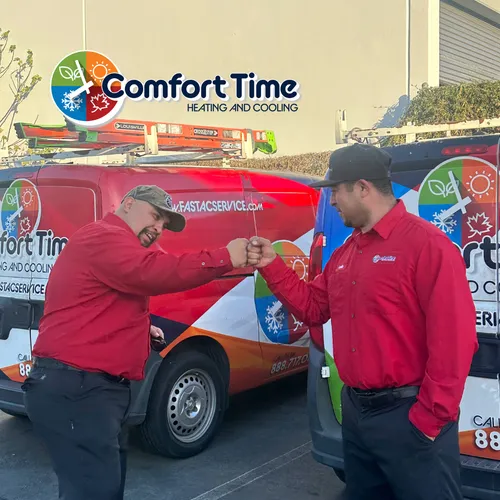
Comfort Time Plumbing Heating & Cooling
8038 Freestone Ave, Santa Fe Springs, CA 90670
Comfort Time Plumbing Heating & Cooling is a family-owned company based in Los Angeles, CA, providing comprehensive HVAC and plumbing services for homes and businesses. They specialize in the repair and installation of air conditioning, furnaces, heat pumps, boilers, mini splits, and commercial refrigeration systems. Comfort Time Plumbing Heating & Cooling offers same-day service and uses advanced techniques such as trenchless sewer line replacement to address plumbing issues efficiently. Since 2008, they have served the local community with trained technicians who maintain up-to-date certifications and prioritize respect for customers' homes.
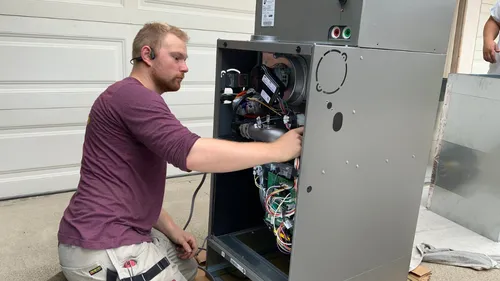
Haven Air Conditioning
1450 N Lakeview Ave, Anaheim, CA 92807
Haven Air Conditioning is an HVAC company based in Anaheim, CA, offering a range of services including air conditioning, furnace, heat pump, and mini split installation and repair. They also provide HVAC tune-ups, duct cleaning, and thermostat installation. The company is experienced in handling complex HVAC systems and offers detailed inspections and maintenance advice to improve system efficiency. Customers appreciate their thoroughness and clear communication throughout the service process. Haven Air Conditioning has built a reputation for professional installations and repairs in the Anaheim area.
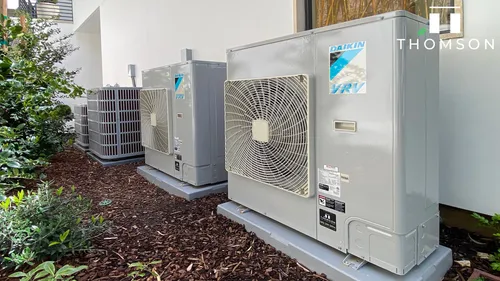
Thomson Air Conditioning & Heating
5731 McFadden Ave A, Huntington Beach, CA 92649
Thomson Air Conditioning & Heating provides HVAC repair, installation, and indoor air quality services in Long Beach, CA. They serve both residential and commercial customers across Southern California, offering solutions for air conditioning, heating, heat pumps, ductless systems, and HVAC tune-ups. Their team includes certified technicians who focus on honest recommendations and reliable workmanship. The company emphasizes transparent service without upselling and guarantees their labor for five years on repairs.
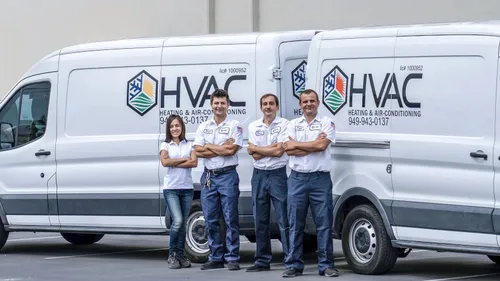
Air Blue HVAC
18707 Vanderlip Ave, Santa Ana, CA 92705
Air Blue HVAC is an HVAC installation contractor based in Long Beach, CA. They specialize in installing heat pumps, air conditioning units, and gas furnaces, serving customers throughout the area. Their services include multi-stage air conditioning systems and dual fuel heat pump installations that combine electric heat pumps with gas furnace options for enhanced efficiency and comfort.
Why Choose a Heat Pump for Your West Covina Home?
For homeowners in West Covina and the broader San Gabriel Valley, a heat pump installation offers distinct advantages over traditional separate heating and air conditioning units. The primary benefit is efficiency; because heat pumps move heat rather than generate it through combustion, they can provide the same amount of heating or cooling using significantly less electricity. This translates directly to lower monthly utility bills. Given California's push for electrification and reducing greenhouse gas emissions, a high-efficiency heat pump is a future-proof choice that aligns with state energy goals.
The local climate is perfectly suited for this technology. West Covina experiences mild winters and warm summers, conditions where air-source heat pumps operate at peak efficiency. You'll enjoy consistent, comfortable temperatures year-round from a single, quiet system. Furthermore, with increasing concerns about air quality, especially during wildfire season, many modern heat pump systems come equipped with advanced filtration options to improve your indoor air environment.
Understanding Heat Pump System Types
Not all heat pump installations are the same. The right system for your home depends on your existing infrastructure, budget, and comfort goals. Here are the primary configurations available.
Ducted Air-Source Heat Pumps
This is the most common type of whole-home system, ideal for houses with existing, functional ductwork. A ducted system replaces your old central air conditioner and furnace with a single outdoor unit connected to an indoor air handler. It uses your home's ducts to distribute conditioned air to every room. This is often the simplest replacement path if you already have central air, providing seamless heating and cooling throughout the entire house.
Ductless Mini-Split Heat Pumps
Ductless systems, or mini-splits, are incredibly versatile. They consist of an outdoor compressor unit connected to one or more indoor, wall-mounted air handlers via a small refrigerant line. This design eliminates the need for ductwork, making them perfect for room additions, homes without ducts (like many older properties), or for providing zoned comfort control. You can cool or heat specific rooms as needed, which can lead to additional energy savings. Their flexibility and generally lower installation complexity make them a popular choice.
Geothermal (Ground-Source) Heat Pumps
Geothermal systems represent the pinnacle of efficiency. Instead of exchanging heat with the outside air, they use stable ground temperatures to heat and cool your home. While they have the highest upfront cost due to the need to install ground loops-either vertically drilled or horizontally trenched-they offer the lowest operating costs and are exceptionally durable 1 2. Their prevalence in typical residential projects is lower due to the initial investment and yard space requirements.
Key Factors Influencing Installation Cost
The cost of a new heat pump system in West Covina can vary widely, typically ranging from $5,000 to $30,000+ for a full installation 3. Understanding what drives this range is crucial for budgeting and planning.
- System Size and Capacity: Proper sizing, measured in British Thermal Units (BTUs), is the most critical factor. An undersized unit will struggle to keep up, while an oversized unit will short-cycle, reducing efficiency, comfort, and lifespan. A professional will perform a Manual J load calculation to determine the exact size needed for your home's square footage, insulation, window quality, and orientation.
- System Type and Efficiency: As noted, a ductless mini-split system often has a lower starting cost than a whole-home ducted replacement. Furthermore, units with higher SEER2 (Seasonal Energy Efficiency Ratio) and HSPF2 (Heating Seasonal Performance Factor) ratings are more expensive upfront but save more money on energy bills over time.
- Equipment Brand and Features: Premium brands and models with advanced features (like ultra-quiet operation, smart thermostat compatibility, or enhanced filtration) will command a higher price.
- Installation Complexity: This is a major cost driver. Factors include:
- Labor: The expertise and reputation of the installation contractor are reflected in labor costs. A proper installation by a certified technician is an investment that ensures performance, efficiency, and warranty validity.
Find the perfect heat pump installation & replacement contractors for your needs
Get personalized recommendations and expert advice
Maximizing Savings with Rebates and Incentives
The upfront cost of a heat pump can be significantly reduced through a combination of federal and state incentives. Taking advantage of these programs makes the switch more affordable than ever.
- Federal Tax Credits: The Inflation Reduction Act (IRA) provides a tax credit of up to $2,000 for the installation of a qualified heat pump that meets specific efficiency standards 6. This credit is claimed on your federal income tax return.
- State and Local Rebates: TECH Clean California is a key initiative offering point-of-sale rebates for heat pump installations. Rebates can reach $3,000 or more depending on your household income and the efficiency of the installed equipment 7 8. It's essential to work with a participating contractor.
- Utility Programs: Southern California Edison (SCE) and other local utilities often have additional rebate programs or special electric rate plans for homes with heat pumps. Always check their websites or ask your installer about the latest offers.
The Importance of Professional Sizing and Installation
Choosing the right equipment is only half the battle; a precision installation is what guarantees its performance. A reputable professional will start with a comprehensive home assessment. This includes the Manual J load calculation mentioned earlier, as well as evaluating your ductwork (for ducted systems), electrical panel, and overall home envelope.
Proper installation ensures refrigerant lines are correctly sized and charged, electrical connections are secure and to code, and the system is calibrated for optimal airflow. A sloppy installation can lead to a 30% or more reduction in efficiency, negating the benefits of your high-efficiency investment 9. Always verify that your chosen provider is licensed, insured, and has specific experience with heat pump installations in the Southern California climate.
Long-Term Performance and Maintenance
Once installed, a heat pump requires minimal but consistent maintenance to operate at peak efficiency for its 15+ year lifespan. The most important task is regularly changing or cleaning the system's air filters-typically every 1-3 months. This simple act maintains good airflow and indoor air quality 10.
It's also advisable to schedule an annual professional tune-up. A technician will check refrigerant levels, clean coils, inspect electrical components, and ensure the system is ready for the heating or cooling season. Keeping the outdoor unit clear of debris, plants, and obstructions is also crucial for maintaining proper airflow and system efficiency 11.
Frequently asked questions
Sources
Footnotes
-
2025 Heat Pumps Installation Cost Guide: Types, Sizes and Brands - https://modernize.com/hvac/heating-repair-installation/heat-pump ↩
-
Considering a Heat Pump? Here's What You'll Really Pay for a ... - https://www.cnet.com/home/energy-and-utilities/what-you-will-really-pay-for-sustainable-heating-system/ ↩
-
Heat Pump Installation Cost California - HVAC - Modernize - https://modernize.com/hvac/heating-repair-installation/heat-pump/california ↩
-
Understanding New Heating System Costs In Southern California - https://www.callwiseowl.com/blog/understanding-new-heating-system-costs-in-southern-california/ ↩
-
New Heat Pump Installation Costs in Southern California - https://www.callwiseowl.com/blog/new-heat-pump-installation-costs-in-southern-california/ ↩
-
Heat Pumps vs. Traditional HVAC: Which is Right for Orange ... - https://www.jmartiniaq.com/blog/heat-pumps-vs-traditional-hvac-which-is-right-for-orange-county ↩
-
Heat Pumps in California: Everything You Need to Know - https://www.quitcarbon.com/blog/heat-pumps/california ↩
-
HVAC Heat Pump Systems - https://www.sce.com/factsheet/HVACHeatPumpSystems ↩
-
Reliable Heat Pump Installation Services in California - Save Up to ... - https://www.americanarraysolar.com/reliable-heat-pump-installation-services-in-california-save-up-to-30-on-energy-bills/ ↩
-
Complete Guide to Heat Pump Installation in CA - https://www.calveyheatingandair.com/blog/heat-pump-installation-california-guide/ ↩
-
Heat Pumps vs HVAC: Efficiency, Cost, and Comfort in CA - https://tytum.com/blog/heat-pumps-vs-traditional-hvac-which-is-better-for-california-homes ↩