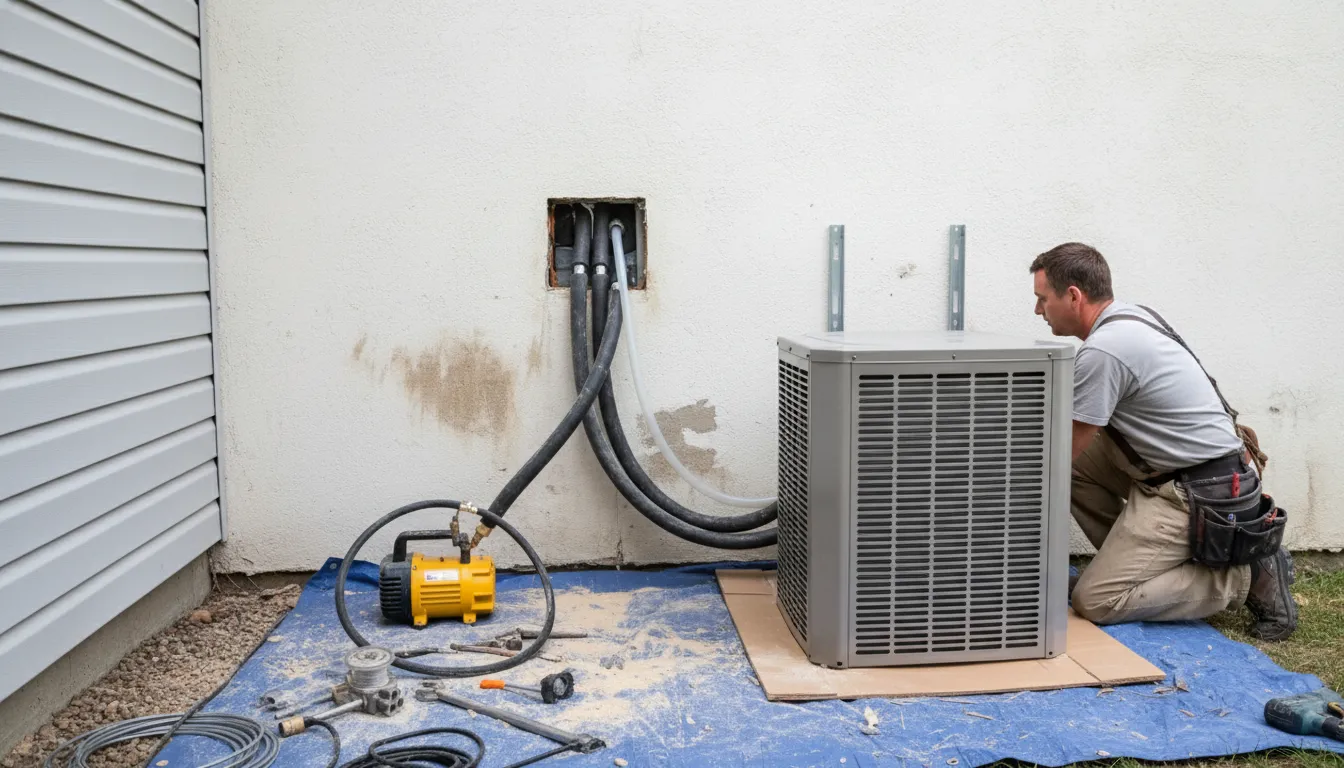
Find the Best Heat Pump Installation & Replacement Contractors for Your Business
No obligation • Fast responses • Nationwide coverage

Why you can trust HVAC Firms
HVAC Firms is a leading United States resource for evaluating HVAC service providers. Our team researches companies, checks credentials, and reviews customer feedback to present clear, unbiased information. Listings and rankings are based on merit, and companies cannot pay to change our editorial content.
Search providers near you
Best Heat Pump Installation & Replacement Contractors in California Ranked
Upgrading to a heat pump is a smart move for California homeowners seeking efficient, year-round comfort. These advanced systems provide both heating and cooling, often at a fraction of the energy cost of traditional furnaces and air conditioners. With California's ambitious climate goals and generous financial incentives, now is an opportune time to explore this technology. This guide will help you understand your options, navigate the available rebates and tax credits, and connect with qualified local professionals to ensure a successful installation.
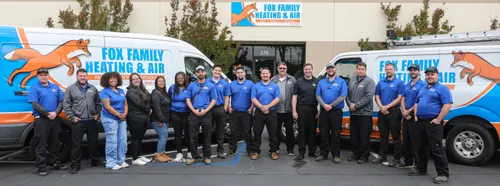
Fox Family Heating and Air Conditioning
3345 Sunrise Blvd #5, Rancho Cordova, CA 95742
Fox Family Heating and Air Conditioning provides a full range of HVAC services including installation, repair, replacement, and maintenance in Sacramento, CA. They serve the Sacramento area with skilled technicians capable of handling heating, air conditioning, and heat pump systems. The company emphasizes high standards and customer satisfaction in their work.

Loves Air
5536 Pirrone Rd, Salida, CA 95368
Loves Air is an HVAC and home improvement company serving Stockton, CA, specializing in heating and air conditioning installation, repair, and maintenance. They also provide solar panel installation, water heater services including tankless systems, and window replacement to improve home energy efficiency. Their team offers duct sealing to optimize airflow and reduce energy waste. With decades of experience and recognition as a top HVAC and solar company since 2018, Loves Air focuses on enhancing comfort and sustainability for local homes.
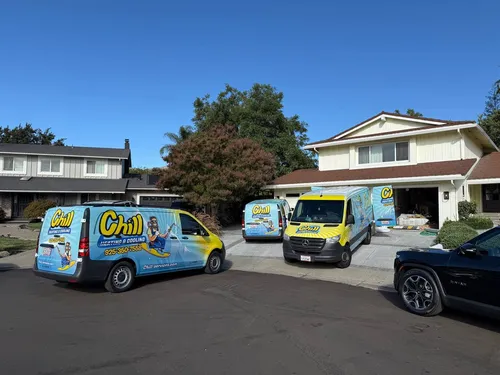
Chill Heating and Cooling
23 Beta Ct suite f, San Ramon, CA 94583
Chill Heating and Cooling is a full-service HVAC company based in Oakland, CA, offering heating and cooling repairs, maintenance, and installations for residential and commercial clients. They provide services including air conditioning, furnace, heat pump, mini split, and thermostat installation and repair. The company is an authorized Carrier dealer and serves the Oakland area with expertise in diagnosing and repairing HVAC systems, as well as installing new units tailored to home or business needs. Chill Heating and Cooling is available for emergency calls and offers same-day service to address urgent heating and cooling issues.
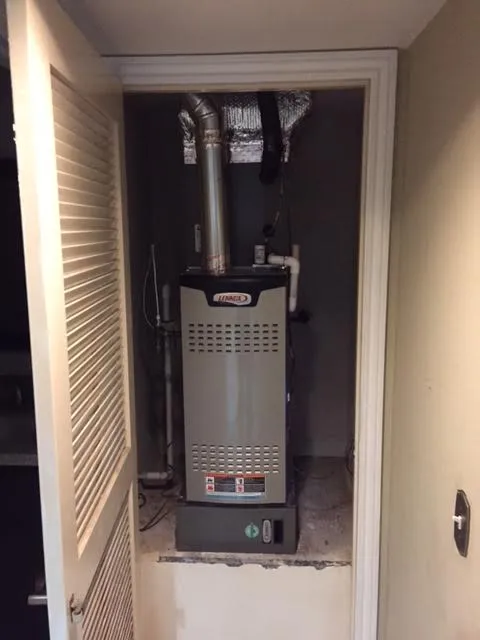
1st Choice Heating & Air Conditioning, Inc.
23372 Madero Suite B, Mission Viejo, CA 92691
1st Choice Heating & Air Conditioning, Inc. provides a wide range of HVAC services in Anaheim, CA. Their offerings include installation, repair, and maintenance of air conditioners, furnaces, heat pumps, mini-split systems, and thermostats, along with indoor air quality solutions. As a Lennox Premier Dealer and recipient of the Centurion Award, they specialize in Lennox products and deliver energy-efficient heating and cooling systems. Their technicians are trained to handle various HVAC needs, from tune-ups to system replacements, ensuring comfort throughout the year.
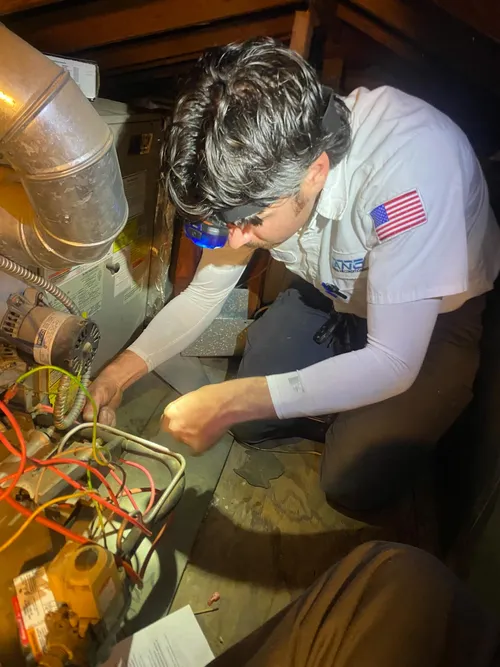
Sano Heating & Air Conditioning
5546 E La Palma Ave, Anaheim, CA 92807
Sano Heating & Air Conditioning is an HVAC company based in Anaheim, CA, providing a range of heating and cooling services. They offer repair and installation for air conditioners, furnaces, heat pumps, mini splits, and perform HVAC tune-ups. The company also specializes in indoor air quality solutions and energy-efficient options like ductless and zoned systems. Serving Anaheim and the surrounding Orange County area, they handle new construction projects and have sheet metal capabilities to support their HVAC services.
Understanding Heat Pump Technology
A heat pump doesn't generate heat; it moves it. In the winter, it extracts warmth from the outside air (even when it's cold) and transfers it indoors. In the summer, the process reverses, pulling heat from your home and releasing it outside, functioning as an air conditioner. This efficient transfer of energy is what makes heat pumps so effective, especially in California's varied climates 1.
Primary Types of Heat Pumps:
- Air-Source Heat Pumps (ASHPs): The most common type, which transfer heat between your home and the outdoor air. They come in two main configurations:
- Ducted Systems: Connect to existing ductwork, making them ideal for replacing a traditional central air system.
- Ductless Mini-Splits: Consist of an outdoor unit connected to one or more indoor wall-mounted units. They are perfect for homes without ducts, room additions, or for creating zoned comfort control.
- Geothermal (Ground-Source) Heat Pumps: These systems exchange heat with the ground, which maintains a more constant temperature year-round. They are exceptionally efficient but involve higher upfront costs due to the required ground loop installation.
California's Efficiency Standards and Regulations
California has some of the nation's strictest efficiency standards for HVAC equipment. As of 2023, new heat pumps installed in the state must meet minimum SEER2 (Seasonal Energy Efficiency Ratio) and HSPF2 (Heating Seasonal Performance Factor) ratings 2. These updated metrics provide a more accurate real-world measure of efficiency. Choosing a unit that exceeds these minimums not only lowers your utility bills but can also unlock access to higher-tier rebates and incentives.
A Comprehensive Guide to Incentives and Rebates
The financial landscape for heat pump adoption in California is exceptionally favorable, with programs available at the federal, state, and local utility levels. Combining these can dramatically reduce your net project cost.
Federal Tax Credits
The Inflation Reduction Act (IRA) provides a tax credit worth 30% of the total project cost, up to $2,000 per year. This credit applies to the purchase and installation of qualified, high-efficiency ENERGY STAR® certified heat pumps. The credit can also be applied to supporting upgrades like electrical panel enhancements needed for the new system.
Statewide California Programs
- TECH Clean California: This initiative offers a straightforward rebate of $1,000 for the installation of a qualifying heat pump HVAC system (up to two systems per household). They also provide substantial rebates for heat pump water heaters, ranging from $1,000 to $3,100.
- HEEHRA Rebates (Income-Qualified): The Home Energy Efficiency and Electrification Rebate Act (HEEHRA) program, administered through TECH Clean California, offers point-of-sale rebates for low- and moderate-income households. Eligible homeowners can receive:
- These rebates require using a participating contractor and obtaining a reservation approval before work begins.
Utility-Specific Rebates
Many local utilities offer additional incentives on top of state and federal programs. These vary significantly, so checking with your provider is essential.
- Southern California Edison (SCE): Offers consolidated programs that stack with TECH Clean California incentives.
- Los Angeles Department of Water and Power (LADWP): Provides rebates such as $2,500 for qualifying heat pump HVAC systems and heat pump water heaters through their Consumer Rebate Program 5.
- The Switch Is On: This is a valuable resource hub where California residents can enter their address to find all applicable rebates from their specific utility and the state.
Find the perfect heat pump installation & replacement contractors for your needs
Get personalized recommendations and expert advice
Cost Breakdown and Investment Analysis
The total cost of a heat pump installation in California varies widely based on several factors, but understanding the range and long-term value is key.
Average Cost Ranges:
- Mid-Efficiency System (SEER2 14-16): $4,000 - $14,000
- High-Efficiency System (SEER2 21-24): $9,000 - $30,000+
- Simple Replacement (like-for-like): Approximately $11,500 on average 6 7.
Key Factors Influencing Cost:
- System Size and Type: Proper sizing (measured in tons) is critical. A ductless mini-split for a single zone costs less than a whole-home, ducted system or a multi-zone mini-split setup.
- Equipment Efficiency: Higher SEER2 and HSPF2 ratings command a premium but yield greater energy savings.
- Home Infrastructure: Existing ductwork may need modification or sealing. Many older homes require electrical panel upgrades to support the new heat pump, adding to the project cost 8.
- Labor and Complexity: Installation difficulty, such as working on a multi-story home or dealing with limited attic/crawlspace access, affects labor time and cost.
Calculating Your Potential Savings: The true cost is the price after incentives. For example, a $15,000 high-efficiency system could be reduced by a $2,000 federal tax credit, a $1,000 TECH rebate, and a $2,500 utility rebate, bringing your out-of-pocket cost down to $9,500. When you factor in the significant reduction in monthly energy bills, the payback period can be very attractive 9 10 11.
The Installation Process: Steps to Success
A smooth installation begins with careful planning and the right team.
- Assess Your Needs: Consider your home's size, layout, existing ductwork, and primary comfort goals (e.g., whole-home vs. zoned cooling).
- Check Eligibility and Rebates: Use tools like The Switch Is On and the DOE's Savings Calculator to identify all rebates and tax credits for which you qualify.
- Find Qualified Contractors: For HEEHRA rebates, you must use a contractor registered with TECH Clean California. Even outside that program, seek licensed, insured, and NATE-certified professionals with specific experience in heat pump installations. The TECH Clean California website has a search tool for finding contractors.
- Get Detailed Quotes: Obtain written estimates from at least three contractors. Quotes should itemize equipment model numbers (with SEER2/HSPF2 ratings), all labor, materials, permit fees, and any anticipated costs for duct modification or electrical work. Ask how they will help you secure applicable rebates.
- Secure Pre-Approval (For Income-Qualified Rebates): If applying for HEEHRA, do not start work until you have received a formal reservation approval from the program.
- Installation and Inspection: A professional installation includes proper sizing, refrigerant charging, electrical connections, duct sealing (if applicable), and system testing. The work will require a local building permit and final inspection.
Long-Term Benefits and Considerations
Beyond immediate cost savings, a modern heat pump offers:
- Year-Round Comfort: Single-system solution for heating and cooling.
- Reduced Carbon Footprint: Electrifying your home's heating moves away from fossil fuels, aligning with California's clean energy goals.
- Improved Air Quality: Many systems include advanced filtration.
- Dehumidification: Better humidity control in cooling mode than many standard AC units.
- Quieter Operation: Newer models are significantly quieter than older HVAC equipment.
Regular maintenance, such as cleaning filters and annual professional check-ups, will ensure your system operates at peak efficiency for its full lifespan.
Frequently asked questions
Sources
Footnotes
-
Home Upgrades | Department of Energy - https://www.energy.gov/save/home-upgrades ↩
-
Understanding California's 2023 HVAC Regulations | Honeys Air - https://honeysair.com/understanding-californias-2023-hvac-regulations/ ↩
-
TECH Public Reporting HEEHRA Rebates - https://techcleanca.com/incentives/heehrarebates/ ↩
-
HEEHRA Rebates for California Homeowners' Heat Pump Upgrades - https://www.commandcomfort.com/blog/tax-credits-and-rebates/heehra-rebates-for-california-homeowners-heat-pump-upgrades/ ↩
-
Consumer Rebate Program - Los Angeles - LADWP.com - https://www.ladwp.com/residential-services/assistance-programs/consumer-rebate-program ↩
-
How Much Does Heat Pump Installation Cost in California in 2026? - https://modernize.com/hvac/heating-repair-installation/heat-pump/california ↩
-
Understanding the Cost to Replace a 2-Ton Heat Pump - https://thefurnaceoutlet.com/blogs/news/understanding-the-cost-to-replace-a-2-ton-heat-pump-a-homeowners-guide ↩
-
Complete Guide to Heat Pump Installation in CA - https://www.calveyheatingandair.com/blog/heat-pump-installation-california-guide/ ↩
-
Inflation Reduction Act Residential Energy Rebate Programs - https://www.energy.ca.gov/programs-and-topics/programs/inflation-reduction-act-residential-energy-rebate-programs ↩
-
TECH Clean California and Energy Savings Assistance - SCE - https://www.sce.com/factsheet/ConsolidatedHeatPumpPrograms ↩
-
California Heat Pump Incentives: 2024 Guide | EnergySage - https://www.energysage.com/heat-pumps/california-heat-pump-incentives/ ↩