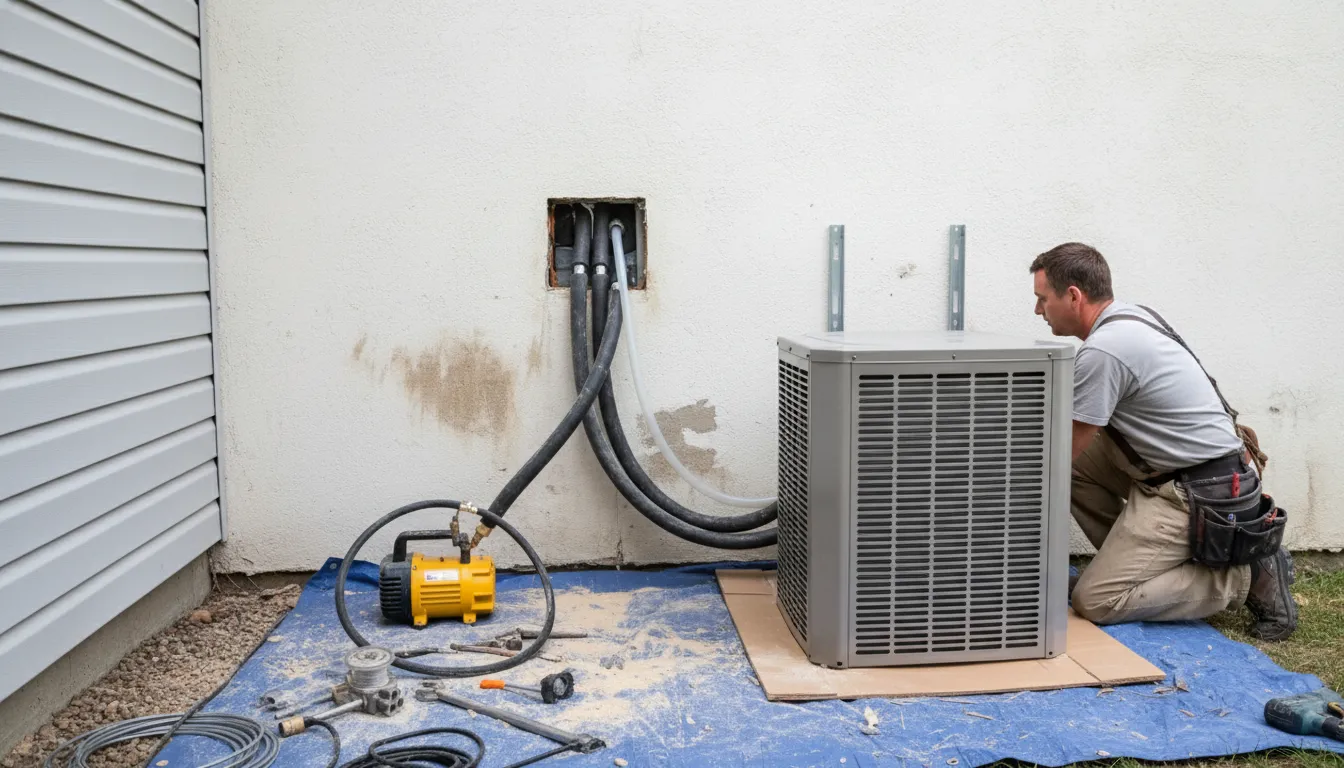
Find the Best Heat Pump Installation & Replacement Contractors for Your Business
No obligation • Fast responses • Nationwide coverage

Why you can trust HVAC Firms
HVAC Firms is a leading United States resource for evaluating HVAC service providers. Our team researches companies, checks credentials, and reviews customer feedback to present clear, unbiased information. Listings and rankings are based on merit, and companies cannot pay to change our editorial content.
Search providers near you
Top Heat Pump Installation & Replacement Contractors in Watsonville, California Ranked
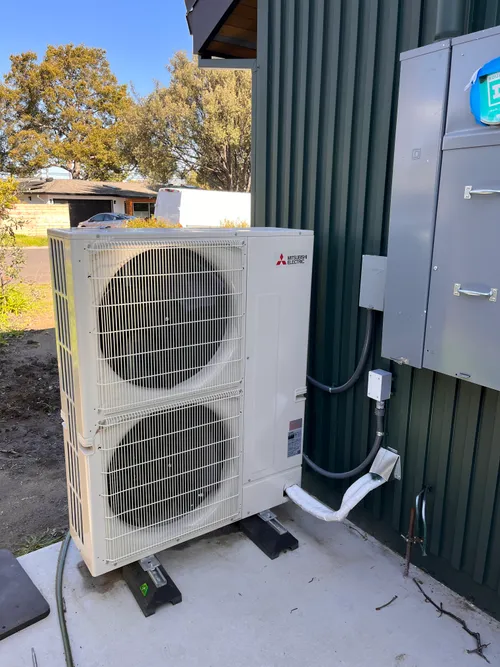
Heat pump installation and replacement is a smart, efficient upgrade for Watsonville homes, providing both heating and cooling from a single, modern system. This technology is particularly well-suited to California's mild climate, offering significant energy savings compared to traditional gas furnaces and air conditioners. This guide will help you understand your options, costs, and the local incentives available to make an informed decision for your home comfort.
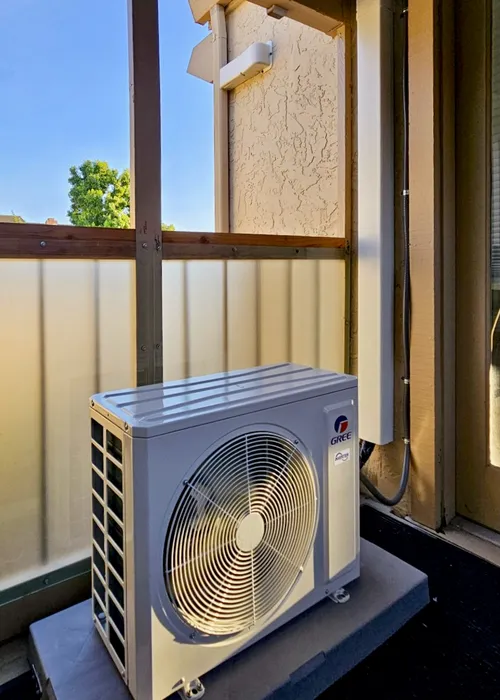
Freon HVAC, Electrical & Appliance
299 E McGlincy Ln Suite A, Campbell, CA 95008
Freon HVAC, Electrical & Appliance provides a range of heating and air conditioning services in San Jose, CA. They specialize in HVAC installation, repair, and maintenance, including air conditioning, furnaces, heat pumps, mini splits, and thermostat installation. Their team handles ductwork repair and indoor air quality services to support comfortable indoor environments. Freon HVAC offers expertise in refrigerant replacement and commercial HVAC solutions, focusing on efficient system operation throughout the year.
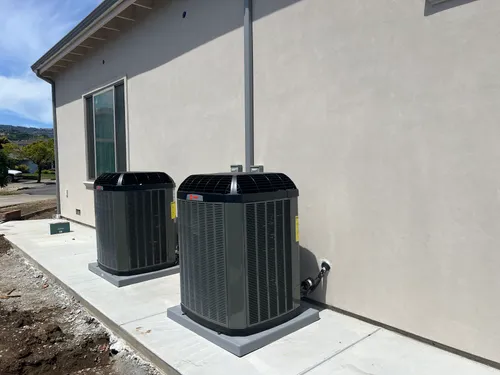
Airtron Heating And Air Conditioning
6203 San Ignacio Ave #110, San Jose, CA 95119
Airtron Heating And Air Conditioning is a family-owned HVAC company serving San Jose, CA. They specialize in air conditioning and heat pump repair, installation, and tune-up services. With over 30 years of combined experience, they focus on proper installations using reliable brands to ensure customer satisfaction. Their team is knowledgeable in heat pump servicing and committed to thorough work.

Fuse HVAC, Refrigeration, Electrical & Plumbing
San Jose, CA
Fuse HVAC, Refrigeration, Electrical & Plumbing provides a wide range of heating, cooling, refrigeration, electrical, and plumbing services in San Jose, CA. Their HVAC services include installation, repair, and maintenance of air conditioners, heat pumps, and furnaces, with a labor warranty of up to 12 years on installations. They also offer commercial refrigeration repairs and electrical services such as panel work and EV charger installation. Plumbing services include water heater installation, hydro jetting, and pipe restoration. The company emphasizes licensed and certified technicians who receive ongoing training to stay current with industry standards.
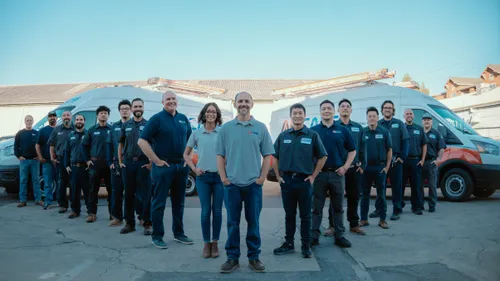
Air Care Heating & Cooling Inc.
1577 Almaden Rd, San Jose, CA 95125
Air Care Heating & Cooling Inc. is a locally owned HVAC company serving San Jose, CA, and nearby communities since 2013. They provide a range of heating and cooling services including air conditioner and heat pump repair and installation, furnace repair, HVAC tune-ups, and indoor air quality solutions. The company is experienced in servicing all brands and models and offers practical advice to improve system efficiency. Their technicians are knowledgeable in diagnosing furnace issues and installing heat pumps, supporting customers throughout the process.
Heating, Cooling & Appliance Technique Inc
769 Regent Park Dr, San Jose, CA 95123
Heating, Cooling & Appliance Technique Inc provides HVAC repair, installation, and maintenance services in San Jose, CA. They handle air conditioning, furnace, heat pump, and duct replacement for both residential and commercial clients. The company offers 24/7 emergency services and uses advanced equipment to ensure thorough repairs and clean work areas. With many years of experience serving the San Jose area, they focus on quality workmanship and customer satisfaction. Their capabilities include full HVAC system replacements and tune-ups, with technicians trained to fine-tune units for optimal performance. Heating, Cooling & Appliance Technique Inc also participates in energy financing programs to support efficient home upgrades. Their team is available around the clock to address urgent heating and cooling needs.
Why Choose a Heat Pump in Watsonville?
Watsonville's climate is ideal for heat pump technology. With moderate winters where temperatures typically stay above freezing and increasingly warm summers, a heat pump operates at peak efficiency year-round. Unlike a furnace that generates heat, a heat pump simply moves existing heat from one place to another-pulling warmth from the outdoor air to heat your home in winter and reversing the process to cool it in summer. This dual functionality in one unit can replace both your furnace and air conditioner, simplifying your home's HVAC system.
The efficiency gains are substantial. Modern heat pumps can deliver heating that is three to four times more efficient than a standard gas furnace. For Watsonville residents, this translates to lower monthly energy bills, especially as electricity rates and summer cooling demands rise. Choosing a heat pump is not just an HVAC upgrade; it's a strategic move for long-term comfort and cost savings in the Central Coast's unique weather patterns.
Types of Heat Pump Systems
Understanding the different system types is key to selecting the right solution for your Watsonville home. The main categories are ducted, ductless, and geothermal, each with distinct applications and price points.
Ducted Air-Source Heat Pumps
This is the most common whole-home solution for houses with existing, functional ductwork. A ducted system uses a single outdoor unit connected to an indoor air handler that distributes conditioned air throughout your home via ducts.
- Best For: Homes with existing central forced-air systems.
- Typical Cost Range: $10,000 - $30,000+ installed 1.
- Considerations: The condition of your existing ductwork is critical. Leaky or poorly insulated ducts can significantly reduce system efficiency, so an assessment is a necessary first step.
Ductless Mini-Split Heat Pumps
Ductless systems consist of one or more quiet, wall-mounted indoor units connected to a single outdoor compressor. They are incredibly versatile and efficient.
- Best For: Homes without ducts (common in older Watsonville properties), room additions, garages, or for creating independent temperature zones.
- Typical Cost Range: $5,000 - $15,000+ for a single or multi-zone system 2.
- Considerations: Mini-splits offer excellent zoning control, allowing you to heat or cool only the rooms you're using. They are often quicker to install with less invasive construction.
Geothermal (Ground-Source) Heat Pumps
These systems use the stable temperature of the earth, rather than outdoor air, as the heat exchange medium. They are the most efficient type of heat pump available.
- Best For: Homeowners planning a long-term residence who prioritize maximum efficiency and have adequate land for the ground loop installation.
- Typical Cost Range: $10,000 - $30,000+ for the heat pump unit, with the ground loop installation adding significantly to the upfront cost3 4.
- Considerations: While offering the lowest operating costs, the high initial investment and site work required make geothermal a less common choice, though it may qualify for enhanced incentives.
Understanding Efficiency Ratings: SEER and HSPF
When comparing heat pump models, you'll encounter two key efficiency ratings: SEER (Seasonal Energy Efficiency Ratio) and HSPF (Heating Seasonal Performance Factor).
- SEER measures cooling efficiency. The higher the number, the more efficient the cooling. Modern standards in California often start at 16-17 SEER2 (an updated measurement standard) for new installations.
- HSPF measures heating efficiency. A higher HSPF indicates more efficient heating performance.
For Watsonville, where both heating and cooling are used, a balanced look at both ratings is important. Investing in a unit with a higher SEER (like 18-21+) is particularly beneficial for handling our warmer summers efficiently, though it comes with a higher initial equipment cost.
Find the perfect heat pump installation & replacement contractors for your needs
Get personalized recommendations and expert advice
Key Factors Influencing Installation Cost
The cost for a new heat pump system in Watsonville is not a one-size-fits-all figure. Several variables specific to your home will determine the final price of your HVAC project.
- Home Size and Layout: The square footage and number of rooms directly impact the required system capacity (measured in tons). Larger or multi-story homes need more powerful, and often more expensive, systems.
- System Type and Brand: As outlined above, a ducted whole-home system has a different cost structure than a ductless mini-split. Premium equipment brands also command a higher price.
- Efficiency Rating: High-efficiency models (17-20+ SEER) have a higher upfront cost than standard models (14-16 SEER) but offer greater long-term savings on utility bills.
- Installation Complexity: The condition of existing electrical service, ductwork, and the physical accessibility of the installation site (e.g., attic or crawlspace access) can affect labor time and cost. A straightforward replacement of a similar system is typically less expensive than a first-time installation requiring new electrical lines or duct modifications.
- Labor and Permits: Professional installation by a licensed, insured contractor is non-negotiable for safety, performance, and warranty validation. Permit fees in Santa Cruz County are also a standard part of the project cost.
Financial Incentives and Rebates
One of the most compelling reasons to consider a heat pump upgrade now is the substantial financial assistance available to California homeowners. These incentives can dramatically reduce your net cost.
- Federal Tax Credits: The Inflation Reduction Act (IRA) provides a tax credit of up to 30% of the project cost, with a maximum of $2,000 for qualified heat pump installations5 6. This credit is applied when you file your federal income taxes.
- State and Local Rebates: The TECH Clean California program offers point-of-sale rebates for installing qualifying heat pumps, making the efficient choice the affordable choice at the time of purchase. These rebates are often administered through local utilities or community energy providers.
- Long-Term Savings: Beyond incentives, the operational savings are significant. By switching from a gas furnace to an efficient heat pump, Watsonville homeowners can lower their overall energy bills, as the system uses less energy to provide the same (or better) comfort7 8.
A professional HVAC contractor familiar with Watsonville installations can provide a detailed breakdown of which rebates and credits your specific project will qualify for, giving you a clear picture of the final investment.
The Professional Assessment: Your First Step
Given the variables involved, obtaining a professional assessment is the crucial first step toward an accurate quote and a successful installation9. A reputable contractor will evaluate your home's insulation, ductwork, electrical capacity, and layout. They will perform a Manual J load calculation to determine the precise system size you need-avoiding the pitfalls of an oversized or undersized unit. This consultation is your opportunity to ask questions, discuss different models, and understand how the installer will navigate permits and inspections. For a standard ducted system replacement in the Watsonville area, homeowners can expect average costs to start around $11,500, encompassing equipment, labor, and permits, with final totals varying based on the factors discussed10 11.
Frequently asked questions
Sources
Footnotes
-
Heat Pump HVAC 101: A Comprehensive Guide for Silicon ... - https://svcleanenergy.org/2025/08/20/heat-pump-hvac-101/ ↩
-
Mini Split Systems - Shop By Room Size - 750-1000 Sq. Ft. - Senville.com - https://senville.com/mini-split-ac/room-size/750-1000-sq-ft/ ↩
-
Understanding New Heating System Costs In Southern California - https://www.callwiseowl.com/blog/understanding-new-heating-system-costs-in-southern-california/ ↩
-
Heating and Cooling Of A Mobile Home! - https://www.youtube.com/watch?v=z6jleo5vtj0 ↩
-
Heat Pumps vs. Traditional HVAC: Which is Right for Orange ... - https://www.jmartiniaq.com/blog/heat-pumps-vs-traditional-hvac-which-is-right-for-orange-county ↩
-
Cost of a Heat Pump Installation in 2025 - https://www.cabshvac.com/heat-pump-installation-cost/ ↩
-
Heat Pumps Can Lower Energy Bills for Californians Today - RMI - https://rmi.org/heat-pumps-can-lower-energy-bills-for-californians-today/ ↩
-
What's The Cost To Install A Heat Pump In CA? - https://truehomehvac.com/blog/cost-install-heat-pump-ca ↩
-
New Heat Pump Installation Costs in Southern California - https://www.callwiseowl.com/blog/new-heat-pump-installation-costs-in-southern-california/ ↩
-
Heat Pump Installation Cost California - HVAC - Modernize - https://modernize.com/hvac/heating-repair-installation/heat-pump/california ↩
-
Heat Pump vs. Furnace: Which is Truly Cheaper for a Bay ... - https://bayareaclimatecontrol.com/blog/heat-pump-vs-furnace-cost-comparison/ ↩