Find the Best Heat Pump Installation & Replacement Contractors for Your Business
No obligation • Fast responses • Nationwide coverage

Why you can trust HVAC Firms
HVAC Firms is a leading United States resource for evaluating HVAC service providers. Our team researches companies, checks credentials, and reviews customer feedback to present clear, unbiased information. Listings and rankings are based on merit, and companies cannot pay to change our editorial content.
Search providers near you
Top Heat Pump Installation & Replacement Contractors in Livermore, California Ranked
For homeowners in Livermore, upgrading your home's heating and cooling system with a heat pump is a smart investment in year-round comfort, energy savings, and environmental responsibility. These versatile systems provide both heating and cooling from a single unit, making them an ideal solution for the region's climate. This guide will help you understand the types of systems available, key efficiency ratings, and the local considerations for a successful installation, empowering you to find the right local expert for your project.
Chill Heating and Cooling
23 Beta Ct suite f, San Ramon, CA 94583
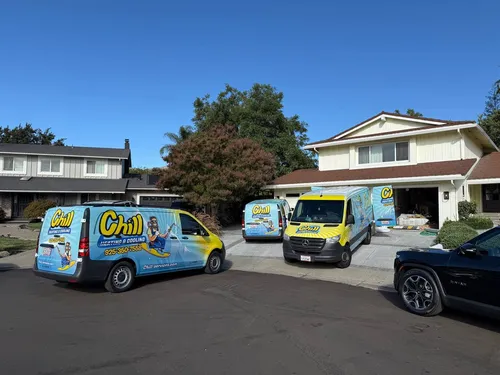
Chill Heating and Cooling is a full-service HVAC company based in Oakland, CA, offering heating and cooling repairs, maintenance, and installations for residential and commercial clients. They provide services including air conditioning, furnace, heat pump, mini split, and thermostat installation and repair. The company is an authorized Carrier dealer and serves the Oakland area with expertise in diagnosing and repairing HVAC systems, as well as installing new units tailored to home or business needs. Chill Heating and Cooling is available for emergency calls and offers same-day service to address urgent heating and cooling issues.
Heating And Air Experts - Affordable HVAC Contractor in Fremont, California
4991 Seneca Park Loop, Fremont, CA 94538
Heating And Air Experts - Affordable HVAC Contractor in Fremont, California provides heating and cooling services in San Jose, CA. They handle installation and repair of air conditioners, furnaces, heat pumps, and boilers. Their work covers both new system setups and emergency repairs to maintain efficient and safe climate control throughout the year.
Elite Comfort Systems
570 Valdry Ct C3, Brentwood, CA 94513
Elite Comfort Systems is a family-owned HVAC company serving Oakland, CA, and the surrounding East Bay area. They provide heating and air conditioning repair and installation services, including heat pump installation and indoor air quality solutions. The company has been serving the community since 2008 and offers 24/7 emergency service to ensure homes remain comfortable year-round. Their technicians focus on quality workmanship and maintain a clean work environment during service visits.
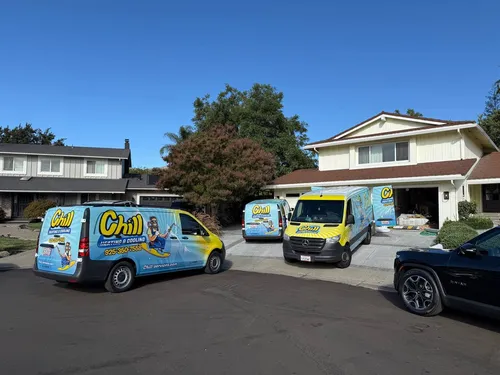
Chill Heating and Cooling
11 Cll Este, Walnut Creek, CA 94597
Chill Heating and Cooling is a full-service HVAC company serving Oakland, CA. They provide expert heating and cooling repairs, maintenance, and installations for residential and commercial customers. Their services include air conditioning, furnace, heat pump, mini split, and thermostat installation and repair. The company is an authorized Carrier dealer and works with major brands such as American Standard and Lennox. They offer emergency service availability and support new construction projects with fast and reliable HVAC system installations. Chill Heating and Cooling emphasizes customer satisfaction and provides professional diagnostics and repairs to maintain comfortable indoor environments year-round.
Fuse service
349 Everett Ave, Palo Alto, CA 94301
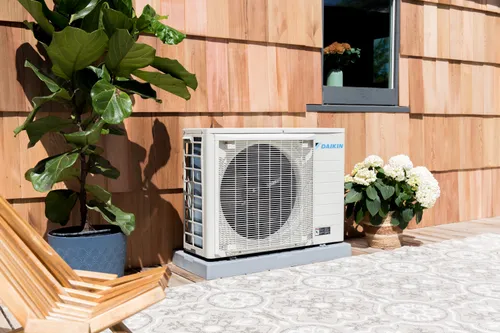
Fuse Service is an HVAC company serving Fremont, CA, offering heating and air conditioning installation, repair, and maintenance. Their services include AC and heat pump repair, furnace installation, and HVAC tune-ups. They also provide refrigeration, electrical, and plumbing services, including hydro jetting and water heater installation. Fuse Service emphasizes licensed and certified technicians, up-to-date training, and offers warranties on parts and labor.
Why Choose a Heat Pump for Your Livermore Home?
Livermore's climate, characterized by mild winters and warm, dry summers, is exceptionally well-suited for heat pump technology. Unlike a traditional furnace that generates heat, a heat pump simply moves existing heat from one place to another-bringing warmth inside during winter and expelling it outside during summer. This process of heat transfer is inherently more energy-efficient than combustion, making a heat pump installation a powerful alternative to a standard gas furnace and air conditioner combo. For residents, this translates to lower utility bills, a reduced carbon footprint, and consistent comfort throughout the year.
Modern systems have overcome the limitations of older models, operating efficiently even during cooler evenings1. By choosing a high-efficiency heat pump, you're not only upgrading your home's HVAC system but also taking advantage of available financial incentives designed to promote energy-efficient home improvements.
Types of Heat Pump Systems
Understanding the different technologies available is the first step in selecting the right system for your home's layout and needs.
Air-Source Heat Pumps (ASHPs)
This is the most common type of residential heat pump in Livermore and across California. An air-source system transfers heat between your home and the outside air. Advancements in technology mean today's ASHPs are highly effective in our mild climate. They can be ducted, utilizing your home's existing air handler and ductwork, or ductless, which is an excellent option for room additions, homes without ducts, or for creating customized comfort zones.
Ductless Mini-Split Heat Pumps
A subset of air-source technology, ductless mini-splits are a fantastic solution for targeted heating and cooling2. They consist of an outdoor compressor unit connected to one or more indoor air-handling units mounted on walls or ceilings. This setup allows for "zoning," where you can control the temperature in individual rooms, leading to hyper-efficient operation and eliminating energy waste in unused spaces. They are a popular choice for home additions, garages, or older homes lacking ductwork.
Geothermal Heat Pumps (Ground-Source)
While less common for typical residential replacements due to higher upfront costs, geothermal systems offer unparalleled efficiency3. They exchange heat with the relatively constant temperature of the earth below the frost line. Although the installation is more invasive and costly, the long-term energy savings can be significant. They are a consideration for properties with adequate land and for homeowners planning a long-term residence.
Understanding Efficiency Ratings: SEER2 and HSPF2
When comparing heat pump options, two key metrics will guide you toward the most efficient and cost-effective model for Livermore.
- SEER2 (Seasonal Energy Efficiency Ratio): This measures cooling efficiency. The higher the SEER2 rating, the more efficient the unit is at cooling your home. In California, a rating of 15 or higher is often required to qualify for federal tax credits.
- HSPF2 (Heating Seasonal Performance Factor): This measures heating efficiency. Look for a high HSPF2 rating to ensure efficient operation during Livermore's winter months. Ratings are generally categorized as:
- Standard Efficiency: HSPF2 8.2 - 8.5
- Good Efficiency: HSPF2 8.6 - 9.0
- High Efficiency: HSPF2 9.1 or higher4
Investing in a unit with high SEER2 and HSPF2 ratings maximizes your energy savings and may increase your eligibility for rebates and incentives.
Cost Considerations and Financial Incentives
The investment in a new heat pump system involves several factors, but it's important to view it through the lens of long-term value.
Typical Installation Costs: For a complete, ducted air-source heat pump system in a Livermore home, homeowners can expect a typical range of $8,500 to $15,0005. The final cost depends heavily on your home's size, the complexity of the installation (e.g., ductwork modifications, electrical upgrades), and the specific efficiency and capacity of the unit you select. Ductless mini-split systems vary based on the number of indoor "heads" installed.
Offsetting the Investment:
- Energy Savings: The primary financial return comes from reduced monthly energy bills. By replacing an older, inefficient furnace and air conditioner with a modern heat pump, many homeowners see a noticeable decrease in their combined heating and cooling costs 6.
- Federal Tax Credits: A significant incentive is the federal residential energy efficiency tax credit. You may be eligible for a credit of up to $2,000 for installing a heat pump that meets specific efficiency requirements, such as a SEER2 rating of 15 or higher7 8.
- Long-Term Value: Beyond utility savings, a high-efficiency heat pump can increase your home's comfort and market appeal.
Find the perfect heat pump installation & replacement contractors for your needs
Get personalized recommendations and expert advice
The Installation Process: What to Expect
A professional installation is critical to achieving the promised efficiency and longevity of your new system. A qualified local provider will typically follow a comprehensive process:
- In-Home Consultation and Load Calculation: A technician will assess your home's layout, insulation, windows, and existing ductwork. They will perform a Manual J calculation to determine the precise heating and cooling capacity (in BTUs) your home needs-ensuring the system is neither undersized nor oversized.
- System Design and Proposal: Based on the assessment, they will recommend a specific system type, model, and configuration tailored to your home and budget, explaining the efficiency ratings and potential savings.
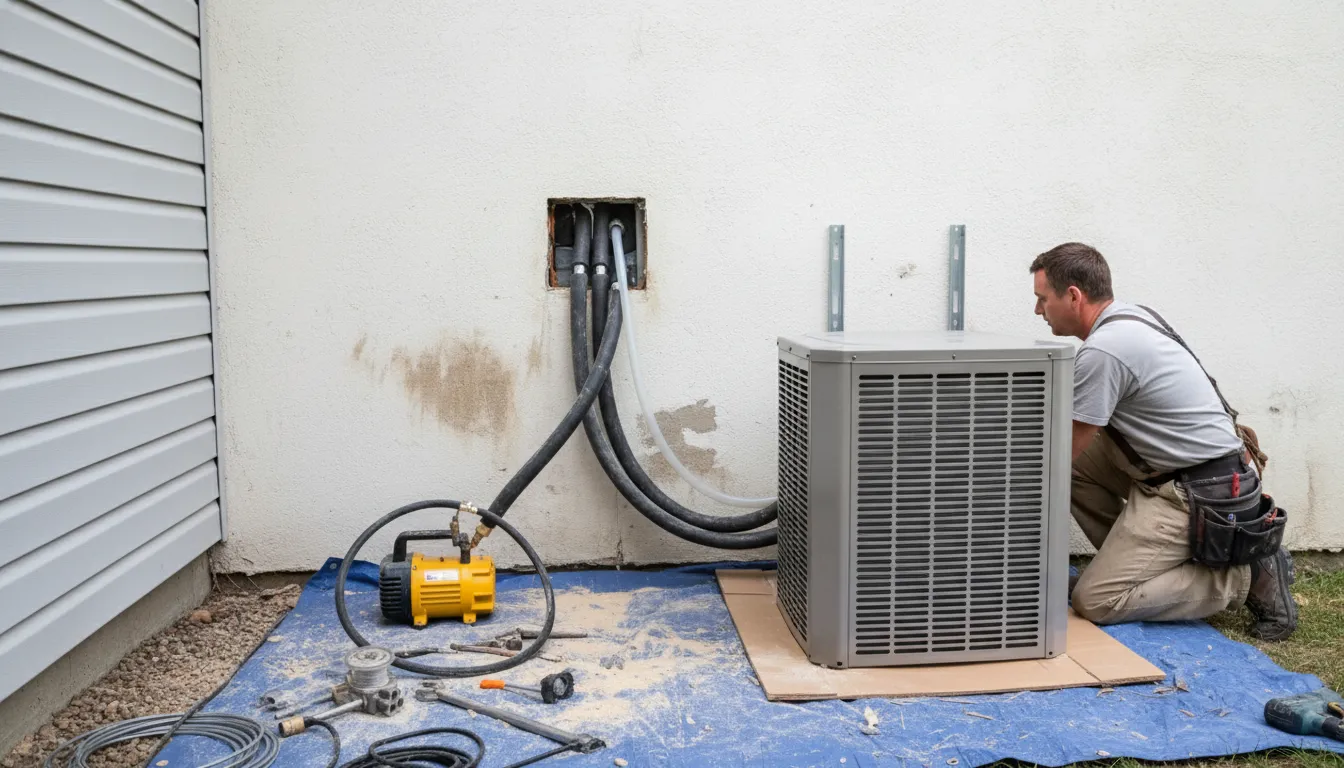
- Professional Installation: This involves safely removing the old equipment, installing the new outdoor condenser and indoor air handler, connecting refrigerant lines and electrical components, and integrating with your thermostat and ductwork. Proper installation is key to system performance.
- Testing and Commissioning: The technician will test the refrigerant charge, airflow, electrical connections, and thermostat operation to ensure everything is working at peak efficiency before explaining basic operation and maintenance to you.
Maintaining Your Heat Pump System
To protect your investment and maintain optimal efficiency, regular maintenance is essential. This includes simple homeowner tasks like keeping the outdoor unit clear of debris, leaves, and snow, and changing the indoor air filter regularly. It is also recommended to schedule a professional maintenance check-up twice a year-typically in the spring before cooling season and in the fall before heating season. A professional service will include cleaning coils, checking refrigerant levels, inspecting electrical components, and ensuring the system is operating safely and efficiently.
Frequently asked questions
Sources
Footnotes
-
HVAC Heat Pump Systems - SCE - https://www.sce.com/factsheet/HVACHeatPumpSystems ↩
-
Best Heat Pump Buying Guide - Consumer Reports - https://www.consumerreports.org/appliances/heat-pumps/buying-guide/ ↩
-
Understanding Heat Pump Efficiency and Ratings - Carrier - https://www.carrier.com/residential/en/us/products/heat-pumps/heat-pump-efficiency/ ↩
-
Heat Pump Installation In Fremont & Livermore, CA | Call Today - https://aisheatingandair.com/heat-pump/installation/ ↩
-
Heat Pump Installation & Repair in Oakland, CA - https://eagleairconditioning.com/heat-pumps/ ↩
-
hvac heat pump systems - SCE - https://www.sce.com/sites/default/files/inline-files/Heat%20Pump%20Overview%20Fact%20Sheet_WCAG.pdf ↩
-
Complete Guide to Heat Pump Installation in CA - https://www.calveyheatingandair.com/blog/heat-pump-installation-california-guide/ ↩
-
Heat Pump Installation Cost California - HVAC - Modernize - https://modernize.com/hvac/heating-repair-installation/heat-pump/california ↩