Find the Best Heat Pump Installation & Replacement Contractors for Your Business
No obligation • Fast responses • Nationwide coverage

Why you can trust HVAC Firms
HVAC Firms is a leading United States resource for evaluating HVAC service providers. Our team researches companies, checks credentials, and reviews customer feedback to present clear, unbiased information. Listings and rankings are based on merit, and companies cannot pay to change our editorial content.
Search providers near you
Top Heat Pump Installation & Replacement Contractors in Azusa, California Ranked
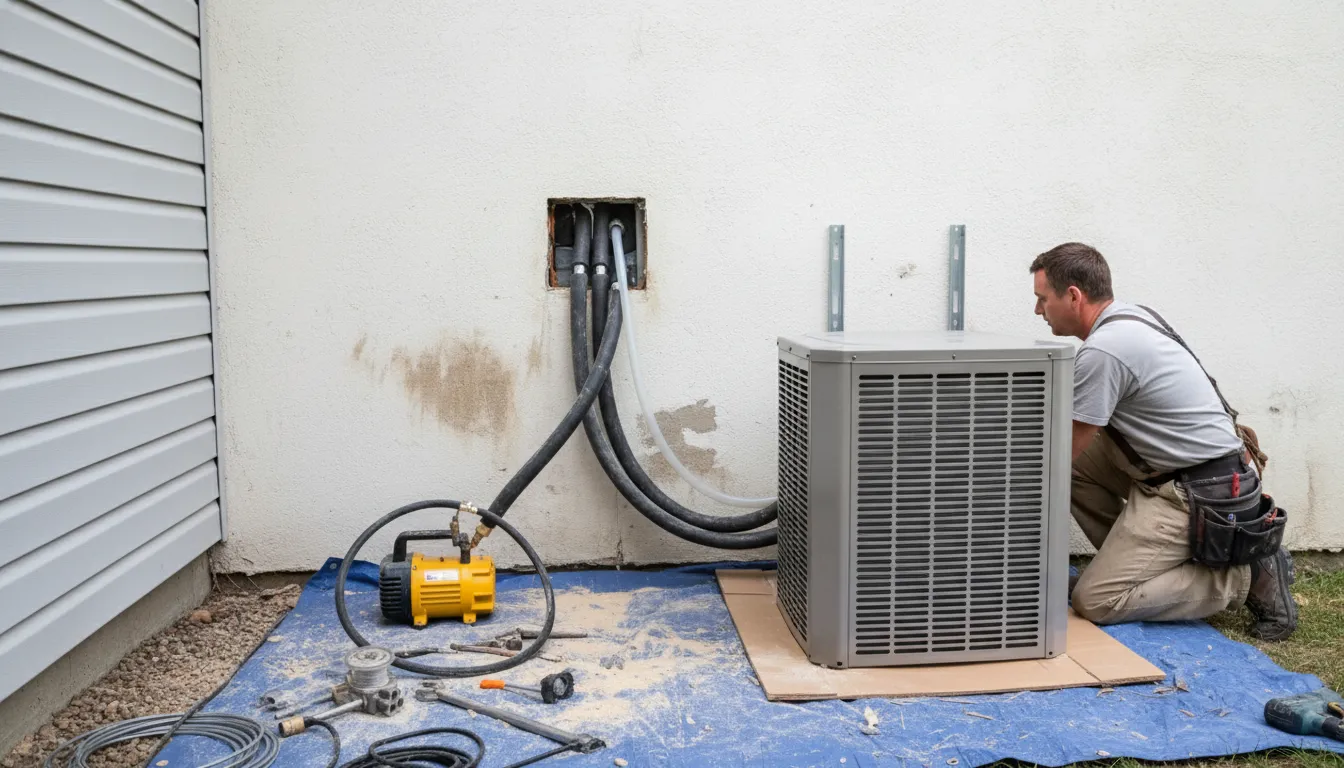
A heat pump is a versatile, all-in-one system that provides both efficient heating and cooling for your home. In Azusa's climate, this technology is an especially smart choice, offering significant energy savings and year-round comfort compared to traditional separate air conditioners and furnaces. This guide will help you understand the types of systems available, their benefits, and key considerations for finding a qualified local professional to handle your installation or replacement project.
Sano Heating & Air Conditioning
5546 E La Palma Ave, Anaheim, CA 92807
Sano Heating & Air Conditioning is an HVAC company based in Anaheim, CA, providing a range of heating and cooling services. They offer repair and installation for air conditioners, furnaces, heat pumps, mini splits, and perform HVAC tune-ups. The company also specializes in indoor air quality solutions and energy-efficient options like ductless and zoned systems. Serving Anaheim and the surrounding Orange County area, they handle new construction projects and have sheet metal capabilities to support their HVAC services.
Comfort Time Plumbing Heating & Cooling
8038 Freestone Ave, Santa Fe Springs, CA 90670
Comfort Time Plumbing Heating & Cooling is a family-owned company based in Los Angeles, CA, providing comprehensive HVAC and plumbing services for homes and businesses. They specialize in the repair and installation of air conditioning, furnaces, heat pumps, boilers, mini splits, and commercial refrigeration systems. Comfort Time Plumbing Heating & Cooling offers same-day service and uses advanced techniques such as trenchless sewer line replacement to address plumbing issues efficiently. Since 2008, they have served the local community with trained technicians who maintain up-to-date certifications and prioritize respect for customers' homes.
Haven Air Conditioning
1450 N Lakeview Ave, Anaheim, CA 92807
Haven Air Conditioning is an HVAC company based in Anaheim, CA, offering a range of services including air conditioning, furnace, heat pump, and mini split installation and repair. They also provide HVAC tune-ups, duct cleaning, and thermostat installation. The company is experienced in handling complex HVAC systems and offers detailed inspections and maintenance advice to improve system efficiency. Customers appreciate their thoroughness and clear communication throughout the service process. Haven Air Conditioning has built a reputation for professional installations and repairs in the Anaheim area.
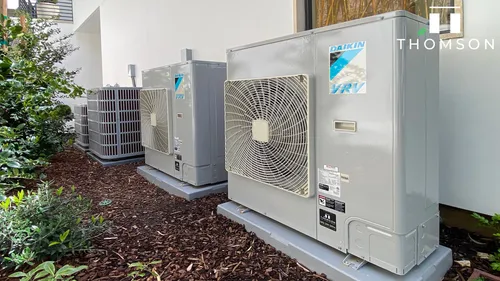
Thomson Air Conditioning & Heating
5731 McFadden Ave A, Huntington Beach, CA 92649
Thomson Air Conditioning & Heating provides HVAC repair, installation, and indoor air quality services in Long Beach, CA. They serve both residential and commercial customers across Southern California, offering solutions for air conditioning, heating, heat pumps, ductless systems, and HVAC tune-ups. Their team includes certified technicians who focus on honest recommendations and reliable workmanship. The company emphasizes transparent service without upselling and guarantees their labor for five years on repairs.
Air Blue HVAC
18707 Vanderlip Ave, Santa Ana, CA 92705
Air Blue HVAC is an HVAC installation contractor based in Long Beach, CA. They specialize in installing heat pumps, air conditioning units, and gas furnaces, serving customers throughout the area. Their services include multi-stage air conditioning systems and dual fuel heat pump installations that combine electric heat pumps with gas furnace options for enhanced efficiency and comfort.
Why a Heat Pump is Ideal for Azusa Homes
Azusa's weather pattern-with mild winters that rarely dip below freezing and hot summers that can exceed 100°F-creates the perfect environment for a heat pump to operate at peak efficiency. Unlike a furnace that generates heat, a heat pump simply moves existing heat from one place to another, making it incredibly energy-efficient. During the summer, it extracts heat from inside your home and releases it outdoors, functioning as an air conditioner. In the winter, the process reverses, pulling ambient heat from the outside air (even when it feels cold) and transferring it indoors.
This dual functionality means you can replace both your aging air conditioner and furnace with a single, streamlined system. Modern units are remarkably efficient, often operating at 300-400% efficiency, meaning they move three to four units of heat for every unit of electricity they consume 1. For Azusa residents, this translates to lower monthly utility bills and a reduced carbon footprint, all while maintaining consistent comfort.
Types of Heat Pump Systems
When considering a new heat pump installation, you'll primarily choose between two main system types: ducted and ductless. The right choice depends on your home's existing infrastructure and your specific comfort goals.
Ducted (Central) Heat Pumps
A ducted system is designed to integrate with your home's existing network of air ducts. It replaces a traditional central air conditioner and furnace, using the same vents and ductwork to distribute conditioned air throughout your entire house. This is often the most straightforward replacement option if you already have a functional forced-air HVAC system. The outdoor unit connects to a central indoor air handler, providing whole-home heating and cooling from a single, powerful system.
Ductless Mini-Split Heat Pumps
Ductless mini-splits are an excellent solution for homes without existing ductwork, for room additions, or for achieving zoned comfort control. The system consists of a compact outdoor condenser unit connected to one or more indoor air-handling units mounted on walls or ceilings. Each indoor unit can be controlled independently, allowing you to heat or cool only the rooms you're using. This "zone control" can lead to additional energy savings and eliminates the energy loss associated with ductwork.
Understanding Efficiency and Performance Ratings
Investing in a high-efficiency heat pump is crucial for maximizing your savings in Azusa. Performance is measured by two key ratings:
- SEER2 (Seasonal Energy Efficiency Ratio): This measures cooling efficiency. The higher the SEER2 rating, the more efficient the unit is at cooling your home. California has stringent minimum standards, but opting for a unit above the minimum will yield better energy savings 2.
- HSPF (Heating Seasonal Performance Factor): This measures heating efficiency. A higher HSPF rating indicates a more efficient heating performance, which is important for those cooler winter nights.
When reviewing quotes from installers, pay close attention to these numbers. While a unit with superior ratings may have a higher upfront cost, the long-term reduction in operating costs can make it the more economical choice over the system's lifespan.
Cost Breakdown for Heat Pump Installation
The total investment for a new heat pump system in Azusa typically ranges from $10,000 to $25,000 or more for a complete air-source heat pump installation 3. Several factors influence where your project falls within this range:
- System Type & Capacity: Ducted systems for larger homes generally cost more than a single-zone ductless mini-split. Proper sizing (calculated via a Manual J load calculation) is critical-an oversized or undersized unit will be inefficient and costly.
- Equipment Efficiency: Higher SEER2 and HSPF models command a premium.
- Installation Complexity: The cost includes equipment, professional labor, electrical work, refrigerant line sets, permits, and system commissioning. Jobs that require new electrical circuits, extensive duct modifications, or complex mounting can increase the price 4 5 6.
- Number of Zones: For ductless systems, each additional indoor air handler adds to the total cost.
It's important to view this cost as an investment that includes both the equipment and the expertise for a proper, code-compliant installation that will perform reliably for years.
Find the perfect heat pump installation & replacement contractors for your needs
Get personalized recommendations and expert advice
Financial Incentives and Rebates
One of the most compelling reasons to install a heat pump in California now is the significant financial assistance available. These incentives can dramatically reduce your net cost, making a high-efficiency heat pump competitive with or even cheaper than a traditional HVAC replacement.
- Federal Tax Credits: The Inflation Reduction Act (IRA) offers a tax credit of up to 30% of the project cost (with specific annual limits) for qualifying heat pump installations 7 8. This credit is applied directly to your federal income tax liability.
- State and Local Rebates: California's TECH Clean California program provides point-of-sale rebates for installing heat pumps, particularly for low- and middle-income households. These rebates are administered through participating contractors and can lower your upfront payment substantially. Always check with your installer or the program website for the most current rebate amounts and eligibility requirements 9.
When combined, these incentives can bring the effective cost of a new system down by thousands of dollars, improving the return on investment through ongoing energy bill savings 10 11.
Choosing the Right Professional for the Job
A successful heat pump installation hinges on proper sizing and expert installation. Here are key steps to finding a qualified professional in the Azusa area:
- Get Multiple Estimates: Obtain detailed written quotes from at least three licensed, insured, and experienced HVAC contractors who specialize in heat pumps.
- Verify Credentials: Ensure the contractor holds an active C-20 (Warm-Air Heating, Ventilating and Air-Conditioning) license from the California Contractors State License Board.
- Request a Load Calculation: A reputable contractor will perform a Manual J calculation to determine the precise heating and cooling needs of your home-they should not simply recommend the same size as your old unit.
- Review the Quote in Detail: The estimate should clearly list all equipment by model number (so you can verify efficiency ratings), a breakdown of labor and materials, and a clear outline of what work is included (e.g., disposal of old equipment, electrical upgrades, permit pulling).
- Ask About Incentives: A knowledgeable installer will be well-versed in the current federal tax credits and state rebates like TECH Clean California and can help guide you through the application process.
Frequently asked questions
Sources
Footnotes
-
Heat Pump Installation Cost California - HVAC - Modernize - https://modernize.com/hvac/heating-repair-installation/heat-pump/california ↩
-
Heat Pump vs. Central AC: What's Better for California Homes? - https://airandplumbing.com/heat-pump-vs-central-ac-whats-better-for-california-homes/ ↩
-
Heat Pumps vs. Traditional HVAC: Which is Right for Orange ... - https://www.jmartiniaq.com/blog/heat-pumps-vs-traditional-hvac-which-is-right-for-orange-county ↩
-
Understanding New Heating System Costs In Southern California - https://www.callwiseowl.com/blog/understanding-new-heating-system-costs-in-southern-california/ ↩
-
Cost to Add HVAC to Your House in 2025 - Power Pro Plumbing - https://www.powerproplumbing.com/blog/cost-to-add-hvac-to-house ↩
-
New HVAC System Cost Calculator: Get a Custom Estimate in 2026 - https://modernize.com/hvac/cost-calculator ↩
-
Heat Pumps in California: Everything You Need to Know - https://www.quitcarbon.com/blog/heat-pumps/california ↩
-
New Heat Pump Installation Costs in Southern California - https://www.callwiseowl.com/blog/new-heat-pump-installation-costs-in-southern-california/ ↩
-
Heat Pump Installation Guide for California Homes - 2025 - https://bakerhomeenergy.com/kc/heat-pump-installation-bk/ ↩
-
Heat Pumps Can Lower Energy Bills for Californians Today - RMI - https://rmi.org/heat-pumps-can-lower-energy-bills-for-californians-today/ ↩
-
Heat Pump vs. Furnace: Which is Truly Cheaper for a Bay Area Home? - https://bayareaclimatecontrol.com/blog/heat-pump-vs-furnace-cost-comparison/ ↩