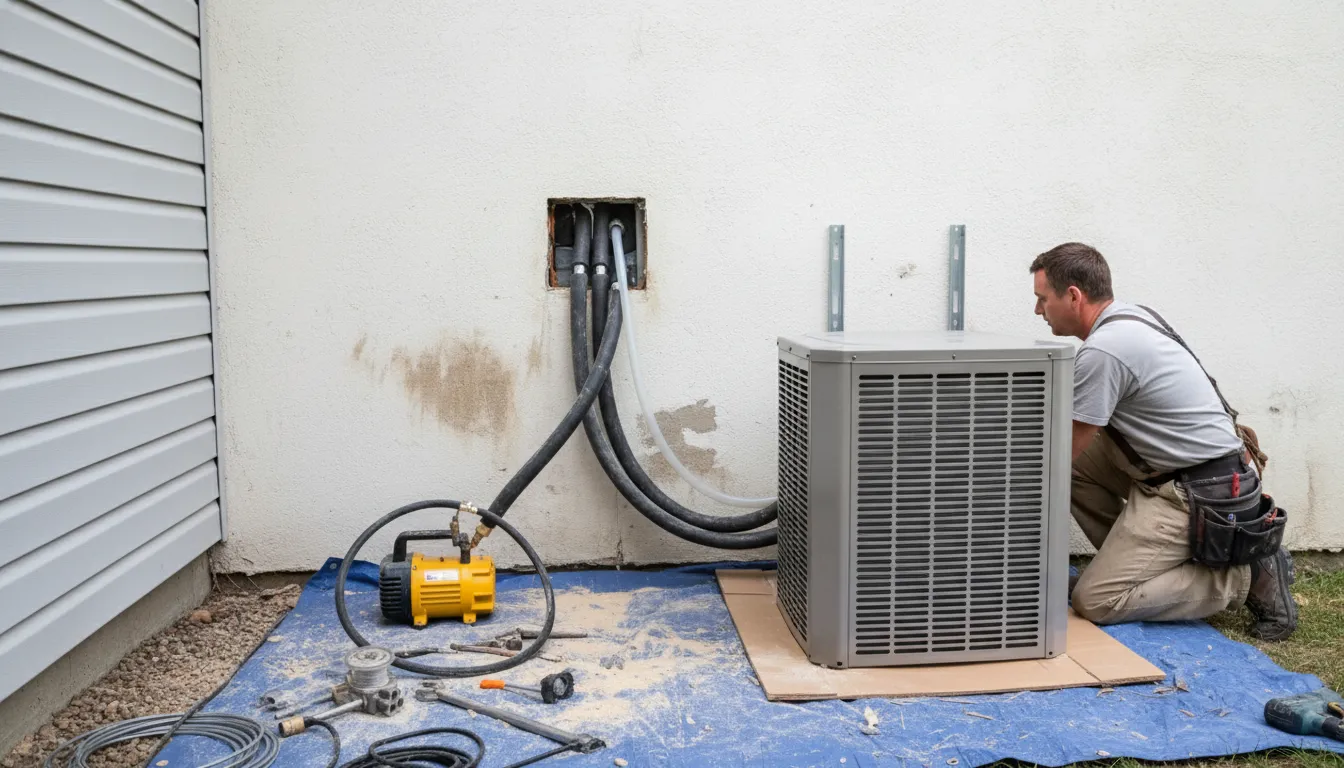
Find the Best Heat Pump Installation & Replacement Contractors for Your Business
No obligation • Fast responses • Nationwide coverage

Why you can trust HVAC Firms
HVAC Firms is a leading United States resource for evaluating HVAC service providers. Our team researches companies, checks credentials, and reviews customer feedback to present clear, unbiased information. Listings and rankings are based on merit, and companies cannot pay to change our editorial content.
Search providers near you
Top Heat Pump Installation & Replacement Contractors in Buckeye, Arizona Ranked
Upgrading your home's heating and cooling system with a heat pump is a smart investment for comfort and efficiency, especially in Buckeye's climate. These versatile systems provide both cooling and heating from a single unit, offering significant energy savings compared to traditional air conditioners and furnaces. This guide will help you understand the types of systems available, key considerations for our local weather, and how to navigate the process of selecting and installing the right heat pump for your home.
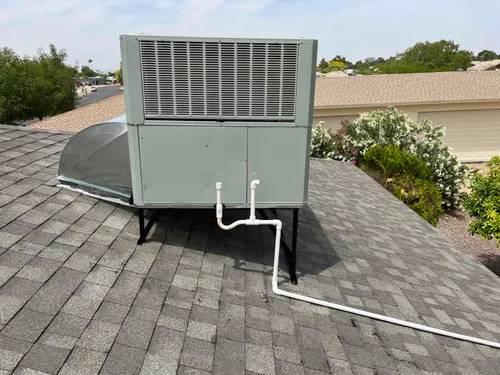
Mario Bros Heating & Cooling
1705 117th Dr, Avondale, AZ 85323
Mario Bros Heating & Cooling provides heating and air conditioning installation, maintenance, and repair services in Glendale, AZ. Their NATE-certified and factory-trained technicians handle furnace, heat pump, and air conditioning systems for both residential and commercial customers. The company offers HVAC tune-ups as well as new construction and replacement installations. Their team stays current with ongoing training to ensure knowledgeable service across a range of HVAC technologies.
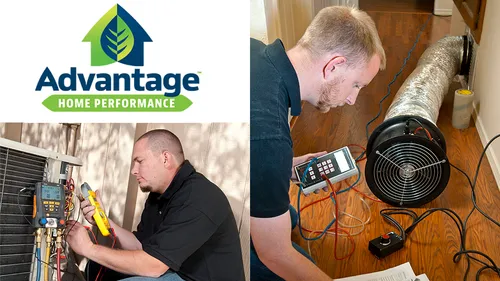
Advantage Home Performance Inc.
5212 N 43rd Ave, Glendale, AZ 85301
Advantage Home Performance Inc. is a heat pump installation contractor based in Phoenix, AZ. The company specializes in installing energy-efficient heat pumps and improving home performance through services like air sealing, duct sealing, and insulation. They have experience working on projects that qualify for local energy rebate programs, demonstrating their capability in energy-efficient home upgrades.
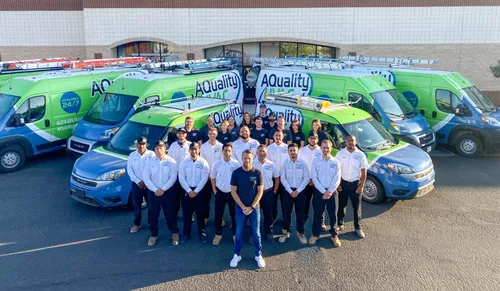
A Quality HVAC and Plumbing Services LLC
520 N Bullard Ave #43, Goodyear, AZ 85338
A Quality HVAC and Plumbing Services LLC is a family-owned business serving Phoenix, AZ, with over 25 years of experience. They provide installation, repair, and replacement services for air conditioning, heating, heat pumps, and indoor air quality systems. The company employs certified technicians trained in all major brands and offers 24/7 availability for their services.

Autumn Air Heating & Cooling
12409 W Indian School Rd Suite C307, Avondale, AZ 85392
Autumn Air Heating & Cooling is a family-owned HVAC company serving Glendale, AZ. They provide a full range of heating and cooling services including air conditioning repair, furnace and heat pump installation, HVAC tune-ups, duct cleaning, thermostat installation, and indoor air quality solutions. Their technicians are experienced in optimizing system performance for Arizona's extreme climate, focusing on energy efficiency and reliable operation. The company has over 20 years of experience, with leadership in the industry since 1994. They also offer 24/7 emergency service to address urgent heating and cooling needs.

Reddi Services
12268 92nd Dr, Peoria, AZ 85381
Reddi Services is a family-owned and operated company serving Glendale, AZ, and the surrounding Phoenix Metro area. Since 1957, they have provided full-service plumbing, drain cleaning, and HVAC solutions including air conditioning, furnace, and heat pump repair and installation. Their licensed and insured technicians offer comprehensive heating and cooling services, including maintenance plans and 24/7 emergency support without after-hours fees. Reddi Services is known for their expertise in both residential and commercial HVAC systems, ensuring reliable comfort year-round.
Why Choose a Heat Pump for Your Buckeye Home?
Heat pumps are exceptionally well-suited for the Buckeye area. Unlike standard air conditioners that only cool, a heat pump can reverse its operation to provide efficient heating during our mild winters. This dual functionality makes them a cost-effective, all-in-one HVAC solution. For residents, this means potentially lower annual energy bills and a reduced carbon footprint, as heat pumps transfer heat rather than generate it through combustion. Modern high-efficiency models are specifically engineered to perform reliably even during our intense summer heat waves.
Understanding Heat Pump Types
Selecting the right type of system is the first critical step. The primary options available for Buckeye homeowners include:
Air-Source Heat Pumps This is the most common and cost-effective type for our region. They transfer heat between your home and the outdoor air. Today's advanced variable-speed air-source systems are ideal for Arizona's climate, offering precise temperature control, quieter operation, and superior energy efficiency, particularly during long cooling seasons.
Ductless Mini-Split Systems These systems are perfect for homes without existing ductwork, for room additions, or for targeting specific zones in your home. A mini-split consists of an outdoor compressor unit connected to one or more indoor air handlers. They offer excellent efficiency and flexible installation options 1.
Geothermal (Ground-Source) Heat Pumps While less common due to higher upfront costs, geothermal systems are the pinnacle of efficiency. They exchange heat with the relatively constant temperature of the earth below the surface. This makes them incredibly efficient year-round but requires significant excavation for underground loop installation, representing a major long-term investment 2.
Efficiency Ratings: What SEER2 Means for You
Efficiency is measured by the Seasonal Energy Efficiency Ratio 2 (SEER2) for cooling and the Heating Seasonal Performance Factor 2 (HSPF2) for heating. In a hot climate like Buckeye's, the SEER2 rating is paramount.
- Standard Efficiency (Approx. 14.3 SEER2): These units have a lower purchase price but result in higher monthly utility bills. They may struggle to maintain comfort efficiently during peak summer heat.
- Mid-Range Efficiency (15-18 SEER2): A balanced option offering improved performance and energy savings over standard models.
- High-Efficiency (20+ SEER2): This is the recommended range for Buckeye homes. While the initial cost is higher, high-efficiency, variable-speed heat pumps provide maximum energy savings, superior humidity control, and the robust cooling capacity needed to handle extreme summer temperatures comfortably 3.
Climate Considerations for Buckeye Installations
Buckeye's desert climate presents unique challenges that must guide your heat pump selection:
- Extreme Summer Heat: The system's primary job is to cool your home effectively for many months. Sizing and selecting a unit with a high SEER2 rating (20+) and sufficient cooling capacity (measured in tons) is non-negotiable for performance and longevity.
- Mild Winters: Our heating needs are modest, which is where heat pumps truly shine. They provide heat more efficiently than electric furnaces or resistance heating. Proper sizing ensures the system meets your winter needs without being oversized for summer.
A professional HVAC contractor will perform a Manual J load calculation, which is an essential step. This calculation considers your home's square footage, insulation, window types, orientation, and local climate data to determine the precise system size you need-never rely on square footage rules of thumb.
Find the perfect heat pump installation & replacement contractors for your needs
Get personalized recommendations and expert advice
Factors Influencing Heat Pump Installation Cost
The total cost for a new heat pump system in Buckeye can vary widely based on several interconnected factors. Understanding these will help you interpret estimates from local providers.
System Size and Capacity Larger homes require systems with greater capacity, measured in tons. For example, a typical 2,000-square-foot home in Buckeye will likely need a 3 to 4-ton system. An undersized unit will run constantly and fail to cool your home, while an oversized unit will short-cycle, leading to humidity issues and wear.
Efficiency Rating As discussed, opting for a higher SEER2 rating increases the initial equipment cost but provides long-term savings on your SRP or APS electric bills. The premium for a 20+ SEER2 unit is an investment in future comfort and lower operating costs 4 5.
Equipment Brand and Features Premium brands and models with advanced features like variable-speed compressors, smart thermostat compatibility, and enhanced sound-dampening technology will cost more than basic builder-grade models.
Installation Labor and Complexity This is a significant portion of the total cost. Factors include:
- Ductwork Modifications: If your existing ducts need sealing, resizing, or replacement.
- Electrical Work: Upgrading electrical service or wiring for the new unit.
- Permits: Local building permits required for the installation.
- Removal/Disposal: Hauling away the old HVAC equipment 6 7.
Overview of Investment Ranges
While every home is unique, here are general cost ranges for a full, professionally installed heat pump system in Buckeye:
- Basic/Standard System (14-16 SEER2): $6,500 - $13,000+
- High-Efficiency System (20+ SEER2): $13,000 - $17,000+ (for larger or premium variable-speed systems)
- Geothermal System: Can exceed $20,000+ due to ground loop installation8 9 10 11.
These figures represent a complete installation. Always ensure your quotes are detailed and include all equipment, labor, materials, permits, and warranty information.
The Professional Installation Process
A proper installation is just as important as the equipment you choose. A reputable local provider will typically follow these steps:
- In-Home Consultation and Load Calculation: A technician assesses your home and performs the essential Manual J calculation.
- System Design and Proposal: They present options, explain efficiencies, and provide a detailed written estimate.
- Preparation: This includes securing permits, preparing the installation site, and ensuring all materials are on hand.
- Installation Day: Professional removal of old equipment, installation of new indoor and outdoor units, connection to electrical and refrigerant lines, and integration with ductwork or thermostat.
- Testing and Commissioning: The system is started, tested for proper operation, refrigerant charge is verified, and airflow is balanced. The homeowner receives a walkthrough on system operation.
Choosing a licensed, insured, and experienced contractor with strong local references is crucial for ensuring this process goes smoothly and your system performs at its peak efficiency for years to come.
Frequently asked questions
Sources
Footnotes
-
Heat Pump Price Guides - https://heatpumppriceguides.com/ ↩
-
Top 10 Home Heating Systems for Arizona Homes - https://www.parkerandsons.com/blog/top-10-home-heating-systems-for-arizona-homes ↩
-
Energy-Efficient HVAC Systems for Arizona Homes - https://forbesrefrigeration.com/blog/hvac-systems-for-arizona-homes/ ↩
-
Heat Pump Installation in Buckeye, AZ - https://cloud9coolheat.com/heat-pump-installation-in-buckeye-az/ ↩
-
How Much Does Heat Pump Installation Cost? - https://www.rivervalleyac.com/how-much-does-heat-pump-installation-cost/ ↩
-
New HVAC System Cost in Phoenix, Arizona | Wolfgangs - https://wolfgangscooling.com/air-conditioning-ac/the-true-cost-of-a-new-hvac-system-in-arizona/ ↩
-
2026 Heat Pumps Installation Cost Guide: Types, Sizes and Brands - https://modernize.com/hvac/heating-repair-installation/heat-pump ↩
-
AC Replacement Cost in Arizona: What to Expect in 2025 - https://azhomeservices.group/ac-replacement-cost-in-arizona-what-to-expect-in-2025/ ↩
-
Heat Pump Cost Analysis: What To Expect & How It's Determined - https://clinesairconditioning.com/heat-pump-cost/ ↩
-
2025 Heat Pump Replacement Costs - What Homeowners Can ... - https://heatpumppriceguides.com/heat-pump-replacement-costs-this-year/ ↩
-
2026 Heat Pump Cost Guide: Purchase, Installation & Repair - https://www.carrier.com/residential/en/us/products/heat-pumps/how-much-does-a-heat-pump-cost/ ↩