Find the Best Geothermal Heat Pump Contractors for Your Business
No obligation • Fast responses • Nationwide coverage

Why you can trust HVAC Firms
HVAC Firms is a leading United States resource for evaluating HVAC service providers. Our team researches companies, checks credentials, and reviews customer feedback to present clear, unbiased information. Listings and rankings are based on merit, and companies cannot pay to change our editorial content.
Search providers near you
Top Geothermal Heat Pump Contractors in Woonsocket, Rhode Island Ranked
Geothermal heat pumps, also known as ground-source heat pumps, are a highly efficient method for heating and cooling your Woonsocket home by leveraging the stable temperature of the earth. This technology matters because it can dramatically reduce your energy bills and environmental impact while providing reliable comfort year-round. If you're considering this upgrade, understanding the local installation process, costs, and benefits is the first step toward finding a qualified provider for your property.
Massachusetts Geothermal
8 Grove St, Medfield, MA 02052
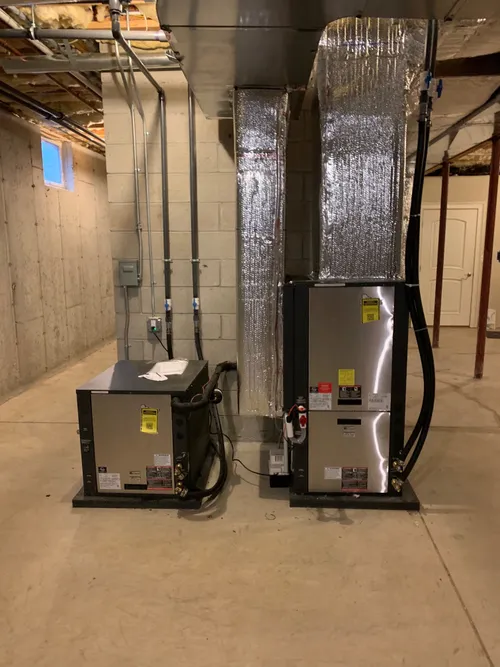
Massachusetts Geothermal is a geothermal heat pump contractor based in Boston, MA. They specialize in installing and servicing geothermal heat pump systems, offering energy-efficient heating and cooling solutions. The company is connected with industry organizations such as the International Ground Source Heat Pump Association and the Geothermal Exchange Organization, reflecting their involvement in the geothermal community.
ATCO HVAC
43 Lyman Rd, Milton, MA 02186
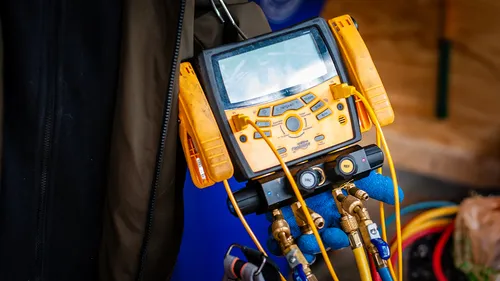
ATCO HVAC is a heating and air conditioning company serving Boston, MA, and nearby communities. They provide installation, repair, and maintenance services for a range of HVAC systems including air conditioners, furnaces, heat pumps, boilers, mini splits, and geothermal heat pumps. The company also offers indoor air quality products and HVAC tune-ups to help maintain system efficiency. As a licensed contractor and dealer for Trane® and Bryant, ATCO HVAC has the expertise and equipment to handle all brands and system types. They provide emergency service and offer service agreements to support ongoing system performance.
How Geothermal Systems Work in Woonsocket
The principle behind a geothermal heating and cooling system is elegantly simple. Just a few feet below the surface, the earth in Rhode Island maintains a nearly constant temperature between 45°F and 75°F year-round, regardless of the summer heat or winter chill above ground 1. A geothermal system uses this stable thermal energy as a renewable resource.
Here's the basic cycle:
- Heating in Winter: A fluid (typically water mixed with environmentally safe antifreeze) circulates through a loop of pipes buried in your yard, absorbing the earth's inherent warmth. This warmed fluid returns to an indoor heat pump unit, which concentrates the heat and distributes it through your home's ductwork or radiant floor system.
- Cooling in Summer: The process reverses. The system extracts heat and humidity from your indoor air and transfers it into the fluid in the ground loops. The now-cooled fluid cycles back to absorb more heat, effectively rejecting your home's unwanted heat into the cooler earth 2.
This exchange process is what makes ground-source heat pumps so efficient. Instead of creating heat by burning fuel, they move existing heat from one place to another, requiring significantly less electricity.
Types of Ground Loop Systems
The buried pipe network, called the ground loop, is the heart of the system. The right type for your Woonsocket property depends on your land availability, soil composition, and budget. Local installers will conduct a detailed site assessment to determine the best option.
Horizontal Closed Loops
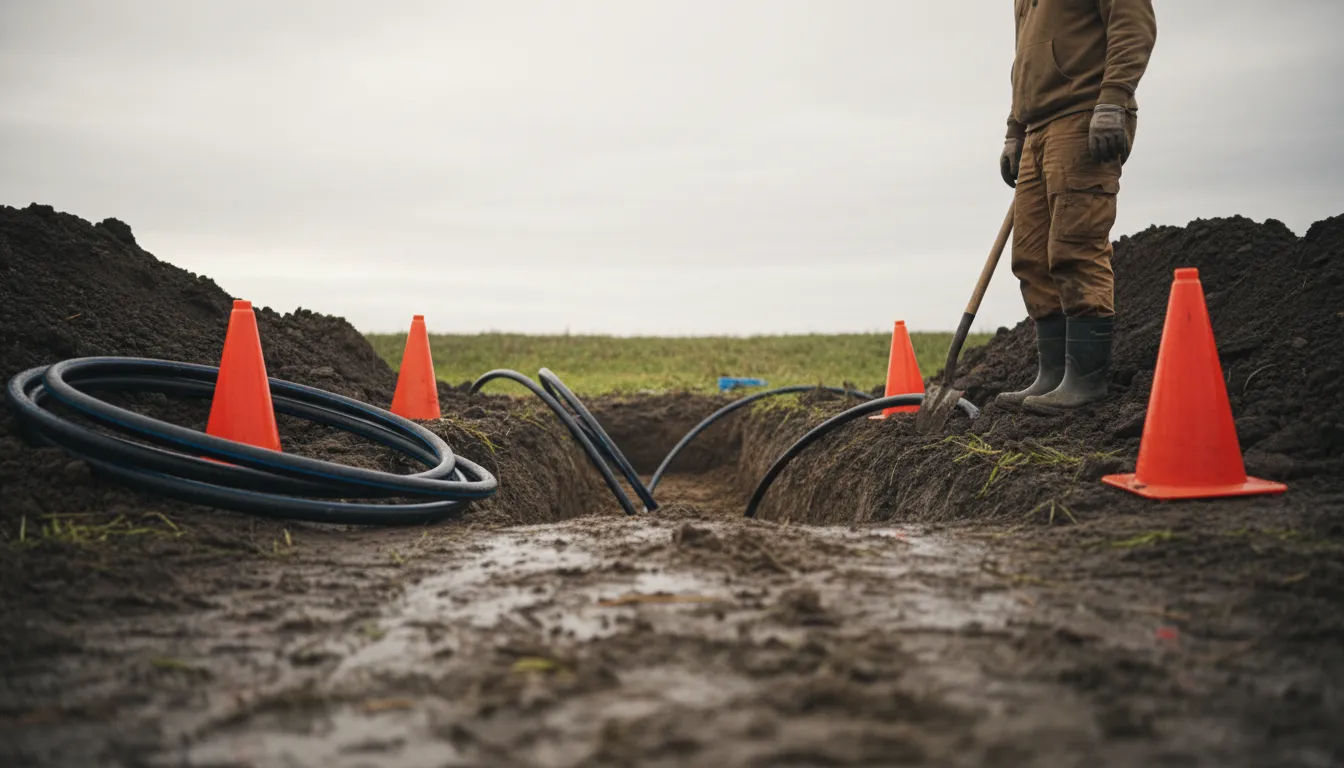
This is the most common and often most cost-effective configuration for properties with sufficient yard space. Installers dig trenches about six feet deep and lay pipes in a series of parallel lines or slinky coils. A typical horizontal loop field for an average home requires between 1,500 to 2,500 square feet of open land 3. This method is less invasive than drilling and is ideal for new construction or properties with ample, clear land.
Vertical Closed Loops
For homes in Woonsocket with smaller lots, rocky soil, or existing mature landscaping that you wish to preserve, vertical loops are the preferred solution. Installers use a drilling rig to bore holes 150 to 400 feet deep. U-shaped pipes are inserted into each borehole, which are then filled with a special grout to ensure good thermal contact with the earth 4. While drilling costs more per foot, it minimizes surface disruption and requires less horizontal space.
Pond or Lake Loops
If your property has access to a sufficiently deep and large pond or lake, this can be the lowest-cost installation option. Coils of pipe are submerged at the bottom of the water body, which acts as an excellent heat source and sink 5. This method avoids extensive digging or drilling but is entirely dependent on water access and quality.
What to Expect During Installation
Installing a geothermal system is a significant project that requires professional expertise. Here's a step-by-step overview of the typical process for a Woonsocket home:
- Site Evaluation: A qualified installer will assess your property's geology, soil conditions, lot size, and existing heating/cooling distribution system (ductwork or hydronic). This determines the feasibility, loop type, and system sizing 6.
- Loop Installation: For a horizontal system, a backhoe digs the trench network. For a vertical system, a drilling rig creates the boreholes. High-density polyethylene (HDPE) pipe is then laid in the trenches or inserted into the boreholes, connected into a continuous loop, and pressure-tested.
- Connection and Backfilling: The loop is connected to the pipe that leads into your home. Horizontal trenches are carefully backfilled, while vertical boreholes are grouted. Proper backfilling and grouting are critical for long-term performance and heat transfer 7.
- Indoor Unit Installation: The geothermal heat pump unit-which is compact and quiet-is installed in your basement, utility closet, or garage. It is connected to the ground loop and to your home's existing ductwork or radiant heating piping.
- System Startup and Restoration: The system is filled with fluid, purged of air, and started. The installer will test and balance the entire system. Finally, your yard is restored; grass over trenches typically grows back fully within a season.
Find the perfect geothermal heat pump contractors for your needs
Get personalized recommendations and expert advice
Benefits and Financial Considerations for Homeowners
Switching to a geothermal system is a long-term investment in your home's comfort, efficiency, and value.
Significant Energy Savings
The primary draw of a ground-source heat pump is its remarkable efficiency. Homeowners can expect to save 30% to 60% on heating costs and 20% to 50% on cooling costs compared to conventional systems like furnaces and standard air conditioners 8. These savings can substantially offset the higher upfront cost over time.
Understanding Costs and Payback
For a typical 2,000 square foot home in Woonsocket, the total installed cost for a complete geothermal system often ranges between $20,000 and $40,0009 10. This wide range accounts for the loop type (vertical being more expensive than horizontal), system size, property characteristics, and the complexity of connecting to your home's distribution system.
While the initial price is higher than a traditional HVAC system, the payback period is shortened by:
- Lower Operating Costs: Dramatically reduced monthly energy bills.
- Federal Tax Incentives: Significant federal tax credits are often available for installing qualified geothermal heat pump systems, which can directly reduce your tax liability 11.
- Potential State & Local Incentives: Rhode Island's Office of Energy Resources promotes ground-source heat pumps and may offer rebates or other incentives; it's essential to check for current programs 12.
- Exceptional Longevity: The underground loop system is incredibly durable, with a lifespan often exceeding 50 years. The indoor heat pump unit typically lasts 20 to 25 years-much longer than a standard furnace or air conditioner 13.
Environmental Impact
By using renewable thermal energy from the ground and electricity (which in New England is increasingly from renewable sources), a geothermal system drastically reduces your home's carbon footprint. It eliminates on-site combustion of fossil fuels, meaning no carbon monoxide risk and no greenhouse gas emissions from your property.
Choosing the Right System and Provider
Selecting a geothermal system isn't a one-size-fits-all decision. Key factors include:
- Accurate Sizing: An undersized system won't keep you comfortable; an oversized system will cycle on and off too frequently, reducing efficiency and comfort. A proper Manual J load calculation is essential.
- Heat Pump Quality: Look for units with high coefficients of performance (COP) for heating and high energy efficiency ratios (EER) for cooling.
- Distribution Compatibility: Ensure your chosen installer can expertly integrate the new heat pump with your existing ductwork, or design a new duct or hydronic system if needed.
The most critical step is choosing an experienced, certified installer. Look for contractors with specific training and a proven track record in geothermal installations. They should be able to explain the process clearly, provide detailed proposals, and offer references from local projects.
Frequently asked questions
Sources
Footnotes
-
How a Geothermal Heat Pump Works | This Old House - https://www.youtube.com/watch?v=d5Tbsx3R2T8 ↩
-
How Geothermal Heat Pumps Work - https://www.youtube.com/watch?v=XxlTnBukweI&t=37 ↩
-
Geothermal Heat Pump Installation: What To Expect For Your ... - https://jomory.com/geothermal-heat-pump-installation-what-to-expect-for-your-property/ ↩
-
Geothermal Heat Pumps: How They Work | AHRI - https://www.ahrinet.org/scholarships-education/education/homeowners/how-things-work/geothermal-heat-pumps-how-they-work ↩
-
Geothermal Heat Pumps - Department of Energy - https://www.energy.gov/energysaver/geothermal-heat-pumps ↩
-
All You Need to Know About Home Geothermal Heating & ... - https://dandelionenergy.com/all-you-need-to-know-about-home-geothermal-heating-cooling ↩
-
How Do Geothermal Systems Work for Residential Homes? - https://www.davisheat.com/blog/how-do-geothermal-systems-work-for-residential-homes/ ↩
-
5 Things You Should Know about Geothermal Heat Pumps - https://www.energy.gov/cmei/articles/5-things-you-should-know-about-geothermal-heat-pumps ↩
-
Geothermal Heat Pumps: Installation by Beacon Mechanical - https://beaconmechanicalservice.com/geothermal-heat-pump/ ↩
-
Geothermal Heat Pump Guide: Installation Costs, Types And Benefits - https://modernize.com/hvac/heating-repair-installation/heat-pump/geothermal ↩
-
How to Choose the Right System for Your Home - Morrison Inc. - https://morrisongeothermal.com/how-to-choose-the-right-system-for-your-home/ ↩
-
Ground-Source Heat Pumps | Rhode Island Office of Energy Resources - https://energy.ri.gov/heating-cooling/renewables/ground-source-heat-pumps-geothermal ↩
-
Guide to Geothermal Heat Pumps - https://www.energy.gov/sites/prod/files/guide_to_geothermal_heat_pumps.pdf ↩