
Find the Best Geothermal Heat Pump Contractors for Your Business
No obligation • Fast responses • Nationwide coverage

Why you can trust HVAC Firms
HVAC Firms is a leading United States resource for evaluating HVAC service providers. Our team researches companies, checks credentials, and reviews customer feedback to present clear, unbiased information. Listings and rankings are based on merit, and companies cannot pay to change our editorial content.
Search providers near you
Top Geothermal Heat Pump Contractors in Pawtucket, Rhode Island Ranked
A geothermal heat pump is a highly efficient heating and cooling system that uses the Earth's stable underground temperature to regulate your home's climate. For Pawtucket residents, this technology offers a powerful way to reduce energy bills and environmental impact. This guide explains how these systems work, what installation entails, and how you can find qualified local professionals to assess your property.
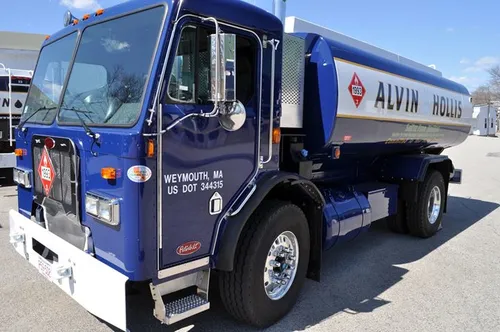
Alvin Hollis
1 Hollis St, South Weymouth, MA 02190
Alvin Hollis is a full-service energy company serving Boston, MA, and the South Shore area. They provide installation, repair, and maintenance for heating and cooling systems including air conditioners, furnaces, heat pumps, mini splits, and geothermal heat pumps. The company also offers indoor air quality services and delivers traditional and sulfur-free heating oil blended with biodegradable materials. Established in 1871, Alvin Hollis has a long history of supporting homes and businesses with energy solutions such as solar power and geothermal energy.
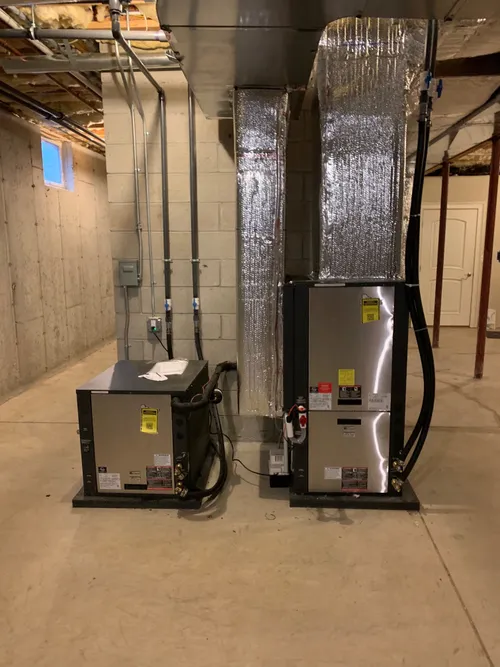
Massachusetts Geothermal
8 Grove St, Medfield, MA 02052
Massachusetts Geothermal is a geothermal heat pump contractor based in Boston, MA. They specialize in installing and servicing geothermal heat pump systems, offering energy-efficient heating and cooling solutions. The company is connected with industry organizations such as the International Ground Source Heat Pump Association and the Geothermal Exchange Organization, reflecting their involvement in the geothermal community.
How Geothermal Heating and Cooling Works
Unlike conventional systems that burn fuel or exchange heat with the outside air, a ground-source heat pump leverages the consistent thermal energy stored just below the Earth's surface. A few feet down, the ground maintains a relatively stable temperature of approximately 50-60°F year-round, regardless of Rhode Island's seasonal weather swings.
The process involves three key stages:
- Heat Exchange: A sealed loop of pipe, buried in your yard, circulates a water-based solution. In winter, this fluid absorbs heat from the warmer ground. In summer, the system reverses, drawing excess heat from your home and rejecting it into the cooler earth.
- Heat Pump Action: The fluid travels to an indoor unit containing a heat pump. This device uses a refrigeration cycle to concentrate the collected thermal energy, raising it to a temperature suitable for heating your home. For cooling, it works in reverse, extracting heat from your indoor air.
- Distribution: The conditioned air is then distributed throughout your home via your existing ductwork or a separate air handler, providing even and comfortable heating or cooling.
This elegant process is why geothermal systems are exceptionally efficient, often using one unit of electricity to move three to five units of heating or cooling energy, leading to significant utility savings.
Types of Ground Loop Systems for Pawtucket Homes
The buried pipe system, or ground loop, is the heart of the installation. The right type for your Pawtucket property depends primarily on the available land and soil composition.
Horizontal Closed Loops This is often the most cost-effective option if you have sufficient yard space. Trenchers dig trenches four to six feet deep, and pipes are laid in a series of parallel loops before the trenches are backfilled 1 2. This method requires a larger, clear area of land but typically involves lower excavation costs compared to drilling.
Vertical Closed Loops For homes with smaller lots, which is common in many Pawtucket neighborhoods, vertical loops are the standard solution. A drilling rig bores deep holes, typically 150 to 400 feet down 3. U-shaped pipe loops are inserted into each borehole, which are then grouted. This method minimizes surface disruption and can offer higher performance due to deeper, more stable ground temperatures, though the drilling process increases the upfront cost 4.
A professional installer will conduct a detailed site assessment to determine soil thermal properties, groundwater levels, and available space to recommend the optimal loop configuration for your home's heating and cooling loads.
The Installation Process: What to Expect
Installing a geothermal system is a significant project that requires expert planning and execution. Understanding the steps can help you prepare.
- Comprehensive Site Evaluation: A qualified installer will survey your property, assess soil and rock conditions, evaluate your home's existing ductwork and insulation, and perform a detailed heating/cooling load calculation. This ensures the system is correctly sized for maximum efficiency and comfort 5.
- Loop Field Installation: For a horizontal system, this involves trenching machinery. For a vertical system, a drill rig will be brought to your property. This phase is the most disruptive part of the project but is usually completed within a few days 6.
- Indoor Unit Installation: The geothermal heat pump unit, which is typically about the size of a small furnace, is installed in your basement, utility room, or garage. It is connected to the ground loop and your home's ductwork or hydronic distribution system 7.
- System Connection and Testing: The loop is pressure-tested and filled. The indoor unit is connected to electrical service, and the entire system is charged and commissioned. A thorough test ensures all components are operating safely and efficiently.
Proper installation by an IGSHPA-accredited professional is critical to system performance and longevity. It's a complex process that integrates excavation, plumbing, HVAC, and electrical work.
Find the perfect geothermal heat pump contractors for your needs
Get personalized recommendations and expert advice
Costs, Savings, and Return on Investment
The decision to install a geothermal system is a long-term investment in your home's comfort and efficiency. Here's a breakdown of the financial considerations.
Upfront Installation Costs For a typical single-family home in Pawtucket, a complete geothermal heat pump system installation generally ranges from $20,000 to $40,000 or more 8. The final cost depends heavily on:
- The type of ground loop (vertical drilling is more expensive than horizontal trenching).
- The size and heating/cooling demands of your home.
- The condition of existing ductwork.
- Soil conditions and accessibility on your property.
Long-Term Energy Savings This is where geothermal systems shine. By leveraging the Earth's free thermal energy, they can reduce energy consumption for heating and cooling by 30% to 60% compared to conventional systems like standard air-source heat pumps or fossil fuel furnaces 9 10. For a Pawtucket homeowner, this can translate to saving hundreds of dollars annually on utility bills, with the savings offsetting the higher initial cost over time 11.
Understanding the Payback Period and Incentives The return on investment (ROI) comes from reduced monthly bills and increased property value. The payback period varies but is significantly improved by available financial incentives. It's essential to research current federal tax credits for residential energy efficiency, as well as any state-specific rebates or incentives offered through Rhode Island Energy or the Rhode Island Office of Energy Resources 12 13. These incentives can reduce your net cost by thousands of dollars, accelerating your ROI.
Benefits Beyond Bill Savings
While cost savings are a major driver, the advantages of a ground-source heat pump extend further:
- Durability and Longevity: The underground loop piping often carries warranties of 25-50 years and can last generations. The indoor heat pump unit typically lasts 20+ years, significantly longer than the average outdoor condenser of an air-source system.
- Quiet and Discreet Operation: With no loud outdoor fan unit, the system operates very quietly. The only visible component is a small, unobtrusive above-ground connection point for the loop, called a manifold.
- Improved Comfort: Geothermal systems provide exceptionally even heating and cooling without drafts or cold spots. They also excel at dehumidifying the air in summer more effectively than standard air conditioners 14.
- Reduced Carbon Footprint: By drastically cutting electricity or fossil fuel consumption for climate control, you are directly reducing your household's greenhouse gas emissions, making it one of the cleanest heating and cooling options available.
Is a Geothermal System Right for Your Pawtucket Home?
A geothermal heat pump can be an excellent choice for many, but not all, properties. Ideal candidates often include:
- Homes with sufficient yard space for horizontal loops or smaller lots suitable for vertical drilling.
- Owners planning to stay in their home long enough to realize the full financial return.
- Homes currently using expensive heating fuels like propane, oil, or electric resistance heat, where the savings will be most dramatic.
- Those interested in a holistic approach to reducing their energy use and environmental impact.
The critical first step is a professional consultation. A reputable local installer can provide a realistic assessment of costs, savings, and feasibility tailored to your specific home and needs.
Frequently asked questions
Sources
Footnotes
-
Geothermal Heating and Cooling - Open Energy Information - https://openei.org/wiki/GeoBridge/Heating_and_Cooling ↩
-
Geothermal Heat Pump Installation: What To Expect For Your Property - https://jomory.com/geothermal-heat-pump-installation-what-to-expect-for-your-property/ ↩
-
Geothermal Heat Pumps - Department of Energy - https://www.energy.gov/energysaver/geothermal-heat-pumps ↩
-
How Does A Geothermal Heat Pump Work? Complete 2025 Guide - https://solartechonline.com/blog/how-does-geothermal-heat-pump-work/ ↩
-
5 Things You Should Know about Geothermal Heat Pumps - https://www.energy.gov/cmei/articles/5-things-you-should-know-about-geothermal-heat-pumps ↩
-
How a Geothermal Heat Pump Works | This Old House - https://www.youtube.com/watch?v=d5Tbsx3R2T8 ↩
-
How Geothermal Heat Pumps Work - https://www.youtube.com/watch?v=XxlTnBukweI&t=37 ↩
-
Geothermal Heat Pump Guide: Installation Costs, Types And Benefits - https://modernize.com/hvac/heating-repair-installation/heat-pump/geothermal ↩
-
Geothermal Heat Pumps | National Grid - https://www.nationalgridus.com/geothermal-energy-hub/About/Geothermal-Heat-Pumps ↩
-
Geothermal Heat Pumps: Installation by Beacon Mechanical - https://beaconmechanicalservice.com/geothermal-heat-pump/ ↩
-
Clean Energy 101: Geothermal Heat Pumps - RMI - https://rmi.org/clean-energy-101-geothermal-heat-pumps/ ↩
-
Ground-Source Heat Pumps | Rhode Island Office of Energy Resources - https://energy.ri.gov/heating-cooling/renewables/ground-source-heat-pumps-geothermal ↩
-
Guide to Geothermal Heat Pumps - https://www.energy.gov/sites/prod/files/guide_to_geothermal_heat_pumps.pdf ↩
-
All You Need to Know About Home Geothermal Heating & ... - https://dandelionenergy.com/all-you-need-to-know-about-home-geothermal-heating-cooling ↩