
Find the Best Geothermal Heat Pump Contractors for Your Business
No obligation • Fast responses • Nationwide coverage

Why you can trust HVAC Firms
HVAC Firms is a leading United States resource for evaluating HVAC service providers. Our team researches companies, checks credentials, and reviews customer feedback to present clear, unbiased information. Listings and rankings are based on merit, and companies cannot pay to change our editorial content.
Search providers near you
Top Geothermal Heat Pump Contractors in Sparks, Nevada Ranked
Geothermal heat pumps, also known as ground-source heat pumps, are a highly efficient technology for heating and cooling your home by leveraging the Earth's stable underground temperature. For Sparks residents, this system offers a way to significantly reduce energy bills and environmental impact while providing consistent comfort year-round. This guide explains how geothermal works, what to expect from installation, and how you can connect with qualified local experts to explore this option for your property.
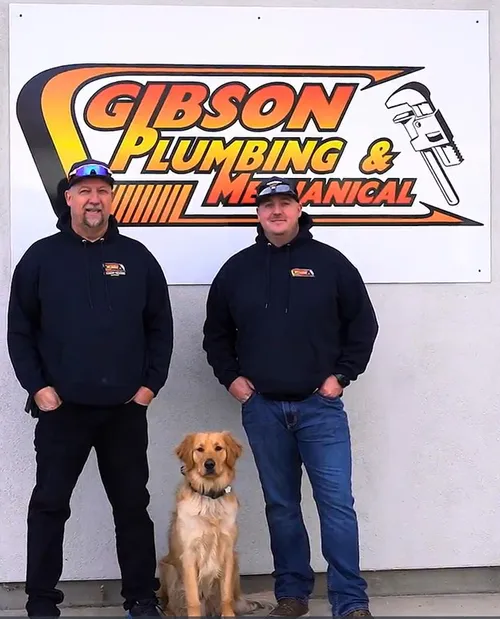
Gibson Plumbing & Mechanical, Inc.
61 Glen Carran Cir, Sparks, NV 89431
Gibson Plumbing & Mechanical, Inc. is a plumbing and HVAC company serving Reno, NV, and the greater Reno-Sparks area. Established in 2000, the company offers a range of heating and cooling services, including repair, installation, and maintenance of furnaces, boilers, geothermal systems, and air conditioning units. They also provide plumbing services such as tankless water heater installation and sewer service. Gibson Plumbing & Mechanical emphasizes clear communication and flexible appointments to meet customer needs.
Leslie Heating & Hydronics
13112 Timber Ridge Rd, Truckee, CA 96161
Leslie Heating & Hydronics is a heating and cooling contractor serving Reno, NV, with over 30 years of experience. They specialize in the installation and repair of high efficiency forced air systems, boilers, furnaces, heat pumps, and radiant heating systems. The company also offers indoor air quality solutions, including air filtration and humidifying systems, and installs advanced internet and phone call-up controls for residential and commercial properties. Leslie Heating & Hydronics works on new construction and remodel projects to ensure heating, cooling, and ventilation systems meet project requirements on time and within budget.
Southwest Heating
Truckee, CA 96160
Southwest Heating is a family-owned HVAC company based near Reno, NV, with over 20 years of experience serving the Truckee/Tahoe area. The business specializes in heating and cooling services, including repair and installation of air conditioners, furnaces, heat pumps, boilers, mini splits, and geothermal heat pumps. Dave, the founder, brings extensive knowledge of all heating and cooling systems and is training his son Alex to continue the business. They provide expert analysis and service for a wide range of HVAC equipment.
How Geothermal Heating and Cooling Works
Unlike traditional air-source heat pumps that exchange heat with the outside air, a geothermal system uses the ground as its heat source in winter and heat sink in summer. Just a few feet below the surface, the Earth maintains a remarkably stable temperature, typically between 40°F and 70°F in our region, regardless of the weather above ground 1. A geothermal heat pump capitalizes on this constant temperature to provide ultra-efficient climate control.
The core of the system is a loop of pipe, called the ground loop, buried in your yard. A water-based solution circulates through this loop. In the heating mode, this fluid absorbs the Earth's natural warmth. The heat pump then concentrates this low-grade heat and transfers it to your home's air (via ductwork) or water (via a hydronic system) for distribution 2. In the cooling mode, the process reverses: the system extracts heat from your home and transfers it into the cooler ground loop fluid, which then dissipates the heat into the Earth 3 4. This process is so efficient because the heat pump is moving heat rather than generating it through combustion, and it's working with a much more favorable temperature source than the scorching summer or freezing winter air.
Types of Ground Loop Systems for Sparks Properties
The design of the underground loop field is a critical decision in your geothermal project. The right choice depends heavily on your property's characteristics, such as lot size, soil composition, and local geology. Here are the primary configurations used in the Sparks area:
Horizontal Closed Loops: This is often the most cost-effective installation method if you have sufficient land. Contractors dig trenches four to six feet deep and several hundred feet long in which they lay loops of pipe 5. This approach requires a larger, open area but generally has a lower upfront cost than vertical drilling.
Vertical Closed Loops: For homes with smaller lots, which is common in many Sparks neighborhoods, vertical loops are the ideal solution. Installers use a drilling rig to bore holes 100 to 400 feet deep 6 7. U-shaped pipes are inserted into these boreholes, which are then grouted. This method minimizes landscape disturbance and is excellent for dense residential areas, though the drilling equipment can increase the initial cost 8.
Pond/Lake Loops (Open Loop): If your property has access to a sufficient pond or well, an open-loop system can be an option. This configuration pumps water from the source, runs it through the heat pump to exchange heat, and then discharges it back to a second well or the body of water 9. This method requires specific water quality and quantity and is subject to local regulations.
The Installation Process: What to Expect
Installing a ground-source heat pump is a significant project that requires specialized expertise. Understanding the steps involved can help you prepare and choose the right contractor.
- Site Assessment and Design: A qualified geothermal professional will visit your property to evaluate soil conditions, lot size, and your home's heating and cooling loads. This assessment determines the optimal loop type and size for maximum efficiency.
- Ground Loop Installation: This is the major excavation phase. For a horizontal system, a backhoe will dig the necessary trenches. For a vertical system, a drilling rig will be brought in to create the boreholes. The high-density polyethylene pipe is then placed and connected into a continuous loop.
- Heat Pump and Indoor Unit Installation: The indoor heat pump unit, which is about the size of a small refrigerator, is typically installed in a garage, basement, or utility closet. It connects to the ground loop and to your home's distribution system.
- Distribution System Connection: The heat pump must be connected to your home's existing ductwork for forced-air systems or to piping for radiant floor heating (a hydronic system).
- System Startup and Commissioning: Once everything is connected, the contractor will fill the loop with fluid, purge air from the system, and start it up. They will test and balance the entire system to ensure it operates at peak performance.
Find the perfect geothermal heat pump contractors for your needs
Get personalized recommendations and expert advice
Costs, Savings, and Long-Term Value in Sparks
The decision to invest in a geothermal system involves weighing higher upfront costs against substantial long-term savings and environmental benefits.
Understanding the Investment: A complete geothermal heating and cooling system for an average home in Sparks typically ranges from $20,000 to over $40,000. The wide range depends on your home's size, the chosen loop type (vertical drilling is more expensive than horizontal trenching), and the condition of your existing ductwork. While this initial cost is higher than a standard furnace and air conditioner, it's important to view it as a long-term investment in your home's efficiency and comfort.
Calculating the Payback and Savings: The primary financial benefit comes from dramatically lower operating costs. Geothermal heat pumps can reduce energy consumption for heating and cooling by up to 65% compared to conventional systems 10 11. Given Sparks' climate with hot summers and cold winters, these savings can be significant. For many homeowners, the savings on utility bills result in a payback period of 5 to 10 years12 13. After that, the continued savings go directly into your pocket. Furthermore, these systems are incredibly durable: the indoor heat pump unit often lasts 20-25 years, while the underground piping can last 50 years or more with virtually no maintenance 11 13.
Environmental Impact: By using renewable thermal energy from the ground and electricity (which is increasingly sourced from renewables), a ground-source heat pump drastically reduces your home's carbon footprint. It eliminates on-site fossil fuel combustion, making it a clean heating and cooling solution.
Is a Geothermal System Right for Your Home?
Geothermal technology is a fantastic fit for many, but not all, properties. It's an excellent choice if you are planning a new home build, as the loop field can be integrated into the site plan seamlessly. It's also a smart investment if you are replacing an old, inefficient HVAC system and plan to stay in your home long enough to realize the financial payback. Homeowners with larger utility bills due to poor insulation or old equipment will see the fastest return on investment.
For homes with very small lots, vertical drilling makes geothermal possible where it once wasn't. The key is to work with a certified installer who can provide an honest assessment of your property's suitability and a detailed analysis of projected costs and savings.
Frequently asked questions
Sources
Footnotes
-
Geothermal Heating & Cooling - Department of Energy - https://www.energy.gov/eere/geothermal/geothermal-heating-cooling ↩
-
Geothermal (Ground Source) Heat Pumps - NY.gov - https://cleanheat.ny.gov/geothermal-heat-pumps/ ↩
-
How a Geothermal Heat Pump Works | This Old House - https://www.youtube.com/watch?v=d5Tbsx3R2T8 ↩
-
How Geothermal Heat Pumps Work - https://www.youtube.com/watch?v=XxlTnBukweI&t=37 ↩
-
FAQs • What types of ground-source heat pumps and configurat - https://concordma.gov/FAQ.aspx?QID=484 ↩
-
How Do Geothermal Systems Work for Residential Homes? - https://www.davisheat.com/blog/how-do-geothermal-systems-work-for-residential-homes/ ↩
-
Geothermal Heating, Cooling, and Hot Water Systems - https://igshpa.org/wp-content/uploads/Homeowners-Guide-to-Geothermal.pdf ↩
-
How Does A Geothermal Heat Pump Work? Complete 2025 Guide - https://solartechonline.com/blog/how-does-geothermal-heat-pump-work/ ↩
-
8 Types Of Heating Systems For Your Home - https://thefurnaceoutlet.com/blogs/hvac-tips/8-types-of-heating-systems-for-your-home ↩
-
5 Things You Should Know about Geothermal Heat Pumps - https://www.energy.gov/cmei/articles/5-things-you-should-know-about-geothermal-heat-pumps ↩
-
Guide to Geothermal Heat Pumps - https://www.energy.gov/sites/prod/files/guide_to_geothermal_heat_pumps.pdf ↩ ↩2
-
Geothermal Heat Pumps - Department of Energy - https://www.energy.gov/energysaver/geothermal-heat-pumps ↩
-
Geothermal Heat Pump Guide: Installation Costs, Types And Benefits - https://modernize.com/hvac/heating-repair-installation/heat-pump/geothermal ↩ ↩2