
Find the Best Geothermal Heat Pump Contractors for Your Business
No obligation • Fast responses • Nationwide coverage

Why you can trust HVAC Firms
HVAC Firms is a leading United States resource for evaluating HVAC service providers. Our team researches companies, checks credentials, and reviews customer feedback to present clear, unbiased information. Listings and rankings are based on merit, and companies cannot pay to change our editorial content.
Search providers near you
Top Geothermal Heat Pump Contractors in Reno, Nevada Ranked
A geothermal heat pump, also known as a ground-source heat pump, is a highly efficient system for heating and cooling your home by leveraging the earth's stable underground temperature. For Reno residents, this technology offers a powerful way to cut energy costs while enjoying consistent, quiet comfort year-round. This guide explains how these systems work, what installation entails, and how you can find qualified local professionals to assess your property for this sustainable upgrade.
Lund Mechanical
Reno, NV
Lund Mechanical is an HVAC company based in Reno, NV, offering residential and commercial heating and cooling services. They provide repair, installation, and maintenance for air conditioners, furnaces, heat pumps, boilers, mini split systems, and geothermal heating solutions. The company emphasizes honest service without unnecessary upselling and has experience working with complex systems like Variable Refrigerant Flow (VRF) and combination boilers. Founded by Brian Lund, who has deep local roots and years of experience, Lund Mechanical is committed to clear communication and practical solutions for home comfort needs.
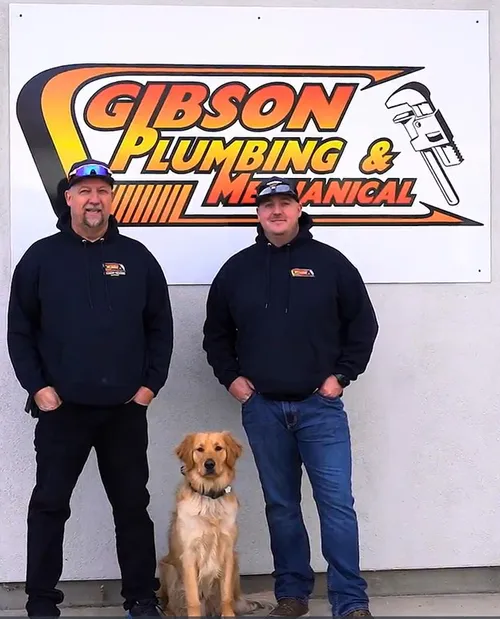
Gibson Plumbing & Mechanical, Inc.
61 Glen Carran Cir, Sparks, NV 89431
Gibson Plumbing & Mechanical, Inc. is a plumbing and HVAC company serving Reno, NV, and the greater Reno-Sparks area. Established in 2000, the company offers a range of heating and cooling services, including repair, installation, and maintenance of furnaces, boilers, geothermal systems, and air conditioning units. They also provide plumbing services such as tankless water heater installation and sewer service. Gibson Plumbing & Mechanical emphasizes clear communication and flexible appointments to meet customer needs.
Leslie Heating & Hydronics
13112 Timber Ridge Rd, Truckee, CA 96161
Leslie Heating & Hydronics is a heating and cooling contractor serving Reno, NV, with over 30 years of experience. They specialize in the installation and repair of high efficiency forced air systems, boilers, furnaces, heat pumps, and radiant heating systems. The company also offers indoor air quality solutions, including air filtration and humidifying systems, and installs advanced internet and phone call-up controls for residential and commercial properties. Leslie Heating & Hydronics works on new construction and remodel projects to ensure heating, cooling, and ventilation systems meet project requirements on time and within budget.
Southwest Heating
Truckee, CA 96160
Southwest Heating is a family-owned HVAC company based near Reno, NV, with over 20 years of experience serving the Truckee/Tahoe area. The business specializes in heating and cooling services, including repair and installation of air conditioners, furnaces, heat pumps, boilers, mini splits, and geothermal heat pumps. Dave, the founder, brings extensive knowledge of all heating and cooling systems and is training his son Alex to continue the business. They provide expert analysis and service for a wide range of HVAC equipment.
How Geothermal Systems Work in Reno's Climate
The core principle of a geothermal heating and cooling system is simple: it uses the earth as a constant temperature battery. Just a few feet below the surface, the ground near Reno maintains a remarkably stable temperature of around 50°F year-round, regardless of summer heat or winter chill. A geothermal system, or ground-source heat pump, exchanges heat with this constant reservoir.
During the winter, a fluid circulating through underground pipes, called a ground loop, absorbs the earth's natural warmth. This warmed fluid is brought to an indoor heat pump unit, which concentrates the heat and distributes it as warm air through your home's ductwork 1. In the summer, the process reverses: the system extracts heat from your home and transfers it into the cooler ground, providing efficient air conditioning 2. This elegant exchange is what makes geothermal technology several times more efficient than traditional furnaces and air conditioners.
Types of Ground Loop Systems
The underground portion of the system, the ground loop, is the most critical installation component. The right type for your Reno property depends on your land availability, soil conditions, and budget.
Horizontal Closed Loops This is often the most cost-effective option if space allows. Contractors dig trenches six feet deep in your yard, lay piping in a series of loops, and backfill the area. A typical horizontal loop field requires 1,500 to 2,500 square feet of usable land 3. While this method involves significant excavation, the landscape can be restored once the pipes are buried.
Vertical Closed Loops For properties with limited yard space, such as many urban lots in Reno, vertical loops are the ideal solution. A drilling rig creates boreholes 150 to 400 feet deep, and U-shaped pipes are inserted into each hole 4. This method minimizes surface disruption but involves more specialized drilling equipment and can have a higher upfront cost due to the drilling depth.
Pond or Lake Loops If your property has a suitable, year-round water body, this can be the lowest-cost loop option. Coils of pipe are submerged at the bottom of the pond or lake, using the water as a heat exchange medium 5 6. This eliminates the need for extensive digging or drilling, but it requires specific site conditions to be feasible.
What to Expect During Installation
Installing a geothermal HVAC system is a significant project that requires careful planning and skilled professionals. Understanding the process can help you prepare.
Site Evaluation and Design A qualified installer will first conduct a thorough assessment of your property. This includes evaluating soil composition, available space, and your home's heating and cooling loads. This information is used to design the most efficient and cost-effective loop system and select the correctly sized heat pump unit.
The Installation Process For a horizontal system, expect heavy equipment like backhoes to trench your yard. For a vertical system, a drilling rig will be on site for one or more days. The indoor installation involves removing your old furnace and/or air conditioner and placing the new geothermal heat pump unit, which connects to your existing ductwork or hydronic system 7 8. The entire process requires coordination between excavation, plumbing, and HVAC trades.
Landscape Recovery A common concern is the disruption to landscaping. While a horizontal installation will temporarily leave your yard looking rough, it can be fully restored with grass, gardens, or hardscaping once the loop is pressure-tested and backfilled. Vertical systems leave a much smaller surface footprint, often just a few well caps in inconspicuous locations.
Find the perfect geothermal heat pump contractors for your needs
Get personalized recommendations and expert advice
The Financial and Comfort Benefits
The decision to invest in a geothermal system is driven by its compelling long-term benefits, which are particularly attractive in Reno's climate.
Substantial Energy Savings This is the most significant advantage. Geothermal heat pumps are exceptionally efficient, often delivering three to five units of heating or cooling for every one unit of electricity they consume 9 10. This can translate to savings of up to 65% on your heating and cooling energy bills compared to conventional systems 11 12. The higher efficiency directly offsets the system's initial cost over time.
Long-Term Reliability and Comfort The indoor components of a geothermal system are protected from the elements and have a long lifespan, typically 20 years or more. The underground loop is even more durable, often carrying warranties of 25 to 50 years and potentially lasting for generations. Homeowners also enjoy superior comfort with even temperatures, reduced drafts, and incredibly quiet operation, as there is no noisy outdoor condenser unit.
Financial Incentives The federal government offers a tax credit for the installation of qualified geothermal heat pump systems, which can significantly reduce the net cost 13. It's also wise to check with local Nevada utilities like NV Energy for any available rebates or special financing options for energy-efficient upgrades, which can improve the return on investment.
Is a Geothermal System Right for Your Home?
Geothermal energy systems are an excellent choice for homeowners planning to stay in their homes long enough to reap the long-term savings. They are ideal for new construction, where the loop cost can be integrated into the mortgage, or for major renovations where the HVAC system is being replaced. The best way to determine suitability is to consult with a certified geothermal contractor in Reno who can provide a detailed site analysis and cost-benefit projection based on your specific home and energy usage.
Frequently asked questions
Sources
Footnotes
-
How a Geothermal Heat Pump Works | This Old House - https://www.youtube.com/watch?v=d5Tbsx3R2T8 ↩
-
Geothermal (Ground Source) Heat Pumps - NY.gov - https://cleanheat.ny.gov/geothermal-heat-pumps/ ↩
-
Geothermal heating & cooling, heat pumps, heat exchange ... - https://aztechgeo.com/residential-geothermal/how-it-works/ ↩
-
Geothermal Heat Pump Installation: What To Expect For Your ... - https://jomory.com/geothermal-heat-pump-installation-what-to-expect-for-your-property/ ↩
-
Geothermal Heat Pumps - Department of Energy - https://www.energy.gov/energysaver/geothermal-heat-pumps ↩
-
How Do Geothermal Systems Work for Residential Homes? - https://www.davisheat.com/blog/how-do-geothermal-systems-work-for-residential-homes/ ↩
-
Clean Energy 101: Geothermal Heat Pumps - RMI - https://rmi.org/clean-energy-101-geothermal-heat-pumps/ ↩
-
FAQs • What types of ground-source heat pumps and configurat - https://concordma.gov/FAQ.aspx?QID=484 ↩
-
Geothermal Heating and Cooling - Open Energy Information - https://openei.org/wiki/GeoBridge/Heating_and_Cooling ↩
-
Guide to Geothermal Heat Pumps - https://www.energy.gov/sites/prod/files/guide_to_geothermal_heat_pumps.pdf ↩
-
5 Things You Should Know about Geothermal Heat Pumps - https://www.energy.gov/cmei/articles/5-things-you-should-know-about-geothermal-heat-pumps ↩
-
Geothermal Heat Pump Guide: Installation Costs, Types And Benefits - https://modernize.com/hvac/heating-repair-installation/heat-pump/geothermal ↩
-
How Does A Geothermal Heat Pump Work? Complete 2025 Guide - https://solartechonline.com/blog/how-does-geothermal-heat-pump-work/ ↩