
Find the Best Geothermal Heat Pump Contractors for Your Business
No obligation • Fast responses • Nationwide coverage

Why you can trust HVAC Firms
HVAC Firms is a leading United States resource for evaluating HVAC service providers. Our team researches companies, checks credentials, and reviews customer feedback to present clear, unbiased information. Listings and rankings are based on merit, and companies cannot pay to change our editorial content.
Search providers near you
Top Geothermal Heat Pump Contractors in Southaven, Mississippi Ranked
A geothermal heat pump, also known as a ground-source heat pump, is a highly efficient system that uses the earth's stable temperature to heat and cool your home. This technology matters because it can dramatically reduce your energy bills and environmental footprint while providing reliable comfort year-round. If you're considering this upgrade for your Southaven property, understanding the local options for installation and service is the first step toward harnessing the earth's natural energy.
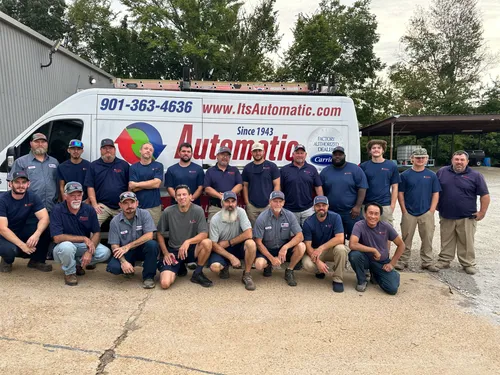
Automatic Air Conditioning, Heating, Plumbing & Electric
3470 Tchulahoma Rd, Memphis, TN 38118
Automatic Air Conditioning, Heating, Plumbing & Electric has been serving Memphis, TN, and the surrounding areas since 1943. The company offers a wide range of services including HVAC installation, repair, and maintenance, as well as plumbing and electrical work. They are experienced in handling air conditioning, furnace, boiler, and geothermal heat pump systems, and provide 24/7 emergency service for HVAC, plumbing, and electrical needs. As a long-standing Carrier partner since 1956, they install locally manufactured units and support the local economy.
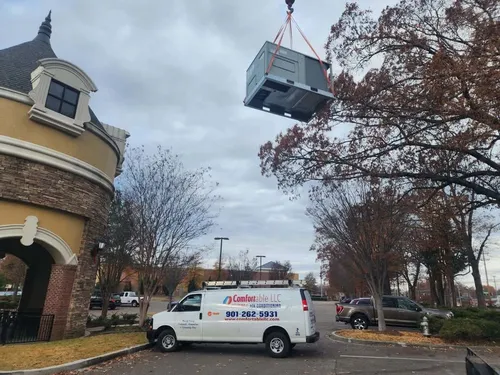
Comfortable LLC
356 New Byhalia Rd #4, Collierville, TN 38017
Comfortable LLC is an HVAC and electrical service provider located in Memphis, TN. They offer a wide range of services including installation, repair, and maintenance of heating and cooling systems such as air conditioners, furnaces, heat pumps, boilers, mini splits, and geothermal heat pumps. Comfortable LLC also provides indoor air quality solutions and electrical and lighting services. As a Trane dealer, they supply various indoor comfort products and specialize in emergency service available 24/7. With over ten years of experience, they serve Memphis and surrounding communities including Collierville, Germantown, Cordova, and East Memphis.
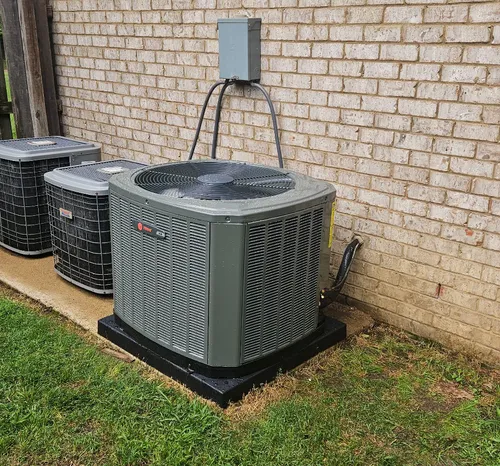
Renfrow Heating, Air, & Plumbing, LLC
8357 Industrial Dr, Olive Branch, MS 38654
Renfrow Heating, Air, & Plumbing, LLC is a licensed HVAC and plumbing contractor serving Memphis, TN. They offer a range of services including installation and repair of air conditioners, furnaces, heat pumps, mini splits, and geothermal systems. The company also provides duct cleaning, indoor air quality solutions such as Plasma AirREME HALO®, thermostat installation, and HVAC tune-ups to maintain system efficiency. Renfrow Heating, Air, & Plumbing is a Trane® dealer and supports both residential and commercial customers with customized comfort solutions. They offer service agreements to help prevent emergencies and are available for emergency service when needed.
Precision, LLC
2099 Thomas Rd Suite 23, Memphis, TN 38134
Precision, LLC is a family-owned HVAC company serving Memphis, TN, since 1973. They provide a wide range of services including air conditioning, heating, ventilation, indoor air quality solutions, and home comfort systems. Their expertise covers installation, repair, and maintenance of air conditioners, furnaces, heat pumps, boilers, mini splits, geothermal heat pumps, and duct cleaning. Precision also offers specialized services such as energy assessments, insulation, duct sealing, and programmable thermostat installation. With over 48 years of experience, they focus on whole-home comfort and energy efficiency, using building science to improve indoor environments. All employees are drug tested, background checked, and continuously trained, ensuring trusted service without subcontractors.
Cannon Bros AC & Heat
5492 Old Hwy 78, Memphis, TN 38118
Cannon Bros AC & Heat is an HVAC company serving Memphis, TN, and surrounding communities. They specialize in residential, commercial, and industrial heating and air conditioning services, including installation, repair, and tune-ups for systems such as air conditioners, furnaces, heat pumps, mini splits, and geothermal heat pumps. As a Trane® dealer, they offer a range of indoor comfort products and have expertise in indoor air quality solutions like humidifiers and air cleaners. Established in 1953, Cannon Bros AC & Heat brings decades of experience to their work and provides emergency service when needed.
How Geothermal Systems Work: The Basics
A geothermal system works like a refrigerator for your entire house, but instead of exchanging heat with the air, it uses the ground. The process relies on a simple principle: just a few feet below the surface, the earth maintains a nearly constant temperature of 50-60°F year-round, regardless of Mississippi's hot summers or occasional chilly winters.
Here's the cycle: A fluid-typically a mixture of water and antifreeze-circulates through a continuous loop of high-density polyethylene pipes buried in your yard 1 2. In the winter, this fluid absorbs the gentle warmth from the ground and carries it indoors. The heat pump unit then concentrates this low-grade heat and delivers warm air through your home's ductwork 3. In the summer, the process reverses: the system extracts heat and humidity from your indoor air, transfers it to the fluid, and dumps it into the cooler earth, leaving your home comfortably cooled 4.
This elegant exchange with the stable earth is what makes geothermal technology so efficient, often achieving 300-600% efficiency compared to the 95-98% efficiency of the best gas furnaces.
Types of Ground Loops for Southaven Properties
The buried pipe system, called the ground loop, is the heart of the installation. The right type for your home depends on your lot size, soil conditions, and budget. Local geothermal professionals will conduct a detailed site assessment to determine the best approach.
Horizontal Closed Loops This is often the most cost-effective installation method if space allows. Excavators dig trenches four to six feet deep, each several hundred feet long per ton of your home's cooling capacity. The pipes are laid in these trenches in a slinky-coil or straight-run configuration before the area is backfilled. This method requires a significant amount of open land but generally involves lower installation costs than drilling.
Vertical Closed Loops For homes in Southaven with smaller lots, vertical loops are the ideal solution. A drilling rig bores deep holes, typically 150 to 400 feet deep and about 4-6 inches in diameter 5. U-shaped pipes are inserted into each borehole, which is then sealed with a special grout to ensure good thermal conductivity. While the drilling process is more expensive, it minimizes landscape disruption and is excellent for achieving high efficiency in a compact area 6.
Pond or Lake Loops If you have access to a sufficiently deep and large body of water, this can be an efficient option. Coils of pipe are submerged at the bottom of the pond, where the water temperature remains stable. This method can have the lowest installation cost if the site conditions are perfect, as it avoids extensive trenching or drilling 7.
The Installation Process: What to Expect
Installing a geothermal heating and cooling system is a significant project that requires expert planning and execution. Here's a general overview of what the process entails in Southaven:
- Consultation and Load Calculation: A certified installer will evaluate your home's heating and cooling needs (Manual J calculation), assess your property, and discuss your goals.
- System Design and Permitting: The installer designs the loop field and selects the appropriate indoor heat pump unit. They will also handle obtaining any necessary local permits.
- Loop Field Installation: This is the major outdoor work. For a horizontal system, trenches are dug. For a vertical system, a drilling rig is brought in. The HDPE piping is carefully placed, connected, and pressure-tested to ensure there are no leaks 8.
- Indoor Unit Installation: The geothermal heat pump unit-which is typically about the size of a small refrigerator-is installed in your basement, utility closet, or garage. It is connected to your existing ductwork and to the ground loops via entry pipes.
- System Startup and Commissioning: The loop is filled with fluid, the system is charged, and all components are tested. The installer will ensure everything is operating at peak efficiency and explain the system's controls to you 9.
Find the perfect geothermal heat pump contractors for your needs
Get personalized recommendations and expert advice
Why Geothermal is a Smart Choice for Southaven Homes
Southaven's climate and geology are well-suited for geothermal technology. The region's soil composition and stable ground temperatures provide an excellent medium for heat exchange, allowing these systems to perform efficiently throughout the year 10 11.
The most compelling advantage is long-term savings. Homeowners can expect to reduce their energy consumption for heating and cooling by 30% to 70% compared to conventional systems like standard air-source heat pumps or furnaces 12 13 14. While the upfront investment is higher, often ranging from $20,000 to $40,000 or more for a complete residential system, the payback period through utility savings is typically 5 to 10 years 12 15 14. Furthermore, the system components are built to last: the indoor heat pump unit often has a lifespan of 20-25 years, while the underground piping is warrantied for 50 years and can last for generations 16.
Beyond savings, benefits include superior comfort with steady temperatures, quiet operation, reduced humidity in summer, and a significant reduction in your home's carbon footprint. These systems also have fewer mechanical parts exposed to the elements, which can mean less maintenance and greater reliability over time 17.
Understanding Costs and Incentives
The initial cost of a geothermal system is its primary barrier. This investment covers the ground loop excavation/drilling, the heat pump unit, and all installation labor. The largest variable is the loop field; vertical loops cost more due to drilling, while horizontal loops are less expensive but require more land 18.
It's crucial to view this as a long-term investment in your property. To improve affordability, explore available financial incentives:
- Federal Tax Credits: The federal Residential Clean Energy Credit can cover a significant percentage of the total installed cost for qualified geothermal heat pump systems.
- Utility Rebates: Some local utility companies may offer rebates for installing high-efficiency geothermal systems. Checking with Mississippi Power or other local providers is recommended.
- Financing: Many installation companies offer financing options, and some energy-efficient mortgage programs recognize the value of geothermal systems, allowing the energy savings to help qualify for a larger loan.
A reputable installer will provide a detailed quote that breaks down all costs and can help you calculate your specific return on investment based on your current energy bills.
Choosing a Local Geothermal Professional
Selecting the right contractor is the most important decision you'll make. Look for a company with specific, proven experience in geothermal system design and installation, not just general HVAC work. They should be certified by organizations like the International Ground Source Heat Pump Association (IGSHPA) or have factory training from major geothermal equipment manufacturers like WaterFurnace, ClimateMaster, or Bosch.
Ask for references from past geothermal projects and, if possible, visit a completed installation. A thorough contractor will perform a detailed site survey before giving a firm quote and will explain every step of the process, from design to post-installation service. Their expertise is vital in correctly sizing the system and loop field, which directly impacts efficiency, comfort, and longevity.
Frequently asked questions
Sources
Footnotes
-
How Geothermal Heat Pumps Work - https://www.youtube.com/watch?v=XxlTnBukweI&t=37 ↩
-
How a Geothermal Heat Pump Works | This Old House - https://www.youtube.com/watch?v=d5Tbsx3R2T8 ↩
-
Geothermal Systems in Wichita - Ground Source Heat Pumps - https://reddihvac.com/geothermal-systems ↩
-
How it Works - https://www.climatemaster.com/homeowner/side-links/how-it-works ↩
-
How Do Geothermal Wells And Systems Work | Johns Well Drilling - https://johnswelldrilling.com/how-do-geothermal-wells-and-systems-work/ ↩
-
Geothermal Heat Pumps: How They Work | AHRI - https://www.ahrinet.org/scholarships-education/education/homeowners/how-things-work/geothermal-heat-pumps-how-they-work ↩
-
Geothermal heat pumps: The ultimate guide to ground-source ... - https://termo-plus.com/blog/geothermal-ultimate-guide-to-ground-source-heat-pumps/ ↩
-
Geothermal heating & cooling, heat pumps, heat exchange ... - https://aztechgeo.com/residential-geothermal/how-it-works/ ↩
-
All You Need to Know About Home Geothermal Heating & ... - https://dandelionenergy.com/all-you-need-to-know-about-home-geothermal-heating-cooling ↩
-
Exploring Geothermal Systems: Advantages and Considerations - https://dilandroandrews.com/understanding-geothermal-systems/ ↩
-
Falcon Engineering - https://falcon.ca/an-introduction-to-geoexchange ↩
-
Guide to Geothermal Heat Pumps - https://www.energy.gov/sites/prod/files/guide_to_geothermal_heat_pumps.pdf ↩ ↩2
-
Geothermal Heat Pumps - Department of Energy - https://www.energy.gov/energysaver/geothermal-heat-pumps ↩
-
Geothermal Heat Pump Guide: Installation Costs, Types And Benefits - https://modernize.com/hvac/heating-repair-installation/heat-pump/geothermal ↩ ↩2
-
Geothermal Energy - Mississippi Power - https://www.mississippipower.com/residential/ways-to-save/renewable-energy/geothermal.html ↩
-
How Do Geothermal Systems Work for Residential Homes? - https://www.davisheat.com/blog/how-do-geothermal-systems-work-for-residential-homes/ ↩
-
Ground-Source Heat Pumps: Are They Green? - https://www.buildinggreen.com/feature/ground-source-heat-pumps-are-they-green ↩
-
Geothermal Heat Pump Installation: What To Expect For Your Property - https://jomory.com/geothermal-heat-pump-installation-what-to-expect-for-your-property/ ↩