
Find the Best Geothermal Heat Pump Contractors for Your Business
No obligation • Fast responses • Nationwide coverage

Why you can trust HVAC Firms
HVAC Firms is a leading United States resource for evaluating HVAC service providers. Our team researches companies, checks credentials, and reviews customer feedback to present clear, unbiased information. Listings and rankings are based on merit, and companies cannot pay to change our editorial content.
Search providers near you
Top Geothermal Heat Pump Contractors in Woodbury, Minnesota Ranked
Geothermal heat pumps, also known as ground-source heat pumps, offer a highly efficient way to heat and cool your Woodbury home by tapping into the earth's stable temperature. This technology matters because it can dramatically reduce your energy bills and environmental footprint, providing reliable comfort year-round. You can use this guide to understand how these systems work, what installation entails, and to find qualified local experts who can assess your property for a geothermal solution.
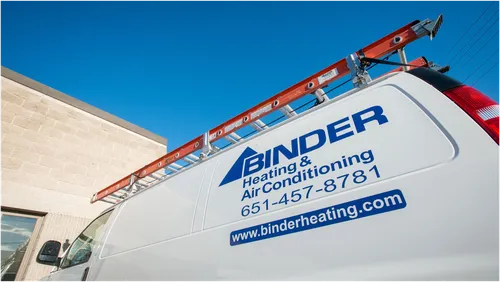
Binder Heating and Air Conditioning, Inc
222 Hardman Ave N, South St Paul, MN 55075
Binder Heating and Air Conditioning, Inc is a family-owned heating and cooling company serving Minneapolis, MN, and the surrounding Twin Cities metro area. With nearly 100 years of experience, they provide a range of services including air conditioning, furnace and boiler repair and installation, geothermal heat pump systems, indoor air quality solutions, and custom commercial HVAC services. Their skilled union technicians focus on delivering tailored heating and cooling solutions without commission-based sales pressure. Binder Heating and Air Conditioning also offers 24-hour on-call emergency service for their maintenance plan customers.
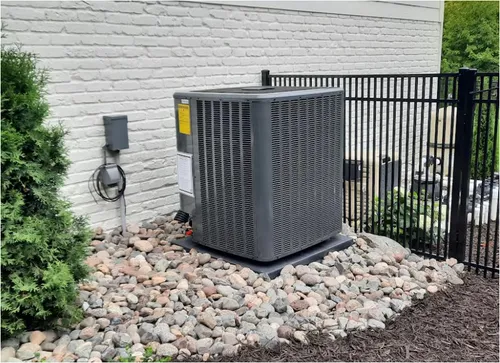
ENVIROWORLD USA
Minneapolis, MN
ENVIROWORLD USA is an HVAC contractor based in Minneapolis, MN, specializing in heating, air conditioning, heat pump, and geothermal system installation and repair. They focus on improving indoor air quality and home comfort through design-build solutions that address airflow, ventilation, and temperature consistency. Their services include installing steam humidifiers, air exchangers, and advanced filtration systems to enhance respiratory health and energy efficiency. With decades of industry experience and master licensing, ENVIROWORLD USA offers tailored HVAC solutions for both new construction and existing homes, aiming to resolve chronic indoor air and comfort issues effectively.
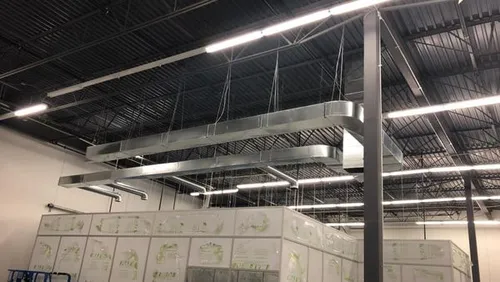
HLT Heating & Cooling LLC
244 Richmond St W, South St Paul, MN 55075
HLT Heating & Cooling LLC is a heating and cooling company based in St Paul, MN. They provide a range of services including installation and repair of air conditioners, furnaces, heat pumps, boilers, mini splits, and geothermal heat pumps. Their capabilities cover HVAC tune-ups and comprehensive HVAC system services to maintain home comfort. The company also offers flexible financing options to support their customers' needs.
How Geothermal Energy Works in Our Climate
The principle behind a geothermal heating and cooling system is elegant in its simplicity. Just a few feet below the surface, the earth in Minnesota maintains a remarkably stable temperature, typically between 40°F and 50°F year-round, regardless of the summer heat or winter chill above ground. A geothermal system uses this constant temperature as a free energy source.
Here's the basic process:
- Heat Exchange: A fluid, usually a water-based solution, circulates through a network of pipes buried in the ground, called a ground loop. In the winter, this fluid absorbs the earth's warmth.
- Heat Concentration: The warmed fluid is pumped to an indoor geothermal heat pump unit. The heat pump uses a refrigeration cycle to concentrate this low-grade heat into higher-temperature heat suitable for warming your home.
- Heat Distribution: The concentrated heat is then distributed through your home's existing ductwork, radiant floor systems, or other means.
- Summer Reversal: In the summer, the process reverses. The system extracts heat from your home's air, transfers it to the fluid in the loop, and rejects it into the cooler earth, effectively providing air conditioning 1.
This direct exchange with the stable ground is what makes geothermal technology so much more efficient than conventional air-source heat pumps, which must work harder as outside air temperatures become extreme.
Types of Ground Loop Systems
The buried pipe system, or ground loop, is the heart of the installation. The right type for your Woodbury property depends on your land, soil conditions, and water access. The main categories are closed-loop and open-loop systems.
Closed-Loop Systems
These are the most common residential geothermal installations. They use a continuous, sealed loop of high-density polyethylene (HDPE) pipe filled with an environmentally friendly antifreeze solution.
- Vertical Loops: This is often the best choice for smaller residential lots in Woodbury. Contractors drill boreholes typically 150 to 400 feet deep and insert U-shaped loops of pipe into each hole. The holes are then grouted for optimal heat transfer. Vertical installations require specialized drilling equipment but minimize landscape disruption.
- Horizontal Loops: If you have sufficient open land, this method involves digging trenches about six feet deep and hundreds of feet long. Multiple loops of pipe are laid in the trenches before they are backfilled 2. This approach generally has a lower installation cost than vertical drilling but requires a larger yard area.
- Pond/Lake Loops: If you have a suitably sized and deep pond or lake on your property, coils of pipe can be submerged at the bottom. This can be a very cost-effective loop option due to excellent heat transfer in water 3.
Open-Loop Systems
An open-loop system uses groundwater directly from a well as the heat exchange fluid. After passing through the heat pump, the water is discharged to a second well, a pond, or a stream, depending on local codes 4. While highly efficient, these systems require an abundant supply of clean water, rigorous permitting due to water use, and are less common in residential settings.
Find the perfect geothermal heat pump contractors for your needs
Get personalized recommendations and expert advice
The Installation Process: What to Expect
Installing a geothermal heating and cooling system is a significant project that requires careful planning and professional expertise. Here's a typical step-by-step overview:
- Site Assessment and Design: A qualified installer will conduct a thorough evaluation of your property. This includes assessing soil and rock composition (which affects heat transfer), available land, and your home's existing heating/cooling distribution system (ductwork, radiators, etc.) 5. A detailed system design is created, specifying the loop type, size, and heat pump capacity.
- Loop Field Installation: This is the major outdoor phase. For a vertical system, a drilling rig will be brought in to create the boreholes. For a horizontal system, a backhoe or trencher will dig the necessary trenches. The HDPE pipe is then placed, connected, and pressure-tested to ensure there are no leaks before the holes or trenches are backfilled 6 7.
- Indoor Unit Installation: The geothermal heat pump unit, which is about the size of a traditional furnace, is installed in your basement, utility room, or garage. Technicians will connect it to the ground loop, your home's electrical system, and the ductwork or hydronic distribution system.
- Commissioning and Testing: Once everything is connected, the system is charged with refrigerant, powered up, and thoroughly tested. The installer will calibrate the controls and ensure all components are operating efficiently and safely.
Benefits and Cost Considerations for Woodbury Homeowners
The decision to invest in a geothermal system involves weighing higher upfront costs against substantial long-term gains.
Key Benefits
- Exceptional Energy Savings: Geothermal heat pumps are the most efficient heating and cooling systems available. Homeowners can see reductions of up to 65% on their heating and cooling bills compared to conventional systems 8. Many report consistent savings in the 50-60% range 9 10.
- Reliability and Longevity: The indoor heat pump components typically last 20-25 years, while the underground polyethylene piping often carries warranties of 50 years and can last for generations 11. With fewer mechanical parts exposed to the elements, they require less maintenance.
- Year-Round Comfort: The system provides even, draft-free heating in winter and highly effective, dehumidifying cooling in summer from a single unit.
- Environmental Impact: By using renewable thermal energy from the ground, these systems significantly reduce your home's carbon footprint and reliance on fossil fuels.
Understanding the Investment
The initial installation cost for a complete geothermal system in Woodbury is a significant investment, typically ranging from $20,000 to $45,000 or more 12 13. This wide range is due to variables like:
- The type and size of the ground loop (vertical drilling is more expensive than horizontal trenching).
- The size and efficiency rating of the heat pump unit.
- The condition of your home's existing ductwork or the need for a new distribution system.
- Soil conditions and accessibility of your property.
While the sticker price is high, it's crucial to view it as a long-term investment. The dramatic monthly utility savings will offset the initial cost over time. Additionally, federal tax credits for geothermal systems are available, which can significantly reduce the net cost. Local utility rebates may also apply.
Frequently asked questions
Sources
Footnotes
-
How Does it Work? | MNGHPA - https://www.minnesotageothermalheatpumpassociation.com/geothermal/how-does-it-work/ ↩
-
All You Need to Know About Home Geothermal Heating & ... - https://dandelionenergy.com/all-you-need-to-know-about-home-geothermal-heating-cooling ↩
-
Geothermal Loop Options | MNGHPA - https://www.minnesotageothermalheatpumpassociation.com/geothermal/earth-loop-options/ ↩
-
Geothermal Heating and Cooling Systems - MN Dept. of Health - https://www.health.state.mn.us/communities/environment/water/wells/geothermal.html ↩
-
Geothermal Heat Pumps | WBDG - https://www.wbdg.org/resources/geothermal-heat-pumps ↩
-
Geothermal Heat Pumps - EnergySmart CNY - https://www.energysmartcny.org/heat-pumps/geothermal/ ↩
-
Geothermal Heat Pump Installation: What To Expect For Your Property - https://jomory.com/geothermal-heat-pump-installation-what-to-expect-for-your-property/ ↩
-
5 Things You Should Know about Geothermal Heat Pumps - https://www.energy.gov/cmei/articles/5-things-you-should-know-about-geothermal-heat-pumps ↩
-
Geothermal Heating, Cooling, and Hot Water Systems - https://igshpa.org/wp-content/uploads/Homeowners-Guide-to-Geothermal.pdf ↩
-
Geothermal Heat Pumps: How They Work and Benefits for Your ... - https://www.rbiva.com/resources/geothermal-heat-pumps-how-they-work-and-benefits/ ↩
-
Geothermal heating & cooling, heat pumps, heat exchange ... - https://aztechgeo.com/residential-geothermal/how-it-works/ ↩
-
Geothermal Heat Pump Guide: Installation Costs, Types And Benefits - https://modernize.com/hvac/heating-repair-installation/heat-pump/geothermal ↩
-
How Much Does a Heat Pump in Minnesota Cost? 2025 Prices - https://modernize.com/hvac/heating-repair-installation/heat-pump/minnesota ↩