
Find the Best Geothermal Heat Pump Contractors for Your Business
No obligation • Fast responses • Nationwide coverage

Why you can trust HVAC Firms
HVAC Firms is a leading United States resource for evaluating HVAC service providers. Our team researches companies, checks credentials, and reviews customer feedback to present clear, unbiased information. Listings and rankings are based on merit, and companies cannot pay to change our editorial content.
Search providers near you
Top Geothermal Heat Pump Contractors in Mishawaka, Indiana Ranked
Geothermal heat pump systems offer a remarkably efficient and sustainable way to heat and cool your Mishawaka home. By tapping into the earth's stable underground temperature, these ground-source heat pumps can dramatically reduce your energy bills and environmental footprint. This guide explains how geothermal technology works, the benefits for local homeowners, and how you can connect with qualified professionals to explore this investment for your property.
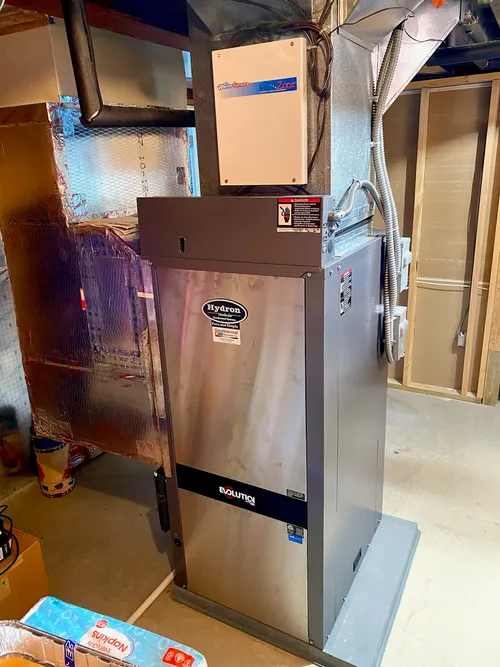
How Geothermal Systems Work: Harnessing the Earth's Constant Temperature
Unlike conventional air-source heat pumps or furnaces that battle the wildly fluctuating Indiana air temperatures, a geothermal system exchanges heat with the ground. Just a few feet below the surface, the earth maintains a nearly constant temperature of around 50-55°F year-round. A geothermal heat pump (GHP) leverages this stability for exceptional efficiency.
The core of the system is a ground loop-a network of pipes buried in your yard. A water-based fluid circulates through this closed loop, absorbing the earth's warmth in the winter and depositing your home's excess heat in the summer. This fluid is pumped into the indoor heat pump unit, where a compressor and heat exchanger concentrate the thermal energy. In heating mode, the system extracts heat from the fluid and distributes warm air through your home's ductwork. In cooling mode, the process reverses, pulling heat from your indoor air and transferring it into the cooler ground loop fluid 1 2. Because it's moving existing heat rather than creating it by burning fuel, a geothermal system operates at 300-600% efficiency 3.
Types of Ground Loop Systems for Mishawaka Properties
The design of the underground portion, or ground loop, is tailored to your property's characteristics. The most common residential systems are closed-loop, meaning the fluid is permanently sealed within the piping. The right choice depends on your land availability, soil composition, and budget.
- Horizontal Closed-Loop: This is often the most cost-effective option if you have sufficient yard space. Trenches are dug 4 to 6 feet deep-below the frost line-and pipes are laid in long runs. While it requires more surface area, it uses standard excavation equipment, keeping costs lower 4 5.
- Vertical Closed-Loop: For properties with limited land, such as smaller urban lots in Mishawaka, vertical loops are ideal. Boreholes are drilled 100 to 500 feet deep, and U-shaped pipes are inserted and grouted. This method minimizes landscape disruption but can be more expensive due to the specialized drilling rig required 6.
- Pond/Lake Closed-Loop: If you have access to a sizable, deep body of water (at least 10-12 feet deep), a coil of piping can be submerged. This can be a very efficient option, but it requires specific site conditions 7.
- Open-Loop System: This less common system uses groundwater from a well as the direct heat exchange fluid. After passing through the heat pump, the water is discharged. Its feasibility depends heavily on local water quality, quantity, and regulations 8 9.
A professional installer will conduct a thorough site assessment of your soil and property to recommend the optimal loop configuration for your home's heating and cooling loads 10.
The Geothermal Installation Process: What to Expect
Installing a residential geothermal system is a significant project that typically takes one to two and a half weeks from start to finish 11. Understanding the steps can help you prepare.
- Site Evaluation & Design: A certified technician will assess your home's size, insulation, existing ductwork, and your property's soil conditions. This data is used to precisely size the heat pump and design the ground loop system 12.
- Groundwork (Trenching or Drilling): For a horizontal system, excavation equipment will dig the necessary trenches. For a vertical system, a drilling rig will arrive to create the boreholes. In Indiana, protecting the aquifer is crucial, so vertical holes are carefully grouted to seal them 13.
- Loop Installation & Connection: The high-density polyethylene pipes are placed in the trenches or boreholes and connected into a continuous loop. The loops are then connected to the manifold that leads into your home. Inside, the new geothermal heat pump unit is installed and integrated with your existing ductwork or radiant floor system 14.
- System Charging & Activation: The loop is pressure-tested, filled with the heat-transfer fluid, and purged of air. The entire system is then started, calibrated, and tested for optimal performance. Your installer will walk you through the controls and basic maintenance 15.
Why Geothermal is a Smart Choice for Mishawaka Homeowners
Indiana's climate and geology are well-suited for geothermal technology. The stable clay and soil conditions provide excellent thermal conductivity for ground loops 16. The primary advantage is profound energy savings. Homeowners can reduce their heating and cooling energy use by 30% to 70% 17. For an average Indiana home, this can translate to $1,000 to $2,000 in annual savings on utility bills.
While the upfront investment is higher than a standard system-typically ranging from $20,000 to $35,000 for a 2,000 sq. ft. home-powerful financial incentives improve affordability 18. The federal residential energy tax credit offers 30% of the total installed cost, significantly reducing your net investment 18. Additionally, local utility providers like Indiana Michigan Power may have programs for efficient electric systems, and the Indiana Energy Saver program is a resource for potential rebates 19 20. With these savings and incentives, the payback period for a geothermal system in Mishawaka is often between 5 and 10 years 21.
Beyond savings, benefits include superior comfort with consistent temperatures, quiet operation, incredible durability (ground loops often carry warranties of 50+ years), and a major reduction in your home's carbon footprint.
Find the perfect geothermal heat pump contractors for your needs
Get personalized recommendations and expert advice
Understanding Costs, Savings, and Incentives
The value proposition of a ground-source heat pump becomes clear when you examine the long-term financial picture. The initial cost covers the high-efficiency heat pump unit, the extensive ground loop installation, and professional labor. This investment buys you decades of reliable service with minimal operational costs.
The ongoing savings are where geothermal shines. By slashing your largest home energy expense-heating and cooling-you effectively lock in a low, stable cost for climate control for the life of the system. The 30% federal tax credit is a direct reduction of your income tax liability, not a deduction. For a $30,000 system, that's a $9,000 credit. When you combine this with annual energy savings, the system often pays for itself within a decade, after which you enjoy drastically lower bills for years to come 22 23. It's an upgrade that increases your home's value and appeal while insulating you from future energy price volatility.
Maintenance and Longevity of Your System
One of the most appealing aspects of geothermal technology is its reliability and low maintenance needs. The indoor heat pump unit requires similar basic maintenance as a traditional HVAC system: regular filter changes and occasional check-ups by a professional to ensure the compressor and components are functioning correctly. The groundbreaking, however, is famously durable. Made of robust polyethylene and protected from the elements underground, the loop system has no moving parts and is designed to last for generations, often with warranties extending 50 years or more.
This longevity means that while the upfront cost is significant, you are investing in a permanent solution for your home's thermal comfort. The simplicity of the underground component translates to decades of trouble-free operation, making geothermal heat pumps a truly long-term solution for Mishawaka residents looking for efficiency and reliability.
Frequently asked questions
Sources
Footnotes
-
Geothermal Heat Pumps: How They Work | AHRI - https://www.ahrinet.org/scholarships-education/education/homeowners/how-things-work/geothermal-heat-pumps-how-they-work ↩
-
How Do Geothermal Systems Work for Residential Homes? - https://www.davisheat.com/blog/how-do-geothermal-systems-work-for-residential-homes/ ↩
-
How it Works: Ground Source (Geothermal) Heat Pumps (GSHP) - https://www.youtube.com/watch?v=uhXUV2Xm5fQ&t=21 ↩
-
Geothermal Heat Pumps: How They Work and Benefits for Your ... - https://www.rbiva.com/resources/geothermal-heat-pumps-how-they-work-and-benefits/ ↩
-
Geothermal Heat Pumps: Everything You Need to Know - https://www.energysage.com/heat-pumps/geothermal-heat-pumps/ ↩
-
What is the Difference Between Horizontal & Vertical Closed Loop ... - https://www.drilcorp.com/what-is-the-difference-between-horizontal-vertical-closed-loop-ground-source-systems/ ↩
-
How It Works: Ground Source Heat Pumps - Aztech Geothermal - https://aztechgeo.com/residential-geothermal/how-it-works/ ↩
-
Hydrologic Impacts Group - Purdue University - https://www.agry.purdue.edu/hydrology/projects/Geothermal/Geothermal.asp ↩
-
Geothermal Commercial Systems - Kokomo - Ortman Drilling - https://www.ortmandrilling.com/geothermal-commercial-systems ↩
-
Your Step-by-Step Guide to Installing a Geothermal System in ... - https://absolutecomfort.org/install-geothermal-system-indiana-2025-guide/ ↩
-
Geothermal Installation Steps Explained - https://ultrageothermal.com/geothermal-installation-steps-explained/ ↩
-
How It Works: The Geothermal Installation Process - https://www.awheatingandcooling.com/blog/geothermal-service/how-it-works-the-geothermal-installation-process/ ↩
-
Best Practices for Geothermal Vertical Closed-Loop Installations - https://www.michigan.gov/egle/-/media/Project/Websites/egle/Documents/Programs/DWEHD/Water-Well-Construction/Best-Practices-for-Geothermal-Vertical-Closed-Loop-Installations.pdf?rev=67d3b0ca05804883af4e5abedbbb6de0 ↩
-
Ground Loops: How Much Drilling and Digging? - Geotherm NY - https://www.geothermhvac.com/ground-loops-how-much-drilling-and-digging/ ↩
-
Geothermal Heat Pump Installation Process - https://earthrivergeothermal.com/geothermal-heat-pump-installation-process/ ↩
-
Geothermal Cooling in Indiana: How It Works and Is It Worth It? - https://absolutecomfort.org/geothermal-cooling-in-indiana-how-it-works-and-is-it-worth-it/ ↩
-
How to Save 70% on Energy Bills: A Homeowner's Guide to ... - Meltek - https://meltek.com/buzz-blogs/how-to-save-70-on-energy-bills-a-homeowners-guide-to-geothermal-benefits ↩
-
Geothermal Energy: Complete Cost & FAQ Guide 2025 - https://absolutecomfort.org/geothermal-energy-maintenance-cost-guide/ ↩ ↩2
-
3 Types of Heat Pumps and How They Work - 2113 - https://www.indianamichiganpower.com/savings/home/newsletter/story?StoryID=2113 ↩
-
OED: Home Energy Rebates - IN.gov - https://www.in.gov/oed/grants-and-funding-opportunities/homeowner-incentives/ ↩
-
Geothermal Savings Calculator - https://www.geothermhvac.com/geothermal-heating/savings-calculator/ ↩
-
Geothermal vs Traditional AC: Cost Savings for Indiana Homes - https://absolutecomfort.org/geothermal-vs-traditional-ac-cost-benefit-analysis-indiana-homes/ ↩
-
What You Need to Know About Geothermal Energy in Indiana - https://environment.co/geothermal-energy-indiana/ ↩