
Find the Best Geothermal Heat Pump Contractors for Your Business
No obligation • Fast responses • Nationwide coverage

Why you can trust HVAC Firms
HVAC Firms is a leading United States resource for evaluating HVAC service providers. Our team researches companies, checks credentials, and reviews customer feedback to present clear, unbiased information. Listings and rankings are based on merit, and companies cannot pay to change our editorial content.
Search providers near you
Top Geothermal Heat Pump Contractors in Hammond, Indiana Ranked
Geothermal heat pumps, also known as ground-source heat pumps, are a highly efficient method for heating and cooling your home by leveraging the earth's stable underground temperature. For Hammond residents, this technology offers a powerful way to reduce energy consumption and utility bills while ensuring year-round comfort. This guide explains how these systems work, the installation process for our local area, and how you can connect with qualified specialists to explore options for your property.
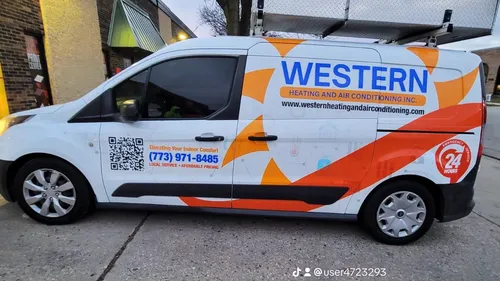
Western Heating And Air Conditioning
6925 N Greenview Ave, Chicago, IL 60626
Western Heating And Air Conditioning is an HVAC contractor based in Chicago, IL, providing a wide range of heating, cooling, and indoor air quality services. They handle installation, repair, and maintenance for air conditioners, furnaces, heat pumps, mini splits, and geothermal systems. The company also offers duct cleaning, thermostat installation, and HVAC tune-ups. Known for capabilities such as smart thermostat integration and energy-efficient HVAC solutions, Western Heating And Air Conditioning supports both residential and commercial clients in the Chicago area.
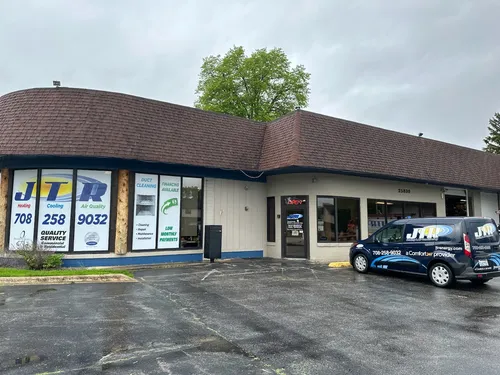
JTR Heating & Air Conditioning
25830 S Governors Hwy, Monee, IL 60449
JTR Heating & Air Conditioning is an HVAC company serving Chicago, IL, and nearby communities including Bourbonnais, Monee, and Peotone. They provide a range of heating and cooling services such as air conditioning and furnace repair, installation, geothermal heat pump systems, duct cleaning, and HVAC tune-ups. With over 30 years of experience, the company supports both residential and commercial customers. They have been recognized with the Carrier President's Award for their service in consecutive years.
How Geothermal Heating and Cooling Works in Hammond
A geothermal system operates on a simple, elegant principle: it uses the consistent temperature of the earth just below the frost line as a source of heat in the winter and a place to reject heat in the summer. In our region, the ground maintains a stable temperature between 50°F and 60°F year-round, which is far more temperate than our fluctuating outdoor air temperatures 1.
The system has three primary components:
- Ground Loop: A network of durable, high-density polyethylene pipes buried in your yard or placed in a water source. A water-based solution circulates through this sealed loop.
- Heat Pump Unit: An indoor unit, typically installed where your furnace once was, that contains a compressor and heat exchanger.
- Air Distribution System: This is usually your home's existing ductwork, which distributes conditioned air throughout the rooms.
During the heating season, the fluid circulating in the underground loops absorbs the earth's thermal energy. This warm fluid is brought into the heat pump, where the refrigerant cycle compresses the heat to a higher, more useful temperature. The warm air is then circulated through your ducts 2. In the cooling season, the process reverses. The system extracts heat and humidity from your indoor air and transfers it into the cooler fluid in the ground loop, which then dissipates the heat into the earth 3.
This "heat exchange" process is exceptionally efficient because the system moves existing heat rather than generating it through combustion. It requires significantly less electricity than a standard air conditioner or electric furnace, which is why it can cut your heating and cooling energy bills by up to 65-70% 4.
Types of Ground Loop Systems for Indiana Properties
Choosing the right loop configuration is a critical decision based on your land, soil, and budget. Local installers will perform a detailed site evaluation to recommend the best option.
Closed-Loop Systems
This is the most common setup for residential applications. A sealed mixture of water and environmentally friendly antifreeze circulates continuously through the buried pipes.
- Horizontal Loops: Ideal for properties with ample, clear land. Trenches are dug 4 to 10 feet deep, requiring a significant amount of yard space-often several thousand square feet for an average home. While trenching equipment is common, the large area required can limit this option on smaller urban lots 5 6 7.
- Vertical Loops: The preferred solution for many Hammond homes with limited yard space. Boreholes are drilled 150 to 300 feet deep, and U-shaped loop pipes are inserted. Vertical loops have a minimal surface footprint, making them suitable for smaller lots, properties with rocky soil, or landscaped yards you wish to preserve 8 9 10.
- Pond/Lake Loops: A highly cost-effective option if you have a sufficiently large and deep body of water on your property. Coils of pipe are submerged at the bottom, where the water temperature remains stable 11.
Open-Loop Systems
This system uses groundwater from a well as the direct heat exchange fluid. After passing through the heat pump, the water is discharged back into a second well, a recharge basin, or a surface body of water, following local regulations. This option depends on having an adequate supply of clean water and obtaining the necessary permits 12.
The Geothermal Installation Process: What to Expect
Installing a ground-source heat pump is a significant project that requires professional expertise. Understanding the steps can help you prepare.
- Comprehensive Site Evaluation: A certified installer will assess your home's heating and cooling loads, inspect your existing ductwork, and evaluate your property's soil composition, rock content, and available space. Soil conductivity tests may be performed, as clay, sand, or rock transfer heat at different rates, impacting loop design 13.
- System Design and Permitting: The installer designs a custom system, specifying the loop type, size, and heat pump capacity. They will also handle all necessary permits from local authorities in Hammond and Lake County, ensuring the project meets all building and environmental codes 14.
- Ground Loop Installation: This is the most visible phase. For a horizontal system, a backhoe will dig long trenches. For a vertical system, a drilling rig will be brought in to create the boreholes. The pipes are then placed, connected into a manifold, and pressure-tested to ensure integrity before the trenches are backfilled 15 16.
- Indoor Unit and Connection: The indoor geothermal heat pump unit is installed, typically in the basement, utility room, or garage. It is connected to the ground loop manifold and integrated with your home's electrical system and ductwork. If needed, duct modifications are made at this time 17.
- System Startup and Commissioning: The loop is filled with fluid, and the entire system is started. The technician will balance the fluid flow, check refrigerant levels, calibrate the thermostat, and verify that all components are operating at peak efficiency 18.
Find the perfect geothermal heat pump contractors for your needs
Get personalized recommendations and expert advice
Key Considerations for Hammond Homeowners
Soil and Land Impact
Northwest Indiana's soil conditions directly influence installation. The clay-rich soils common in the area have fair thermal conductivity, which can be improved if the soil retains moisture. Wet, saturated soils are actually excellent for horizontal loop efficiency. Rocky conditions, however, can make horizontal trenching difficult and expensive, making vertical drilling a more practical choice despite its higher upfront cost 19.
Long-Term Value and Incentives
The higher initial investment for a geothermal system is offset by substantial long-term benefits:
- Exceptional Energy Savings: By leveraging the earth's stable temperature, these systems operate at 300-400% efficiency, meaning they deliver 3 to 4 units of energy for every 1 unit of electricity consumed. This can translate to savings of 50% to 70% on your heating and cooling bills 20 21.
- Durability and Low Maintenance: The underground piping often carries warranties of 50 years and can last generations. The indoor heat pump unit typically lasts 20-25 years, longer than conventional HVAC equipment. With fewer mechanical parts exposed to the elements, maintenance is generally minimal 22 23.
- Financial Incentives: The federal government offers a 30% tax credit on the total cost of installing a qualifying geothermal heat pump system, including labor and ground loop work. This credit is available through 2032, dramatically reducing the net project cost 24.
Finding the Right Local Expertise
Selecting an installer with specific experience in our region is crucial. Look for contractors who are accredited by the International Ground Source Heat Pump Association (IGSHPA) or have equivalent certifications. They should provide a detailed Manual J load calculation for your home and a guaranteed performance estimate for the proposed system. Local expertise is invaluable for navigating Indiana's geology, climate, and permitting requirements 25.
Frequently asked questions
Sources
Footnotes
-
5 Things You Should Know about Geothermal Heat Pumps - https://www.energy.gov/cmei/articles/5-things-you-should-know-about-geothermal-heat-pumps ↩
-
How Do Geothermal Systems Work for Residential Homes? - https://www.davisheat.com/blog/how-do-geothermal-systems-work-for-residential-homes/ ↩
-
State of the nation: Customizing energy and finances for geothermal technology in the United States residential sector - https://www.sciencedirect.com/science/article/pii/S1364032120307498 ↩
-
Geothermal Cooling in Indiana: How It Works and Is It Worth It? - https://absolutecomfort.org/geothermal-cooling-in-indiana-how-it-works-and-is-it-worth-it/ ↩
-
Geothermal Basics | Lafayette, IN | Heat Pumps, HVAC - https://jlanderson.net/geothermal-basics/ ↩
-
Geothermal Ground Loop Design | Comfortworks, Inc. - https://comfort.works/ground-loop-design/ ↩
-
All About Geothermal Installation for Your Home | Scott-Lee - https://scottleeheating.com/all-about-geothermal-installation-for-your-home/ ↩
-
Geothermal Home Heating and Cooling by Summers PHC - https://summersphc.com/geothermal-heating-and-cooling-systems/ ↩
-
Drilling geothermal wells: 2025 Ultimate Guide - https://www.eatondrillingandpumpservice.com/drilling-geothermal-wells/ ↩
-
Geothermal Explained - https://www.geo-inc.com/geothermal-explained ↩
-
Geothermal Heat Pumps - Department of Energy - https://www.energy.gov/energysaver/geothermal-heat-pumps ↩
-
Tap Into Savings by Using Your Water Well for Geothermal Energy - https://www.crabtreedrilling.com/can-you-use-geothermal-when-you-drill-for-well/ ↩
-
Geothermal - Precision Comfort Systems - https://precisioncomfort.com/geothermal/ ↩
-
Geothermal Heat Pump Installation Overview - EnergySage - https://www.energysage.com/heat-pumps/installing-geothermal-heat-pump/ ↩
-
Geothermal Basics | Lafayette, IN | Heat Pumps, HVAC - https://jlanderson.net/geothermal-basics/ ↩
-
Air Source vs. Geothermal Heat Pumps: Which Fits Your Home Better? - https://www.energysage.com/heat-pumps/compare-air-source-geothermal-heat-pumps/ ↩
-
Geothermal Home Heating and Cooling by Summers PHC - https://summersphc.com/geothermal-heating-and-cooling-systems/ ↩
-
How It Works: The Geothermal Installation Process - https://www.awheatingandcooling.com/blog/geothermal-service/how-it-works-the-geothermal-installation-process/ ↩
-
How to Choose the Right System for Your Home - Morrison Inc. - https://morrisongeothermal.com/how-to-choose-the-right-system-for-your-home/ ↩
-
Geothermal Heat Pump Services in Indianapolis - https://godbyhpe.com/geothermal-heat-pumps/ ↩
-
Heat Pumps & Geothermals - South Central Indiana REMC - https://www.sciremc.com/save-energy-money/heat-pumps-geothermals/ ↩
-
Geothermal Heating and Cooling Services in Indianapolis, Indiana - https://chapmanheating.com/heating/geothermal-heating/ ↩
-
Geothermal Heat Pump Installation & Replacement | Central Indiana - https://bluefoxhvac.com/residential/geothermal-installation/ ↩
-
Geothermal Heat Pumps | WBDG - https://www.wbdg.org/resources/geothermal-heat-pumps ↩
-
Hydrologic Impacts Group - Purdue University - https://www.agry.purdue.edu/hydrology/projects/Geothermal/Geothermal.asp ↩