
Find the Best Geothermal Heat Pump Contractors for Your Business
No obligation • Fast responses • Nationwide coverage

Why you can trust HVAC Firms
HVAC Firms is a leading United States resource for evaluating HVAC service providers. Our team researches companies, checks credentials, and reviews customer feedback to present clear, unbiased information. Listings and rankings are based on merit, and companies cannot pay to change our editorial content.
Search providers near you
Top Geothermal Heat Pump Contractors in Caldwell, Idaho Ranked
Geothermal heat pumps, also known as ground-source heat pumps, offer a remarkably efficient way to heat and cool your Caldwell home by tapping into the earth's stable underground temperature. This technology can lead to substantial savings on your energy bills and provide reliable comfort year-round. This guide explains how these systems work, what installation involves, and how you can connect with qualified local professionals to explore this option for your property.
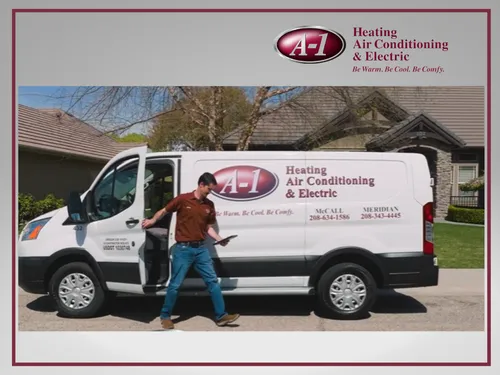
A-1 Heating, Air Conditioning & Electric
327 N Linder Rd, Meridian, ID 83642
A-1 Heating, Air Conditioning & Electric is a heating, cooling, and electrical contractor serving Boise, ID, and the surrounding Treasure Valley area. Established in 1956, the company offers a wide range of HVAC services including furnace and heat pump repair, AC installation, geothermal heat pump solutions, indoor air quality improvements, and electrical work for both residential and commercial clients. They provide 24/7 emergency HVAC services and have expertise in installing and maintaining energy-efficient systems tailored to each property's needs.
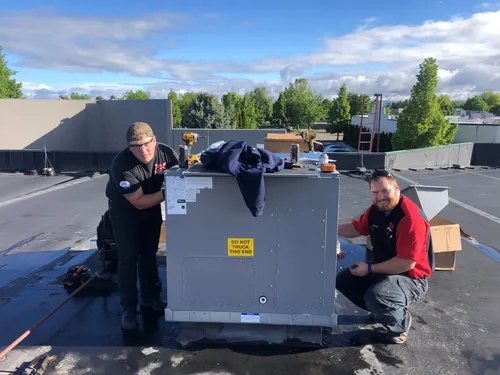
Fox Heating and Cooling
4255 Banner St, Boise, ID 83709
Fox Heating and Cooling is an HVAC contractor based in Boise, ID, offering a range of heating and cooling services for residential and commercial customers. They provide installation, repair, and maintenance for air conditioners, furnaces, heat pumps, boilers, mini split systems, and geothermal heat pumps. As a Carrier® dealer, they supply various indoor comfort products including programmable thermostats, humidifiers, air cleaners, and zoning systems. Fox Heating and Cooling also specializes in indoor air quality solutions and services all makes and models. The company offers 24/7 emergency service and preventative maintenance agreements to help maintain system performance.
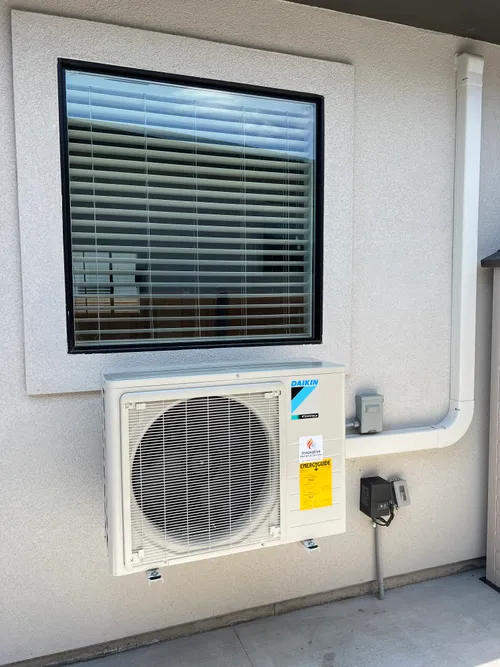
Innovative Mechanical Solutions
Boise, ID
Innovative Mechanical Solutions is a heating and cooling contractor serving Boise, ID, and the surrounding Treasure Valley area. With over 25 years of experience, they offer a full range of HVAC services including installation, repair, and maintenance of air conditioning, furnaces, heat pumps, geothermal systems, refrigeration, venting, and indoor air quality solutions. Their team is equipped to handle both residential and commercial projects, providing specialized services such as air duct installation and repair, gas line services, and walk-in cooler and freezer installations. Innovative Mechanical Solutions also provides 24/7 emergency response to address urgent HVAC needs.
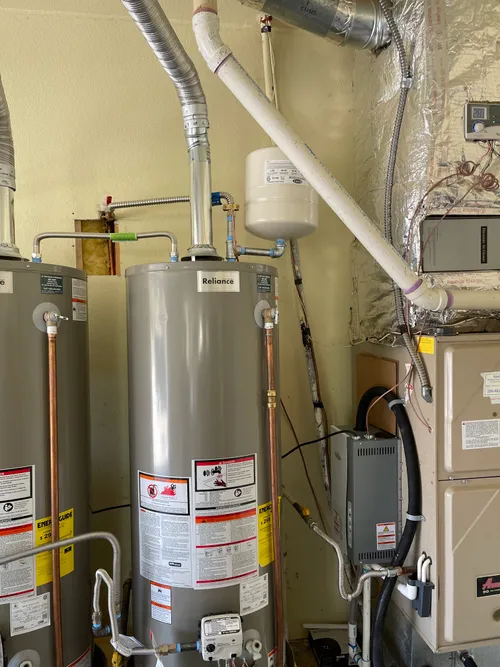
The Trade Source Mechanical LLC
415 E 51st St, Garden City, ID 83714
The Trade Source Mechanical LLC is a veteran-owned HVAC company based in Boise, ID, offering a full range of heating, cooling, ventilation, refrigeration, and plumbing services for residential and commercial customers. They specialize in installing and servicing traditional ducted systems, ductless mini-splits, geothermal heat pumps, and other high-efficiency mechanical systems. With over 40 years of combined experience, the company provides 24/7 service and supports energy-efficient solutions including solar and water source heat pumps. Their team includes veterans and active military personnel, emphasizing quality workmanship and licensed expertise.
The Comfort Source
4419 W, 4419 Marvin St, Boise, ID 83705
The Comfort Source is a full-service heating and air conditioning company located in Boise, ID. With nearly 30 years of experience, they specialize in the repair, maintenance, and installation of furnaces, air conditioners, heat pumps, and related systems for residents and businesses in the Treasure Valley. As an authorized dealer of American Standard Heating & Air Conditioning, they offer reliable products and services including geothermal systems, ductless setups, air quality systems, and thermostat installations.
How Geothermal Systems Work: Harnessing the Earth's Energy
The core principle behind a geothermal heating and cooling system is simple: it uses the ground as a giant thermal battery. Just a few feet below the surface, the earth in Idaho maintains a nearly constant temperature between 50°F and 60°F year-round, regardless of the summer heat or winter chill above ground 1 2. A geothermal system leverages this stable temperature to provide highly efficient climate control.
Here's the basic process:
- Heat Exchange: A network of durable, high-density polyethylene pipes, called a "ground loop," is buried in your yard. A water-based fluid circulates through this closed loop.
- Winter Heating: In heating mode, the fluid absorbs the earth's natural warmth as it travels through the buried pipes. This warmed fluid is pumped to an indoor heat pump unit, which concentrates the heat and transfers it to your home's air distribution system 3 4.
- Summer Cooling: In cooling mode, the system reverses. The indoor unit extracts heat and humidity from your home's air. This excess heat is transferred to the fluid in the loop, which then carries it back into the cooler earth, effectively "dumping" the heat underground 5.
This process is what makes ground-source heat pumps so efficient. Instead of creating heat by burning fuel, they simply move existing heat from one place to another, much like a refrigerator. This allows them to deliver multiple units of heating or cooling energy for every single unit of electrical energy they consume.
Types of Ground Loop Systems for Caldwell Properties
The buried loop system is the heart of a geothermal installation. The right type for your Caldwell home depends on your lot size, soil conditions, and budget. There are three primary configurations:
Horizontal Closed Loop This is often the most cost-effective option if you have sufficient land. Trenches are dug about four to six feet deep, typically requiring 400 to 800 feet of trench per ton of system capacity 6. Pipes are laid in these trenches in a slinky-coil or straight-run pattern. While this method requires a larger area of your yard to be disturbed during installation, it generally involves lower excavation costs than drilling.
Vertical Closed Loop For homes with smaller lots, a vertical loop is the ideal solution. Contractors drill boreholes 150 to 400 feet deep and insert U-shaped loop pipes into each hole 7. The holes are then grouted. This method has a much smaller surface footprint, causing minimal disruption to your landscaping, but the drilling process makes it more expensive than a horizontal installation.
Pond/Lake Loop (Open or Closed) If you have a suitable pond or lake on your property (generally at least 1/2 acre in size and 10-12 feet deep), this can be the lowest-cost loop option 8. For a closed-loop system, coils of pipe are simply submerged in the water body, where they exchange heat. An open-loop system uses well water, but this is less common and depends heavily on local water quality and regulations.
Find the perfect geothermal heat pump contractors for your needs
Get personalized recommendations and expert advice
The Installation Process: What to Expect
Installing a geothermal system is a significant project that involves both indoor and outdoor work. Understanding the steps can help you prepare.
- Site Assessment & Design: A qualified installer will evaluate your property, home size, heating/cooling loads, and soil conditions to design the most effective and efficient system. This includes determining the best loop type and size.
- Loop Installation: For a horizontal system, this involves trenching equipment to dig the necessary network of trenches. For a vertical system, a drilling rig will be brought in to create the boreholes. The HDPE piping is then placed, connected, and pressure-tested 9.
- Indoor Unit Connection: The ground loops are connected to the indoor heat pump unit, which is typically installed where your old furnace was located or in a utility space. This unit contains the compressor, heat exchanger, and controls.
- Ductwork & Electrical: The new geothermal heat pump is connected to your existing ductwork (or new ducts if needed) and to your home's electrical system.
- System Startup & Landscaping: Once everything is connected, the system is charged with fluid, started up, and tested for optimal performance. Finally, the outdoor excavation areas are backfilled and the landscaping is restored.
Benefits and Savings for Caldwell Homeowners
Investing in a geothermal heat pump system offers compelling long-term advantages:
- Substantial Energy Savings: By leveraging the earth's consistent temperature, geothermal systems operate with exceptional efficiency. Homeowners can see a 40% to 70% reduction in energy used for heating and a 20% to 50% reduction for cooling compared to conventional systems like furnaces and standard air conditioners 10. This often translates to over $1,000 in annual savings on utility bills for an average home 11.
- Long-Term Reliability & Durability: The components of a geothermal system are built to last. The indoor heat pump unit often has a lifespan of 25 years or more, while the underground polyethylene piping is warrantied for 50+ years and can last for generations. With fewer mechanical parts exposed to the elements, they generally require less maintenance than outdoor AC units or furnaces.
- Year-Round Comfort: These systems provide even, draft-free heating in winter and consistent, dehumidified cooling in summer. They can also be equipped to provide a significant portion of your home's hot water, increasing overall efficiency.
- Environmental Impact: Geothermal systems have a very low carbon footprint, as they use renewable thermal energy from the ground and only require electricity to run the compressor and pumps. They use no fossil fuels on-site.
- Financial Incentives: The higher upfront cost (which can be around $2,500 per ton plus installation) is often mitigated by significant long-term energy savings. Additionally, federal tax credits are available to help offset the initial investment, improving the payback period 12.
Finding Local Geothermal Expertise
For a project of this complexity and scale, working with an experienced local installer is crucial. Companies serving the Caldwell area, such as Greens Heating, specialize in the assessment, design, and installation of complete geothermal systems. A qualified professional will ensure your system is correctly sized, efficiently installed, and optimized for Idaho's climate, helping you maximize your investment and enjoy comfortable, low-cost heating and cooling for decades.
Frequently asked questions
Sources
Footnotes
-
Geothermal Heating and Cooling - https://geothermal.colorado.gov/geothermal-heating-and-cooling ↩
-
Geothermal Heating, Cooling, and Hot Water Systems - https://igshpa.org/wp-content/uploads/Homeowners-Guide-to-Geothermal.pdf ↩
-
How a Geothermal Heat Pump Works | This Old House - https://www.youtube.com/watch?v=d5Tbsx3R2T8 ↩
-
How Do Geothermal Systems Work for Residential Homes? - https://www.davisheat.com/blog/how-do-geothermal-systems-work-for-residential-homes/ ↩
-
Geothermal Heat Pumps: How They Work | AHRI - https://www.ahrinet.org/scholarships-education/education/homeowners/how-things-work/geothermal-heat-pumps-how-they-work ↩
-
Geothermal Heat Pump Installation: What To Expect For Your Property - https://jomory.com/geothermal-heat-pump-installation-what-to-expect-for-your-property/ ↩
-
Geothermal heating & cooling, heat pumps, heat exchange ... - https://aztechgeo.com/residential-geothermal/how-it-works/ ↩
-
Breakdown of 'open loop', 'closed vertical loop', and 'closed horizontal loop' systems. - https://www.greenmatch.co.uk/ground-source-heat-pump/replacement-installation ↩
-
Geothermal Installation Steps Explained - https://ultrageothermal.com/geothermal-installation-steps-explained/ ↩
-
Geothermal Heat Pump Services | Install & Repair | Caldwell, ID - https://greensheating.com/residential/geothermal-heat-pumps/ ↩
-
How Does A Geothermal Heat Pump Work? Complete 2025 Guide - https://solartechonline.com/blog/how-does-geothermal-heat-pump-work/ ↩
-
Guide to Geothermal Heat Pumps - https://www.energy.gov/sites/prod/files/guide_to_geothermal_heat_pumps.pdf ↩