Find the Best Geothermal Heat Pump Contractors for Your Business
No obligation • Fast responses • Nationwide coverage

Why you can trust HVAC Firms
HVAC Firms is a leading United States resource for evaluating HVAC service providers. Our team researches companies, checks credentials, and reviews customer feedback to present clear, unbiased information. Listings and rankings are based on merit, and companies cannot pay to change our editorial content.
Search providers near you
Top Geothermal Heat Pump Contractors in Tampa, Florida Ranked
A geothermal heat pump, also known as a ground-source heat pump, is one of the most energy-efficient ways to heat and cool your Tampa home. By tapping into the Earth's stable, year-round temperature, these systems can drastically reduce your energy bills while providing exceptional comfort. This guide explains how geothermal heating and cooling works in our local climate, what installation entails, and how you can find qualified professionals to evaluate your property.
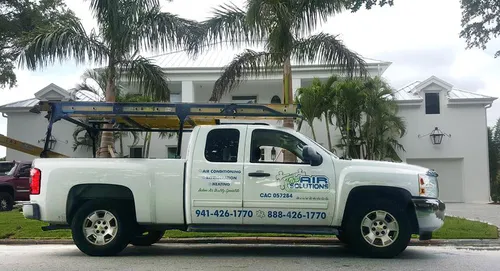
Total Air Solutions
6625 Anderson Rd, Tampa, FL 33634
Total Air Solutions is an HVAC company serving Tampa, FL, and the surrounding Gulf Coast communities. Since 2003, they have provided heating, cooling, and indoor air quality services for residential, commercial, and industrial clients. Their offerings include installation, repair, and maintenance of air conditioners, furnaces, heat pumps, boilers, ductless mini-splits, and geothermal heat pumps. The company is equipped to handle advanced HVAC technologies such as smart thermostats and geothermal systems. Total Air Solutions also offers 24/7 emergency service to address urgent HVAC needs.
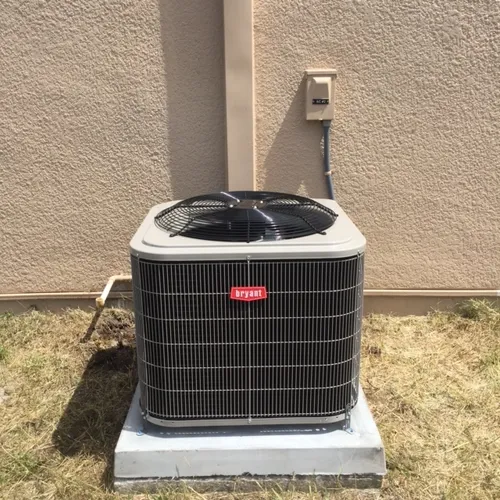
Boyette Air, Inc.
Tampa, FL
Boyette Air, Inc. is an HVAC company based in Tampa, FL, serving both residential and commercial clients. They offer a range of services including air conditioning repair, furnace installation, geothermal heat pump work, and commercial HVAC installation. The company handles projects of varying sizes, from quick repairs to extensive heating system installations, with licensed professionals managing the work.
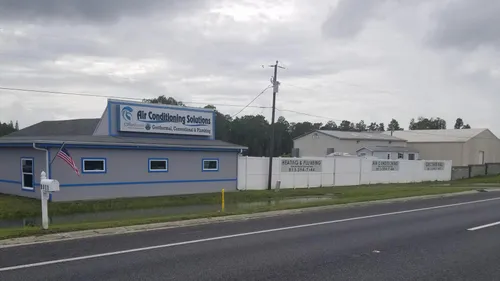
Air Conditioning Solutions
8021 Land O' Lakes Blvd, Land O' Lakes, FL 34638
Air Conditioning Solutions is an HVAC and plumbing contractor serving Tampa, FL, and the surrounding Tampa Bay Area. They specialize in heating, ventilation, and air conditioning services, including installation and repair of conventional and geothermal systems, ductwork, mini splits, and indoor air quality solutions. With over 200 geothermal systems installed across Florida, they bring extensive experience in energy-efficient heating and cooling options. The company holds master licenses and offers expert advice to help maintain home and business comfort.
How Geothermal Systems Work in Tampa's Climate
The principle behind a geothermal system is elegantly simple. Unlike traditional air-source heat pumps that exchange heat with the outside air, a ground-source heat pump exchanges heat with the earth. Just a few feet below the surface, the ground in Florida maintains a remarkably stable temperature of approximately 72°F year-round. This constant temperature is the key to the system's extraordinary efficiency.
During a sweltering Tampa summer, the system acts as a highly efficient air conditioner. Heat from inside your home is absorbed by a refrigerant and transferred to a water-based solution circulating through pipes buried in the ground. This fluid carries the unwanted heat into the earth, where it is dissipated 1. In the winter, the process reverses. The system extracts the gentle warmth stored in the ground, concentrates it using a refrigeration cycle, and distributes it throughout your home via your existing ductwork 2 3. This process requires far less electricity than generating heat from scratch, leading to significant savings.
Types of Geothermal Loop Systems
The underground portion of the system, called the ground loop, is where the heat exchange occurs. There are two primary categories of loops, each with configurations suited to different properties.
Closed-Loop Systems: This is the most common type for residential installations. A sealed, continuous loop of high-density polyethylene (HDPE) pipe is buried in the ground. A water-based antifreeze solution circulates through this loop, transferring heat to or from the earth without ever mixing with groundwater. Closed-loop systems come in two main configurations:
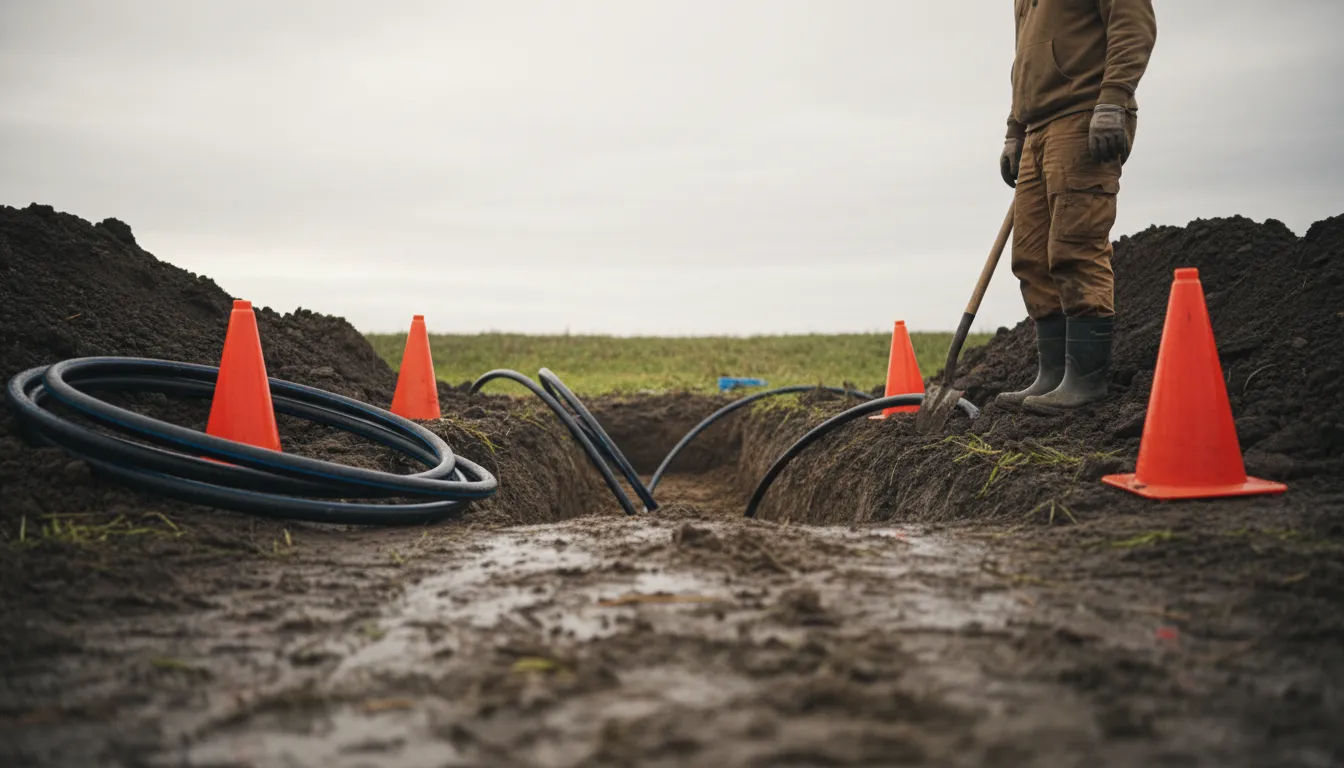
- Horizontal Loops: Pipes are laid in trenches typically 5 to 8 feet deep. This method requires a larger amount of land area but is often less expensive than vertical drilling if space is available.
- Vertical Loops: For homes with smaller yards, vertical loops are the ideal solution. Boreholes are drilled 150 to 400 feet deep, and U-shaped loops of pipe are inserted into each hole. This minimizes surface disruption and is excellent for limited urban lots.
Open-Loop Systems: Also known as water-source heat pumps, these systems use groundwater from a well or a pond as the direct heat exchange fluid. The water is pumped through the heat pump unit and then returned to the ground via a discharge well or back to the surface water body. This can be a highly efficient option in areas like Florida with abundant, suitable groundwater, but it requires a sufficient and consistent water source and adherence to local regulations 4 5 6.
The Installation Process: What to Expect
Installing a geothermal heating and cooling system is a significant project that involves careful planning and skilled excavation. Understanding the steps can help you prepare.
1. Site Evaluation and Design: A qualified installer will first assess your property. They'll evaluate soil conditions, available land, and your home's heating and cooling load to design the most effective and cost-efficient loop system. This step determines whether a horizontal trench or vertical borefield is best for you 7.
2. Loop Installation: This is the major excavation phase. For a horizontal system, trenches are dug across your yard. For a vertical system, a drilling rig will create the necessary boreholes. The HDPE pipe is then placed, connected, and pressure-tested to ensure there are no leaks. This stage causes the most temporary disruption to your landscape 8.
3. System Connection and Indoor Unit Installation: The buried loops are connected to the heat pump unit, which is typically installed indoors (in a garage, basement, or utility closet). This unit is connected to your home's existing ductwork or a new air distribution system. An experienced technician will charge the system, test all components, and ensure everything operates seamlessly.
4. Restoration: A reputable contractor will restore your yard after loop installation, grading the soil and re-seeding grass or landscaping as agreed upon in the contract.
Find the perfect geothermal heat pump contractors for your needs
Get personalized recommendations and expert advice
Costs, Savings, and Long-Term Value
The decision to install a geothermal system is an investment in long-term efficiency and comfort. While the upfront cost is higher than a conventional system, the operational savings and durability are compelling.
Installation Cost: For a typical Tampa home, a complete geothermal heat pump system installation generally ranges from $12,000 to $45,000 9. The final price depends heavily on the loop type (vertical drilling is more expensive than horizontal trenching), the size of your home, the soil conditions, and the equipment selected.
Energy Savings: This is where geothermal systems shine. By leveraging the earth's stable temperature, they operate with remarkable efficiency, often achieving 300-600% efficiency compared to the 100% efficiency of electric resistance heat. Homeowners can see a reduction of up to 70% on heating and cooling bills compared to standard systems 10 11 12. In Tampa's climate, where air conditioning runs for much of the year, these savings are substantial.
Payback and Lifespan: The payback period-the time it takes for energy savings to equal the initial investment-varies but is often cited between 5 and 10 years, especially when factoring in available tax credits and incentives. Furthermore, the components are built to last. The indoor heat pump unit typically has a lifespan of 20 years or more, while the underground polyethylene piping is incredibly durable and often comes with warranties of 25 to 50 years, and can potentially last for generations 13.
Benefits Beyond the Bill
The advantages of a ground-source heat pump extend beyond monthly utility savings.
- Quiet Operation: The main mechanical components are located indoors, and there is no loud outdoor condenser unit, leading to a quieter home and yard.
- Low Maintenance: With few moving parts and protected underground loops, these systems require less routine maintenance than conventional HVAC systems.
- Improved Humidity Control: Geothermal systems often run on longer, gentler cycles, which can remove more humidity from your home's air during the cooling season, enhancing comfort.
- Safety and Cleanliness: There is no combustion, carbon monoxide risk, or outdoor unit that can be damaged by weather.
Finding the Right Professional in Tampa
Selecting an experienced, certified installer is the most critical step in your geothermal project. Look for contractors who are accredited by organizations like the International Ground Source Heat Pump Association (IGSHPA). They should conduct a detailed Manual J load calculation for your home and provide a comprehensive quote that includes all excavation, equipment, and restoration work. Ask for local references and examples of previous installations.
Frequently asked questions
Sources
Footnotes
-
Geothermal Energy in Florida | Efficient Heating & Cooling - https://tonykellyinc.com/what-is-geothermal-energy-in-florida/ ↩
-
Geothermal Heating and Cooling - Greener Solutions Air Conditioning - https://www.greenersolutionsair.com/geothermal ↩
-
Geothermal (Ground Source) Heat Pumps - NY.gov - https://cleanheat.ny.gov/geothermal-heat-pumps/ ↩
-
How Does GeoThermal Air Conditioning Work in Florida? - https://symbiontservice.com/services/geothermal-air-conditioning/how-does-geothermal-ac-work/ ↩
-
FAQs • What types of ground-source heat pumps and configurat - https://concordma.gov/FAQ.aspx?QID=484 ↩
-
Geothermal Heat Pumps - Department of Energy - https://www.energy.gov/energysaver/geothermal-heat-pumps ↩
-
Geothermal Heat Pump Installation: What To Expect For Your ... - https://jomory.com/geothermal-heat-pump-installation-what-to-expect-for-your-property/ ↩
-
Geothermal heating & cooling, heat pumps, heat exchange ... - https://aztechgeo.com/residential-geothermal/how-it-works/ ↩
-
How Does A Geothermal Heat Pump Work? Complete 2025 Guide - https://solartechonline.com/blog/how-does-geothermal-heat-pump-work/ ↩
-
Geothermal Heating, Cooling, and Hot Water Systems - https://igshpa.org/wp-content/uploads/Homeowners-Guide-to-Geothermal.pdf ↩
-
Guide to Geothermal Heat Pumps - https://www.energy.gov/sites/prod/files/guide_to_geothermal_heat_pumps.pdf ↩
-
5 Things You Should Know about Geothermal Heat Pumps - https://www.energy.gov/cmei/articles/5-things-you-should-know-about-geothermal-heat-pumps ↩
-
Geothermal Heat Pump - DSO Electric Cooperative - https://dsoelectric.com/geothermal-heat-pump ↩