
Find the Best Geothermal Heat Pump Contractors for Your Business
No obligation • Fast responses • Nationwide coverage

Why you can trust HVAC Firms
HVAC Firms is a leading United States resource for evaluating HVAC service providers. Our team researches companies, checks credentials, and reviews customer feedback to present clear, unbiased information. Listings and rankings are based on merit, and companies cannot pay to change our editorial content.
Search providers near you
Top Geothermal Heat Pump Contractors in Greenwich, Connecticut Ranked
A geothermal heat pump, or ground-source heat pump, is a highly efficient heating and cooling system that leverages the earth's stable underground temperature. For Greenwich homeowners, this technology offers a powerful way to replace costly oil or propane systems, significantly reduce energy bills, and enhance home comfort year-round. This guide explains how geothermal systems work, what installation entails, and how you can connect with qualified local experts to explore this sustainable upgrade for your property.
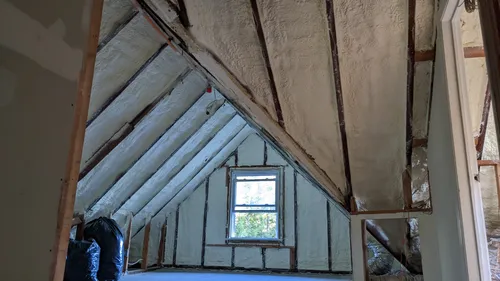
Geothermal Works, Inc.
New York, NY
Geothermal Works, Inc. is a geothermal heat pump contractor based in New York, NY. They specialize in installing efficient geothermal heating and cooling systems that transfer heat energy between the ground and buildings. This technology helps reduce energy use and environmental impact. The company shares extensive knowledge about geothermal systems and supports clients through the installation process.
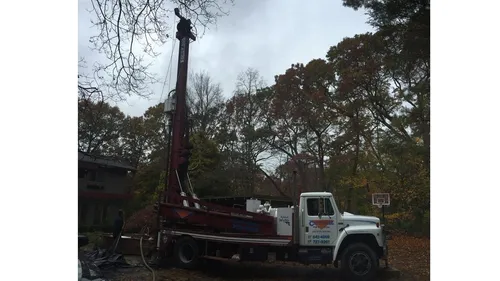
American Well & Pump
21 Prince St, Farmingdale, NY 11735
American Well & Pump is a geothermal heat pump contractor based in New York, NY, specializing in residential and commercial geothermal drilling services. They serve Nassau and Suffolk Long Island, offering a full range of geothermal drilling options including open and closed loop systems, standing column, horizontal trenching, and pump installations. The company has been operating since 1989 and uses heavy-duty equipment such as Schramm drill rigs and pump hoists to meet safety and quality standards.
How Geothermal Heating and Cooling Works
The core principle behind a ground-source heat pump is remarkably simple: it uses the earth as a constant temperature battery. Just a few feet below the surface, the ground maintains a stable temperature between 50°F and 60°F year-round, regardless of summer heat or winter cold in Connecticut. A geothermal system taps into this consistency to provide both heating and air conditioning.
The process involves three main components:
- The Ground Loop: A network of high-density polyethylene pipes is buried in your yard, either in deep vertical boreholes or horizontal trenches. A water-based fluid circulates through this sealed loop.
- The Heat Pump Unit: This indoor unit contains a compressor and a heat exchanger. It functions like a refrigerator in reverse, concentrating thermal energy.
- The Distribution System: The conditioned air is delivered through your home's existing ductwork or through a hydronic system like radiant floor heating.
In the winter, the fluid in the ground loop absorbs the earth's latent heat and carries it to the heat pump. The pump then concentrates this low-grade heat and releases it as warm air throughout your home1 2. In the summer, the system reverses: it extracts heat from your indoor air, transfers it to the fluid in the loop, and disperses it into the cooler ground, leaving chilled air to circulate inside3 4. This elegant exchange of heat, not the creation of it, is what makes geothermal technology so efficient, often cutting heating and cooling energy use by 30% to 70%.
Types of Geothermal Loop Systems for Greenwich Properties
Choosing the right ground loop configuration is a critical decision that depends heavily on your property's characteristics. Local geothermal contractors will perform a detailed site assessment to determine the best option.
- Closed-Loop Vertical Systems: This is the most common installation type in Greenwich and throughout Connecticut due to limited lot sizes5. A drilling rig creates boreholes typically 150 to 450 feet deep. U-shaped loops of pipe are inserted into each borehole, which are then grouted. Vertical systems are ideal for smaller yards and are less disturbed by surface-level landscaping, but they involve higher drilling costs, especially in rocky New England soil 6.
- Closed-Loop Horizontal Systems: This configuration requires more land area. Trenches are dug about five to eight feet deep in long, linear runs or slinky-coil patterns to accommodate several hundred feet of piping. While generally less expensive to install than vertical systems where space allows, they are less practical for the typically smaller, established properties in Greenwich.
- Pond or Lake Loops: If your property has access to a sufficiently large and deep body of water, a closed loop can be submerged at the bottom. This can be a very cost-effective option, but it requires specific water conditions and is not a common solution for most homes in the area.
The Geothermal Installation Process: What to Expect
Installing a residential geothermal system is a significant project that requires specialized expertise. Understanding the steps can help you prepare.
- Comprehensive Site Evaluation: A qualified installer will assess your property's soil composition, rock content, available space, and your home's heating and cooling loads. This evaluation is essential for designing an effective and properly sized system.
- Loop Field Installation: For a vertical system, a drilling rig will arrive to create the boreholes. The ground loop pipes are connected and pressure-tested before being lowered into the holes and grouted. For a horizontal system, a backhoe will dig the necessary trenches.
- Trenching and Connection: A trench is dug from the loop field to your home's foundation. The pipes from the ground loop are run through this trench and connected to the interior piping manifold.
- Indoor Unit Installation: The geothermal heat pump unit is installed in your basement, utility closet, or garage. It is connected to your home's ductwork (or radiant heating system) and to the incoming ground loop. Electrical connections are made to power the compressor and fan.
- System Startup and Commissioning: The installer fills the loop with fluid, purges air from the lines, and starts the system. They will test and calibrate all components to ensure optimal performance and efficiency.
Find the perfect geothermal heat pump contractors for your needs
Get personalized recommendations and expert advice
Key Considerations for Greenwich Homeowners
Before investing in a ground-source heat pump, several local factors are important to weigh.
- Upfront Investment: The installation of a geothermal system, particularly the ground loop, represents a significant initial cost, often ranging from $20,000 to over $40,000. The primary cost driver is the loop installation-drilling can be expensive, especially if the geology is challenging.
- Long-Term Savings & Payback: The high efficiency of geothermal systems translates to dramatically lower monthly energy bills, particularly when replacing an older oil or propane furnace. Homeowners can save 40% to 65% on heating and cooling costs7 8. This means the system often pays for itself through energy savings in a payback period of 4 to 15 years, after which you enjoy decades of low-cost comfort 9.
- Property Suitability: The size and topography of your yard are crucial. Vertical systems are designed for tight spaces, but you still need adequate access for drilling equipment. Soil and rock conditions will also impact the drilling method, time, and cost10 11.
- Local Permits and Regulations: Installing a geothermal system in Greenwich requires specific permits, especially for vertical drilling which may intersect with groundwater regulations. A reputable local installer will handle this permitting process.
Benefits Beyond Bill Savings
While the financial return is a major advantage, geothermal heat pumps offer other compelling benefits for your Greenwich home.
- Superior Comfort: These systems provide exceptionally even heating and cooling without the drafts or hot/cold spots associated with traditional forced-air systems. They also maintain ideal humidity levels in summer.
- Quiet Operation: With no noisy outdoor condenser unit (like a traditional air conditioner or air-source heat pump), the system runs very quietly. The main components are indoors, and the ground loop is silent.
- Durability and Low Maintenance: The underground piping often carries a warranty of 50 years or more and is virtually maintenance-free. The indoor heat pump unit typically lasts 20-25 years, longer than conventional HVAC equipment 12.
- Environmental Impact: By using renewable thermal energy from the ground and electricity (which is increasingly green), geothermal systems drastically reduce your home's carbon footprint. They use no fossil fuels on-site and have no combustion emissions 13.
A Realistic Example for a Greenwich Home
Consider a typical 2,000-square-foot colonial home in Greenwich currently heated by an old oil-fired boiler. The homeowner is facing high and volatile fuel costs. By installing a geothermal system with a vertical ground loop (requiring, for example, three boreholes at 200 feet deep), the upfront cost might be around $30,00014 15.
This investment eliminates the need for oil deliveries entirely. The home's heating and cooling now runs on highly efficient electricity. The annual savings on energy bills could amount to several thousand dollars, especially when oil prices are high. With available state incentives or federal tax credits, the payback period can be shortened significantly, leading to decades of reliable, low-cost, and clean comfort 16.
Frequently asked questions
Sources
Footnotes
-
Clean Energy 101: Geothermal Heat Pumps - RMI - https://rmi.org/clean-energy-101-geothermal-heat-pumps/ ↩
-
Geothermal Heat Pumps | WBDG - https://www.wbdg.org/resources/geothermal-heat-pumps ↩
-
How Does a Geothermal System Work? - ClimateMaster - https://www.climatemaster.com/homeowner/side-links/how-it-works ↩
-
Geothermal Heat Pumps - Department of Energy - https://www.energy.gov/energysaver/geothermal-heat-pumps ↩
-
Geothermal heating & cooling, heat pumps, heat exchange ... - https://aztechgeo.com/residential-geothermal/how-it-works/ ↩
-
Geothermal Heating, Cooling, and Hot Water Systems - https://igshpa.org/wp-content/uploads/Homeowners-Guide-to-Geothermal.pdf ↩
-
Geothermal Heat Pumps - EnergySmart CNY - https://www.energysmartcny.org/heat-pumps/geothermal/ ↩
-
5 Things You Should Know about Geothermal Heat Pumps - https://www.energy.gov/cmei/articles/5-things-you-should-know-about-geothermal-heat-pumps ↩
-
Geothermal Heat Pump Guide: Installation Costs, Types And Benefits - https://modernize.com/hvac/heating-repair-installation/heat-pump/geothermal ↩
-
Ground-Source Heat Pumps - Energize CT - https://www.energizect.com/sites/default/files/documents/ECT_21_GSHP_GUIDE_FIN_011222.pdf ↩
-
Geothermal heat pumps: The ultimate guide to ground-source ... - https://termo-plus.com/blog/geothermal-ultimate-guide-to-ground-source-heat-pumps/ ↩
-
Geothermal Heat Pumps, Explained - Bosch Home Comfort - https://www.bosch-homecomfort.com/us/en/residential/connect/blog/geothermal-heat-pumps-go-green-save-green/ ↩
-
Is There a Future for Gas Utilities? It Could Be Heating and Cooling Your Home (from the Ground) - https://www.sightline.org/2023/01/11/is-there-a-future-for-gas-utilities-it-could-be-heating-and-cooling-your-home-from-the-ground/ ↩
-
Everything You Need to Know About Geothermal Heat Pumps - https://www.familyhandyman.com/article/everything-you-need-to-know-about-geothermal-heat-pumps/ ↩
-
All You Need to Know About Home Geothermal Heating & ... - https://dandelionenergy.com/all-you-need-to-know-about-home-geothermal-heating-cooling ↩
-
How Do Geothermal Systems Work for Residential Homes? - https://www.davisheat.com/blog/how-do-geothermal-systems-work-for-residential-homes/ ↩