
Find the Best Geothermal Heat Pump Contractors for Your Business
No obligation • Fast responses • Nationwide coverage

Why you can trust HVAC Firms
HVAC Firms is a leading United States resource for evaluating HVAC service providers. Our team researches companies, checks credentials, and reviews customer feedback to present clear, unbiased information. Listings and rankings are based on merit, and companies cannot pay to change our editorial content.
Search providers near you
Top Geothermal Heat Pump Contractors in Bridgeport, Connecticut Ranked
A geothermal heat pump is a highly efficient home comfort system that uses the Earth's stable underground temperature to heat and cool your home. For Bridgeport residents, this technology offers a powerful way to reduce energy bills and environmental impact while achieving consistent, comfortable indoor temperatures year-round. This guide explains how these ground-source systems work, what installation entails, and how you can find qualified local experts to evaluate your property.
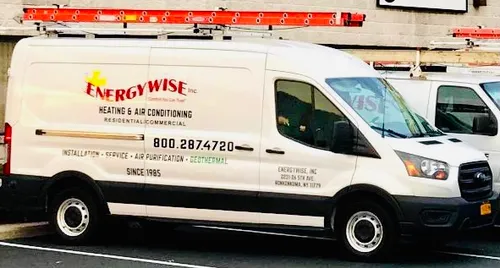
Energywise Inc
2231 5th Ave Suite 26, Ronkonkoma, NY 11779
Energywise Inc is an HVAC company based in New York, NY, specializing in heating and cooling solutions. They offer installation, repair, and maintenance services for a variety of systems including heat pumps, central air conditioning, ductless mini splits, geothermal systems, and traditional furnaces. Their factory-trained technicians provide expert guidance and personalized recommendations to optimize home comfort and energy efficiency. Energywise Inc emphasizes energy-efficient products and sustainable solutions to reduce environmental impact while maintaining reliable system performance. The company has decades of experience and provides 24/7 emergency repair services to address urgent heating or cooling issues promptly.
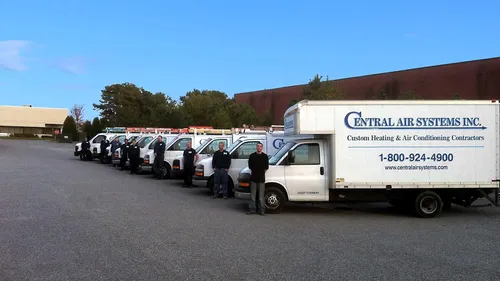
Central Air Systems, Inc
22 Scouting Blvd #2, Medford, NY 11763
Central Air Systems, Inc is an HVAC company serving New York, NY, specializing in heating and cooling services. They provide repair, installation, and maintenance for air conditioners, furnaces, boilers, and geothermal heat pumps. The company also offers indoor air quality services and HVAC tune-ups. Established in 1989, Central Air Systems has experience delivering comprehensive comfort solutions, including high-efficiency system installations and geothermal heating and cooling. Their technicians are factory trained and equipped to handle repairs for all major brands.
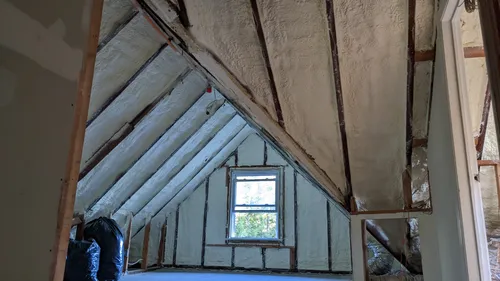
Geothermal Works, Inc.
New York, NY
Geothermal Works, Inc. is a geothermal heat pump contractor based in New York, NY. They specialize in installing efficient geothermal heating and cooling systems that transfer heat energy between the ground and buildings. This technology helps reduce energy use and environmental impact. The company shares extensive knowledge about geothermal systems and supports clients through the installation process.

ZBF Geothermal, LLC
New York, NY
ZBF Geothermal, LLC is a geothermal heat pump contractor based in New York, NY, serving Long Island and the surrounding areas. The company specializes in the design, installation, and servicing of geothermal systems for residential and commercial clients. They work with most major brands of geothermal and HVAC equipment and have been involved in notable projects such as NYC's first closed loop affordable passive housing project in Far Rockaway. Founded in 2012 by Zachary Fink, who comes from a family with over 70 years of experience in heating and air conditioning, ZBF Geothermal focuses on high-quality geothermal installations with industry-leading warranties and performance.
How Geothermal Heating and Cooling Works
A geothermal system, often called a ground-source heat pump, operates on a simple, elegant principle: it moves heat rather than creating it by burning fuel. Just a few feet below the surface, the Earth maintains a nearly constant temperature of around 50°F, regardless of the summer heat or winter cold above. A geothermal system acts as a heat sponge, using this thermal energy to your advantage.
The process involves two main components: the ground loop and the heat pump. A fluid (usually water mixed with antifreeze) circulates through a network of pipes buried underground, known as the ground loop. In the winter, this fluid absorbs the Earth's natural warmth. The warmed fluid is pumped to an indoor heat pump unit, which concentrates the heat and distributes it throughout your home via your existing ductwork or radiant floor system 1. In the summer, the process reverses: the system extracts heat from your home and transfers it into the cooler ground, effectively providing air conditioning.
Types of Ground Loops for Connecticut Homes
The underground piping, or ground loop, is the heart of the system. The right type for your Bridgeport home depends largely on your property's size, soil conditions, and layout.
Vertical Closed-Loop Systems: This is the most common configuration in Connecticut, including Bridgeport, where residential lot sizes are often limited. A drilling rig bores deep holes, typically 150 to 500 feet deep, and U-shaped pipes are inserted into each borehole. The holes are then sealed with a special grout that enhances heat transfer. This vertical approach requires minimal surface area but involves specialized drilling equipment.
Horizontal Closed-Loop Systems: If you have sufficient land, a horizontal loop may be an option. Trenches are dug about four to six feet deep, often 150 feet or more in length, and pipes are laid in a series of parallel runs 2 3. This method generally has a lower installation cost than vertical drilling but requires a larger, clear plot of land.
Pond or Lake Loops: This can be the most cost-effective option if your property has a suitable body of water. Coils of piping are submerged at the bottom of the pond or lake, where the water temperature remains stable 4. The water acts as an excellent heat exchange medium, but the loop must meet specific depth and quality requirements to function properly.
The Geothermal Installation Process in Bridgeport
Installing a residential geothermal system is a significant project that requires careful planning and professional expertise. Here's a typical step-by-step overview of what homeowners in Bridgeport can expect.
- Site Assessment and Design: A qualified installer will evaluate your home's heating and cooling loads, your property's geology, and available space. This assessment determines the optimal size and type of ground loop system for maximum efficiency 5 6.
- Drilling or Trenching: For a vertical system, a drill rig will arrive to create the boreholes. For a horizontal system, a backhoe will dig the necessary trenches. This is often the most visually dramatic phase of the installation 7.
- Loop Installation: The high-density polyethylene pipes are placed into the boreholes or trenches. For vertical loops, the pipes are connected at the bottom to form a U-bend and the borehole is filled with grout. The loops from multiple boreholes are then connected to a manifold.
- Connecting to the Home: The ground loop manifold is connected via buried pipes to the indoor heat pump location, usually in a basement, utility room, or garage.
- Indoor Unit Installation: The geothermal heat pump unit is installed and connected to your home's distribution system-whether it's forced-air ductwork, a hydronic system for radiant floors, or a combination. The system is also connected to your home's electrical panel and filled with fluid 8.
- System Startup and Testing: The installer will charge the system, purge air from the loops, and test all components to ensure everything operates safely and efficiently.
Find the perfect geothermal heat pump contractors for your needs
Get personalized recommendations and expert advice
Benefits and Long-Term Value of Geothermal Systems
The upfront investment for a geothermal heat pump is higher than for a conventional system, but the long-term benefits are substantial for Bridgeport homeowners.
Significant Energy Savings: Geothermal systems are remarkably efficient, delivering three to five units of heat for every one unit of electricity used. This can translate to savings of up to 65% on heating and cooling bills compared to systems using heating oil or propane 9. The savings on air conditioning in the summer are also notably high compared to standard air conditioners.
Lower Operating Costs and Payback: While installation typically ranges from $20,000 to $40,000 or more, the dramatic reduction in monthly energy bills leads to a payback period. Homeowners often see a return on investment within 4 to 15 years, depending on their previous fuel costs and energy consumption 10 11. With rising energy prices, this payback window can shorten.
Exceptional Durability and Low Maintenance: The underground loop system is incredibly durable, with a lifespan often exceeding 50 years 12 13. The indoor heat pump unit typically lasts 20 to 25 years-significantly longer than the 15-year average lifespan of a conventional furnace or air conditioner 14. With fewer mechanical parts exposed to the elements, maintenance is generally simple, involving routine air filter changes and periodic check-ups.
Environmental Comfort and Impact: Geothermal systems provide exceptionally even, draft-free heating and cooling. They also drastically reduce your home's carbon footprint by eliminating on-site fossil fuel combustion and using renewable thermal energy from the ground.
Is a Geothermal System Right for Your Home?
Geothermal technology is a fantastic option for many, but it's not a one-size-fits-all solution. It is an especially compelling choice if you are building a new home, replacing an old and inefficient heating system (like oil or propane), or have high annual energy bills. The suitability also depends on your property; while vertical drilling solves space constraints, soil conditions and bedrock must be assessed.
For existing homes, the integration is usually straightforward if you have ductwork. Homes without ducts can still use geothermal systems paired with ductless mini-split heads or hydronic radiant floor systems. The key is to consult with an experienced local installer who can provide a detailed analysis of your home's potential for geothermal heating and cooling.
Frequently asked questions
Sources
Footnotes
-
How a Geothermal Heat Pump Works | This Old House - https://www.youtube.com/watch?v=d5Tbsx3R2T8 ↩
-
PROS AND CONS OF GEOTHERMAL SYSTEMS - CGA.ct.gov - https://www.cga.ct.gov/2008/rpt/2008-R-0543.htm ↩
-
Geothermal Heat Pumps | AHRI - https://www.ahrinet.org/scholarships-education/education/contractors-and-specifiers/hvacr-equipmentcomponents/geothermal-heat-pumps ↩
-
Geothermal heating & cooling, heat pumps, heat exchange ... - https://aztechgeo.com/residential-geothermal/how-it-works/ ↩
-
Ground-Source Heat Pumps - Energize CT - https://www.energizect.com/sites/default/files/documents/ECT_21_GSHP_GUIDE_FIN_011222.pdf ↩
-
Geothermal Heat Pumps, Explained - Bosch Home Comfort - https://www.bosch-homecomfort.com/us/en/residential/connect/blog/geothermal-heat-pumps-go-green-save-green/ ↩
-
A Real Homeowner's Geothermal Installation Experience [2021] - https://radiantfamilyhome.com/geothermal-installation/ ↩
-
Geothermal Heat Pumps | WBDG - https://www.wbdg.org/resources/geothermal-heat-pumps ↩
-
Everything You Need to Know About Geothermal Heat Pumps - https://www.familyhandyman.com/article/everything-you-need-to-know-about-geothermal-heat-pumps/ ↩
-
Geothermal Heat Pump Guide: Installation Costs, Types And Benefits - https://modernize.com/hvac/heating-repair-installation/heat-pump/geothermal ↩
-
Geothermal Heat Pumps: How They Work and Benefits for Your ... - https://www.rbiva.com/resources/geothermal-heat-pumps-how-they-work-and-benefits/ ↩
-
Geothermal Heat Pumps - EnergySmart CNY - https://www.energysmartcny.org/heat-pumps/geothermal/ ↩
-
How Do Geothermal Systems Work for Residential Homes? - https://www.davisheat.com/blog/how-do-geothermal-systems-work-for-residential-homes/ ↩
-
How It Works: Geothermal Heat Pump 101 - GeoComfort Blog - https://geocomfort.com/blog/how-it-works-geothermal-heat-pump-101 ↩