Find the Best Furnace Repair Companies for Your Business
No obligation • Fast responses • Nationwide coverage

Why you can trust HVAC Firms
HVAC Firms is a leading United States resource for evaluating HVAC service providers. Our team researches companies, checks credentials, and reviews customer feedback to present clear, unbiased information. Listings and rankings are based on merit, and companies cannot pay to change our editorial content.
Search providers near you
Top Furnace Repair Companies in Oakland, California Ranked
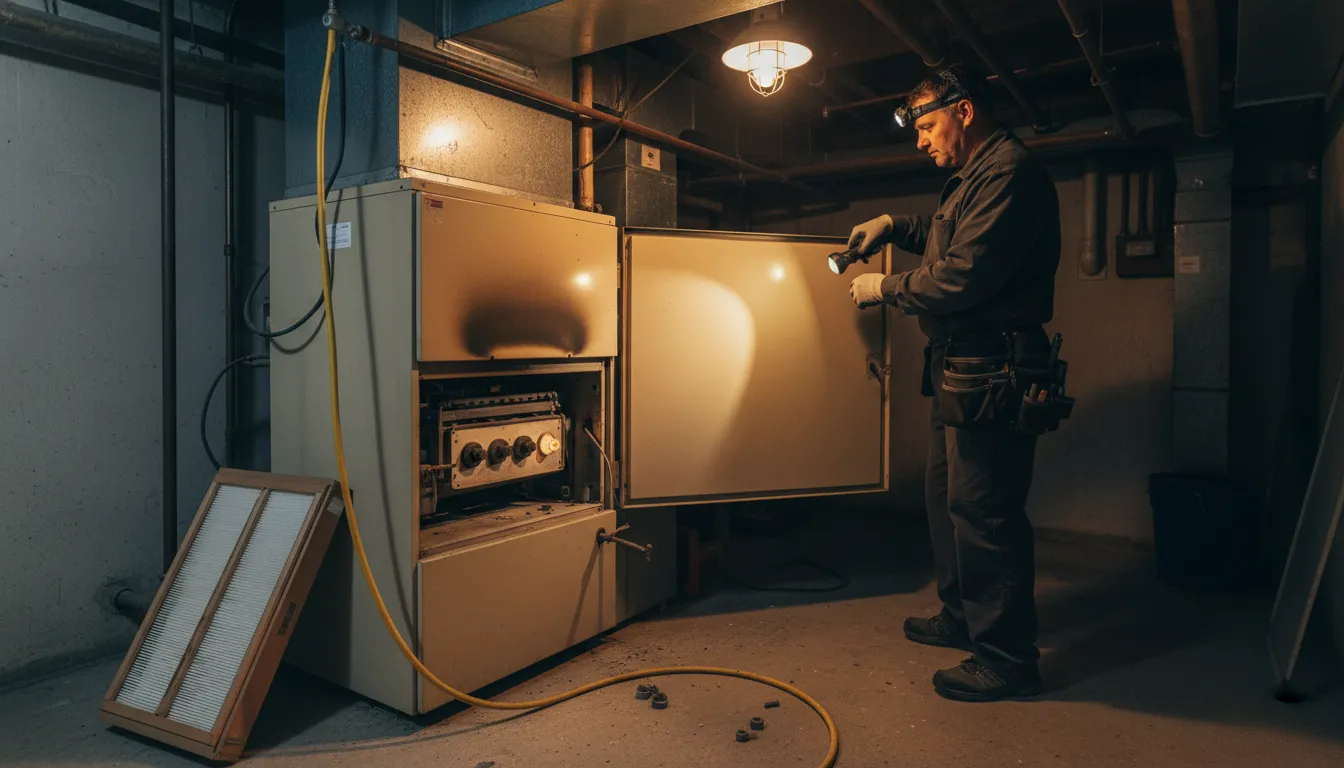
When your furnace stops working on a chilly Oakland evening, getting reliable and prompt heating repair is essential. Furnace repair involves diagnosing and fixing issues with your home's heating system to restore warmth, safety, and efficiency. This guide will help you understand the common furnace problems Oakland homeowners face, what to expect during a service call, and how to find a qualified local technician to get your heat running again.
Chill Heating and Cooling
23 Beta Ct suite f, San Ramon, CA 94583
Chill Heating and Cooling is a full-service HVAC company based in Oakland, CA, offering heating and cooling repairs, maintenance, and installations for residential and commercial clients. They provide services including air conditioning, furnace, heat pump, mini split, and thermostat installation and repair. The company is an authorized Carrier dealer and serves the Oakland area with expertise in diagnosing and repairing HVAC systems, as well as installing new units tailored to home or business needs. Chill Heating and Cooling is available for emergency calls and offers same-day service to address urgent heating and cooling issues.
Heating And Air Experts - Affordable HVAC Contractor in Fremont, California
4991 Seneca Park Loop, Fremont, CA 94538
Heating And Air Experts - Affordable HVAC Contractor in Fremont, California provides heating and cooling services in San Jose, CA. They handle installation and repair of air conditioners, furnaces, heat pumps, and boilers. Their work covers both new system setups and emergency repairs to maintain efficient and safe climate control throughout the year.
Elite Comfort Systems
570 Valdry Ct C3, Brentwood, CA 94513
Elite Comfort Systems is a family-owned HVAC company serving Oakland, CA, and the surrounding East Bay area. They provide heating and air conditioning repair and installation services, including heat pump installation and indoor air quality solutions. The company has been serving the community since 2008 and offers 24/7 emergency service to ensure homes remain comfortable year-round. Their technicians focus on quality workmanship and maintain a clean work environment during service visits.
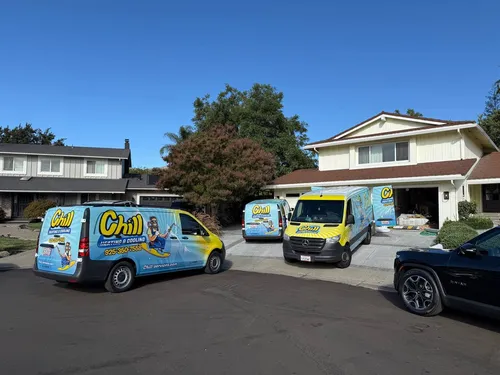
Chill Heating and Cooling
11 Cll Este, Walnut Creek, CA 94597
Chill Heating and Cooling is a full-service HVAC company serving Oakland, CA. They provide expert heating and cooling repairs, maintenance, and installations for residential and commercial customers. Their services include air conditioning, furnace, heat pump, mini split, and thermostat installation and repair. The company is an authorized Carrier dealer and works with major brands such as American Standard and Lennox. They offer emergency service availability and support new construction projects with fast and reliable HVAC system installations. Chill Heating and Cooling emphasizes customer satisfaction and provides professional diagnostics and repairs to maintain comfortable indoor environments year-round.
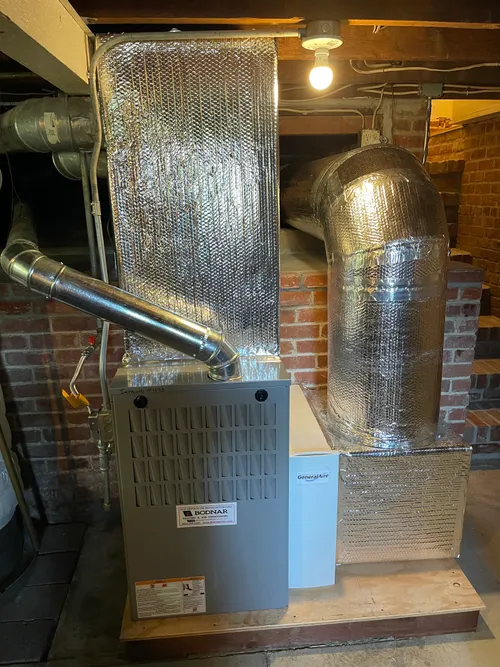
Bodnar Heating & Air Conditioning, Inc.
1251 Fifth Ave, Redwood City, CA 94063
Bodnar Heating & Air Conditioning, Inc. provides residential heating and cooling repair, installation, and maintenance services in Fremont, CA. They specialize in air conditioning, furnace, and heat pump systems, including thermostat installation and indoor air quality improvements. The company emphasizes honest recommendations without commission-based incentives and offers expertise backed by three generations of residential HVAC knowledge. Their services cover a broad area including Redwood City and nearby communities. Bodnar Heating & Air Conditioning, Inc. is committed to thorough system maintenance and proper installation to ensure long-lasting performance and energy efficiency.
Common Furnace Problems in Oakland Homes
Furnaces work hard during the Bay Area's cooler months, and several components are prone to wear and tear. Recognizing the symptoms can help you describe the issue more accurately to a technician.
- No Heat or Pilot Light Out: This is one of the most urgent calls for heating service. Often, the culprit is a faulty hot surface ignitor or a malfunctioning thermocouple that fails to sense the pilot flame 1. In modern furnaces, a bad ignitor is frequently the most common part to fail 1.
- Insufficient Heat or Poor Airflow: If some rooms are cold or the airflow from your vents feels weak, a severely dirty air filter is a likely and simple cause. Restricted airflow forces your furnace to work harder, reducing efficiency and potentially causing the system to overheat and shut off.
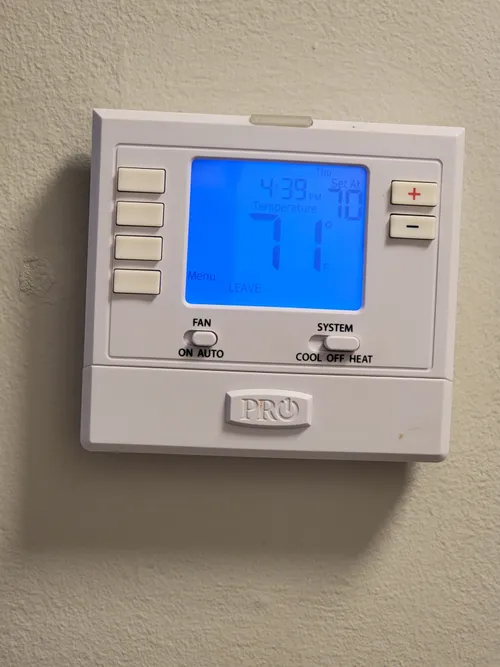
- Thermostat Malfunctions: Sometimes the issue isn't with the furnace itself. The thermostat could have incorrect settings, dead batteries, or internal component failure, preventing it from sending the correct signal to start the heating cycle.
- Frequent Cycling (Short Cycling): If your furnace turns on and off more frequently than normal, it could indicate an overheating issue, often due to a dirty filter or a failing component like a flame sensor or limit switch.
- Blower Motor Failure: The blower motor is responsible for circulating warm air through your ducts. If it fails, you might hear the furnace ignite but feel no air coming from the vents.
The Furnace Repair Process: What to Expect
Knowing the standard procedure for a furnace service call can make the experience smoother and ensure you get a proper fix.
- Scheduling the Service: You'll contact a local Oakland HVAC company to schedule an appointment. Many offer same-day or emergency service for urgent no-heat situations.
- Diagnostic Inspection: The technician will arrive and begin a systematic diagnosis. This typically includes checking your thermostat settings, inspecting and replacing the air filter if needed, examining vents for blockages, and testing critical furnace components like the ignitor, gas valve, pressure switches, and heat exchanger 2.
- Upfront Quote: After identifying the problem, a reputable technician will provide you with a clear, upfront price for the necessary parts and labor before any work begins.
- Repair Execution: With your approval, the technician will perform the repair. Common fixes include replacing a failed ignitor, cleaning or replacing a flame sensor, swapping out a blower motor, or repairing a gas valve issue.
- System Testing and Explanation: Once the repair is complete, the technician will test the entire system to ensure it operates safely and efficiently. They should also explain what was done and may offer advice on maintenance to prevent future issues 3.
Understanding Repair Timeframes and Costs
The complexity of the issue directly influences how long the furnace fix will take and its cost. Bay Area labor and parts costs can be higher than national averages, which is reflected in local service pricing 4 5.
Typical Repair Durations:
- Simple Fixes: Repairs like replacing a thermostat, cleaning a flame sensor, or installing a new ignitor are often completed within 30 to 60 minutes.
- Moderate Repairs: Jobs such as replacing a blower motor or a gas valve generally take between 1 to 4 hours.
- Major Repairs: Complex issues like a cracked heat exchanger or a failed inducer motor assembly can take longer, sometimes requiring a full day or more.
Cost Ranges for Furnace Repair in Oakland: Most companies charge a standard diagnostic or service fee, typically between $100 and $250, which is often applied toward the repair cost if you proceed. Labor rates usually range from $75 to $150 per hour 6.
- Minor Repairs: For simple parts like an ignitor, flame sensor, or thermostat, total costs often range from $150 to $400.
- Moderate Repairs: Replacing components like a blower motor, gas valve, or control board typically falls in the range of $400 to $900.
- Major Repairs: Addressing serious problems such as a damaged heat exchanger or a complete inducer motor replacement can cost $900 to $2,000 or more 7 8.
Find the perfect furnace repair companies for your needs
Get personalized recommendations and expert advice
The Importance of Timely Furnace Service
Waiting to address a furnace problem, especially as winter sets in, can lead to more than just discomfort. A malfunctioning furnace can operate inefficiently, significantly raising your energy bills. More critically, issues like a cracked heat exchanger can pose serious safety risks, including the potential for carbon monoxide leakage into your home. Scheduling prompt heating system repair at the first sign of trouble is an investment in your home's safety, comfort, and long-term operating costs.
Maintenance Tips to Avoid Common Repairs
Many common furnace breakdowns are preventable with basic, regular maintenance. Implementing these simple habits can extend the life of your system and save you money on emergency service calls.
- Change Air Filters Regularly: This is the single most important thing you can do. Check your filter monthly and replace it at least every 90 days, or more often if you have pets or allergies. A clean filter ensures proper airflow and system efficiency 9.
- Keep Vents and Registers Clear: Ensure furniture, rugs, or curtains are not blocking your supply and return air vents. Obstructed vents strain the furnace and disrupt heating balance in your home.
- Schedule Annual Professional Tune-Ups: Having a certified technician perform a pre-season inspection and cleaning each fall can catch small issues before they become big, costly problems. They will clean components, check safety controls, and ensure your system is running optimally 10 11.
- Know Your System: Familiarize yourself with the location of your furnace and its emergency shut-off switch. Listen for unusual noises like banging, screeching, or rumbling, which are often early warning signs of a developing issue.
Choosing a Reliable Oakland Furnace Repair Service
With many companies offering heating and cooling services in Oakland, selecting the right one is crucial. Look for a provider with strong local experience, proper licensing and insurance, and positive customer reviews. Technicians should be knowledgeable, courteous, and willing to provide clear, written estimates before starting work. A trustworthy company will prioritize your safety and comfort, offering solutions that fit your needs and budget.
Frequently asked questions
Sources
Footnotes
-
What Is The Most Common Part to Fail on a Furnace? - https://www.myqualitycomfort.com/general/what-is-the-most-common-part-to-fail-on-a-furnace/ ↩ ↩2
-
Common HVAC Troubleshooting Scenarios: A Technician's Guide - https://www.servicetitan.com/blog/hvac-troubleshooting-scenarios ↩
-
HVAC Install Checklist: Your Essential Installation Guide - Contractor Plus - https://contractorplus.app/blog/hvac-install-checklist ↩
-
Top Furnace Installation & Repair Pros In Oakland, CA - Modernize - https://modernize.com/near-me?find=furnace-installation-and-repair&location=Oakland,CA ↩
-
Furnace Replacement Cost in California - https://airandplumbing.com/how-much-does-it-cost-to-replace-furnace-your-complete-guide/ ↩
-
How Much Does it Cost to Repair a Furnace in 2026? - Modernize - https://modernize.com/hvac/heating-repair-installation/furnace-cost/repair ↩
-
Furnace Repair in Oakland, CA | Same-Day Heating Service - https://bayareaclimatecontrol.com/furnace-repair-oakland/ ↩
-
How Long Does It Usually Take to Repair a Furnace?. - https://www.tcmemt.com/post/how-long-does-it-usually-take-to-repair-a-furnace ↩
-
6 Important Things to Check Before Scheduling a Service Call - https://acmasters.com/6-things-to-check-before-scheduling-a-service-call/ ↩
-
A Guide to Expert HVAC Repair Services in Oakland, CA - https://orenservices.com/is-your-hvac-system-failing-expert-hvac-repair-services-in-oakland-ca/ ↩
-
Oakland Furnace Replacement | HVAC Repair - https://www.hasslerheating.com/service-area/oakland-hvac-services/ ↩