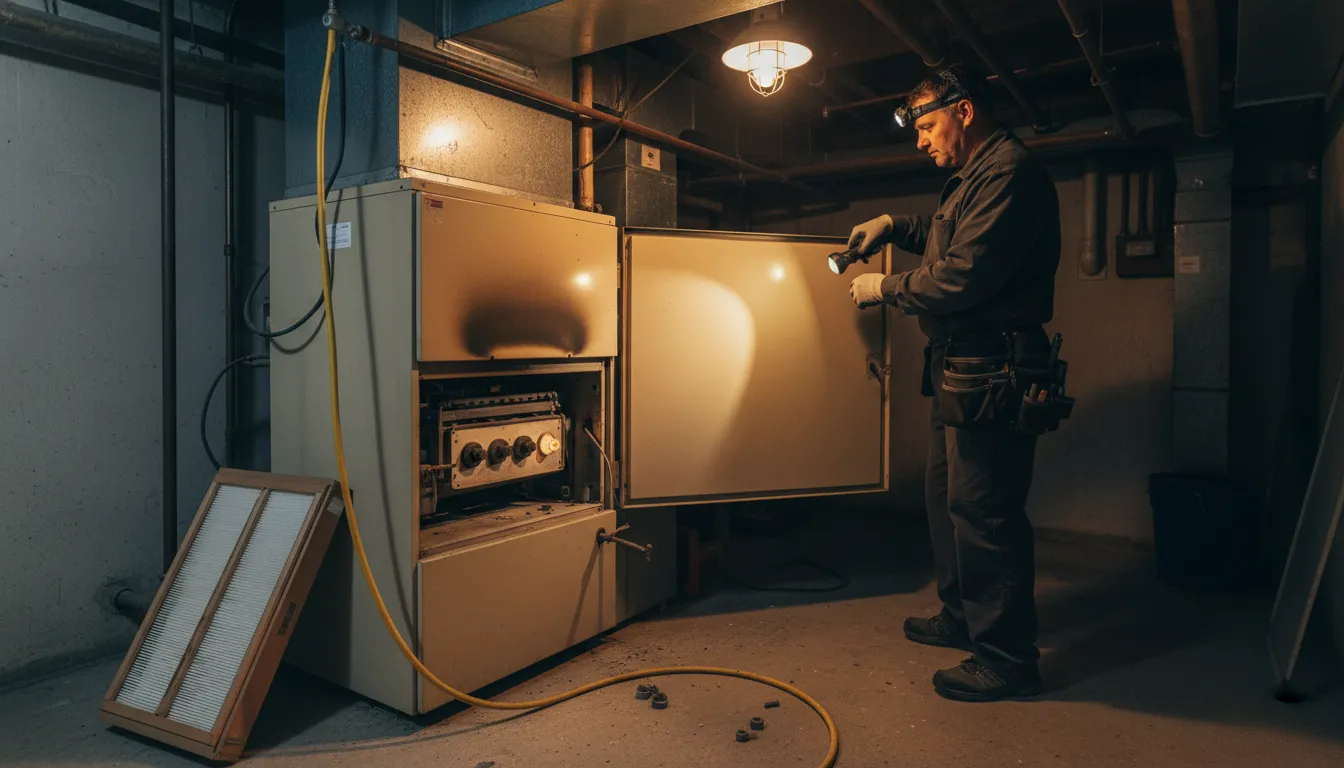
Find the Best Furnace Repair Companies for Your Business
No obligation • Fast responses • Nationwide coverage

Why you can trust HVAC Firms
HVAC Firms is a leading United States resource for evaluating HVAC service providers. Our team researches companies, checks credentials, and reviews customer feedback to present clear, unbiased information. Listings and rankings are based on merit, and companies cannot pay to change our editorial content.
Search providers near you
Best Furnace Repair Companies in California Ranked
A properly functioning furnace is essential for comfort and safety in homes across California, from the chilly Sierra Nevada winters to the cool coastal evenings. Furnace repair involves diagnosing and fixing issues with your heating system's components, from simple thermostat glitches to critical safety components like the heat exchanger. When your furnace isn't working correctly, it can lead to discomfort, high energy bills, and even safety hazards like carbon monoxide exposure. This guide helps you understand common furnace problems, the repair process, and how to find qualified local technicians to ensure your system operates safely and efficiently.
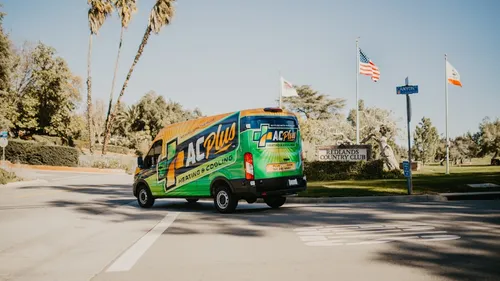
AC Plus Heating & Air Conditioning
14615 Palmdale Rd, Victorville, CA 92392
AC Plus Heating & Air Conditioning serves homeowners in Los Angeles, CA, offering a full range of HVAC services including air conditioning and furnace repair, installation, and maintenance. The company specializes in ductless mini split system installation, providing energy-efficient solutions tailored to home size and climate. Their technicians handle emergency repairs and routine tune-ups to keep systems running smoothly. Based in Victorville, AC Plus Heating & Air Conditioning brings years of experience to the Los Angeles area.
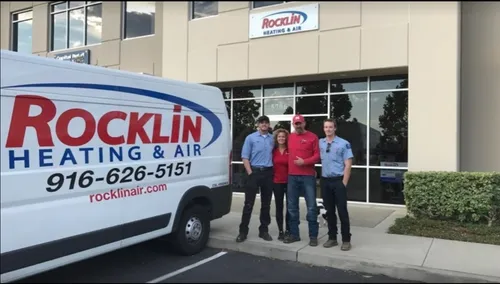
Rocklin Heating & Air
5706 Lonetree Blvd, Rocklin, CA 95765
Rocklin Heating & Air is a full-service heating and air conditioning company based near Sacramento, CA. They provide HVAC installation, repair, and tune-up services for both residential and commercial customers. Their team handles air conditioner and furnace repairs as well as new system installations, ensuring year-round comfort. The company emphasizes fair pricing and reliable workmanship, treating customers like family. While specific years in business are not stated, they serve Rocklin and surrounding areas and offer financing options with approved credit.
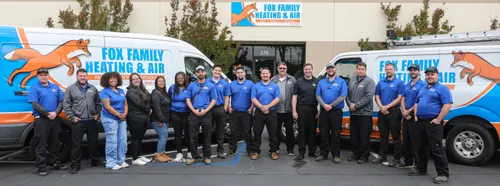
Fox Family Heating and Air Conditioning
3345 Sunrise Blvd #5, Rancho Cordova, CA 95742
Fox Family Heating and Air Conditioning provides a full range of HVAC services including installation, repair, replacement, and maintenance in Sacramento, CA. They serve the Sacramento area with skilled technicians capable of handling heating, air conditioning, and heat pump systems. The company emphasizes high standards and customer satisfaction in their work.
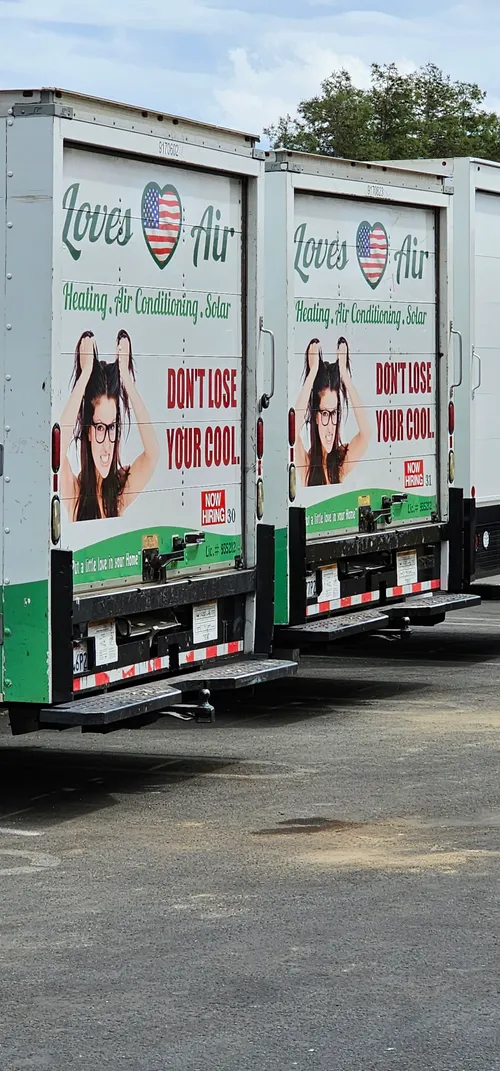
Loves Air
5536 Pirrone Rd, Salida, CA 95368
Loves Air is an HVAC and home improvement company serving Stockton, CA, specializing in heating and air conditioning installation, repair, and maintenance. They also provide solar panel installation, water heater services including tankless systems, and window replacement to improve home energy efficiency. Their team offers duct sealing to optimize airflow and reduce energy waste. With decades of experience and recognition as a top HVAC and solar company since 2018, Loves Air focuses on enhancing comfort and sustainability for local homes.
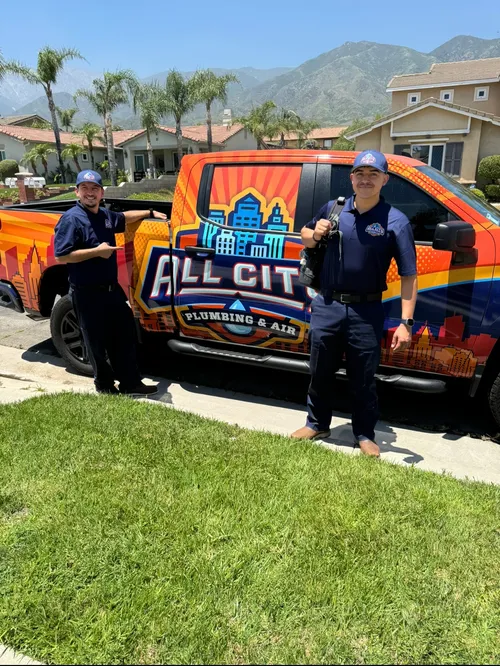
All City Plumbing, Air & Electrical
5612 E La Palma Ave, Anaheim, CA 92807
All City Plumbing, Air & Electrical is a full-service provider based in Anaheim, CA, offering plumbing, HVAC, and electrical services. They serve residential and commercial customers with repair, installation, and maintenance for air conditioning, furnaces, thermostats, and indoor air quality systems. The company is known for its ACE-certified technicians and uses advanced technology such as hydro jetting for plumbing services. With over 13 years in business, All City Plumbing, Air & Electrical provides 24/7 emergency service to address urgent HVAC and plumbing needs.
Common Furnace Problems in California
Recognizing the signs of a struggling furnace can help you address issues before they lead to a complete breakdown. Here are the most frequent problems reported by California homeowners.
No Heat or Insufficient Heat This is the most obvious sign of trouble. The causes can range from simple to severe:
- Faulty Ignitor: This is often cited as the most common part to fail on a modern furnace. The hot surface ignitor lights the gas burners; if it's cracked or worn out, the furnace won't start.
- Clogged Air Filter: A dirty filter is a primary culprit for reduced airflow, causing the furnace to overheat and shut off (short cycle) or simply not blow enough warm air.
- Thermostat Issues: The problem might not be the furnace at all. Dead batteries, incorrect settings, or a malfunctioning thermostat can prevent the system from turning on.
- Cracked Heat Exchanger: This is a serious safety issue. A crack can allow carbon monoxide (CO) to leak into your home's air supply. A furnace with a cracked heat exchanger must be repaired or replaced immediately.
Strange Noises Unusual sounds are rarely a good sign and often indicate mechanical wear.
- Squealing or Screeching: Often points to a worn blower motor belt or issues with the motor bearings.
- Rumbling or Booming: Could indicate dirty burners, delayed ignition, or an issue with the gas valve.
- Banging or Clanging: May be a sign of loose internal components, ductwork that has come loose, or a problem with the inducer motor.
Gas Odors Any smell of natural gas (like rotten eggs) is an immediate safety concern. You should shut off the gas supply if possible, leave the home, and call for professional help and your gas company from outside. This could indicate a gas leak or improper venting of combustion gases.
Short Cycling This occurs when the furnace turns on and off more frequently than normal. It's hard on the system and reduces efficiency. Common causes include an oversized furnace, a dirty flame sensor, restricted airflow from a clogged filter, or a malfunctioning thermostat.
The California Seasonal Impact on Furnace Service
The timing of furnace maintenance and repair in California is heavily influenced by regional climates and seasonal demand.
Fall and Winter (Heating Season) This is the critical period for furnace service. Scheduling a pre-season tune-up in early fall is highly recommended, especially for inland areas that experience colder winters. This proactive check can identify issues like a weakening ignitor or a dirty flame sensor before the first cold snap hits, when service wait times are longest. Key pre-winter checks focus on the heat exchanger for cracks, burner condition, gas line integrity, and ensuring carbon monoxide detectors are functional.
Spring and Summer (Cooling Season) While the focus shifts to air conditioning, it's a smart time to address any lingering furnace issues. Many HVAC companies offer combined maintenance plans. A spring check can prevent small furnace problems from compounding with AC issues, ensuring your entire HVAC system is ready for the next heating season. It's also a less busy time for heating specialists, potentially leading to faster service and more scheduling flexibility.
The Professional Furnace Repair Process
When you call a technician, they follow a systematic process to diagnose and resolve your furnace issue safely and effectively.
-
Initial Diagnosis: The technician will start by discussing the symptoms with you. They will then check the thermostat settings and batteries, inspect the air filter, and listen for unusual sounds during startup. A visual inspection for signs of soot, corrosion, or loose connections is also part of this stage.
-
Component Testing: Using specialized tools, the technician will test key components. This includes checking electrical voltages, testing the ignitor and flame sensor, assessing the blower motor and capacitor, and inspecting the burners for proper flame. A crucial safety step is a thorough inspection of the heat exchanger for any cracks or corrosion.
-
Repair or Replacement: Once the faulty component is identified, the technician will explain the issue and provide repair options. This may involve replacing a failed part (like an ignitor, capacitor, or thermostat) or fixing ancillary issues like duct leaks that are impacting system performance 1.
-
Final Safety and Performance Check: After the repair, a responsible technician will never simply turn on the furnace and leave. They will perform a complete safety check, confirming proper ignition, combustion, venting of exhaust gases, and-most importantly-checking for dangerous carbon monoxide (CO) levels in the air stream and around the unit. They will also verify the system is cycling correctly and delivering heated air properly.
Find the perfect furnace repair companies for your needs
Get personalized recommendations and expert advice
Critical Safety Checks During Furnace Repair
Safety is the paramount concern in any furnace service. Reputable technicians prioritize these checks:
- Carbon Monoxide Testing: This is non-negotiable. Technicians use combustion analyzers to measure CO levels in the flue gases and should also check for CO in the air supply leaving the furnace. A cracked heat exchanger is a primary source of CO danger.
- Gas Leak Inspection: The technician will perform a visual and odor check and may use a gas leak detector to inspect the gas line connections, valve, and burner assembly for any leaks.
- Venting System Integrity: They will ensure the flue pipe is securely connected, free of blockages (like bird nests), and properly venting combustion gases to the outside. Poor venting can cause CO to backdraft into the home 2.
- Electrical Safety: Wiring and electrical connections will be inspected for damage, corrosion, or overheating to prevent fire hazards 3.
Understanding Furnace Repair Costs in California
Repair costs can vary widely based on the part needed, labor rates in your area, and the time of year. Here's a general breakdown of what you might expect:
- Diagnostic/Service Fee: Most companies charge a fee for the initial visit and diagnosis, typically ranging from $75 to $150. This fee is often waived or applied if you proceed with the recommended repair.
- Common Repairs:
- Replacing a faulty hot surface ignitor or flame sensor: $150 - $300+ (parts and labor) 4.
- Installing a new programmable thermostat: $100 - $250+.
- Replacing a blower motor: $300 - $600+, depending on accessibility and motor type.
- Major Repairs:
- Heat exchanger replacement is one of the most expensive repairs due to the part cost and labor intensity, often ranging from $1,000 to $2,000+ 5. In many cases, if the furnace is older, replacing the entire unit may be a more cost-effective and reliable option.
- New Furnace Installation: If repair isn't economical, full replacement costs for a standard efficiency gas furnace in California generally start around $2,000 and can exceed $5,000+ for high-efficiency models with complex installation requirements 6.
Always request a detailed, written estimate before authorizing any major repair. A trustworthy technician will explain why the part failed and how the repair will restore safe, efficient operation.
Maintaining Your Furnace to Avoid Repairs
Consistent maintenance is the best way to minimize repair costs and extend your furnace's life.
- Change Air Filters Regularly: Check your filter monthly and replace it every 1-3 months, especially during peak heating season. This is the simplest and most effective maintenance task you can do 7 8.
- Schedule Annual Professional Tune-Ups: A yearly inspection by a qualified technician can catch small problems early. They will clean components, test safety devices, and ensure optimal efficiency 9 10 11.
- Keep Vents and Registers Clear: Ensure furniture, rugs, or curtains are not blocking supply and return air vents throughout your home.
- Test Carbon Monoxide Detectors: Install CO detectors on every level of your home near sleeping areas and test their batteries monthly. They are your last line of defense against a dangerous malfunction 12.
Frequently asked questions
Sources
Footnotes
-
Heating Service in Fullerton, CA - Repair & Maintenance - https://www.preciseairsystems.com/heating/heating-service-in-fullerton-ca ↩
-
Heating Repair in San Rafael, CA - Expert Service - Airflow Pros - https://www.afpheating.com/heating/heating-repair-san-rafael-ca ↩
-
HVAC Post-Installation Testing Checklist - Blue Collars - https://bluecollars.com/hvac-post-installation-testing-checklist/ ↩
-
What Is The Most Common Part to Fail on a Furnace? - https://www.myqualitycomfort.com/general/what-is-the-most-common-part-to-fail-on-a-furnace/ ↩
-
A technician determines that a natural gas furnace has a defective heat ... - https://brainly.com/question/47266426 ↩
-
How Much Does it Cost to Repair a Furnace in 2025? - https://modernize.com/hvac/heating-repair-installation/furnace-cost/repair ↩
-
6 Important Things to Check Before Scheduling a Service Call - https://acmasters.com/6-things-to-check-before-scheduling-a-service-call/ ↩
-
Factors Impacting Furnace Efficiency & Improvement Tips - Shipley Energy - https://www.shipleyenergy.com/resources/efficiency/furnace-efficiency-tips/ ↩
-
Furnace Inspection: Importance, Costs, and What to Expect | Bryant - https://www.bryant.com/en/us/products/gas-furnaces/inspection/ ↩
-
Seasonal HVAC Maintenance | Heating and Cooling - Goodman - https://www.goodmanmfg.com/resources/hvac-learning-center/maintenance/seasonal-heating-and-air-conditioning-maintenance ↩
-
Furnace Maintenance Checklist: Your Heater Running Efficiently All Winter - https://www.degreeheatingandcooling.com/news/furnace-maintenance-checklist-your-heater-running-efficiently-all-winter/ ↩
-
Furnace Maintenance Checklist: Ensuring Safety, Efficiency, and Comfort - https://oceanaircool.com/furnace-maintenance-checklist-ensuring-safety-efficiency-and-comfort/ ↩