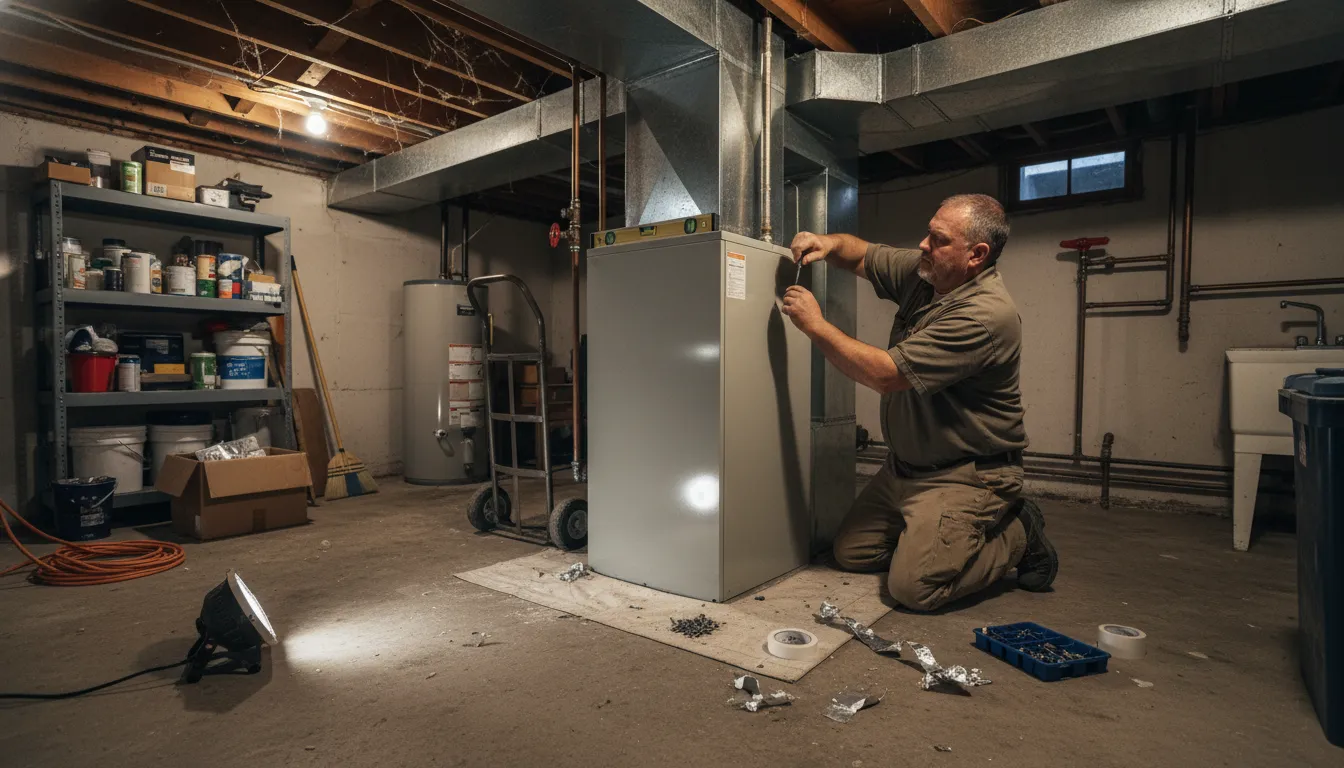
Find the Best Furnace Installation & Replacement Contractors for Your Business
No obligation • Fast responses • Nationwide coverage

Why you can trust HVAC Firms
HVAC Firms is a leading United States resource for evaluating HVAC service providers. Our team researches companies, checks credentials, and reviews customer feedback to present clear, unbiased information. Listings and rankings are based on merit, and companies cannot pay to change our editorial content.
Search providers near you
Top Furnace Installation & Replacement Contractors in Austin, Texas Ranked
Installing or replacing a furnace is a significant home investment that directly impacts your comfort, energy bills, and indoor air quality, especially in a city with a climate as unique as Austin's. While our winters are generally mild, the occasional severe cold front makes reliable heating essential. This guide is designed to help you understand your options for heating system installation, from choosing the right type of unit to navigating the installation process, so you can find a qualified local provider for your project.
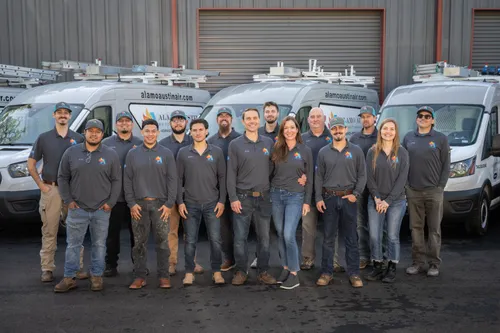
Alamo Austin Air Conditioning & Heating
8819 Jim Davis Pl, Austin, TX 78736
Alamo Austin Air Conditioning & Heating is a family-owned HVAC company serving Austin, TX, and nearby areas since 2006. They offer a range of services including air conditioning and furnace repair, installation, thermostat installation, and HVAC tune-ups. The company is a Carrier Factory Authorized Dealer, providing expertise in zone control system replacement and coil repairs. Their Advantage Club maintenance plan includes a 20-point air conditioning tune-up to help maintain system performance during Austin's hot summers.
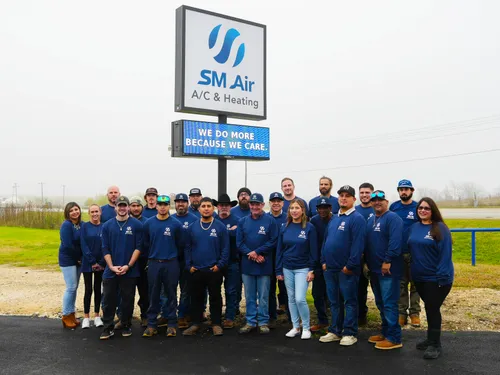
SM Air A/C & Heating
3500 TX-123, San Marcos, TX 78666
SM Air A/C & Heating provides heating and cooling services in Austin, TX, specializing in repair, installation, and maintenance of HVAC systems. Their offerings include furnace and heat pump services, air conditioning repairs and installations, and indoor air quality solutions such as air purifiers and whole-home dehumidifiers. The company serves residential customers with a focus on energy-efficient and reliable HVAC solutions. SM Air is a member of the ACCA and emphasizes using innovative technology to meet industry standards and customer needs.
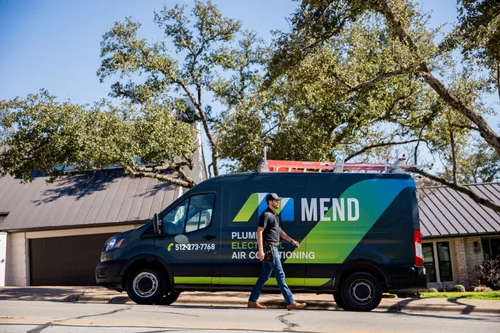
Mend Services
12951 Wright Rd, Buda, TX 78610
Mend Services is a comprehensive home service provider based in Austin, TX, offering plumbing, electrical, and HVAC solutions. They serve Austin and surrounding areas including Buda, Cedar Park, Round Rock, and more. Their HVAC services cover installation, repair, and maintenance of air conditioning, furnaces, heat pumps, mini splits, and smart thermostats, along with indoor air quality solutions like humidifiers and air purifiers. Mend Services also provides 24/7 emergency after-hours support. The company emphasizes a workmanship guarantee and integrates smart technology for efficient home system management.
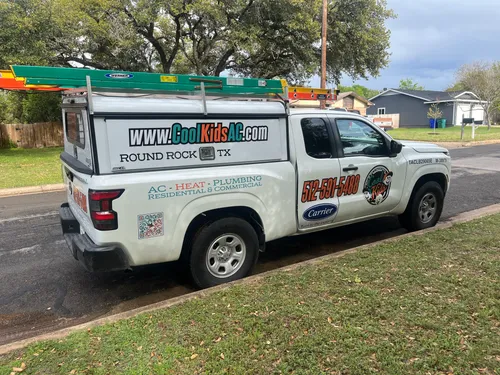
Cool Kids AC, Heat & Plumbing
907 Fieldstone Pl, Round Rock, TX 78664
Cool Kids AC, Heat & Plumbing is a family-owned HVAC company serving Austin, TX, and the surrounding areas. They provide a range of services including air conditioning and furnace repair, installation, and tune-ups, as well as indoor air quality solutions. Their team offers same-to-next-day HVAC system replacements and emphasizes homeowner education on maintenance to prevent future issues. They recommend bi-annual maintenance to keep systems efficient and extend their lifespan. Cool Kids AC, Heat & Plumbing is available for service calls during days, nights, and weekends.
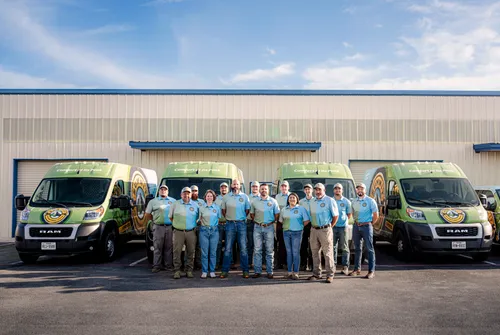
Summit Air Conditioning & Heating, LLC
1955 FM2001 #200, Buda, TX 78610
Summit Air Conditioning & Heating, LLC is a family-owned HVAC company serving Austin, TX, and the greater Buda area. Since 1998, they have provided heating and cooling services including installation, repair, and maintenance of air conditioning and furnace systems. Their expertise also covers indoor air quality improvements such as duct replacement and smart thermostat installation. Summit Air Conditioning & Heating works with both residential and commercial clients, offering tailored solutions to handle Texas weather extremes and improve energy efficiency.
Understanding Austin's Unique Heating Needs
Austin's climate presents a specific set of challenges and considerations for heating system selection. Our winters are short and typically mild, with daytime highs often in the 60s and overnight lows in the 30s and 40s. However, the region is prone to sudden, severe cold fronts that can bring freezing temperatures for short periods. This pattern of low overall heating demand punctuated by brief, intense cold snaps is the primary factor guiding furnace and heat pump choices here.
Because the heating season is relatively short, the payback period for ultra-high-efficiency heating equipment can be longer than in colder climates. However, efficiency remains important for managing utility costs and environmental impact. Furthermore, Austin's high humidity and significant allergen levels mean your heating system's role in managing indoor air quality is crucial. Systems with variable-speed blowers can significantly improve dehumidification and air filtration during the cooler months 1. All new installations must also comply with Austin's strict local energy codes, which are often based on the International Energy Conservation Code (IECC) and require proper permitting 1 2.
Types of Heating Systems for Austin Homes
Selecting the right type of heating equipment is the first critical step. The most common options in Austin include natural gas furnaces, electric furnaces, heat pumps, and dual-fuel systems.
Natural Gas Furnaces Natural gas furnaces are the most common and preferred choice for homes with existing gas lines, prized for their reliability and typically lower fuel costs compared to electricity for heating 3. They come in two main efficiency categories:
- Standard Efficiency (80% AFUE): These are popular, cost-effective units that convert 80% of the fuel's energy into heat. They are a solid choice given Austin's shorter heating season.
- High-Efficiency (90%+ AFUE): These models are gaining traction. They extract more heat from the same amount of gas and require special PVC venting. While the upfront cost is higher, they offer superior energy savings and comfort 4 5.
Electric Furnaces and Air Handlers Often used in homes without access to natural gas, electric furnaces generate heat using electrical resistance elements. They can also serve as the air handler component for a heat pump system. While sometimes less expensive to install, their operational costs can be higher due to electricity rates 6.
Heat Pumps Many experts consider heat pumps ideal for Austin's climate. Unlike a furnace that creates heat, a heat pump moves existing heat from the outside air into your home. This process is highly efficient for both heating and cooling, providing year-round climate control from a single system. For most of our mild winter, a heat pump operates very efficiently. However, during rare extreme cold snaps, its capacity can diminish, sometimes requiring a supplemental electric heat strip for backup.
Dual-Fuel Systems A dual-fuel system combines the strengths of both a heat pump and a gas furnace. The heat pump handles heating during Austin's many mild days, offering high efficiency. When temperatures drop below a set point where the heat pump becomes less effective, the system automatically switches to the gas furnace for powerful, reliable heat. This configuration is often recommended for maximum annual efficiency and comfort in our variable climate 7 8.
Find the perfect furnace installation & replacement contractors for your needs
Get personalized recommendations and expert advice
The Professional Installation Process: What to Expect
A proper furnace or heating system installation is a meticulous process that ensures safety, efficiency, and longevity. Reputable providers follow a series of key steps.
- Site Inspection and Load Calculation: This is the most critical first step. A technician will perform a Manual J load calculation, which is a detailed assessment of your home's heating (and cooling) needs. It factors in square footage, insulation quality, window types and orientation, and local climate data to determine the precise BTU output required. Never accept an installation based solely on the size of your old unit; proper sizing is essential for efficiency and comfort in Austin's specific conditions.
- Removal of the Old System: The old furnace is safely disconnected from the gas supply (if applicable), electrical wiring, and venting system, and then removed from the premises.
- Ductwork and Venting Inspection: The existing ductwork will be inspected for leaks, damage, and proper sizing. Sealing and repairing ducts is crucial in our humid climate to ensure efficient airflow and prevent energy loss. For high-efficiency gas furnaces, new PVC venting will be planned.
- New Unit Installation: The new furnace or air handler is set in place, leveled, and secured. Gas lines (for gas units), electrical connections, condensate drainage, and new venting are installed according to strict manufacturer and code specifications 9.
- System Calibration and Testing: The installer will test gas pressure (for gas furnaces), airflow, electrical circuits, and all safety controls, including ignition systems and carbon monoxide sensors. The thermostat is calibrated, and the system is run through multiple cycles to ensure proper operation 10 11.
- Final Inspection and Cleanup: The work area is cleaned, and the homeowner is walked through the system's operation. The provider will often arrange for the final inspection required by the City of Austin's Development Services Department 12.
Cost Considerations for Furnace Installation in Austin
The total cost for a new heating system installation varies based on the unit type, efficiency, home size, and complexity of the install. In Austin, residential furnace installation and replacement typically range between $4,200 and $8,500+ for standard to high-efficiency gas systems, including both the unit and professional labor 13.
- Standard Gas Furnace (80% AFUE): $4,200 - $6,000 14.
- High-Efficiency Gas Furnace (90%+ AFUE): $5,500 - $8,000+.
- Electric Furnace/Air Handler: $1,800 - $7,300, depending heavily on capacity and electrical requirements.
- Labor Costs: Professional labor generally accounts for $875 - $1,245 of the total, with installers charging $50-$75 per hour 15 16.
- Complex Installations: For large homes or those requiring significant ductwork modifications, electrical upgrades, or custom solutions, costs can reach $10,000 or more.
A valuable tip for homeowners with older systems: if your air conditioner is also nearing the end of its life, replacing both the furnace and AC simultaneously can save $1,500 - $3,000 in combined labor costs, as much of the work overlaps 17.
Important Note on Future Costs: Be aware that new federal efficiency and refrigerant standards taking effect in 2025-2026 are expected to increase the cost of new HVAC systems by approximately 10%-25% 18. Planning a replacement before these mandates fully phase in may offer cost savings.
Key Factors for a Successful Installation
Beyond cost and equipment type, focus on these elements to ensure a quality outcome:
- Proper Sizing: Reiterating the importance of the Manual J calculation-an oversized unit will short-cycle, reducing efficiency and dehumidification, while an undersized unit will struggle to heat your home on the coldest nights.
- Air Quality Integration: Discuss options for enhanced air filtration (like high-efficiency media filters) and humidity control, which are particularly beneficial in Austin.
- Warranty and Service: Understand the manufacturer's warranty on the equipment and the labor warranty provided by the installer. Choose a provider known for reliable follow-up service.
- Permits and Codes: Ensure your provider pulls the necessary permits from the city. This not only ensures compliance but also triggers an independent inspection that verifies the installation's safety and quality.
Frequently asked questions
Sources
Footnotes
-
How Austin's Unique Climate Impacts HVAC System ... - https://freedomhvac.us/how-austins-unique-climate-impacts-hvac-system-performance/ ↩ ↩2
-
Is a Heat Pump or Gas Furnace Better for Austin Homes? - https://www.tothetplumbingandheating.com/post/is-a-heat-pump-or-gas-furnace-better-for-austin-homes ↩
-
Heat Pumps vs. Furnaces: Which is Best for Austin Homes? - https://abaaustin.com/blog/heat-pump-vs-furnace/ ↩
-
Furnaces - Intelligent Air Services - https://www.iairservices.com/heating-services/furnaces/ ↩
-
Types of Furnaces: Gas, Electric, Oil & Propane - Bryant - https://www.bryant.com/en/us/products/gas-furnaces/types/ ↩
-
What Are The Different Types Of Furnaces? | Austin, TX - https://www.blueair-ac.com/what-are-the-different-types-of-furnaces/ ↩
-
What Is the Ideal HVAC System for Austin's Climate? - https://hvacexpress.pro/what-is-the-ideal-hvac-system-for-austins-climate/ ↩
-
Is a Heat Pump or Gas Furnace Better for Austin Homes? - https://www.tothetplumbingandheating.com/post/is-a-heat-pump-or-gas-furnace-better-for-austin-homes ↩
-
Furnace Installation Guide: What to Expect During Replacement - https://modernize.com/hvac/heating-repair-installation/furnace-installation ↩
-
Heating Replacement - Intelligent Air Services - https://www.iairservices.com/heating-services/heating-replacement/ ↩
-
What to Expect During Your Furnace Installation Appointment | Bryant - https://callbryant.com/what-to-expect-during-your-furnace-installation-appointment/ ↩
-
Heating Installation - Intelligent Air Services - https://www.iairservices.com/heating-services/heating-installation/ ↩
-
How Much Does New Furnace Cost in Austin, TX? - Angie's List - https://www.angi.com/articles/how-much-does-it-cost-install-new-furnace/tx/austin ↩
-
How Much Should a New Furnace Cost? - AC Express - https://austinacexpress.com/blog/how-much-should-a-new-furnace-cost ↩
-
What's the Average Cost of HVAC Services in Texas? - https://thermaconservice.com/average-hvac-service-costs-texas/ ↩
-
Texas Furnace Installation Costs & Considerations - https://ctrairandheat.com/blog/furnace-installation-costs-texas/ ↩
-
Furnace Replacement Cost In 2025 - Homeowners' Guide In TX & NC - https://greenleafair.com/furnace-replacement-cost/ ↩
-
Understanding the 2025 HVAC Refrigerant Mandate - https://coolmenow.com/blog/2025/05/16/understanding-the-2025-hvac-refrigerant-mandate-what-austin-homeowners-need-to-know/ ↩