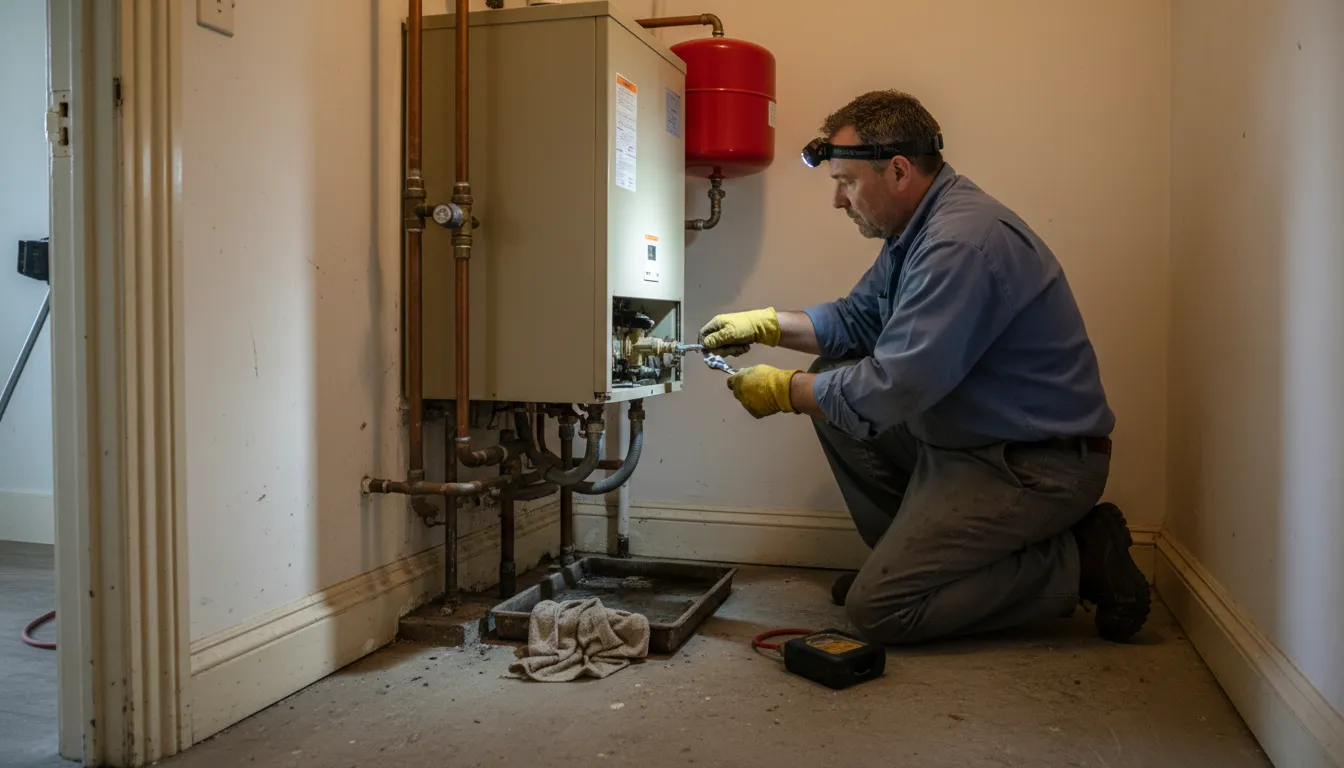
Find the Best Boiler Repair Contractors for Your Business
No obligation • Fast responses • Nationwide coverage

Why you can trust HVAC Firms
HVAC Firms is a leading United States resource for evaluating HVAC service providers. Our team researches companies, checks credentials, and reviews customer feedback to present clear, unbiased information. Listings and rankings are based on merit, and companies cannot pay to change our editorial content.
Search providers near you
Top Boiler Repair Contractors in St Louis Park, Minnesota Ranked
A reliable boiler is essential for comfort and safety during St. Louis Park's cold winters. Boiler repair and maintenance services ensure your heating system operates efficiently, preventing costly breakdowns and high energy bills. This guide will help you understand your options, from fixing minor issues to planning a full system replacement, and how to connect with qualified local professionals for your home or business.
Pronto Heating and Air Conditioning - Minneapolis
7415 Cahill Rd, Minneapolis, MN 55439
Pronto Heating and Air Conditioning - Minneapolis is an HVAC company serving Minneapolis, MN, and nearby communities. They provide installation, repair, and maintenance for heating and cooling systems including furnaces, air conditioners, boilers, heat pumps, and ductless mini splits. The company is a Bryant Factory Authorized Dealer with expertise in indoor air quality solutions such as air purification and advanced thermostats. Pronto Heating and Air Conditioning offers emergency service with a commitment to respond within 24 hours and has a history of recognized performance as a multiple Bryant Dealer of the Year finalist and winner.
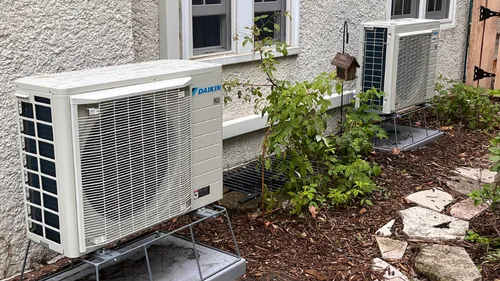
Stafford Home Service
6225 Cambridge St, Minneapolis, MN 55416
Stafford Home Service is a family-operated company based in Minneapolis, MN, offering residential HVAC and electrical services. They provide repairs, installations, and maintenance for heating and cooling systems including furnaces, heat pumps, boilers, mini-split systems, and air conditioning units. The company features licensed technicians with over 70 years of combined experience and emphasizes transparent pricing and customer satisfaction. Stafford Home Service also offers advanced HVAC solutions with Daikin products, known for energy efficiency and zoning capabilities. Since 2007, the company has continued a legacy of quality workmanship under current ownership. They serve Minneapolis and surrounding communities with a range of home comfort services.
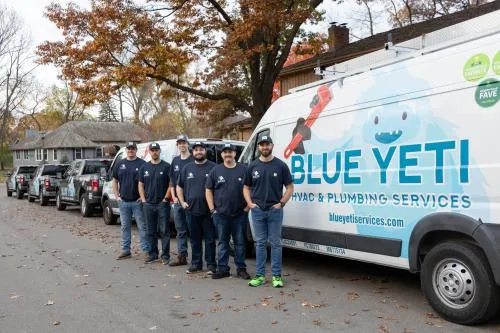
Blue Yeti HVAC & Plumbing Services
6325 Cambridge St # 2, St Louis Park, MN 55416
Blue Yeti HVAC & Plumbing Services is a family-owned and operated company based near Minneapolis, MN. They provide HVAC and plumbing services including air conditioning repair, furnace and boiler repair, and HVAC tune-ups. The company emphasizes straightforward flat rate pricing and offers preventative maintenance plans to help keep equipment running efficiently. Founded by local homeowners, Blue Yeti focuses on hiring skilled tradespeople to deliver quality workmanship without sales pressure.
Binder Heating and Air Conditioning, Inc
222 Hardman Ave N, South St Paul, MN 55075
Binder Heating and Air Conditioning, Inc is a family-owned heating and cooling company serving Minneapolis, MN, and the surrounding Twin Cities metro area. With nearly 100 years of experience, they provide a range of services including air conditioning, furnace and boiler repair and installation, geothermal heat pump systems, indoor air quality solutions, and custom commercial HVAC services. Their skilled union technicians focus on delivering tailored heating and cooling solutions without commission-based sales pressure. Binder Heating and Air Conditioning also offers 24-hour on-call emergency service for their maintenance plan customers.
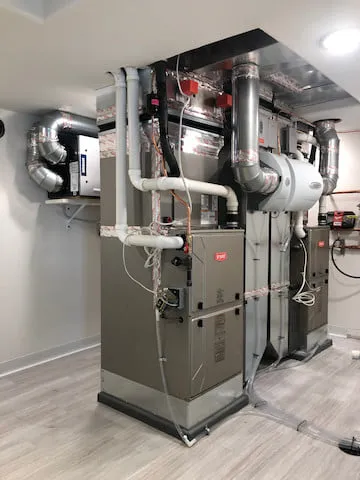
Zahler Heating & Air Conditioning, Inc.
6985 Washington Ave S, Edina, MN 55439
Zahler Heating & Air Conditioning, Inc. is an HVAC company based in Minneapolis, MN, serving the Twin Cities and Metro area. They provide heating and air conditioning services including repair, installation, and replacement for residential and commercial customers. Their technicians are experienced in servicing furnaces, boilers, and air conditioning systems, with a focus on quality and attention to detail. The company emphasizes doing the job right the first time and treating customers honestly and fairly.
Understanding Your Boiler System
Most homes in St. Louis Park rely on natural gas-fired boilers, which provide heat by circulating hot water through baseboard radiators or, in some cases, through radiant floor systems. Steam boilers are another common type found in older homes. Knowing whether you have a hot water or steam system is the first step, as repair procedures and replacement parts differ significantly. These systems are complex appliances that combine water pressure, gas combustion, and electronic controls, all of which require specialized knowledge to service safely and effectively.
The climate here plays a major role in system demands. St. Louis Park is in Climate Zone 5B, characterized by long, severe heating seasons 1. This means your boiler works harder and for more months of the year than in milder regions, making both reliability and efficiency critical. An older, inefficient boiler can lead to exorbitant winter fuel costs, while a well-maintained or modern high-efficiency unit can provide substantial savings and consistent comfort.
Common Boiler Problems in St. Louis Park
Recognizing early warning signs can prevent a small issue from becoming a major, no-heat emergency. Here are some frequent problems homeowners encounter:
- Unusual Noises: Kettling (a rumbling or banging sound) often indicates limescale buildup in the heat exchanger, restricting water flow. Whistling or gurgling can point to air in the system or issues with water pressure.
- Leaks: Dripping water or signs of corrosion around pipes, valves, or the tank itself require immediate attention. Even a small leak can cause water damage and indicate failing internal components.
- Pilot Light or Ignition Issues: If the pilot light won't stay lit or the boiler fails to ignite, it could be a faulty thermocouple, a gas supply problem, or an issue with modern electronic ignition systems.
- Fluctuating Heat or No Heat: Cold radiators or inconsistent room temperatures may stem from a broken circulator pump, stuck zone valves, low water pressure, or a malfunctioning thermostat.
- Rising Energy Bills: A gradual, unexplained increase in your gas bills is often a silent signal that your boiler is losing efficiency due to age or a developing problem.
Find the perfect boiler repair contractors for your needs
Get personalized recommendations and expert advice
Repair vs. Replacement: Making the Smart Choice
One of the most critical decisions for a boiler owner is whether to fix the current system or invest in a new one. This isn't always a straightforward call, but several key factors can guide you.
When Repair is the Right Path: Repair is typically the best course for relatively young systems-generally those under 10 to 15 years old-experiencing isolated issues 2. If the problem is minor, like replacing a pressure relief valve, fixing a small leak, or addressing a faulty thermostat, a repair can restore function at a reasonable cost. A common rule of thumb among HVAC professionals is to consider repair if the estimated cost is less than 25-50% of the price of a new, comparable boiler installation 3 4.
When to Consider Replacement: There are several strong indicators that replacement is a more prudent long-term investment:
- Age: If your boiler is over 15 years old, it's entering the end of its reliable service life. Frequent repairs on an aging system become a money pit 5.
- Frequency of Breakdowns: Needing service calls more than once a year is a sign of systemic decline.
- Major Component Failure: If the heat exchanger, combustion chamber, or pressure vessel fails, the repair cost is often prohibitively high, justifying replacement.
- The 50% Rule: When a repair estimate approaches or exceeds half the cost of a new boiler, replacement usually offers better value and peace of mind 6.
- Efficiency and Comfort: Older boilers may have Annual Fuel Utilization Efficiency (AFUE) ratings as low as 70%. Modern high-efficiency condensing boilers can achieve AFUE ratings of 90% or higher, leading to significant savings on your energy bills, which is especially valuable in our climate 7.
What to Expect: Costs and Incentives
Understanding potential costs helps in budgeting and decision-making.
Repair Costs: Simple fixes like replacing a thermostat or valve might cost a few hundred dollars. More involved repairs, such as fixing a leak or replacing a circulator pump, can range from several hundred to a few thousand dollars, depending on parts and labor.
Replacement Costs: A full boiler replacement is a larger investment. For a standard-efficiency gas boiler replacement in St. Louis Park, homeowners might expect costs starting around $3,000 to $5,000. High-efficiency condensing boiler installations are more complex, often requiring new venting and condensate lines, with prices typically ranging from $6,000 to $10,000 or more for premium models and complex setups 8.
Offsetting Costs with Incentives: The good news is that investing in high efficiency can be financially supported. Always check with local utility providers like Xcel Energy or CenterPoint Energy for current rebates on high-efficiency boiler installations. These rebates can sometimes amount to hundreds of dollars. Additionally, federal tax credits for energy-efficient home improvements may apply, further reducing your net cost.
Choosing a Service Provider in St. Louis Park
Your boiler is a vital and potentially dangerous appliance if serviced incorrectly. Selecting the right professional is paramount.
- Seek Proper Credentials: Always choose a licensed, bonded, and insured HVAC contractor. In Minnesota, proper licensing ensures the technician has the required training to work on gas lines and heating systems safely.
- Specialization Matters: Look for companies that specifically list boiler service, repair, and installation as core services, not just general HVAC.
- Get Detailed Quotes: For any significant repair or replacement, obtain 2-3 written estimates. A thorough quote should include a diagnosis, a detailed breakdown of parts and labor costs, estimated timeline, and information on warranties for both parts and workmanship.
- Ask About Experience: Inquire how long they've been servicing boilers in the Twin Cities area and if they have experience with your specific brand or system type (e.g., steam, hot water, radiant).
- Check Reviews and References: Online reviews and personal referrals from neighbors can provide insight into a company's reliability, professionalism, and quality of work.
Maintaining Your Boiler for Longevity
Proactive maintenance is the best way to avoid emergency repairs and extend your system's life. An annual professional tune-up before heating season is highly recommended. This service typically includes cleaning the burner and heat exchanger, checking for leaks, testing safety controls, verifying gas pressure and combustion efficiency, and ensuring the system is operating at peak performance. Between professional visits, you can keep the area around your boiler clear of clutter and monitor the system pressure gauge if you have a hot water system.
Frequently asked questions
Sources
Footnotes
-
Residential Building Energy Efficiency Field Studies - https://www.energycodes.gov/sites/default/files/2021-07/LRMF_Studies_final_report_2020-06-24.pdf ↩
-
Boiler Repair vs Replacement: How to Make the Right Choice - https://www.grossiservicesinc.com/boiler-repair-vs-replacement-how-to-make-the-right-choice ↩
-
Boiler Troubles? How to Tell If It's Time for Repair or Replacement - https://www.halcoenergy.com/about-us/blog/49647-boiler-troubles-how-to-tell-if-its-time-for-repair-or-replacement.html ↩
-
Should You Repair or Replace Your Boiler? | Westmore Fuel - https://www.westmorefuel.com/blog/planning-your-boiler-upgrade/ ↩
-
I have boiler issues - should I repair or replace it? - Viessmann US - https://www.viessmann-us.com/en/guide/boiler-issues-repair-or-replace.html ↩
-
When to replace vs repair your boiler - https://yorkshireheatingrenewables.co.uk/advice/when-to-replace-vs-repair-your-boiler/ ↩
-
The Ultimate Twin Cities Boiler Guide: Maintenance, Repair & Replacement - https://mcquillanbros.com/blog/ultimate-twin-cities-boiler-guide/ ↩
-
Twin Cities Boiler Guide: Maintenance, Repair & Replacement - https://mcquillanbros.com/blog/ultimate-twin-cities-boiler-guide/ ↩