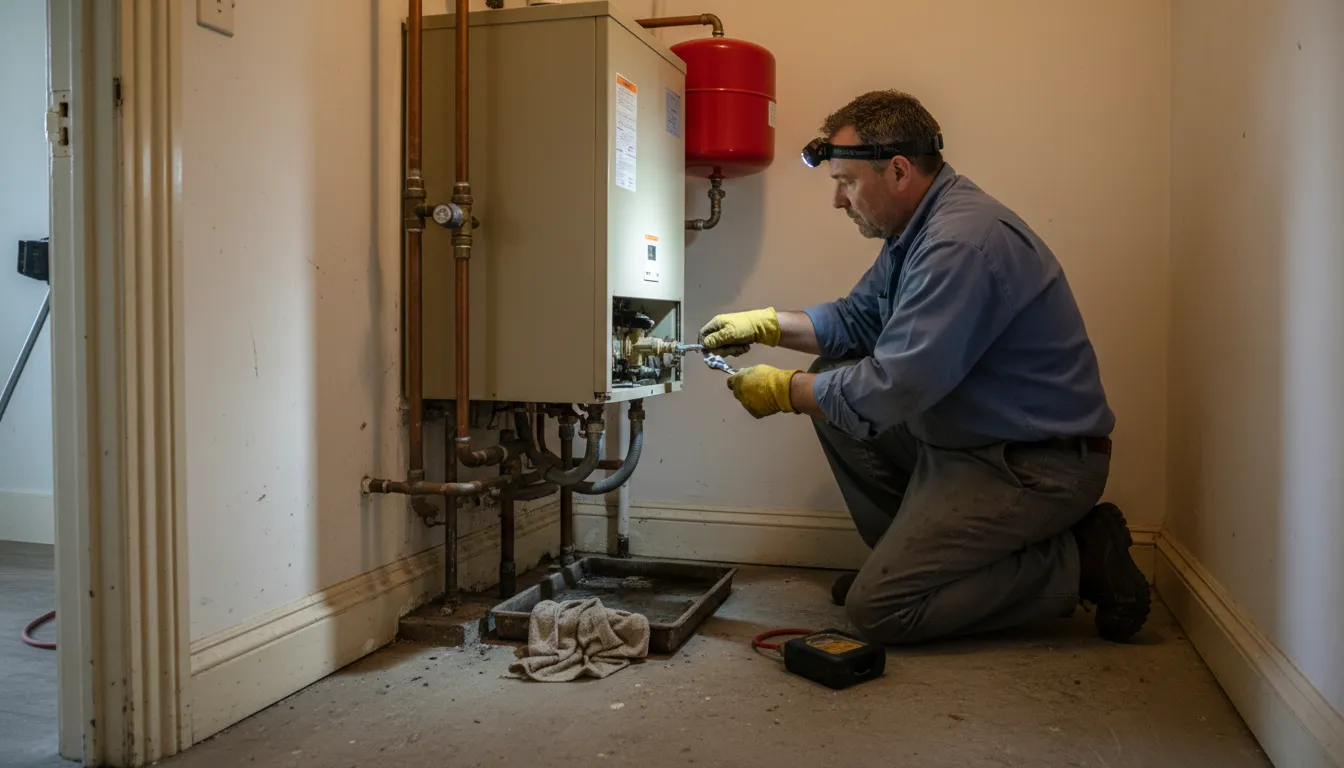
Find the Best Boiler Repair Contractors for Your Business
No obligation • Fast responses • Nationwide coverage

Why you can trust HVAC Firms
HVAC Firms is a leading United States resource for evaluating HVAC service providers. Our team researches companies, checks credentials, and reviews customer feedback to present clear, unbiased information. Listings and rankings are based on merit, and companies cannot pay to change our editorial content.
Search providers near you
Best Boiler Repair Contractors in Minnesota Ranked
Keeping your boiler in good working order is essential for a warm, safe, and efficient home, especially during Minnesota's long, harsh winters. A well-maintained boiler system provides reliable heat and hot water, but when problems arise, they require prompt attention from a qualified professional. This guide outlines common boiler issues, maintenance tips, and what to expect from repair services to help you make informed decisions and connect with local experts who can ensure your system runs smoothly all season long.

Pronto Heating and Air Conditioning - Minneapolis
7415 Cahill Rd, Minneapolis, MN 55439
Pronto Heating and Air Conditioning - Minneapolis is an HVAC company serving Minneapolis, MN, and nearby communities. They provide installation, repair, and maintenance for heating and cooling systems including furnaces, air conditioners, boilers, heat pumps, and ductless mini splits. The company is a Bryant Factory Authorized Dealer with expertise in indoor air quality solutions such as air purification and advanced thermostats. Pronto Heating and Air Conditioning offers emergency service with a commitment to respond within 24 hours and has a history of recognized performance as a multiple Bryant Dealer of the Year finalist and winner.
Stafford Home Service
6225 Cambridge St, Minneapolis, MN 55416
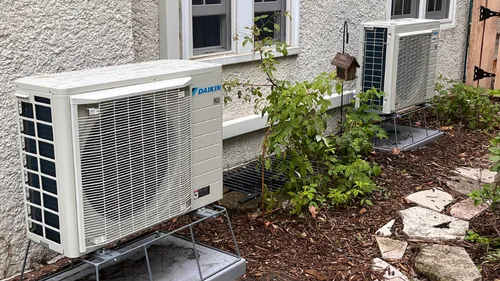
Stafford Home Service is a family-operated company based in Minneapolis, MN, offering residential HVAC and electrical services. They provide repairs, installations, and maintenance for heating and cooling systems including furnaces, heat pumps, boilers, mini-split systems, and air conditioning units. The company features licensed technicians with over 70 years of combined experience and emphasizes transparent pricing and customer satisfaction. Stafford Home Service also offers advanced HVAC solutions with Daikin products, known for energy efficiency and zoning capabilities. Since 2007, the company has continued a legacy of quality workmanship under current ownership. They serve Minneapolis and surrounding communities with a range of home comfort services.
Blue Yeti HVAC & Plumbing Services
6325 Cambridge St # 2, St Louis Park, MN 55416
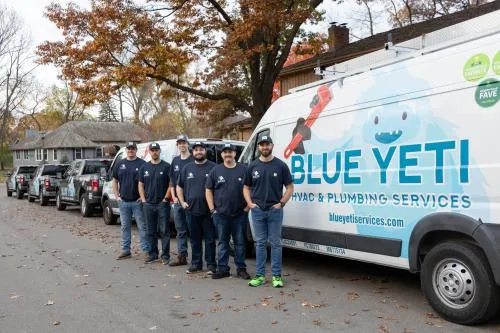
Blue Yeti HVAC & Plumbing Services is a family-owned and operated company based near Minneapolis, MN. They provide HVAC and plumbing services including air conditioning repair, furnace and boiler repair, and HVAC tune-ups. The company emphasizes straightforward flat rate pricing and offers preventative maintenance plans to help keep equipment running efficiently. Founded by local homeowners, Blue Yeti focuses on hiring skilled tradespeople to deliver quality workmanship without sales pressure.
Binder Heating and Air Conditioning, Inc
222 Hardman Ave N, South St Paul, MN 55075
Binder Heating and Air Conditioning, Inc is a family-owned heating and cooling company serving Minneapolis, MN, and the surrounding Twin Cities metro area. With nearly 100 years of experience, they provide a range of services including air conditioning, furnace and boiler repair and installation, geothermal heat pump systems, indoor air quality solutions, and custom commercial HVAC services. Their skilled union technicians focus on delivering tailored heating and cooling solutions without commission-based sales pressure. Binder Heating and Air Conditioning also offers 24-hour on-call emergency service for their maintenance plan customers.
Zahler Heating & Air Conditioning, Inc.
6985 Washington Ave S, Edina, MN 55439
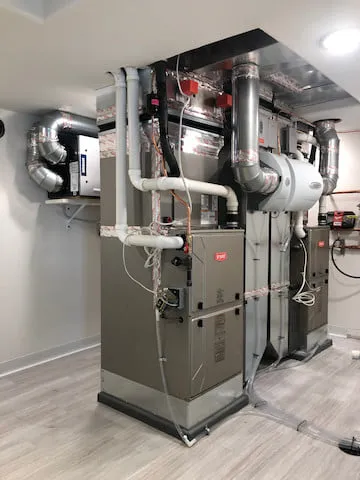
Zahler Heating & Air Conditioning, Inc. is an HVAC company based in Minneapolis, MN, serving the Twin Cities and Metro area. They provide heating and air conditioning services including repair, installation, and replacement for residential and commercial customers. Their technicians are experienced in servicing furnaces, boilers, and air conditioning systems, with a focus on quality and attention to detail. The company emphasizes doing the job right the first time and treating customers honestly and fairly.
Common Boiler Problems in Minnesota Homes
Boilers are robust systems, but they can develop issues over time. Recognizing the early signs of trouble can prevent minor problems from becoming major, costly repairs. Here are the most frequent complaints homeowners encounter.
Leaks and Drips: Water pooling around your boiler is a clear red flag. Leaks often originate from worn seals, faulty valves, loose fittings, or internal tank corrosion. Even a small drip can lead to water damage, reduced system pressure, and increased strain on components.
Unusual Noises: Your boiler should operate relatively quietly. Banging, whistling, gurgling, or kettling sounds typically indicate issues with air in the system, limescale buildup, or fluctuating water pressure. A persistent whirring or grinding noise may point to a failing pump or fan motor.
No Heat or Hot Water: This is the most obvious sign of a problem. The cause could be as simple as a thermostat setting or a tripped circuit breaker, or it could involve a failed pilot light, a broken diaphragm, or a malfunctioning pump.
Low or Fluctuating Pressure: Your boiler's pressure gauge should remain in the green zone (typically between 1 and 1.5 bar). Consistently low pressure often signals a leak somewhere in the system. Rapid pressure fluctuations can indicate a problem with the pressure relief valve or an expansion vessel issue 1 2.
Inconsistent Heating: If some radiators are hot while others are cold, or if heat output seems uneven, you likely have trapped air in the system (requiring bleeding) or a problem with the pump or system balancing.
Rising Energy Bills: A sudden, unexplained increase in your heating costs can be a symptom of declining boiler efficiency. This is often caused by sediment buildup in the heat exchanger, which forces the boiler to work harder, or general aging of the system 3.
What Homeowners Can Monitor and Maintain
While major repairs should always be left to certified technicians, there are several proactive steps Minnesota homeowners can take to monitor their boiler's health and prevent common issues.
- Regular Pressure Checks: Make a habit of glancing at your boiler's pressure gauge, especially at the start of the heating season. Ensuring it stays within the manufacturer's recommended range is a simple way to catch problems early.
- Visual Inspection for Leaks: Periodically check the area around and beneath your boiler, as well as visible pipes and valves, for any signs of moisture, rust, or corrosion.
- Bleed Your Radiators: If radiators have cold spots at the top, they contain trapped air. Bleeding them releases the air, allowing hot water to fill the entire radiator and improving your home's heat distribution and system efficiency.
- Keep Vents and Areas Clear: Ensure the boiler's air vents, flue terminal (outside), and the immediate area around the unit are free from dust, debris, snow, or stored items to allow for proper combustion and ventilation 4.
- Listen and Report: Pay attention to new or changing sounds from your boiler. When you schedule service, providing details about any strange noises or performance changes can help the technician diagnose the issue faster 5.
Professional Boiler Maintenance: What a Technician Does
Annual professional maintenance is not just a recommendation; it's a critical investment for safety, efficiency, and longevity, particularly in Minnesota's climate. A comprehensive tune-up performed by a qualified technician includes tasks that go beyond a homeowner's DIY scope.
Combustion Safety and Gas Analysis: This is the most crucial safety check. The technician will use specialized equipment to test for dangerous carbon monoxide (CO) leaks in the flue and combustion chamber, ensuring gases are being vented properly.
Pressure System Inspection: The pressure relief valve will be tested to ensure it opens and closes at the correct settings, a vital safety feature that prevents excessive pressure buildup.
Thorough Cleaning: Soot and debris will be removed from the boiler's burners, heat exchanger, and convectors. Buildup here significantly reduces efficiency and can be a fire hazard 6 7.
Component Testing and Inspection: The technician will inspect the integrity of the heat exchanger for cracks, test the operation of the circulating pump, check all electrical connections and controls, and assess the condition of seals and gaskets 8 9.
Ventilation and Flue Check: The entire flue system will be inspected for blockages, leaks, or corrosion to ensure products of combustion are safely exiting your home.
Find the perfect boiler repair contractors for your needs
Get personalized recommendations and expert advice
Understanding Boiler Repair and Replacement Costs
The cost to fix a boiler in Minnesota varies widely based on the problem's complexity, the parts required, and labor rates. Getting a detailed estimate from a trusted professional is always advised.
- Minor Repairs: Simple fixes like replacing a seal, valve, or thermostat typically range from a few hundred dollars.
- Major Repairs: Addressing issues like a leaking heat exchanger, a failed pump, or significant control board problems can cost significantly more, often over a thousand dollars depending on the boiler model and part availability.
- Full System Replacement: If your boiler is old, inefficient, or has a catastrophic failure, replacement is often the most economical long-term choice. A new residential boiler installation in Minnesota can range from approximately $3,200 to over $13,000+, with costs climbing higher for larger homes, complex hydronic systems, or high-efficiency condensing models 10.
It's important to weigh the cost of a major repair against the age and condition of your existing unit. Investing in a new, high-efficiency boiler can offer substantial savings on future energy bills and provide greater reliability.
The Critical Importance of Annual Service in Minnesota
Skipping annual boiler maintenance is a risky gamble with Minnesota's extreme weather. A scheduled service visit is far less expensive than an emergency repair call in the middle of a January cold snap. Regular maintenance provides three key benefits:
- Prevents Costly Breakdowns: Technicians catch and fix small issues-like a worn pump bearing or a slightly leaking valve-before they lead to a complete system failure 11.
- Ensures Safety: The rigorous testing for carbon monoxide and gas leaks is paramount for protecting your household from invisible dangers 12.
- Maintains Peak Efficiency: A cleaned and tuned boiler uses less fuel to produce the same amount of heat. This improved efficiency directly translates to lower monthly heating bills, often saving enough to cover the cost of the service visit itself 13.
Choosing the Right Service Provider
When you need boiler repair or maintenance, selecting a qualified professional is key. Look for companies that are licensed, insured, and have specific experience with your type of boiler (e.g., gas, oil, hydronic). Check for positive reviews from local customers and ask if they offer upfront, flat-rate pricing or detailed estimates. A reputable technician will be happy to explain the problem, your options, and the associated costs before starting any work.
Frequently asked questions
Sources
Footnotes
-
Residential Boiler Repair: A Guide To Saving Money At Home - https://inmotionheating.com/residential-boiler-repair/ ↩
-
Boiler Repair: Ensuring Your Home Stays Warm and Safe - https://goendlessenergy.com/blog/boilers/boiler-repair-ensuring-your-home-stays-warm-and-safe/ ↩
-
Common Home Boiler Problems - McQuillan Bros - https://mcquillanbros.com/blog/common-home-boiler-problems/ ↩
-
Boiler Repair: 5 Signs Your Heating System Needs Attention - https://genzryan.com/blog/boiler-repair/ ↩
-
Signs Your Boiler Needs Repair - St Paul MN - https://binderheating.com/blog/signs-your-boiler-needs-repair/ ↩
-
Annual Boiler Maintenance Checklist - Cellino Plumbing - https://cellinoplumbing.com/blog/annual-boiler-maintenance-checklist/ ↩
-
Hydronic Heating Systems - Home Inspections by US Inspect - https://www.usinspect.com/blog/hydronic-heating-systems/ ↩
-
Boiler Safety Inspections Checklist - PlumbersStock - https://www.plumbersstock.com/how-to-hvac/boilers/safety-inspection-checklist.html ↩
-
Boiler Maintenance Checklist: Heating System Upkeep Guide - https://skaggswalsh.com/boiler-maintenance-checklist-sw/ ↩
-
Twin Cities Boiler Guide: Maintenance, Repair & Replacement - https://mcquillanbros.com/blog/ultimate-twin-cities-boiler-guide/ ↩
-
Heating maintenance in Plymouth, MN: 3 Ultimate Tips - https://www.staffordhomeservice.com/blog/heating-maintenance-plymouth-mn-tips ↩
-
BOILER REPAIRS & MAINTENANCE - MN.gov - https://mn.gov/commerce-stat/pdfs/boiler-repair-and-maintenance.pdf ↩
-
Top Tips for Maintaining Your Commercial Boiler System All Year ... - https://www.burnnboiler.com/top-tips-for-maintaining-your-commercial-boiler-system-all-year-round-in-minnesota/ ↩