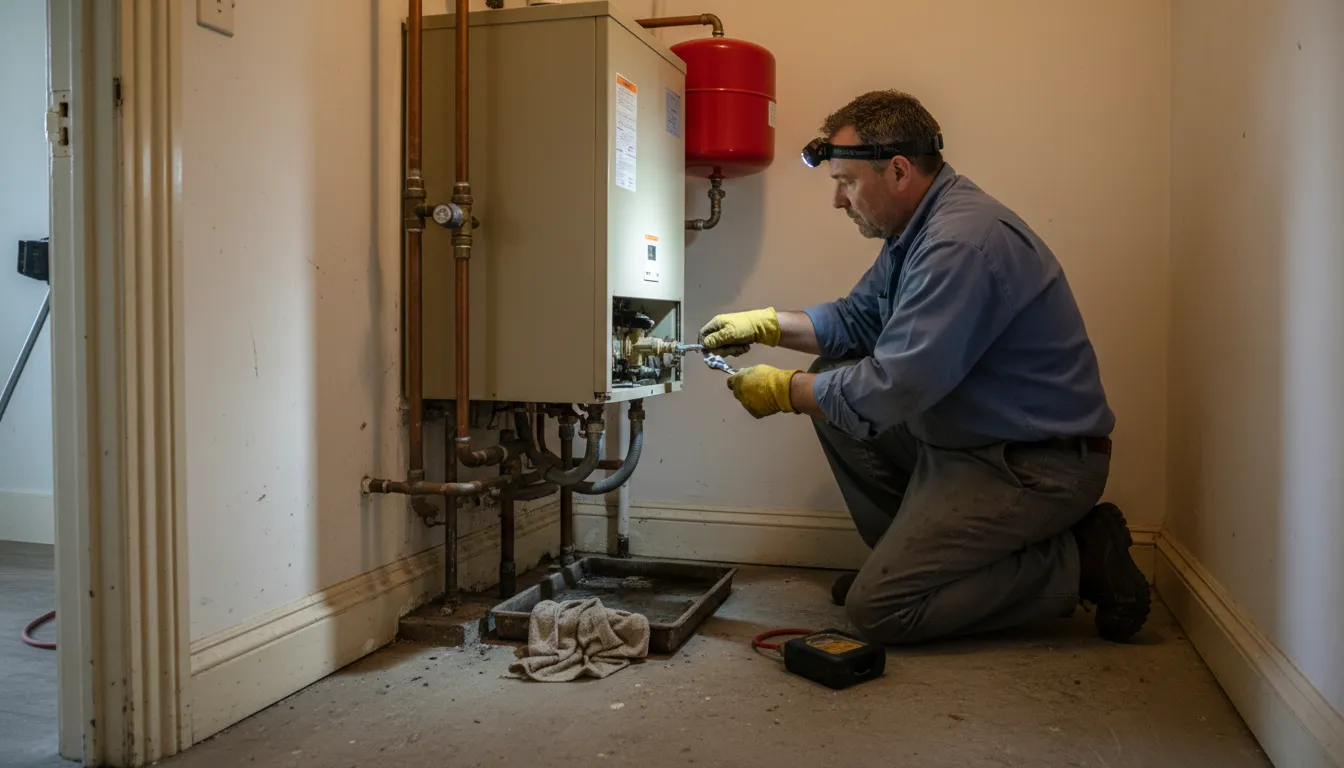
Find the Best Boiler Repair Contractors for Your Business
No obligation • Fast responses • Nationwide coverage

Why you can trust HVAC Firms
HVAC Firms is a leading United States resource for evaluating HVAC service providers. Our team researches companies, checks credentials, and reviews customer feedback to present clear, unbiased information. Listings and rankings are based on merit, and companies cannot pay to change our editorial content.
Search providers near you
Top Boiler Repair Contractors in Minneapolis, Minnesota Ranked
A reliable boiler is the heart of a comfortable home in Minneapolis, especially during our famously cold winters. Boiler repair and maintenance services ensure your hydronic heating system-whether it powers radiators, baseboards, or radiant floors-operates safely and efficiently. When your heating system falters, knowing your options for repair versus replacement and finding a qualified local technician is crucial for restoring warmth and preventing costly damage.
Pronto Heating and Air Conditioning - Minneapolis
7415 Cahill Rd, Minneapolis, MN 55439
Pronto Heating and Air Conditioning - Minneapolis is an HVAC company serving Minneapolis, MN, and nearby communities. They provide installation, repair, and maintenance for heating and cooling systems including furnaces, air conditioners, boilers, heat pumps, and ductless mini splits. The company is a Bryant Factory Authorized Dealer with expertise in indoor air quality solutions such as air purification and advanced thermostats. Pronto Heating and Air Conditioning offers emergency service with a commitment to respond within 24 hours and has a history of recognized performance as a multiple Bryant Dealer of the Year finalist and winner.
Stafford Home Service
6225 Cambridge St, Minneapolis, MN 55416
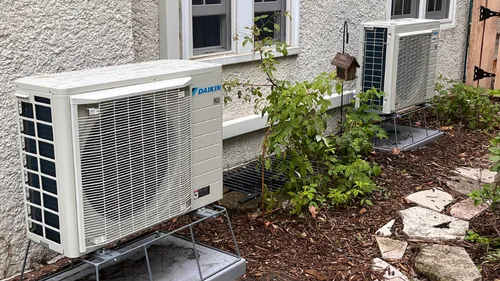
Stafford Home Service is a family-operated company based in Minneapolis, MN, offering residential HVAC and electrical services. They provide repairs, installations, and maintenance for heating and cooling systems including furnaces, heat pumps, boilers, mini-split systems, and air conditioning units. The company features licensed technicians with over 70 years of combined experience and emphasizes transparent pricing and customer satisfaction. Stafford Home Service also offers advanced HVAC solutions with Daikin products, known for energy efficiency and zoning capabilities. Since 2007, the company has continued a legacy of quality workmanship under current ownership. They serve Minneapolis and surrounding communities with a range of home comfort services.
Blue Yeti HVAC & Plumbing Services
6325 Cambridge St # 2, St Louis Park, MN 55416
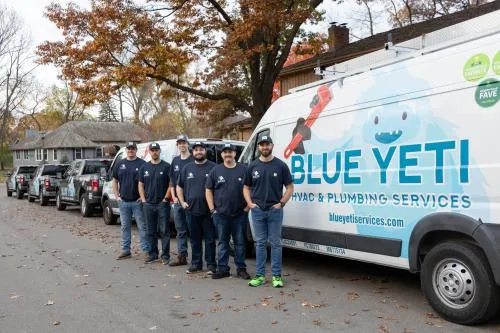
Blue Yeti HVAC & Plumbing Services is a family-owned and operated company based near Minneapolis, MN. They provide HVAC and plumbing services including air conditioning repair, furnace and boiler repair, and HVAC tune-ups. The company emphasizes straightforward flat rate pricing and offers preventative maintenance plans to help keep equipment running efficiently. Founded by local homeowners, Blue Yeti focuses on hiring skilled tradespeople to deliver quality workmanship without sales pressure.
Binder Heating and Air Conditioning, Inc
222 Hardman Ave N, South St Paul, MN 55075
Binder Heating and Air Conditioning, Inc is a family-owned heating and cooling company serving Minneapolis, MN, and the surrounding Twin Cities metro area. With nearly 100 years of experience, they provide a range of services including air conditioning, furnace and boiler repair and installation, geothermal heat pump systems, indoor air quality solutions, and custom commercial HVAC services. Their skilled union technicians focus on delivering tailored heating and cooling solutions without commission-based sales pressure. Binder Heating and Air Conditioning also offers 24-hour on-call emergency service for their maintenance plan customers.
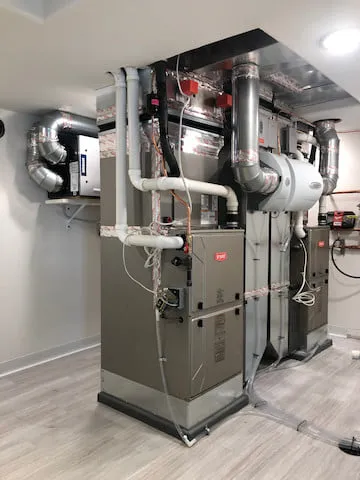
Zahler Heating & Air Conditioning, Inc.
6985 Washington Ave S, Edina, MN 55439
Zahler Heating & Air Conditioning, Inc. is an HVAC company based in Minneapolis, MN, serving the Twin Cities and Metro area. They provide heating and air conditioning services including repair, installation, and replacement for residential and commercial customers. Their technicians are experienced in servicing furnaces, boilers, and air conditioning systems, with a focus on quality and attention to detail. The company emphasizes doing the job right the first time and treating customers honestly and fairly.
Understanding Your Minneapolis Home's Heating System
Most Minneapolis homes with boilers utilize a hydronic heating system. This means the boiler heats water, which is then circulated through a network of pipes to deliver warmth via radiators, baseboard convectors, or in-floor radiant tubing. Radiant flooring is particularly common in newer builds for its even, comfortable heat. These systems are prized for their consistent, draft-free warmth, a significant comfort advantage during long Minnesota winters.
The boilers themselves can be powered by natural gas, propane, or electricity. Older units often operate at lower efficiency, while modern high-efficiency condensing boilers can achieve Annual Fuel Utilization Efficiency (AFUE) ratings of 95% or higher, converting nearly all the fuel into usable heat for your home 1.
Why Boiler Health is Critical in Our Climate
Minneapolis's climate places extraordinary demands on heating systems. The prolonged cold seasons mean your boiler works hard for many months, making its reliability and efficiency non-negotiable for both comfort and safety. A failing boiler in January isn't just an inconvenience; it risks frozen pipes, which can lead to extensive and expensive water damage.
Furthermore, with high heating demand, energy costs become a major household expense. An older, inefficient boiler operating below 70% AFUE wastes a substantial amount of fuel, directly leading to unnecessarily high utility bills. Upgrading to a high-efficiency model represents a significant opportunity for long-term savings, offsetting the initial investment over time through lower monthly costs.
Common Signs Your Boiler Needs Attention
Recognizing early warning signs can help you address problems before they lead to a complete breakdown. Be alert to the following symptoms:
- Unusual Noises: Banging, whistling, or gurgling sounds often indicate issues like kettling (mineral buildup), air in the lines, or impending pump failure.
- Leaks: Any sign of water around the boiler or pipes requires immediate professional attention to prevent water damage and system corrosion.
- Pilot Light Changes: A yellow or flickering pilot light (on gas models) can signal a dangerous carbon monoxide risk and should be inspected urgently.
- Uneven Heating: If some radiators are cold while others are hot, it may point to circulation problems, faulty zone valves, or sludge buildup in the system.
- Spiking Energy Bills: A sudden or gradual increase in your heating costs, without a change in usage, is a classic sign of declining boiler efficiency.
Find the perfect boiler repair contractors for your needs
Get personalized recommendations and expert advice
The Repair vs. Replacement Decision
One of the most critical decisions for a Minneapolis homeowner is whether to repair an ailing boiler or invest in a replacement. This choice hinges on several key factors, guided by industry best practices and the harsh local climate.
When Repair is the Smart Choice:
- The boiler is relatively young, typically under 8-10 years old.
- The repair is minor, such as replacing a pressure relief valve, thermostat, or circulator pump.
- The repair cost is less than 50% of the cost of a brand-new, high-efficiency system installation 2 3.
- The system has been well-maintained and is otherwise operating efficiently.
When Replacement is the More Cost-Effective Long-Term Solution:
- The boiler is aged 15-20 years or more, nearing or exceeding its typical lifespan.
- You are experiencing frequent breakdowns, signaling systemic failure.
- Energy bills are consistently and inexplicably high, indicating very low efficiency (often below 70% AFUE) 4.
- A major component fails, like the heat exchanger, where the repair cost approaches or exceeds the 50% threshold of replacement cost.
- You notice persistent issues like strange noises, leaks, or uneven heating that point to cumulative wear 5 6.
A professional assessment from a qualified Minneapolis technician is indispensable for making this decision. They can evaluate the system's age, condition, efficiency, and repair costs to provide a clear, cost-effective recommendation tailored to your home 7.
Understanding Costs and Incentives
Costs for boiler service in Minneapolis vary widely based on the job's complexity and the system type.
- Repair Costs: Minor repairs can start in the few hundred dollar range, while major component replacements can cost several thousand dollars. The guiding principle is to consider replacement if a single repair would cost more than half the price of a new system.
- Replacement Costs: Installing a new boiler is a significant investment, with a typical range of $5,500 to $26,000 or more. The average cost for a standard installation in Minneapolis is around $7,896 8 9. The final price depends heavily on the boiler type (e.g., standard efficiency vs. high-efficiency condensing), fuel source, and the complexity of integrating it with your existing hydronic distribution system (like radiators or radiant floors) 8 10.
Financial Incentives: To encourage energy efficiency, CenterPoint Energy offers rebates for upgrading to qualified high-efficiency boilers in the Twin Cities area. These incentives can substantially reduce the net cost of a new, energy-saving system. Always check with your utility provider and your HVAC contractor for the latest available rebates at the time of purchase.
Choosing the Right Professional for the Job
Given the technical complexity and safety implications of boiler work, selecting the right service provider is paramount. Look for a licensed, insured, and experienced local company specializing in hydronic systems. They should offer a thorough diagnostic visit, provide clear and detailed estimates, and explain the pros and cons of repair versus replacement specific to your situation. Established local firms with deep experience in Minneapolis homes will be most familiar with the common system types and the unique demands of our climate.
Frequently asked questions
Sources
Footnotes
-
Minnesota Residential Boiler System: Repair, Installation, and ... - https://www.lasalleheating.com/residential/minnesota-boiler-service-repair/ ↩
-
Boiler Repair in Minneapolis & St. Paul - https://www.standardheating.com/heating/boiler-repair-maintenance/ ↩
-
Water Heater Lifespan in Minneapolis: Repair vs. Replacement Cost ... - https://mattsplumbingmn.com/blog/minneapolis-water-heater-repair-vs-replacement-cost-guide/ ↩
-
REPLACING A BOILER | MN.gov - https://mn.gov/commerce-stat/pdfs/replacing-a-boiler.pdf ↩
-
Boiler Replacement in Minneapolis & St. Paul - https://www.standardheating.com/heating/boiler-replacement/ ↩
-
Boiler Repair & Maintenance in Minneapolis-St. Paul - https://mspplumbingheatingair.com/heating/boiler-repair/ ↩
-
Minneapolis Boilers: Energy-Efficient Heating Solutions - https://www.staffordhomeservice.com/heating/boilers-minneapolis-mn ↩
-
Twin Cities Boiler Guide: Maintenance, Repair & Replacement - https://mcquillanbros.com/blog/ultimate-twin-cities-boiler-guide/ ↩ ↩2
-
How Much Does Boiler Replacement Cost in Minneapolis, MN? - https://www.angi.com/articles/how-much-does-boiler-installation-cost/mn/minneapolis ↩
-
Boiler replacement and installation in Minneapolis-St. Paul - https://www.centerpointenergy.com/en-us/home-service-plus/products/heating-cooling/boilers ↩